




Other CT Humanities Programs

Creative Commons Licensing


Now Viewing:
War and Defense
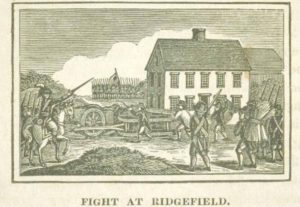
The Battle of Ridgefield, 1777
Taking place in April 1777, the Battle of Ridgefield was part of a larger British expedition to destroy Continental supplies in Danbury.
Read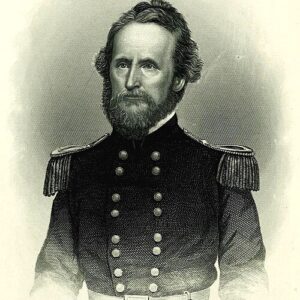
Nathaniel Lyon: First US General to Die During the Civil War
Eastford’s General Nathaniel Lyon became nationally famous as the first US general killed during the Civil War.
Read
“Legalized Piracy”: Connecticut’s Revolutionary War Privateers
American colonists employed privateers as part of the military effort against the British during the American Revolution.
Read
Jonathan Trumbull’s Lebanon War Office: The “Pentagon of the Revolution”
Jonathan Trumbull’s War Office in Lebanon functioned as headquarters for Connecticut’s Council of Safety from 1775 to 1783.
Read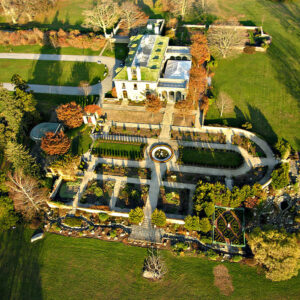
Battle of Goshen Point
The Battle of Goshen Point proved an important victory for America’s small gunboat fleet over a larger and more powerful British force.
Read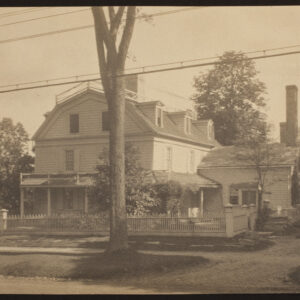
Ridgefield’s Keeler Tavern
Keeler’s tavern had only served travelers and locals before Ridgefield played host to the only inland battle fought in Connecticut during the Revolutionary War.
Read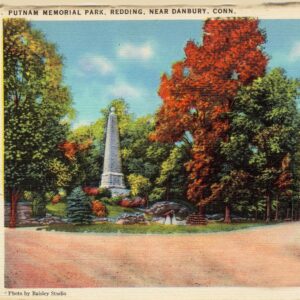
Connecticut’s Valley Forge: The Redding Encampment and Putnam Memorial State Park
As the 1778-79 winter quarters for a division of the Continental army, Putnam Memorial State Park is sometimes referred to as “Connecticut’s Valley Forge.”
Read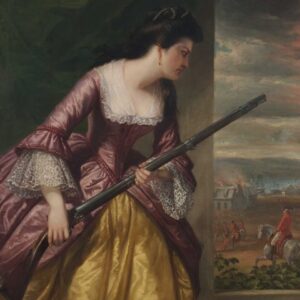
Abigail Hinman: Heroine of the American Revolution or Legend?
Allegedly defending her house during the American Revolution in 1781, New London resident Abigail Hinman made a name for herself as a patriot legend.
Read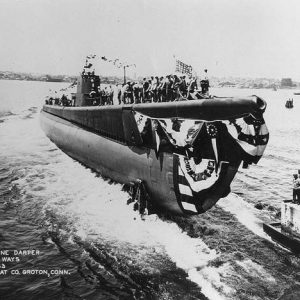
Electric Boat: From Innovation Trials to WWII Submarine Leadership
US submarines accounted for 63 percent of all Japanese ships sunk during WWII—Electric Boat’s vessels were responsible for a significant number of these successful outcomes.
Read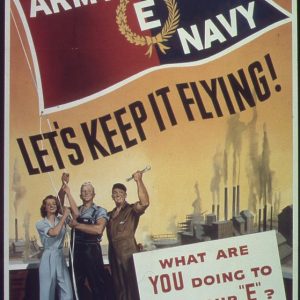
Army-Navy “E” Award Honors Connecticut for Support Against the Axis Powers
During WWII, the US military bestowed 175 Connecticut war plants with the Army-Navy “E” Award for outstanding production contributions to the army and navy.
Read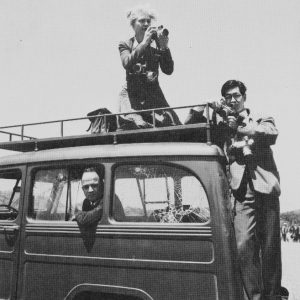
Photojournalist Margaret Bourke-White: “No Picture Was Unimportant to Her”
Margaret Bourke-White photographed some of the 20th century’s most significant people and events, but spent her later years in Darien, Connecticut.
Read
Connecticut and the Armenian Genocide
The Armenian genocide during the early 20th century had a profound impact on Armenian communities and their descendants in Connecticut.
Read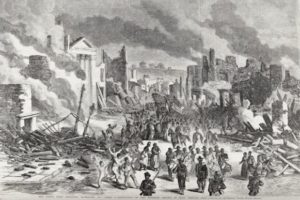
The 29th First to Enter Confederate Capital When It Surrenders – Today in History: April 3
On the morning of April 3, 1865, the 29th (Colored) Regiment Connecticut Volunteer Infantry awoke to find that the enemy had abandoned their positions in Richmond, Virginia.
Read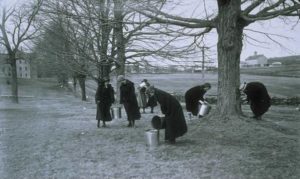
A New Source of Farm Labor Crops Up in Wartime
During times of war, in Connecticut, as in many other states, women became an increasingly important resource in food production.
Read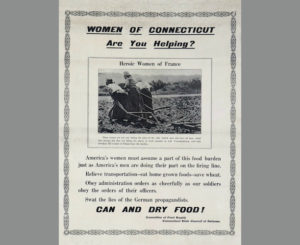
Food Needed to Win the War Comes from Washington
During World War I, the Town of Washington instituted a number of programs to increase food production and preservation to feed Allied armies and the European people,
Read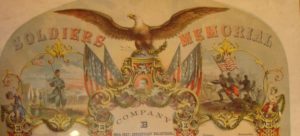
Connecticut’s Black Civil War Regiment
“If you win freedom and citizenship, we shall share your freedom and citizenship.” With these words, abolitionist Frederick Douglass reminded African American soldiers from Connecticut that they fought for the hopes of many.
Read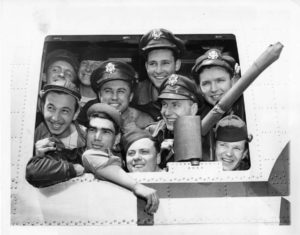
Bradley Airport’s Military Origins
In 1941, the United States government anxiously pursued opportunities to establish an air base in Connecticut to bolster defenses along the East Coast.
Read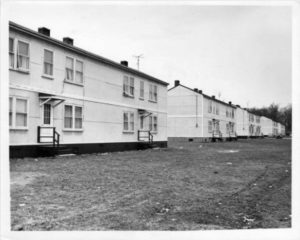
The Debate Over Who Could Occupy World War II Public Housing in West Hartford
In the 1940s, African American war workers eligible for government-funded housing found access restricted to some properties despite vacancies.
Read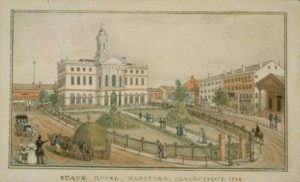
The Hartford Convention – Today in History: December 15
On December 15, 1814, delegates to the Hartford Convention met in secret at the Old State House in Hartford.
Read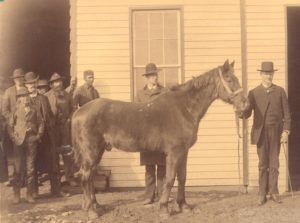
Little Sorrel, Connecticut’s Confederate War Horse
The horse Little Sorrel became one of the most famous residents of Somers, Connecticut, and a legendary figure of the Civil War.
Read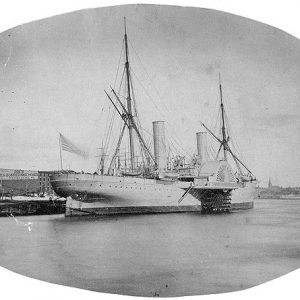
They Also Served: Chinese, Southeast Asians, and Hawaiians in the American Civil War
There were a substantial number of Chinese, Southeast Asian, and Pacific Islanders who fought in the Civil War—many of whom served in Connecticut regiments.
Read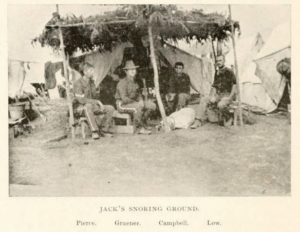
Jack Brutus, Connecticut War Dog – Who Knew?
Jack Brutus’s military status was unofficial, but he became the official mascot of Company K of the First Connecticut Volunteer Infantry during the Spanish-American War.
Read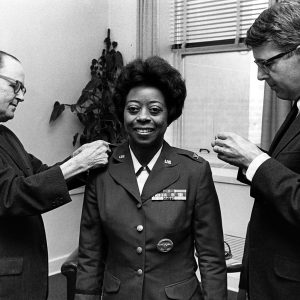
Colonel Ruth A. Lucas: Literary Advocate
In 1968, Ruth A. Lucas became the first African American woman in the air force to attain the rank of colonel and advocated for literacy her whole career.
Read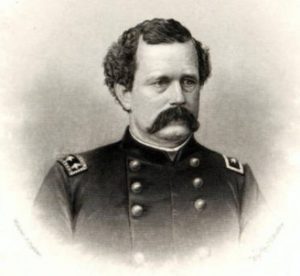
General Joseph R. Hawley Helps Commemorate Connecticut’s Civil War Soldiers
“Let monuments be raised in every town, let songs be sung and orations delivered,” urged this state politician and skilled speechmaker.
Read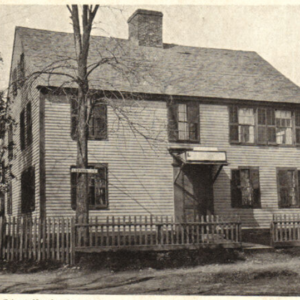
The Ebenezer Avery House – Who Knew?
The Ebenezer Avery House in Groton once served as a hospital for the wounded after the Revolutionary War’s Battle of Groton Heights on September 6, 1781.
Read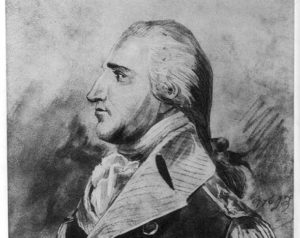
Benedict Arnold Turns and Burns New London
September 6, 1781 was a brutal and terrifying day for Connecticut citizens living on both sides of New London harbor, along the Thames River.
Read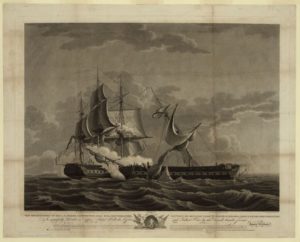
Fame and Infamy for the Hulls of Derby
Two Connecticut men, uncle and nephew, had starring roles—one in defeat and one in victory—during the War of 1812.
Read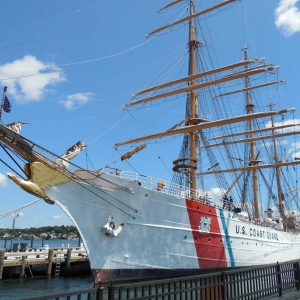
Maritime History: The Founding of the United States Coast Guard Academy
Connecticut has been home to the United States Coast Guard Academy since the early 1900s.
Read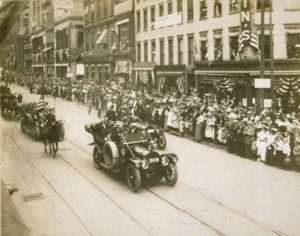
Oldest Cavalry Unit – Who Knew?
The First Company Governor’s Horse Guards is the oldest, continuously active, mounted cavalry unit in the United States.
Read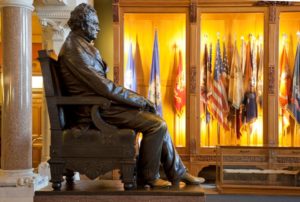
Collections: Battle Flags
“Keep them, keep them, as long as there is a thread left,” said one soldier of the regimental flag for the 6th Connecticut Volunteer Infantry.
Read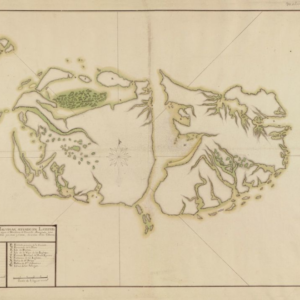
The Incident of the Stonington Schooner ‘Breakwater’: A View from Indian Country
Hundreds of American Indians served as mariners, including on the Stonington schooner ‘Breakwater,’ which survived capture in the Falkland Islands.
Read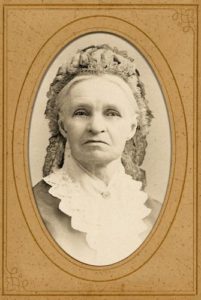
A Voice for Veterans: A Civil War era ‘Whistle-Blower’ – Who Knew?
Her obituary stated that “Mrs. Ambler was always expected to say something” on behalf of those who had fought for the Union.
Read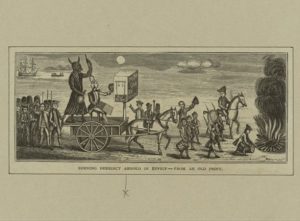
Benedict Arnold: America’s Most Famous Traitor
Benedict Arnold of Norwich was one of the great Continental army heroes of the American Revolution before committing treason and joining the British army.
Read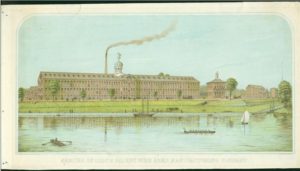
Samuel Colt: From Yankee Peddler to American Tycoon
Hartford native Samuel Colt built a financial empire on his design and automated production of the revolver.
Read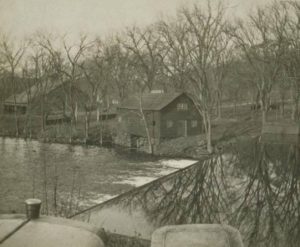
Powder Hollow in Hazardville – Who Knew?
40% of all the gunpowder consumed in the Civil War came from Powder Hollow in Hazardville (a part of Enfield, Connecticut).
Read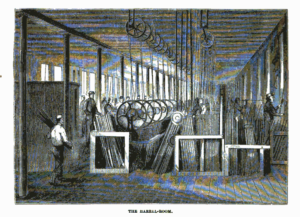
Norwich’s “Volcanic” Past
With its water power, its location, and proximity to major port cities, Norwich has been attracting gun manufacturers since the American Revolution.
Read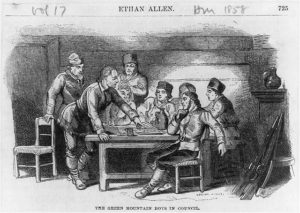
Ethan Allen Born – Today in History: January 10
On January 10, 1738, future hero of the Revolutionary War Ethan Allen was believed to have been born in the frontier village of Litchfield, Connecticut.
Read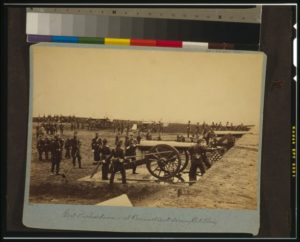
The Complicated Realities of Connecticut and the Civil War
The history of the Civil War surrounds Connecticut residents both in terms of its physical realities and in the lasting legacies of a complicated conflict.
Read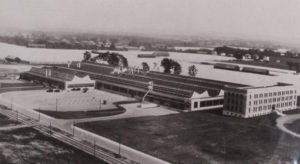
The Early Years of the Pratt & Whitney Aircraft Company
Wasp and Hornet engines secure the reputation and success of this 1920s start-up venture.
Read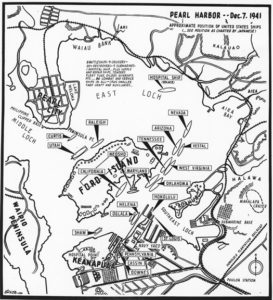
Reporting News of Pearl Harbor – Today in History: December 7
On December 7, 1941, Mansfield resident and UConn history professor Andre Schenker took to the airwaves to report on the attack on Pearl Harbor.
Read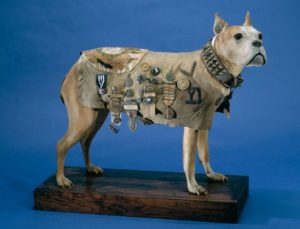
A True Dog of War: Sergeant Stubby
The stray dog “Stubby” quickly became the mascot of the 102nd Infantry during WWI, despite an official ban on pets in the camp.
Read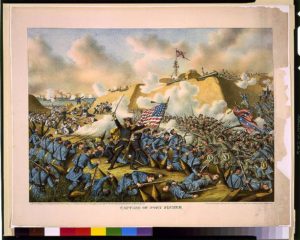
Alfred Howe Terry Born in Hartford – Today in History: November 10
Alfred Howe Terry’s greatest achievement in the Civil War was his capture of Fort Fisher in January, 1865.
Read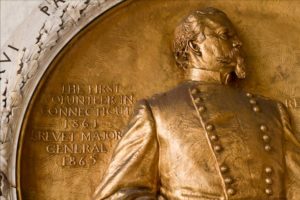
A Memorial to General Hawley at the State Capitol
Although not a native of Connecticut, one would be hard pressed to find a man more committed to the people of Connecticut than Joseph Roswell Hawley. He became Brigadier General of the 1st Connecticut Infantry during the Civil War and served the state as both a senator and as Connecticut’s 42nd governor. Within months of his death, the Connecticut legislature authorized construction of a memorial in his honor.
Read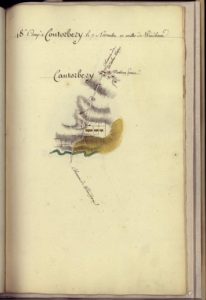
Map – Rochambeau’s Camp at Canterbury
This map, “Camp à Contorbery, le 7 Novembre, 10 milles de Windham,” is a page from the manuscript atlas Amérique Campagne 1782.
Read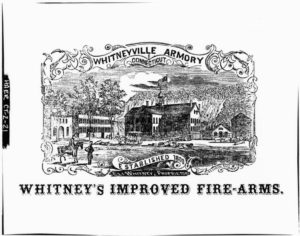
The Whitney Armory Helps Progress in Hamden
Eli Whitney later established an armory in Hamden that not only produced weapons for the US government during the early 19th century but also contributed to the evolution of mass-produced firearms.
Read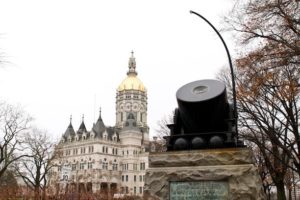
A Monument Memorializes the Fallen
In front of the state capitol is a mortar commemorating the service of the First Connecticut Heavy Artillery Regiment. The mortar may or may not be the original “Petersburg Express” used at the famous siege of Petersburg, Virginia, during the Civil War.
Read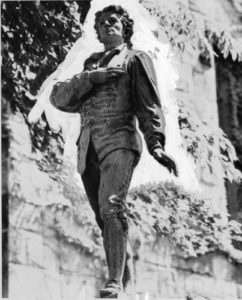
Nathan Hale Hanged in New York – Today in History: September 22
On September 22, 1776, the British hanged Revolutionary War soldier Nathan Hale, a school teacher from Coventry, Connecticut, for spying.
Read
Connecticut Servicemen in the “Bloody Bucket” Division
Nicknamed the “Keystone Division,” the United States Army’s 28th Infantry Division came together in 1917 by combining units of the Pennsylvania National Guard.
Read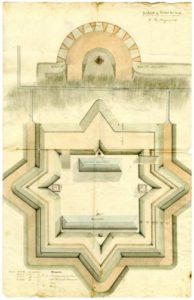
Defending Connecticut: Fortifying New London Against the British in 1812
“Sir, You will immediately commence the repairs of the magazine at Fort Trumbull and the block house at Fort Griswold…,” wrote the US Secretary of War to a captain in New London.
Read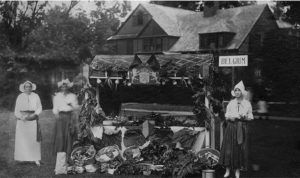
Washington’s Sister Susie Society
The Sister Susie Society in Washington, Connecticut, started out as a reading circle but became a fundraising and World War I relief organization.
Read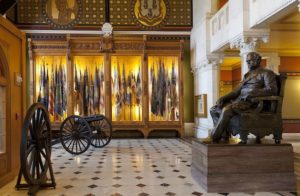
Hall of Flags: Memorial to Connecticut’s Civil War Colors
Battle flags played an important strategic and ceremonial role in Civil War battles. The preservation of Connecticut’s Civil War colors has been a long, delicate, and expensive process.
Read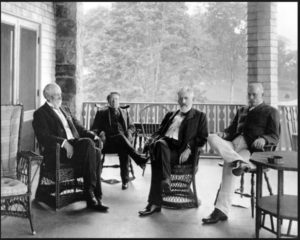
Orville Platt Helps Define International Relations after the Spanish-American War
Orville Platt was a powerful Republican senator from Washington, Connecticut. He presented the Platt Amendment to Congress.
Read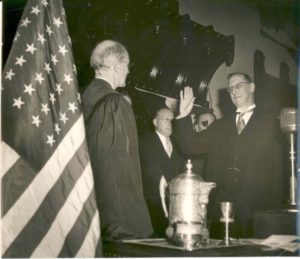
Did You Know a Connecticut Governor Was a US Spy?
In late 1943 James Lukens McConaughy became Deputy Director in Charge of Schools and Training for the precursor of the Central Intelligence agency.
Read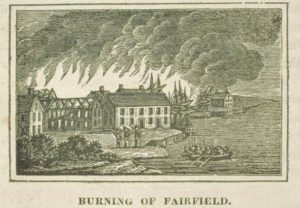
British Burn Fairfield – Today in History: July 7
On July 7, 1779, during the Revolutionary War, the British anchored a fleet of warships off the coast of Fairfield, Connecticut.
Read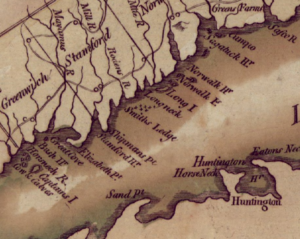
Stamford’s Three-Gun Armada
During the Revolutionary War, American privateers utilized armed whaling boats to keep the British from the colonies’ shores and prevent illicit trade in British goods.
Read
The Platt Amendment – Today in History: June 12
Orville Platt from Meriden presented the Platt Amendment to Congress in 1901. It essentially made Cuba an American protectorate.
Read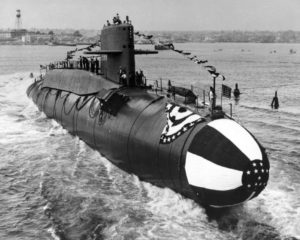
USS George Washington Launched – Today in History: June 9
On June 9, 1959, the first nuclear-powered, ballistic-missile submarine, the USS George Washington (SSBN 598), was launched at Groton.
Read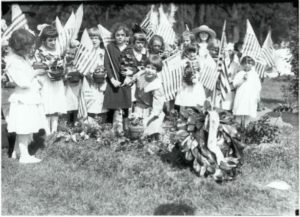
Memorial Day 1920 Brings a Changing of the Guard
In 1920, veterans groups played an active role in orchestrating Memorial Day observances in towns across Connecticut.
Read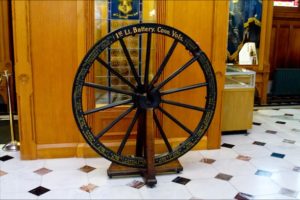
Gun Wheel of the First Light Battery, Connecticut Volunteers
A wheel damaged in battle now resides at the Connecticut State Capitol to commemorate the Civil War service of the First Light Battery Connecticut Volunteers.
Read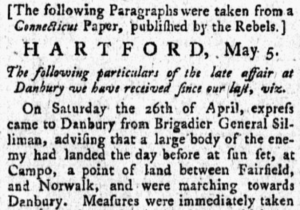
The Burning of Danbury
In April of 1777, British forces under Major General William Tryon led a raid on patriot supplies stored in Danbury, Connecticut.
Read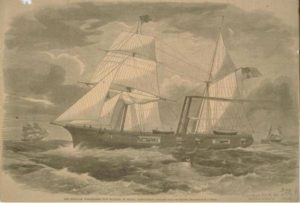
Ironclad Commissioned – Today in History: April 21
On April 21, 1862, the USS Galena was commissioned with a crew of 160 men.
Read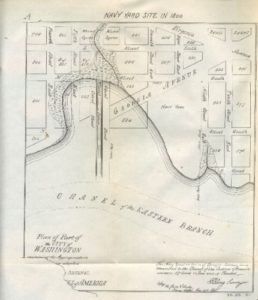
Colt’s Submarine Battery – Today in History: April 13
On April 13, 1844, Samuel Colt blew up a schooner on the Potomac River to demonstrate the effectiveness of his invention.
Read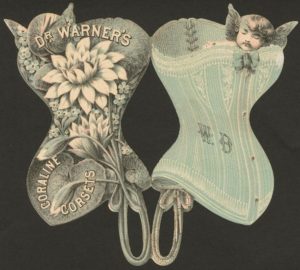
From Bombs to Bras: World War I Conservation Measures Transform the Lives of Women
A shortage of metal during World War I encouraged women’s clothing manufacturers (such as Bridgeport’s Warner Brothers Corset Company) to switch from producing corsets to brassieres.
Read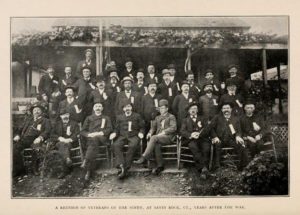
Fighting Sons of Erin: Connecticut’s Irish Regiment in the Civil War
Men with names like O’Brien, Kennedy, Mahoney, Murphy, Donnelly, Fitzpatrick, and Sullivan flocked to enlist in what a recruiting poster confidently described as a “destined to be gallant Regiment.”
Read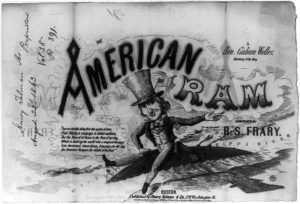
Gideon Welles, US Secretary of the Navy and Lincoln’s “Neptune”
Gideon Welles was the Secretary of the United States Navy from 1861 to 1869 and a cabinet member during the presidencies of Abraham Lincoln and Andrew Johnson.
Read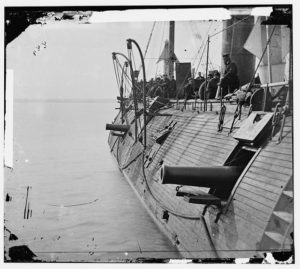
Mystic-built USS Galena Part of Plan to Strengthen Union Navy
This 950-ton, steam-propelled gunboat took fire from critics and Confederates during the Civil War.
Read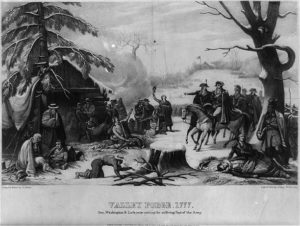
A Connecticut Slave in George Washington’s Army
Nero Hawley, born into slavery in Connecticut in the 18th century, fought in the Revolutionary War.
Read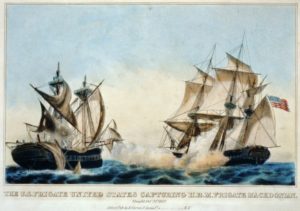
Site Lines: The Mysterious Blue Lights
During the War of 1812, warning signals in the form of two blue lights prevented US ships from slipping past the British blockade of New London’s harbor.
Read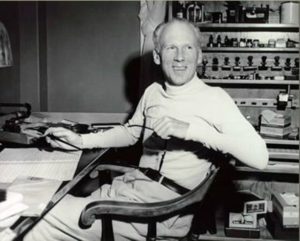
Leroy Anderson Composed Iconic Music in Woodbury
Leroy Anderson, a long-time resident of Woodbury, was one of the most popular composers of light concert music in the 20th century.
Read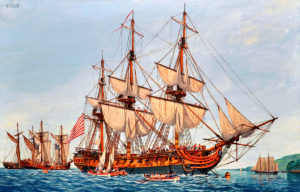
USS Confederacy: The Life and Service of Connecticut’s Continental Frigate
Nearly 20 years before the launching of the USS Constitution, a modest shipyard in Norwich, CT launched the Confederacy.
Read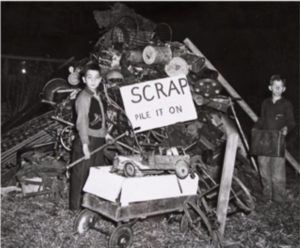
Women and Defense: World War II on the Connecticut Home Front
Women who stepped into civil defense positions managed and implemented programs that educated the public, promoted war bond sales, and aided emergency preparedness.
Read
Slavery and the Pequot War
Diaries, letters, and other sources from the early colonial era document cases of Native enslavement, including during the Pequot War.
Read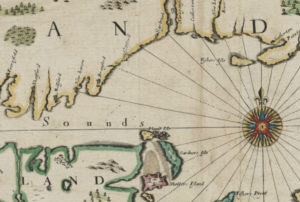
Lion Gardiner Helps to Fortify Early Old Saybrook
In 1635, the governor of the Saybrook colony hired engineer and soldier Lion Gardiner to build a critically needed fort for protection from both the Dutch colonists and local Native American tribes.
Read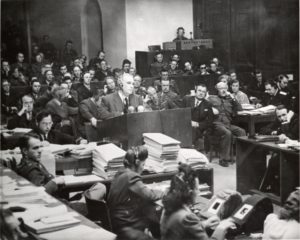
Connecticut Lawyer Prosecutes Nazi War Criminals at Nuremberg
In the immediate aftermath of World War II, Thomas Joseph Dodd served on the United States’ prosecutorial team as Executive Trial Counsel at the International Military Tribunal (IMT).
Read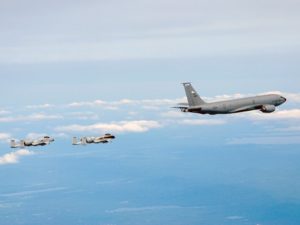
Connecticut’s “Yankee Watch” Squadron Protects the Skies Here and Abroad
Based in Orange, Connecticut, the 103rd Air Control Squadron of the Air National Guard is one of the oldest of its kind.
Read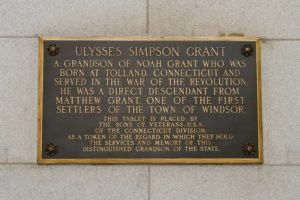
The Ulysses S. Grant Memorial Tablet
The Connecticut Division of the Sons of Veterans, USA, commissioned a memorial tablet to Ulysses S. Grant who led Union forces during the Civil War.
Read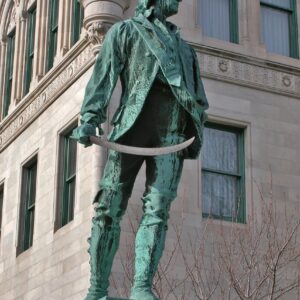
Thomas Knowlton: A Small Town’s National Hero
Thomas Knowlton is arguably Ashford’s most widely recognized war hero.
Read
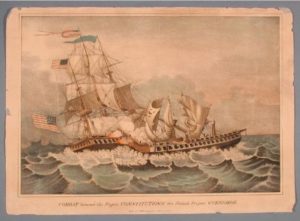
A Patriotic Legacy in Print
Two hundred years ago, on September 10, 1813, the US captured six vessels from the British Royal Navy, the most powerful maritime force in the world.
Read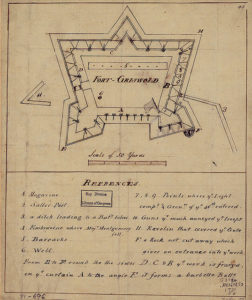
Fort Griswold Attacked – Today in History: September 6
On September 6, 1781, British forces overtook Fort Griswold and killed many of the Patriots who had surrendered.
Read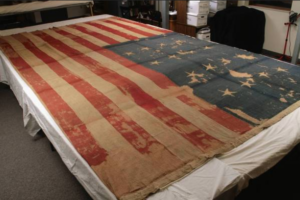
The Stonington Battle Flag
On August 10, 1814, during a lull in the attack by the British on Stonington, citizens nailed a large US flag–a banner of defiance–to a pole above the battery.
Read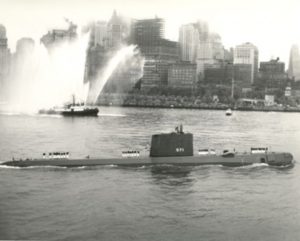
USS Nautilus Passes Under North Pole – Today in History: August 3
On August 3, 1958, the USS Nautilus (SSN-571) made history by becoming the first ship to pass underneath the North Pole.
Read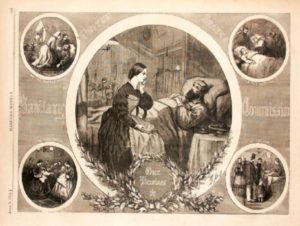
Sanitary Fair – Today in History: July 25
On July 25, 1864, the Stamford Ladies Soldiers’ Aid Society held a Sanitary Fair in response to the needs of Civil War soldiers
Read
The First Battle of Bull Run: Connecticut Troops Stand Firm When the Battle Turns Against Them
Connecticut troops earned admiration for staying to fight when others fled at the First Battle of Bull Run during the American Civil War.
Read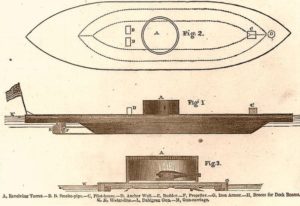
Cornelius Bushnell and His Ironclad Ship
Cornelius Scranton Bushnell was a 19th-century Connecticut businessman and shipbuilder whose successfully lobbied on behalf of a local railroad enterprise.
Read
Hammonasset State Park Serves the State and its Residents
Located in Madison, Hammonasset State Park provides visitors with opportunities for swimming, sunbathing, or strolling along the park’s meandering boardwalk.
Read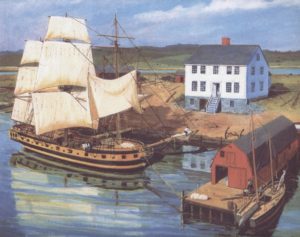
Oliver Cromwell Launched – Today in History: June 13
On June 13, 1776, the ship Oliver Cromwell was launched in Essex, one of the largest full-rigged ships built after the establishment of Connecticut’s navy.
Read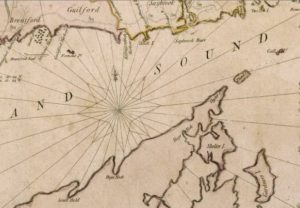
Stealth Attack from Guilford Launched – Today in History: May 23
On May 23, 1777, Colonel Return Jonathan Meigs launched a lightning raid from Sachem Head in Guilford on Sag Harbor.
Read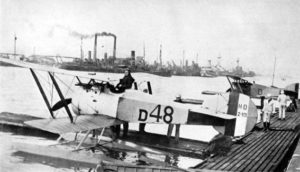
The First Yale Unit: How U.S. Navy Aviation Began
The legacy forged by the First Yale Unit lead to the creation of the Army Air Corps and military aviation as we know it.
Read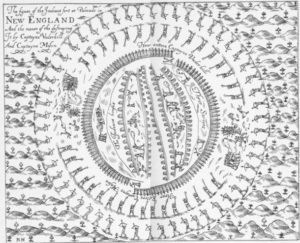
Connecticut Declares War Against the Pequot – Today in History: May 1
On May 1, 1637, Connecticut Colony declared war against the Pequot.
Read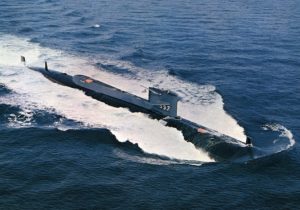
USS Tullibee – Today in History: April 27
On April 27, 1960, the USS Tullibee, the first atomic submarine to use turbo-electric propulsion, was launched.
Read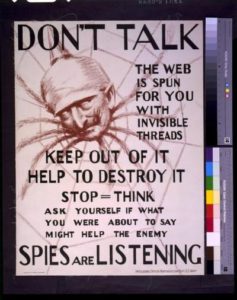
War and the Fear of Enemy Aliens – Who Knew?
…that Greenwich had a special police unit trained to handle suspected foreign agents operating in Connecticut.
Read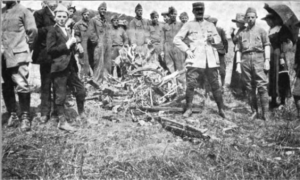
World War I Flying Ace Raoul Lufbery
Although his time as a Connecticut resident was short, this aviator left his mark on Wallingford and a generation fighter pilots.
Read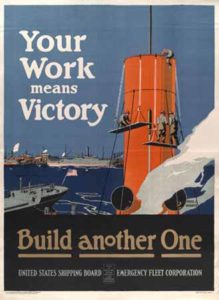
Freighter Worcester Launched – Today in History: April 5
On April 5, 1919, the freighter Worcester was launched in Groton in support of the war effort for the Emergency Fleet Corporation of the US Shipping Board.
Read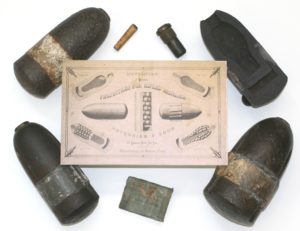
Connecticut Arms the Union
By the Civil War’s end, Connecticut had supplied 43% of the total of all rifle muskets, breech loading rifles and carbines, and revolvers bought by the War Department.
Read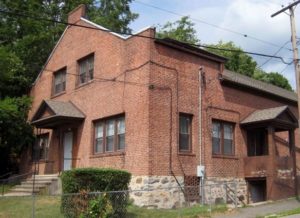
A Woman Who Developed Tolerance: Leila T. Alexander
As a member of the War Council, Leila T. Alexander served on several Council committees including education, employment, advisory, social service, and welfare.
Read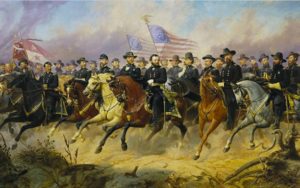
Honor and Duty: The Life of Alfred Howe Terry
Born in Hartford, Alfred Howe Terry studied law before heroically capturing Fort Fisher during the Civil War.
Read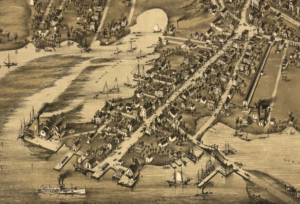
The British Raid on Essex
On a cold April night in 1814, a British raiding force rowed six miles up the Connecticut River to burn the privateers of Essex, then known as Pettipaug.
Read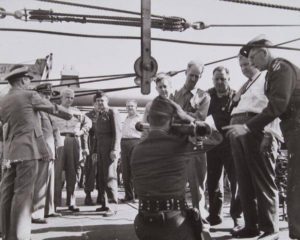
The Bazooka Changes War – Today in History: June 14
On June 14, 1942, the General Electric Company in Bridgeport finished production on the “Launcher, Rocket AT, M-1,” better known as the bazooka.
Read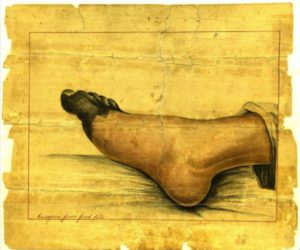
Civil War Soldier Dies of Gangrene – Today in History: July 10
On July 10, 1864, Civil War soldier Curtis Bacon of Simsbury died of gangrene from injuries he suffered in combat nearly two months earlier.
Read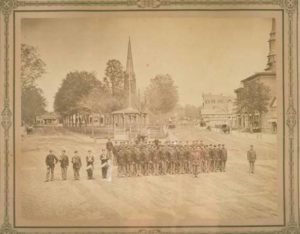
The Civil War Commences: Connecticut’s Involvement in the Civil War
Diaries, letters, and other documents provide firsthand witness to the sacrifices of Connecticut men and women during the years of bloody conflict.
Read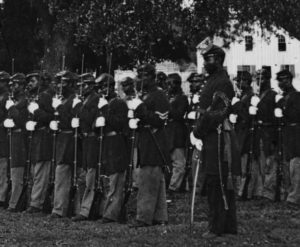
29th Connecticut Colored Infantry Regiment
The state’s first African American regiment of the Civil War distinguished itself by battling Confederate forces and 19th-century prejudices.
Read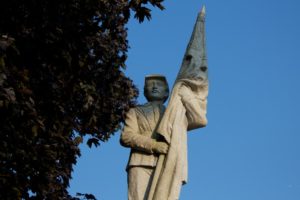
A Special Place to Honor Military Veterans in Plainville
On the corner of Maple and Whiting Streets in Plainville, Connecticut, is a special place where the town honors its war veterans.
Read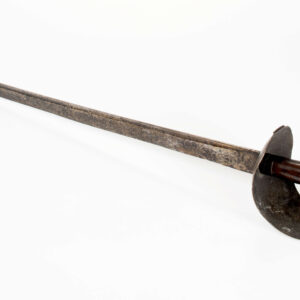
Middletown’s Nathan Starr Supplied Cutlasses for the War of 1812
On May 18, 1808, the Navy Agent Joseph Hull of New London negotiated a contract with Nathan Starr of Middletown for 2,000 cutlasses.
Read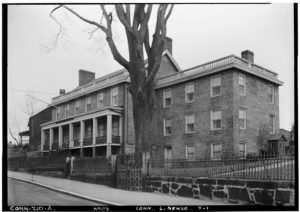
New London’s Sound Defense
The use of privateers to supplement naval forces and wage war on an enemy was established European practice—and one the rebellious North American colonies readily adopted as they faced Britain, one of great military powers at sea, during the Revolutionary War.
Read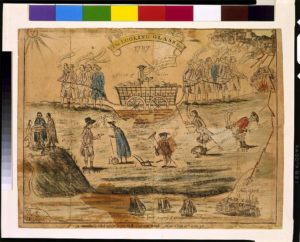
The War Connecticut Hated
For most Connecticans, the War of 1812 was as much a war mounted by the federal government against New England as it was a conflict with Great Britain.
Read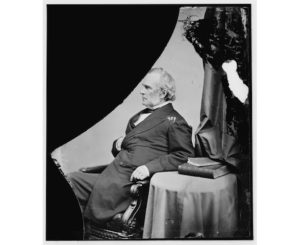
Connecticut’s War Governor, William A. Buckingham
Connecticut governor William Buckingham’s bronze statue at the Connecticut State Capitol honors his guidance of Connecticut through the Civil War.
Read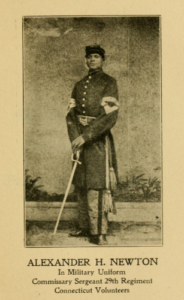
Connecticut 29th Mustered into Service – Today in History: March 8
On March 8, 1864, the state’s first African American regiment, the Connecticut Twenty-Ninth (Colored) Regiment, C.V. Infantry, mustered into service to fight for the Union’s cause in the Civil War.
Read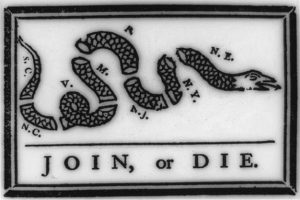
Connecticut in the French and Indian War
Connecticut troops sustained demoralizing losses before a reinvigorated British military turned the tide of the French and Indian War.
Read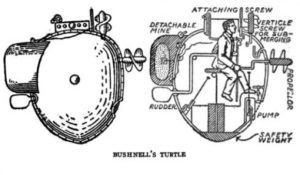
The Turtle Submarine – Today in History: September 6
On September 6, 1776, the first functioning submarine, called the Turtle, attacked the HMS Eagle anchored in New York Harbor.
Read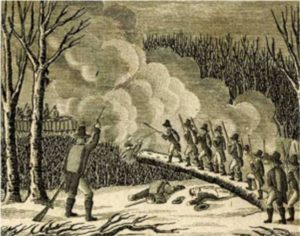
America’s Most Devastating Conflict: King Philip’s War
The ramifications of this bloody conflict echoed across the centuries.
Read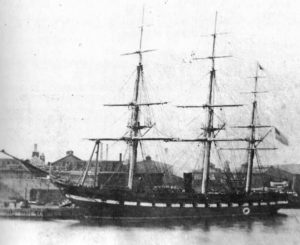
Commemorating the USS Hartford at the Connecticut State Capitol
The Connecticut State Capitol currently houses two important artifacts to commemorate the service of the USS Hartford.
Read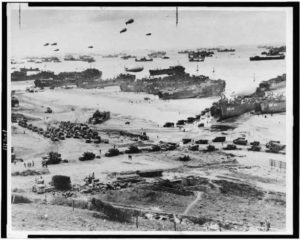
D-Day – Today in History: June 6
On the WWII homefront, night watchmen in Naugatuck’s factories heard the news of D-Day first.
Read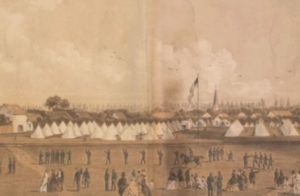
What’s in a Number? Connecticut’s Thirteenth Regiment Goes Off to War
So how lucky was the Thirteenth when it came to surviving combat, disease, and other perils of the Civil War? Read on to find out.
Read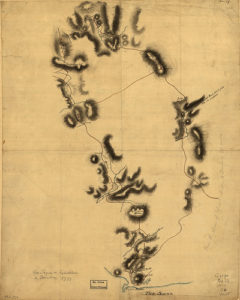
The British Attack Danbury – Today in History: April 25
On April 25, 1777, British forces land at the mouth of the Saugatuck River with plans to attack Danbury.
Read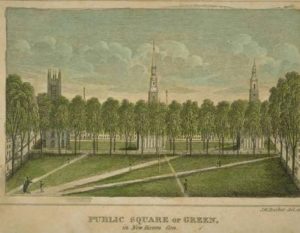
Benedict Arnold Demands the Key – Today in History: April 22
On April 22, 1775, Benedict Arnold demanded the key to New Haven’s powder house.
Read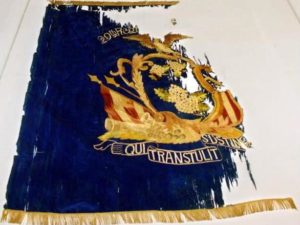
The 29th Connecticut Colored Infantry Regiment Leaves for War – Today in History: March 19
On March 19, 1864, the 29th Connecticut Colored Infantry Regiment was preparing for deployment to the South to fight in the Civil War.
Read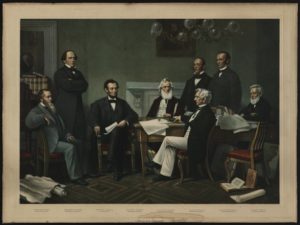
Gideon Welles’s Role in Lincoln’s Cabinet
Earning the trust of Abraham Lincoln, despite reservations from many in Lincoln’s cabinet, Gideon Welles navigated the Union navy through the Civil War. He did this largely through expanding the navy and investing in new technology, such as ironclad ships.
Read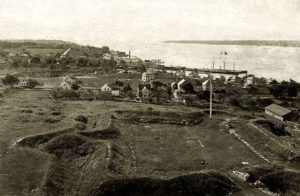
The Battle of Groton Heights at Fort Griswold
East of the Thames River, on Groton Heights, Fort Griswold stands commanding the New London Harbor and the surrounding countryside.
Read
The USS Nautilus: The World’s First Nuclear Submarine
On January 21, 1954, First Lady Mamie Eisenhower launched the world’s first nuclear submarine at the General Dynamics Shipyard in Groton.
Read The 29th Regiment Connecticut Volunteer Infantry Flag and Display
Regimental flags played important symbolic and strategic roles in battle. The State of Connecticut maintains a collection of 110 such flags from the Civil War, among them, the flag of the 29th (Colored) Volunteer Infantry.
Read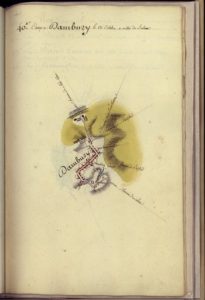
Map – Rochambeau’s Camp at Danbury
This map, “Camp a Danbury le 23 Octobre 11 milles de Salem,” is a page from the manuscript atlas Amérique Campagne 1782.
Read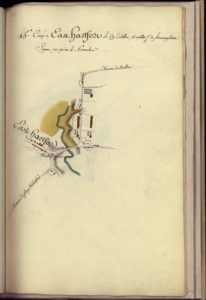
Map – Rochambeau’s Camp at East Hartford
This map, “Camp à East Hartford, le 29 Octobre, 12 milles 1/2 de Farmingtown,” is a page from the manuscript atlas Amérique Campagne 1782.
Read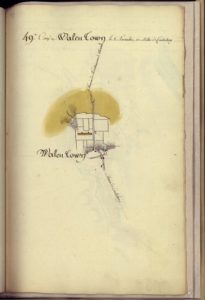
Map – Rochambeau’s Camp at Voluntown
This map, “Camp à Walen-Town, le 8 Novembre, 10 milles de Contorbery,” is a page from the manuscript atlas Amérique Campagne 1782.
Read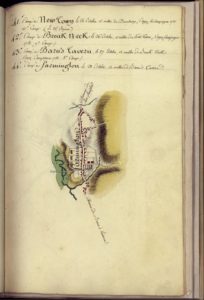
Map – Rochambeau’s Camp at Farmington
This map, “Camp à Farmington le 28 Octobre, 13 milles de Barn’s Tavern,” is a page from the manuscript atlas Amérique Campagne 1782.
Read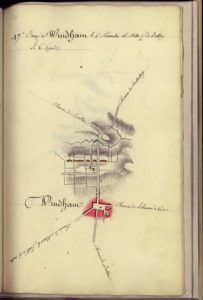
Map – Rochambeau’s Camp at Windham
The manuscript outlines the plans of the camps for Comte de Rochambeau’s army during their return march north from Williamsburg, Virginia, to Boston.
Read
Site Lines: Silas Deane
Despite Deane’s role in securing French supplies and support for the American Revolution, his accomplishments have long been obscured by whispers of treason, a spy’s double-dealing, and his own sudden death.
Read
Causes of the Pequot War
The outbreak of the Pequot War is best understood through an examination of the cultural, political, and economic changes after the arrival of the Dutch (1611) and English (early 1630s).
Read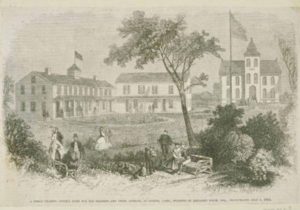
Fitch Soldiers’ Home Closes – Today in History: August 28
On August 28, 1940, Fitch’s Home for Soldiers and their Orphans, also known as Fitch’s Home for Soldiers, in Darien, closed its doors.
ReadMore Articles