




Other CT Humanities Programs

Creative Commons Licensing


Now Viewing:
Architecture

The Wadsworth Estate at Long Hill
By Dr. Kelly Marino Not long after their marriage, Katharine…
Read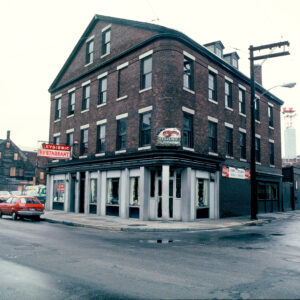
New London’s Hygienic Art Building
Located at the corner of Bank and Golden Streets, the Hygienic structure is an integral part of New London’s architectural history.
Read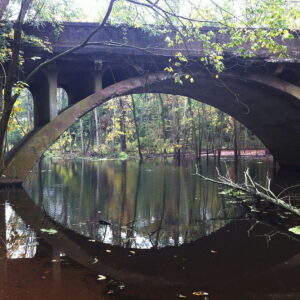
Middletown’s Arrawanna Bridge
Throughout much of the 20th century, the Arrawanna Bridge played a key role in Middletown’s transportation network, carrying traffic from Berlin Street to Newfield Street.
Read
Philip Johnson’s Glass House
Architect Philip Johnson’s Glass House in New Canaan, Connecticut is considered a masterwork of modern American architecture.
Read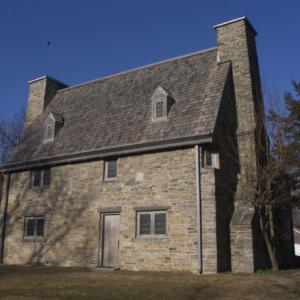
The Henry Whitfield House
The Henry Whitfield House (home to the Henry Whitfield State Museum) is only Connecticut’s oldest house and the oldest stone house in New England.
Read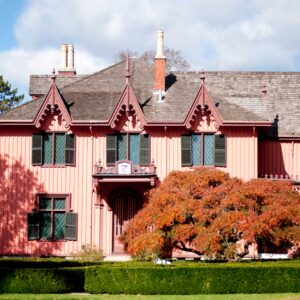
Woodstock’s Roseland Cottage
With its distinctive pink exterior, Roseland Cottage was built in 1846 in Woodstock and is an excellent example of Gothic Revival architecture.
Read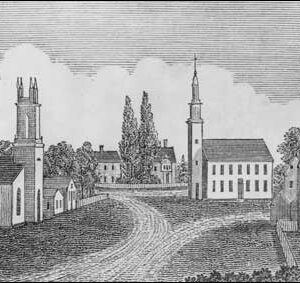
John Warner Barber’s Engravings Chronicle Connecticut History
John Warner Barber chronicled 19th-century Connecticut history through his historical writing and hundreds of engravings—many of which still exist today.
Read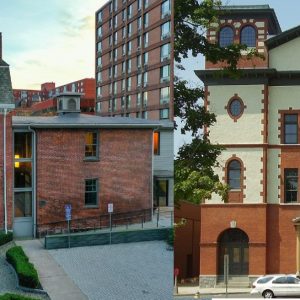
The Amos Bull House and Sterling Opera House: The First Connecticut Listings on the National Register of Historic Places – Who Knew?
The Amos Bull House in Hartford and the Sterling Opera House in Derby are tied for Connecticut’s first listing on the National Register of Historic Places.
Read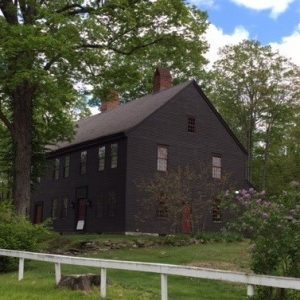
The Welcoming Warmth of Kent’s Seven Hearths
For over 272 years, Kent’s Seven Hearths has lived many lives—from trading post to school to artist’s home to historical society.
Read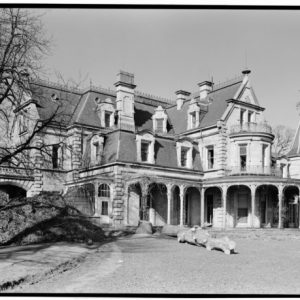
Lockwood-Mathews Mansion Captures the Gilded Age in Norwalk
The Lockwood-Mathews Mansion provides a glimpse into the opulence of the Gilded Age when railroad tycoons built summer homes along the New England shoreline.
Read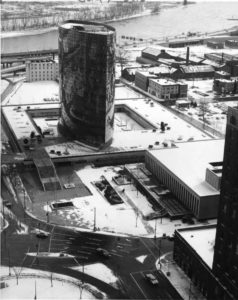
The Phoenix Building, Hartford
The Phoenix Mutual Life Insurance Building is a significant example of the modernist architectural style that was prevalent in urban renewal projects in the 1950s and 1960s.
Read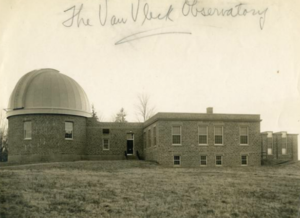
The Van Vleck Observatory: A Reflection of Environmental Conditions
Designers of the Van Vleck Observatory overcame numerous environmental and geographical challenges to help Wesleyan University make an impact on the world’s understanding of the universe.
Read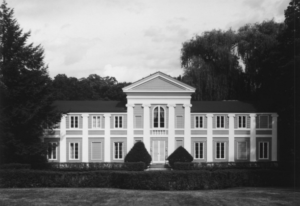
Hartford’s “Façade House”: The Unique Home of Chick Austin
A. Everett “Chick” Austin Jr. and his wife, Helen, designed one of the most unique homes of the 20th century in Hartford.
Read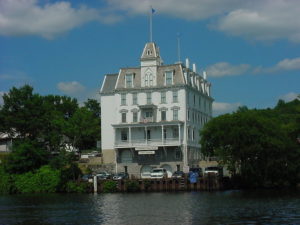
Goodspeed Opera House Opens – Today in History: October 24
On October 24, 1877, the Goodspeed Opera House on the Connecticut River in East Haddam officially opened to the public.
Read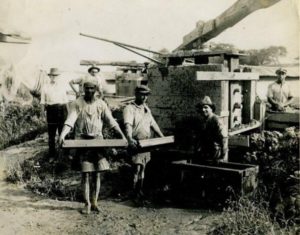
Building a Nation Brick by Brick
Brick making was an important industry in Windsor even in its colonial days.
Read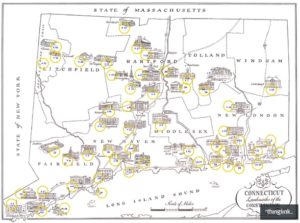
Map – Connecticut Landmarks of the Constitution
A map of some of the Connecticut Landmarks of the Constitution researched and published by the Connecticut Trust for Historic Preservation.
Read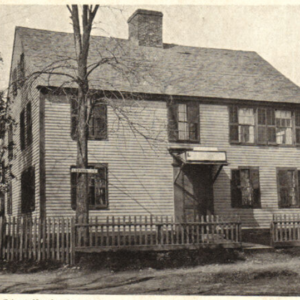
The Ebenezer Avery House – Who Knew?
The Ebenezer Avery House in Groton once served as a hospital for the wounded after the Revolutionary War’s Battle of Groton Heights on September 6, 1781.
Read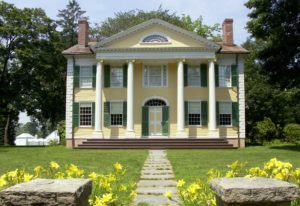
Florence Griswold’s Home: A Story of Perseverance and Community
The Florence Griswold House, once a private residence, also served as a finishing school for girls in the 19th century and the center of the Lyme Art Colony.
Read
The Connecticut Town Green
Considered a quintessential feature of the New England landscape, town greens weren’t always the peaceful, park-like spaces we treasure today.
Read
A Hip Road Trip
Known as “Gasoline Alley” during the 1950s, the Berlin Turnpike boasts a heady visual mix of neon, brand names, logos, and 1960s’ motel Modernism.
Read
Restoring a Unique Piece of Bloomfield History
The Oliver Filley House in Bloomfield, Connecticut, is a two-story farmhouse designed in the Greek Revival style and built in 1834.
Read
The Bryan-Andrew House: Still Standing After All These Years
Believed to be the oldest house in Orange, the Bryan-Andrew House served as a home for a variety of local families for over 250 years.
Read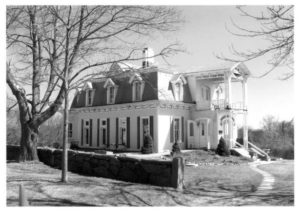
“Gentleman’s Farming” Comes to Waterford
Walnut Grove received a listing on the National Register of Historic Places for its contribution to furthering the understanding of nearly 200 years of history.
Read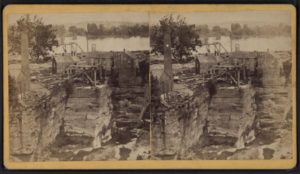
Portland Puts Its Stamp on an Architectural Era
The brownstone quarries in Portland, Connecticut, owe their existence to millions of years of prehistoric sediments accumulating in the Connecticut River.
Read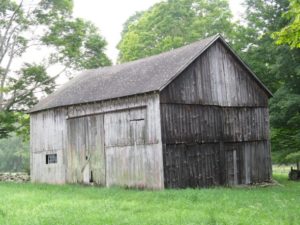
Barn Design in Connecticut
Most barns still on the Northeast landscape are New England-style barns from the 19th century and later.
Read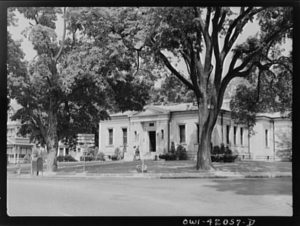
A History of Libraries Speaks Volumes About Southington
While it is not uncommon in the modern era for towns to appropriate funds for operating public libraries, the town of Southington has a unique history with its libraries.
Read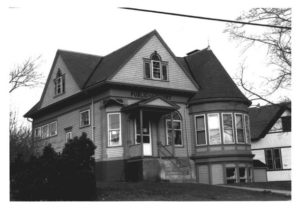
Aldrich Free Public Library: Dedicated to the Dissemination of Knowledge
Residents of the Moosup section of Plainfield organized a free public library “for the promotion and dissemination of useful knowledge” to its local citizenry.
Read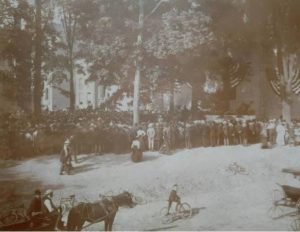
Emily Holcombe Pioneered to Preserve Connecticut’s Colonial Past
Emily Seymour Goodwin Holcombe was an activist and preservationist who took pride in the state’s history, particularly its colonial past.
Read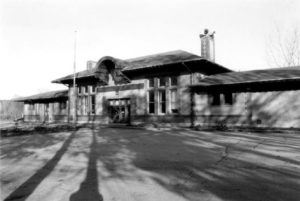
Henry Bacon Helps Beautify Naugatuck
Best known for the Lincoln Memorial, this architect also designed a railroad station, WWI monument, and a bridge for Naugatuck.
Read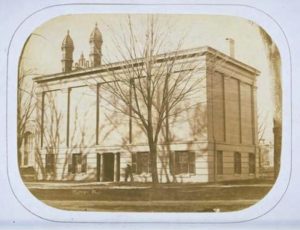
Yale University Art Gallery – Today in History: October 25
Also known as the Picture Gallery, the Trumbull Gallery holds the distinction of being the first art museum at an educational institution in the United States.
Read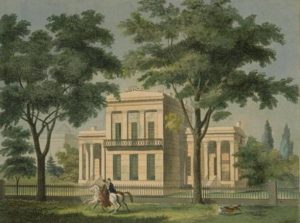
American Architect Ithiel Town Born – Today in History: October 3
On October 3, 1784, prominent American architect and engineer Ithiel Town was born in Thompson.
Read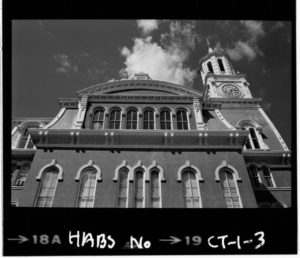
Site Lines: Monuments to Connecticut’s Lost County Government
County government operated in Connecticut in one form or another for nearly 300 years before the state abolished it in 1960.
Read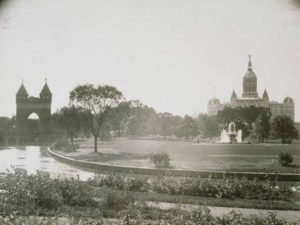
Soldiers and Sailors Memorial Arch – Today in History: September 17
In 1886, the Soldiers and Sailors Memorial Arch was dedicated to honor the 4,000 Hartford residents who served, and the nearly 400 who died, in the Civil War.
Read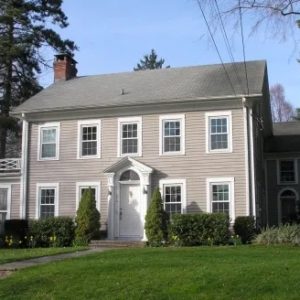
“Washburn Colonials”: Distinguished 1920s Homes Stand the Test of Time
Without formal training, Alice Washburn designed some of Connecticut’s most iconic Colonial Revival buildings of the early 20th century.
Read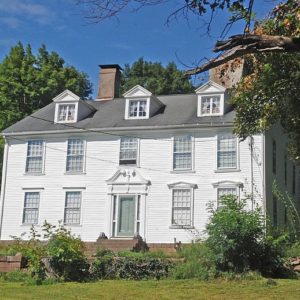
The Seth Wetmore House: A Storied Structure of 18th Century Middletown
Seth Wetmore was a merchant, judge, and deputy to the General Court of Connecticut. His house is one of Middletown’s oldest homes and one of thirty-three in the city listed on the National Register of Historic Places.
Read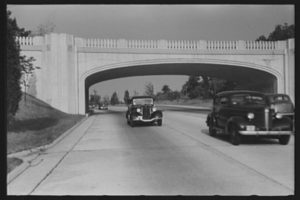
Merritt Parkway Creates Scenic Gateway to New England
This Depression-era road improvement project sought to artfully balance the natural and built environments.
Read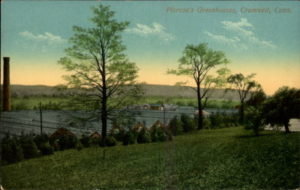
The Rose King of America Transformed Cromwell’s Landscape
Andrew N. Pierson established A.N. Pierson’s, Inc., a small floral nursery in Cromwell that evolved into the largest commercial rose growing enterprise in the country.
Read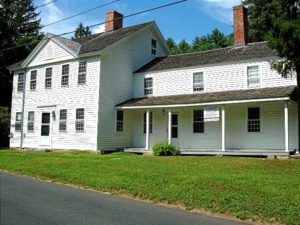
Providing Rest for the Weary in Barkhamsted
Built in the late 18th century, Squire’s Tavern represents over 100 years of adaptive reuse architecture.
Read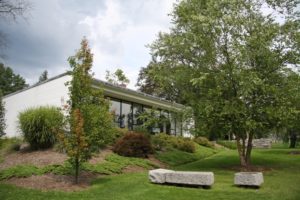
Modernism in Connecticut through Photographs
A creed as much as a style, Modernism rejected the forms of the past in favor of an architecture that reflected a new spirit of living.
Read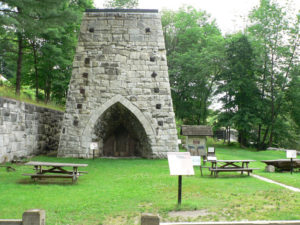
The Beckley Blast Furnace, East Canaan
The Beckley Blast Furnace, also known as East Canaan #2, is located in northwest corner of Connecticut on the Blackberry River.
Read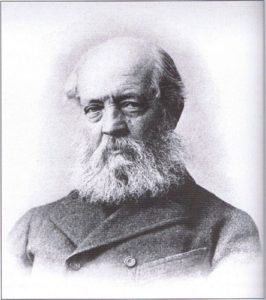
Landscape Architecture Helps in Healing – Who Knew?
Frederick Law Olmsted re-designed the grounds on the campus of the Hartford Retreat for the Insane to help induce healing and serenity.
Read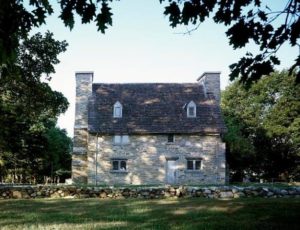
J. Frederick Kelly: Constructing Connecticut’s Architectural History
J. Frederick Kelly was both a well-known architect, preservationist, and architectural historian, whose works chronicled many of Connecticut’s historical properties.
Read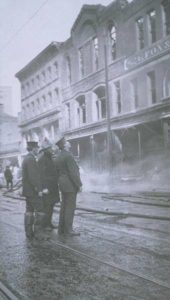
G. Fox & Co. Destroyed by Fire – Today in History: January 29
On January 29, 1917, watchmen discovered a fire on the ground floor of the G. Fox & Co. building complex located on Main Street in Hartford.
Read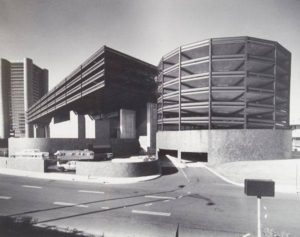
New Haven Coliseum Imploded – Today in History: January 20
On January 20, 2007, the 35-year-old New Haven Veterans Memorial Coliseum met its end as crews imploded the partially dismantled structure.
Read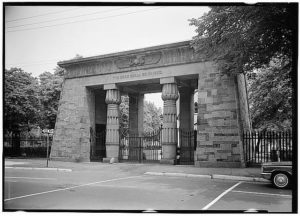
Father of Architects Born – Today in History: December 4
On December 4, 1804, “Father of Architects” Henry Austin was born in the Mt. Carmel section of Hamden, Connecticut.
Read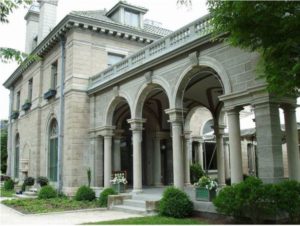
Harkness Memorial Park Offers a Glimpse into Early 20th Century Wealth
With gorgeous views of Long Island Sound, Harkness Memorial Park is a beautifully landscaped recreation area along the shoreline in Waterford, Connecticut.
Read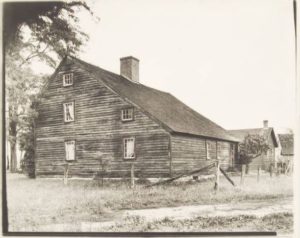
A Connecticut Home That Dates Back to the 1600s!
Dating back to the mid-17th century, the Thomas Lee House in East Lyme, Connecticut, is one of the oldest wood-frame houses in the state.
Read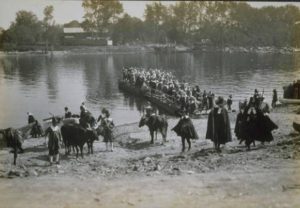
Colonial Revival Movement Sought Stability during Time of Change
The Colonial Revival was national in its scope, but as a state rich in historic resources, Connecticut became inextricably linked with the movement.
Read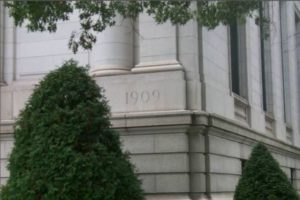
Cornerstone Set – Today in History: May 25
On May 25, 1909, the cornerstone was laid for the new State Library and Supreme Court building in Hartford.
Read
Connecticut’s Capitol Building – Inside and Out
The Connecticut State Capitol was built at a time when Civil War commemoration was gaining popularity.
Read
Metal Homes for the Atomic Age
Once touted as the house “America has been waiting for,” only a few post-WWII Lustron steel houses remain in Connecticut.
Read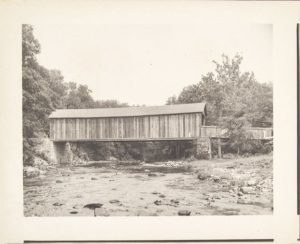
The Comstock Bridge Brings East Hampton Residents Together
Over the Salmon River, the Comstock Bridge served as part of the main road between Colchester and Middletown for much of its existence.
Read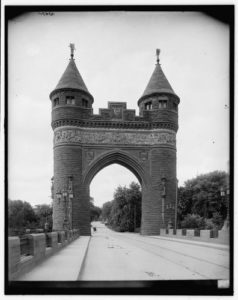
The Soldiers and Sailors Memorial Arch, Hartford
Situated in Bushnell Park, the Soldiers and Sailors Memorial Arch honors the more than 4,000 Hartford men who fought for the Union during the Civil War.
Read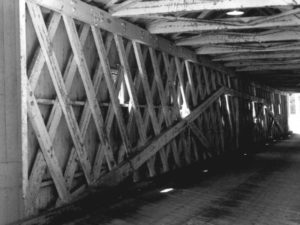
West Cornwall Covered Bridge: An Icon of New England Craftsmanship
The West Cornwall Covered Bridge is listed on the National Register of Historic places and has been a symbol of the area’s rural heritage for almost 150 years.
Read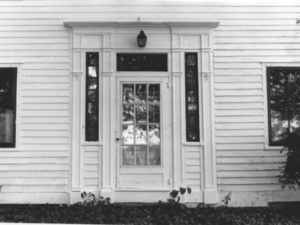
The Prospect Green as a Historical Narrative
In the southeast corner of the intersection of Routes 68 and 69 in Prospect lies the community’s historic town green.
Read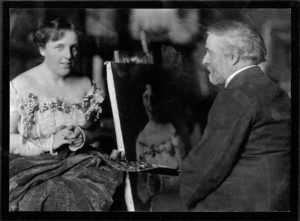
Theodate Pope Riddle: Connecticut’s Pioneering Woman Architect
Despite opposition from a male-dominated profession and a lack of formal training, Theodate Pope Riddle became a pioneering female architect.
Read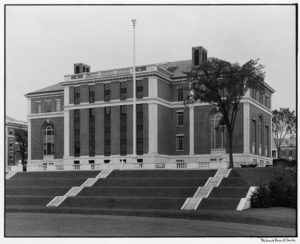
Olin Library and The Debate About Open Space at Wesleyan University
The history of Wesleyan’s library system includes a debate that reveals how values associated with the environment in the early 1900s helped shape the campus’s development.
Read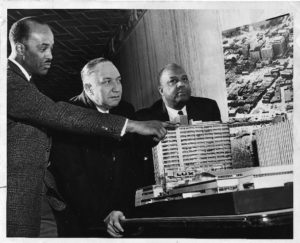
Constitution Plaza Then and Now
Hartford’s first major redevelopment project, Constitution Plaza was built as part of the urban renewal initiatives in the 1950s and ’60s.
Read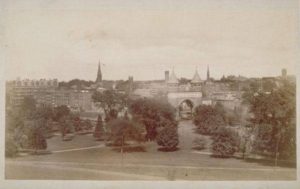
Land Purchase Becomes Bushnell Park – Today in History: January 5
On January 5, 1854, Hartford voters approved spending over $100,000 in public funds for land that would become a municipal park.
Read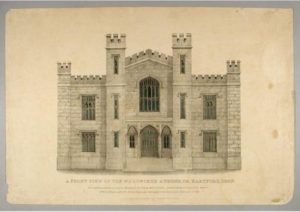
Gothic Connecticut
A museum, former library, and a home are just three notable examples of an architectural style popular in the 1800s.
Read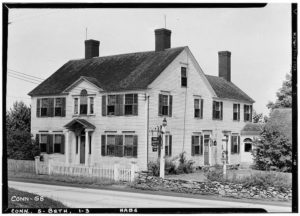
The House That Hoadley Built
The Wheeler-Beecher House (Hoadley House) serves as an outstanding example of Colonial architecture and also of renowned architect David Hoadley’s work.
Read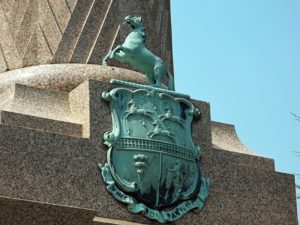
The Colt Memorial, Cedar Hill Cemetery
Commissioned by Samuel Colt’s wife, Elizabeth Jarvis Colt, and James G. Batterson designed the Colt memorial monument in Hartford’s Cedar Hill Cemetery.
Read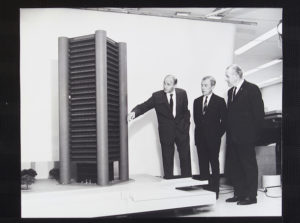
Richard Lee’s Urban Renewal in New Haven
Thanks largely to his efforts at Urban Renewal, New Haven’s Richard C. Lee became one of the most celebrated and well-known mayors of the 20th century.
Read
The Wadsworth Atheneum Museum of Art
Founded in 1842, this ever-evolving institution is the oldest, continuously operating public art museum in the United States.
Read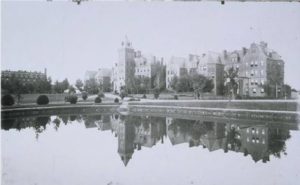
Designed to Heal: The Connecticut General Hospital for the Insane
The design of this state facility in Middletown reflects 19th-century beliefs about the environment’s ability to influence mental health.
Read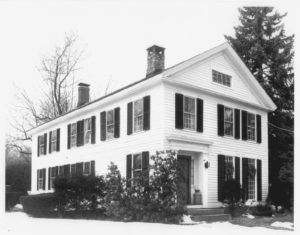
The Frost House Once Offered Travelers a Warm Welcome
The Levi B. Frost House (or the Asa Barnes Tavern) represents over two centuries of Southington history.
Read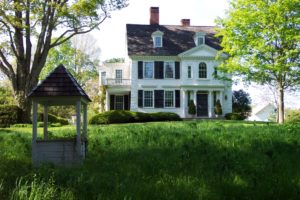
A Better Home and Garden in Bethlehem
The Bellamy-Ferriday House is a three-story, white clapboard house located in the center of Bethlehem, Connecticut.
Read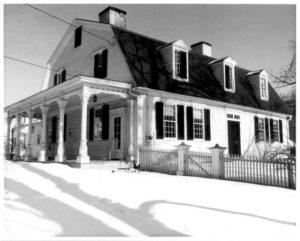
The Darlings Make Preservation a Family Affair
Thomas Darling was an 18th-century merchant, farmer, and politician and a member of the colonial elite.
Read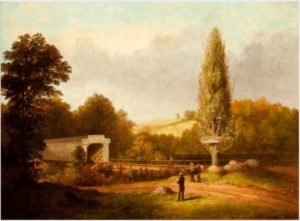
Echoes of the Old World: The Architectural Legacy of Ithiel Town
Ithiel Town was one of the first professional architects in Connecticut and one of the first to introduce the architectural styles of Europe to the United States.
Read Theodate Pope Riddle Dies – Today in History: August 30
On August 30, 1946, Farmington’s Theodate Pope Riddle, one of the nation’s first successful woman architects, died at the age of 79.
Read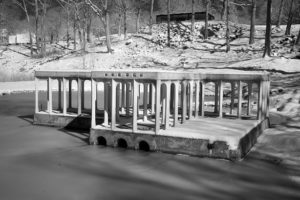
Philip Johnson in His Own Words
In 1985, this famed architect offered a candid take on his life and work, with the stipulation that it not be made public until after his death.
Read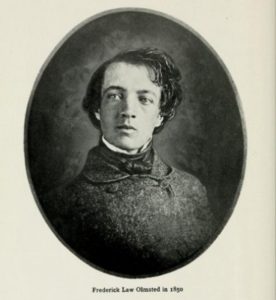
Frederick Law Olmsted Born – Today in History: April 26
On April 26, 1822, Frederick Law Olmsted was born in Hartford and became the founder of landscape architecture in America,
Read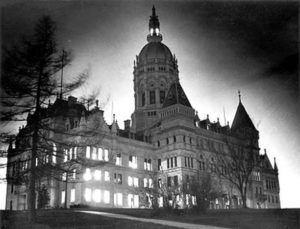
Connecticut State Capitol
Still in use today, the State Capitol continues to be a crucial site of lawmaking, state business, protest, advocacy, and more.
Read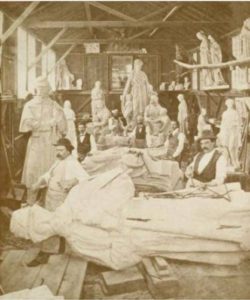
James G. Batterson, Stone Contractor
James G. Batterson was an artist, inventor, and businessman. He helped commemorate the Civil War through his proficiency with stone.
Read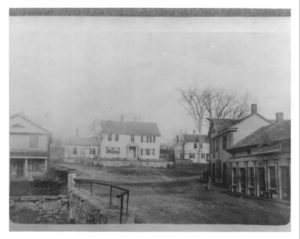
Stepping Back in Time: North Stonington Village Historic District
Listed on the National Register of Historic Places in 1983, the Stonington Village Historic District features buildings, canals, bridges, and machinery that recall life in a typical early 19th-century New England mill village.
Read
Preserving an All-American Downtown in Torrington
Torrington’s unique and historically significant buildings are the foundation on which local businesses and civic leaders built a revitalized economy.
ReadMore Articles