




Other CT Humanities Programs

Creative Commons Licensing


News & Updates
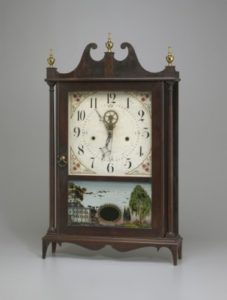
The Life of Chauncey Jerome: An Insider’s Look at What Made Early Bristol Tick
A glimpse at clock making in Connecticut from Chauncey Jerome’s 1860 autobiography
Read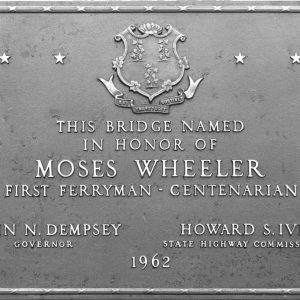
Moses Wheeler: Legendary Housatonic Ferryman
Moses Wheeler carried passengers across the Housatonic River as the operator of the first ferry from Stratford to Milford—over 350 years ago.
Read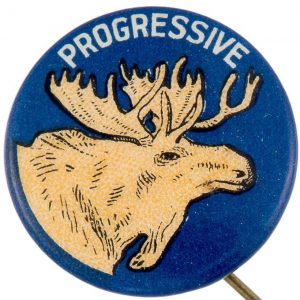
The Bull Moose Party in Connecticut
Connecticut expressed a brief interest in Theodore Roosevelt’s third-party, the “Bull Moose Party,” but the loss of the 1912 election proved career-ending for many candidates.
Read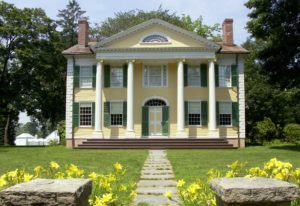
Florence Griswold’s Home: A Story of Perseverance and Community
The Florence Griswold House, once a private residence, also served as a finishing school for girls in the 19th century and the center of the Lyme Art Colony.
Read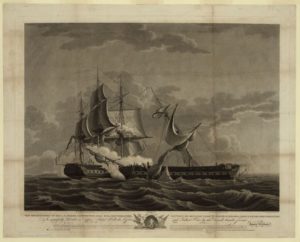
Fame and Infamy for the Hulls of Derby
Two Connecticut men, uncle and nephew, had starring roles—one in defeat and one in victory—during the War of 1812.
Read
Ashford’s Glass from the Past
In 1857, 13 stockholders invested $18,000 to form the Westford Glass Company—Ashford’s largest and most famous business enterprise.
Read
Alain and May White Memorial Boulder
Words of thanks on a stone marker in Litchfield highlight contributions of a brother and sister to land preservation.
Read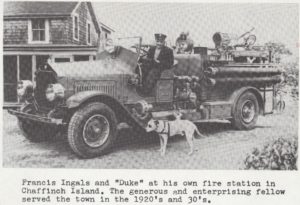
Guilford’s One-Man Fire Department
In the early decades of the 20th century, the town of Guilford had a fire department stationed on Chaffinch Island that consisted of just one man, Francis Ingals.
Read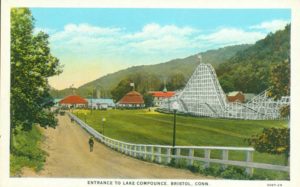
Lake Compounce: Bringing Amusements to the State’s Residents Since 1846
Bristol’s Lake Compounce is the oldest continually operating amusement park in the US and has been open every summer since 1846.
Read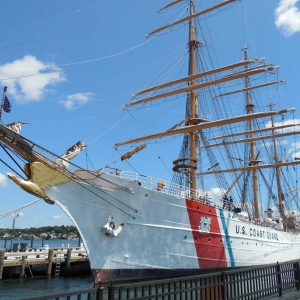
Maritime History: The Founding of the United States Coast Guard Academy
Connecticut has been home to the United States Coast Guard Academy since the early 1900s.
Read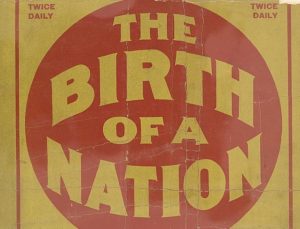
Hartford’s Challenge to “The Birth of a Nation”
D. W. Griffith’s silent movie, the racially charged “Birth of a Nation,” initially played to large audiences in Hartford before meeting with official resistance after World War I.
Read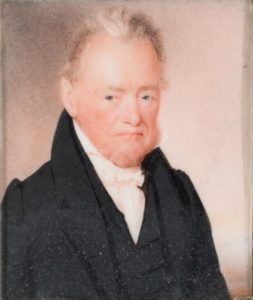
Anson Dickinson: Milton’s Painter of Portrait Miniatures
In the 1800s, watercolor portraits painted on small pieces of ivory were in vogue and miniaturists like Dickinson found a ready market for their craft.
Read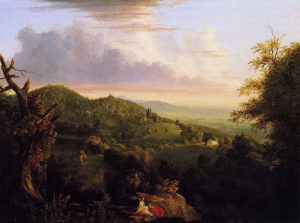
Talcott Mountain: A View of Early New England
The Talcott Mountain range lies in the northeastern section of Avon and is arguably the town’s most prominent geographic feature.
Read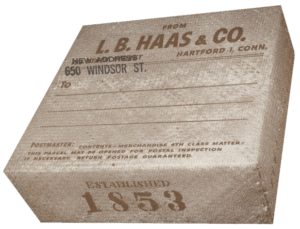
Cash Crop: L.B. Haas & Co. and the History of Tobacco in Connecticut
Louis B. Haas was a Dutch immigrant who opened a retail cigar store, Essman & Haas, on Central Row in Hartford in the late 1840s.
Read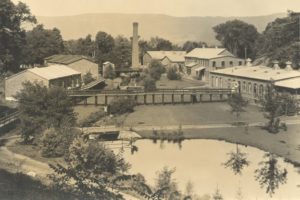
The Steady Evolution of a Connecticut Family Business
Simsbury and Avon’s fuse-making helped build America’s railroads, mine her natural resources, expand the Panama Canal, and even blow up tree stumps in local farm fields.
Read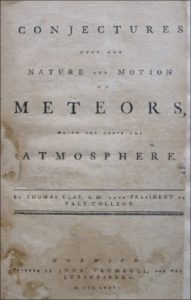
America’s First Planetarium – Who knew?
In 1744 Thomas Clap, Rector and Yale College president for 26 years (1740-1766), constructed the first orrery, or planetarium, in the American colonies.
Read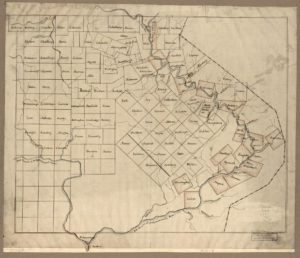
The Susquehanna Settlers
In 1753, Connecticut settlers formed the Susquehanna Company for the purposes of developing the Wyoming Valley in northeastern Pennsylvania.
Read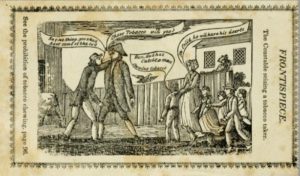
The Long, Ambiguous History of Connecticut’s Blue Laws
Connecticut’s blue laws are a series of laws based on puritan values that restrict or ban certain “morally questionable” activities on days of worship or rest.
Read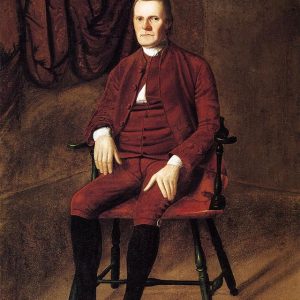
Roger Sherman Dies – Today in History: July 23
On July 23, 1793, Roger Sherman—a Connecticut merchant, lawyer, and statesman—died in New Haven.
Read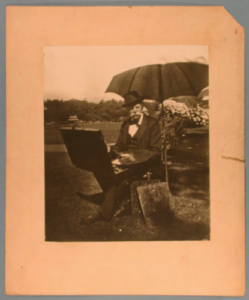
A Photographer with a Painter’s Eye: The Story of Nelson Augustus Moore
Kensington-born Moore took “on the spot” photographs that documented life and events during the 1850s and 1860s.
Read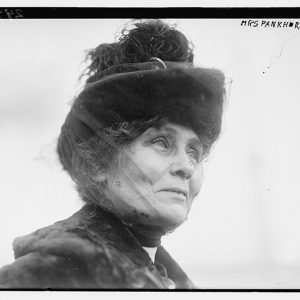
Emmeline Pankhurst’s “Freedom or Death” Speech Energizes Connecticut Women in 1913
In 1913, a famous British suffragist, Emmeline Pankhurst, gave a powerful and memorable speech on the steps of the Parsons Theater in Hartford.
Read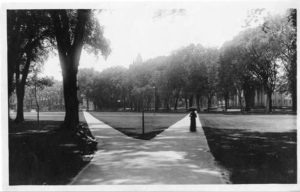
The Connecticut Town Green
Considered a quintessential feature of the New England landscape, town greens weren’t always the peaceful, park-like spaces we treasure today.
Read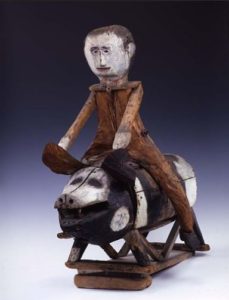
Killingworth’s Automated Attraction – Who Knew?
In the 1890s Clark Coe created an attraction of life-sized moving figures called the Killingworth Images on his farm on Green Hill Road.
Read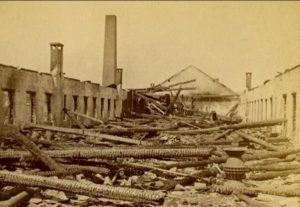
Up from the Ashes: Fire at the Meriden Britannia Company – Today in History: July 16
A manufacturer of silver-plated ware rebounds from the worst fire ever to occur in Meriden.
Read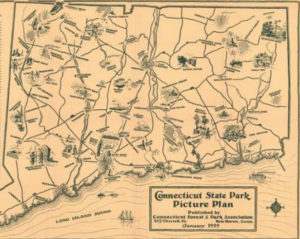
Preserving Connecticut’s Natural Beauty: Connecticut’s First State Parks
Sherwood Island, Mount Tom, Macedonia Brook, and Kent Falls are among the earliest lands set aside as the parks movement took hold in the state.
Read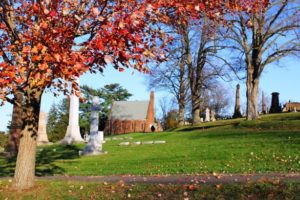
Indian Hill Cemetery and the Landscaping of Burial Grounds in the Mid-19th Century
The landscaping of Indian Hill Cemetery speaks to 19th-century reactions to industrialization and urbanization and the search for peaceful natural environments.
Read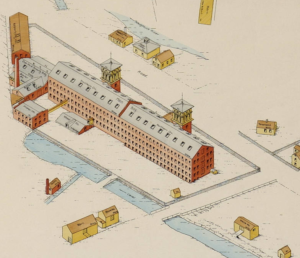
Weaving the Cultural Fabric of Beacon Falls
The textile mills of the Naugatuck Valley brought tremendous change to towns like Beacon Falls.
Read
Brass City/Grass Roots: The Persistence of Farming in Waterbury, Connecticut
This article is part of the digital exhibit “Brass City/Grass Roots: The Persistence of Farming in Waterbury, Connecticut”
Read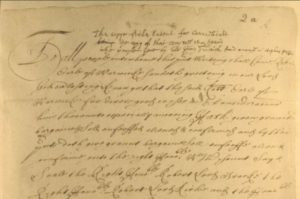
The Charter of 1662
The Connecticut Charter, which provided the basis for Connecticut government until 1818, was secured because of Connecticut’s realization after the restoration of Charles II to the English throne in 1660 that the government of the colony lacked any legal foundation.
Read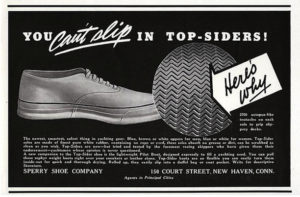
Boat Shoes Have Ties to Connecticut – Who Knew?
During the 1935 winter, Paul Sperry watched his dog run across ice and snow without slipping and got inspired to create a shoe that would help human traction.
Read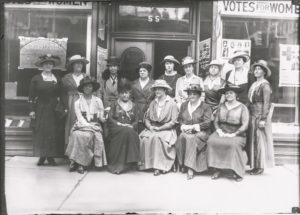
Rosamond Danielson: Windham County Suffragist and Community Leader
Rosamond Danielson was a respected suffragist, World War I worker, and philanthropist from Putnam Heights.
Read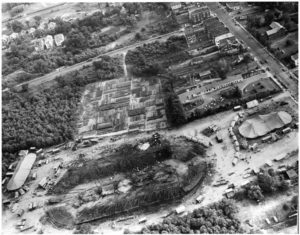
Hartford Circus Fire: “The Tent’s on Fire!” – Who Knew?
The Hartford Circus Fire on July 6, 1944, may be the worst human-caused disaster ever to have taken place in Connecticut.
Read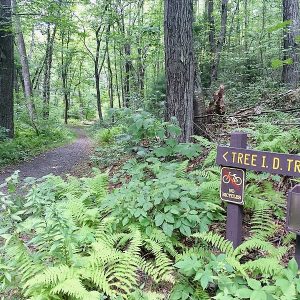
Saving Sessions Woods
After decades as historic family property and summer camp, Sessions Woods became a park after local residents organized to save it from private developers.
Read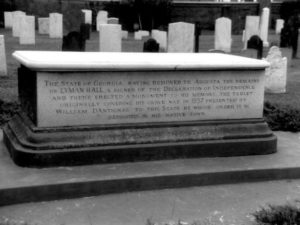
Wallingford Native Son Signed the Declaration of Independence
Lyman Hall served in the Second Continental Congress and signed the Declaration of Independence.
Read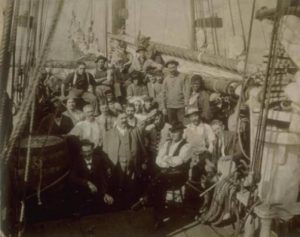
The Rise and Fall of Sealing in Early New London Industry
New London owed much of its early prosperity to the success of its whaling fleet: it was once the third-largest whaling port in the world.
Read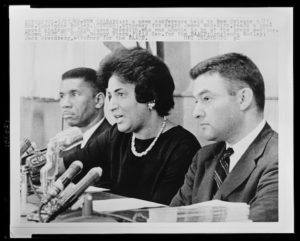
Constance Baker Motley: A Warrior for Justice
New Haven lawyer Constance Baker Motley became famous for arguing some of the most important cases of the civil rights movement.
Read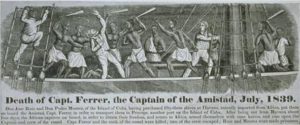
The Amistad
After enslaved people revolted and took control of the Amistad in 1839, Americans captured the ship off Long Island and imprisoned the enslaved in New Haven.
Read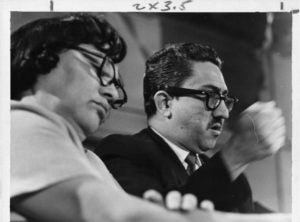
Maria Colón Sánchez, State Representative and Community Advocate
The first Latina elected to the Connecticut General Assembly started as a grassroots activist for Hartford’s Puerto Rican community.
Read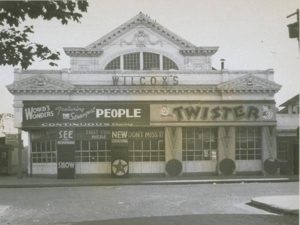
Connecticut’s Youngest City – Who Knew?
The city of West Haven, incorporated in 1961, is Connecticut’s youngest city but one of the state’s oldest settlements.
Read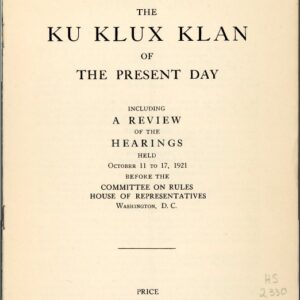
The Ku Klux Klan in Connecticut
The white supremacist organization, the KKK, first organized in Connecticut during the 1920s, promoting themselves as part of the nativist movement.
Read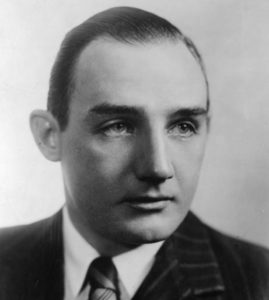
Joseph Alsop: Cunning Political Columnist of Mid-Century America
Joseph Wright Alsop was one of the country’s most well-known political journalists of the 20th century and was drawn into some of the most influential power circles in the world.
Read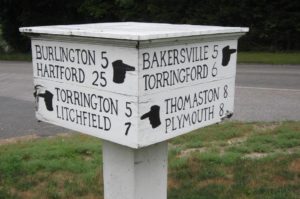
Harwinton’s Sign has a Long History – Who Knew?
A sign has stood at the intersection of Route 4 and South Road in Harwinton for over 200 years.
Read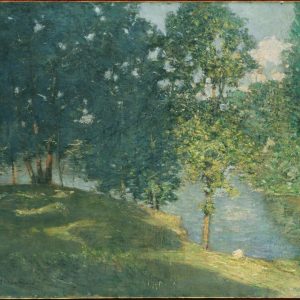
Julian Alden Weir: The “Heart” of American Impressionism
From Windham to Branchville, peaceful Connecticut locales provided Julian Alden Weir the inspiration to create hundreds of paintings and become one of America’s leading Impressionists.
Read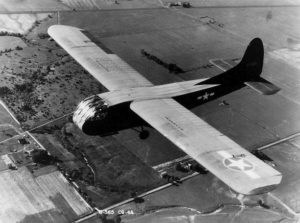
Daring World War II Escape of a Bethany Soldier
A member of the glider service, Rollin Booth Fowler crash landed in Normandy during World War II and was captured, only to execute a daring and dramatic escape.
Read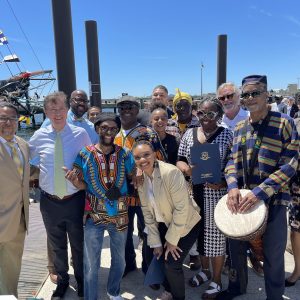
Connecticut’s First Known Juneteenth Celebration in Norwich – Who Knew?
In 1989, the Norwich Branch of the NAACP organized the first official Juneteenth celebration in Connecticut—several other towns followed suit in subsequent years and decades.
Read
WDRC AM/FM – Connecticut’s Oldest Commercial Radio Station
WDRC is the oldest continuously operated commercial radio station in Connecticut that uses both AM and FM transmissions.
Read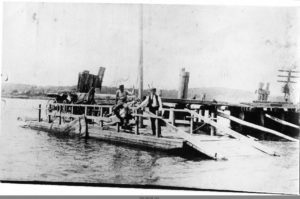
Ferry Boats a Way of Life in Early Connecticut
From the 1600s on, Connecticut’s long coastline and river systems made ferry crossings a routine but sometime dangerous fact of life.
Read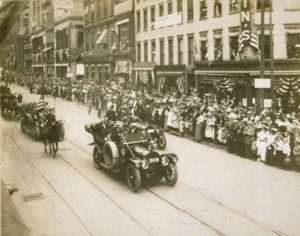
Oldest Cavalry Unit – Who Knew?
The First Company Governor’s Horse Guards is the oldest, continuously active, mounted cavalry unit in the United States.
Read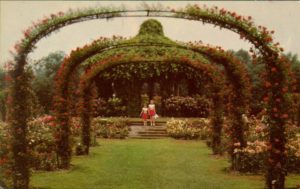
Oldest Rose Garden – Who Knew?
The Elizabeth Park Rose Garden in Hartford is the oldest municipally operated rose garden in the country.
Read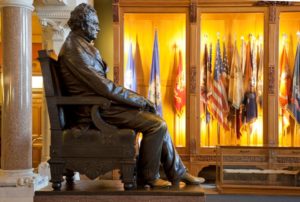
Collections: Battle Flags
“Keep them, keep them, as long as there is a thread left,” said one soldier of the regimental flag for the 6th Connecticut Volunteer Infantry.
ReadMore Articles