




Other CT Humanities Programs

Creative Commons Licensing


News & Updates



The American Robin: The Connecticut State Bird
By Misa Giroux If you look out your window, there…
Read
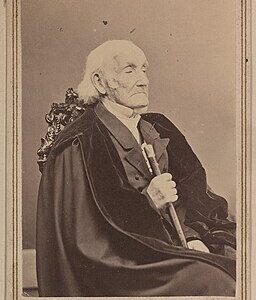
Rev. Daniel Waldo (1762-1864) A Last Man of the Revolution
by Robert J. Weiner Jr. With a life span of nearly 102 years that began before the American…
Read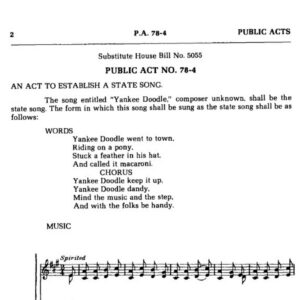
“Yankee Doodle”: The Connecticut State Song
The state song of Connecticut, “Yankee Doodle,” is well known…
Read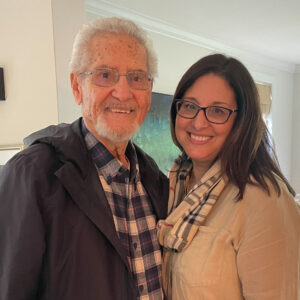
Willie Matos: Capitán of the Bridgeport Young Lords
By Amanda Rivera Wilfredo “Willie” Matos led a long life as…
Read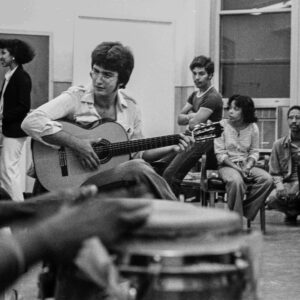
Despierta Boricua: Yale University’s First Puerto Rican Organization
By Amanda Rivera Did you know that one of the…
Read
The Wadsworth Estate at Long Hill
By Dr. Kelly Marino Not long after their marriage, Katharine…
Read
The Bush Family in Connecticut Politics
By Thomas J. Balcerski Connecticut is the birthplace of only one president—George W. Bush on…
Read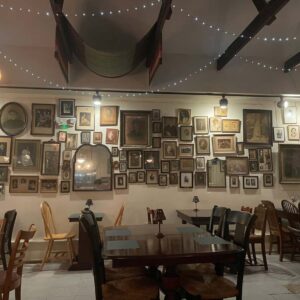
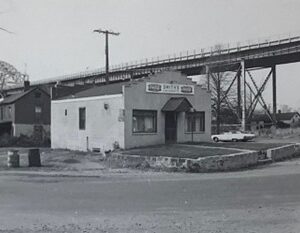
“Under the Bridge”: Urban Renewal in Portland, Connecticut
By Susan Bransfield During the 1960s and 70s, urban renewal was…
Read
Connecticut’s Environmental History and its Lessons for Today
Connecticut’s history is etched into its landscape: from millennia of…
Read
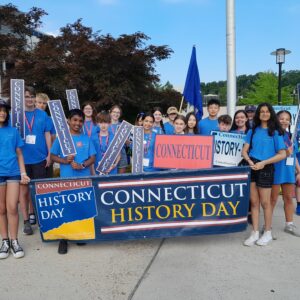
Connecticut History Day 2026: Revolution, Reaction, Reform in History
Connecticut’s people have taken on responsibilities to establish state and national rights through the courts, protests, and everyday acts.
Read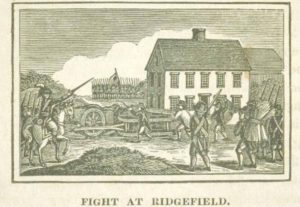
The Battle of Ridgefield, 1777
Taking place in April 1777, the Battle of Ridgefield was part of a larger British expedition to destroy Continental supplies in Danbury.
Read
Lewis Sprague Mills and The Story of Connecticut
Lewis Sprague Mills wrote The Story of Connecticut for the state’s students, but today it can be considered a historical document itself.
Read
Connecticut’s Constitution of 1965
The Constitution of 1965 transformed Connecticut’s representation model by replacing equal town allotments with a system based on population.
Read
Marquis de Lafayette’s 1824 Tour of Connecticut
Almost five decades after the United States declared independence, Congress extended an official invitation to Marquis de Lafayette to tour the country as “The Nation’s Guest.”
Read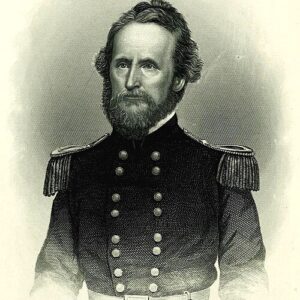
Nathaniel Lyon: First US General to Die During the Civil War
Eastford’s General Nathaniel Lyon became nationally famous as the first US general killed during the Civil War.
Read
M. Jodi Rell: Connecticut’s 87th Governor
As the second female governor of Connecticut, Jodi Rell faced struggles but helped the state stabilize after controversy and corruption.
Read
Connecticut State Seal and Arms
Connecticut has both an official state seal and state coat of arms that both include the state motto, “Qui Transtulit Sustinet.”
Read
Charles W. Morgan: New England’s Last Surviving Wooden Whaling Ship
As the last surviving wooden whaling ship of New England, the Morgan is representative of a typical 19th-century whaling vessel.
Read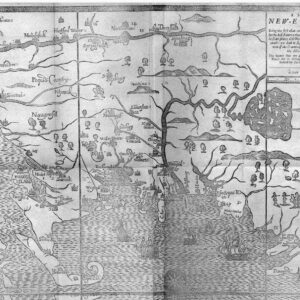
Edward Hopkins: Connecticut’s 2nd Governor
Edward Hopkins (1600–1657) was an influential figure in the early history of the Connecticut Colony, serving multiple terms as colonial governor.
Read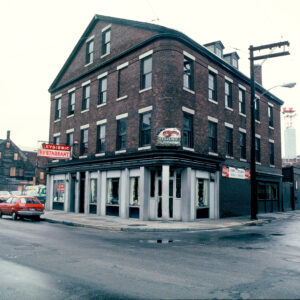
New London’s Hygienic Art Building
Located at the corner of Bank and Golden Streets, the Hygienic structure is an integral part of New London’s architectural history.
Read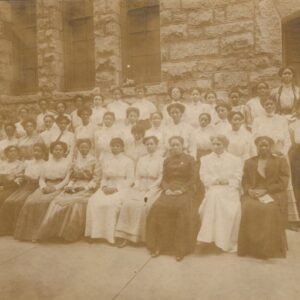
Martha Minerva Franklin: Breaking Barriers for Black Nurses
An activist for Black nurses in the early 20th century, Martha Minerva Franklin worked to end discrimination and secure equal rights for her profession.
Read
“Legalized Piracy”: Connecticut’s Revolutionary War Privateers
American colonists employed privateers as part of the military effort against the British during the American Revolution.
Read
The Explosion of the Redding Baptist Meeting House
The explosion of Redding’s Baptist Meeting House provides a glimpse of the various arguments and conflicts about slavery swirling in one community before the Civil War.
Read
Larry Kramer: Gay Rights and HIV/AIDS Activism
Larry Kramer’s impactful literature and advocacy endeavors altered negative national perceptions to significantly improve AIDS health policies.
Read
Ethel Collins Dunham: Pioneer in Pediatrics
A student and professor of medicine, Dr. Ethel Collins Dunham devoted her life to ensuring the care of children throughout the early and mid-20th century.
Read
Middletown’s Arrawanna Bridge
Throughout much of the 20th century, the Arrawanna Bridge played a key role in Middletown’s transportation network, carrying traffic from Berlin Street to Newfield Street.
Read
Jonathan Trumbull’s Lebanon War Office: The “Pentagon of the Revolution”
Jonathan Trumbull’s War Office in Lebanon functioned as headquarters for Connecticut’s Council of Safety from 1775 to 1783.
Read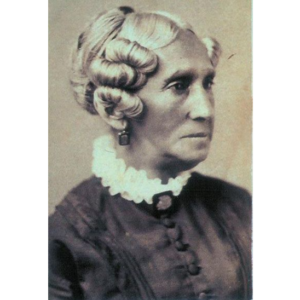
Sarah Harris Fayerweather
Sarah Harris Fayerweather was a Black activist and abolitionist who fought for school integration in the early 19th century.
Read
Philip Johnson’s Glass House
Architect Philip Johnson’s Glass House in New Canaan, Connecticut is considered a masterwork of modern American architecture.
Read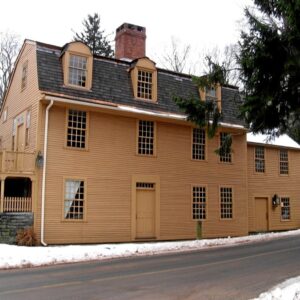
Thankful Arnold’s House
The Thankful Arnold House helps visitors explore the lives of women under the constraints of English Common Law during the early 19th century.
Read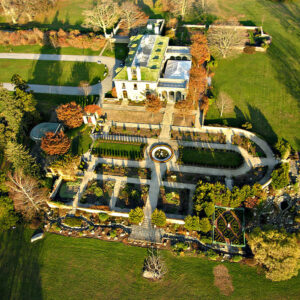
Battle of Goshen Point
The Battle of Goshen Point proved an important victory for America’s small gunboat fleet over a larger and more powerful British force.
Read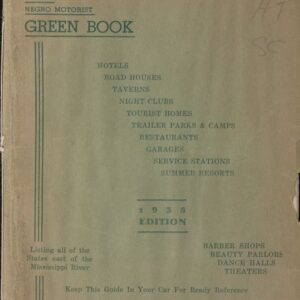
Navigating Connecticut Safely: The Green Book’s Role in African American Travel
In the mid-20th century, during the era of Jim Crow, the Green Book helped African American travelers find safe restaurants, hotels, gas stations, and other businesses while on the road.
Read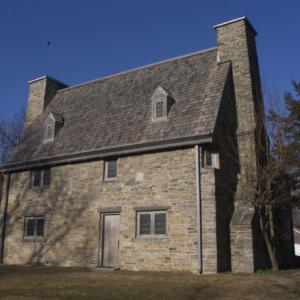
The Henry Whitfield House
The Henry Whitfield House (home to the Henry Whitfield State Museum) is only Connecticut’s oldest house and the oldest stone house in New England.
Read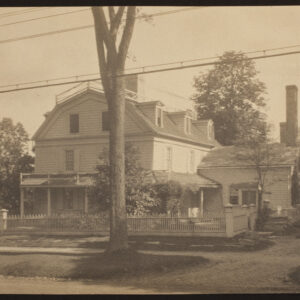
Ridgefield’s Keeler Tavern
Keeler’s tavern had only served travelers and locals before Ridgefield played host to the only inland battle fought in Connecticut during the Revolutionary War.
Read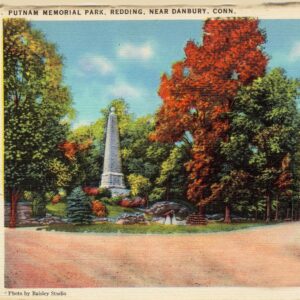
Connecticut’s Valley Forge: The Redding Encampment and Putnam Memorial State Park
As the 1778-79 winter quarters for a division of the Continental army, Putnam Memorial State Park is sometimes referred to as “Connecticut’s Valley Forge.”
Read
New England Society for Psychic Research: Connecticut Paranormal Investigators Leave Legacy of the Occult
A fascination with haunted houses, spirits, and demonology led Ed and Lorraine Warren to establish the New England Society for Psychic Research (NESPR) in 1952.
Read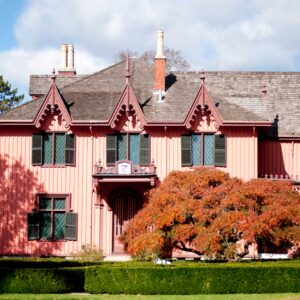
Woodstock’s Roseland Cottage
With its distinctive pink exterior, Roseland Cottage was built in 1846 in Woodstock and is an excellent example of Gothic Revival architecture.
Read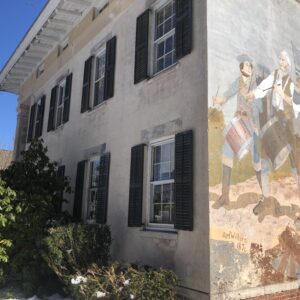
The Orrin Freeman House and the Spirit of ‘76
How did Higganum’s Orrin Freeman House end up with a large American Revolution-themed mural, the Spirit of ’76, on its side?
Read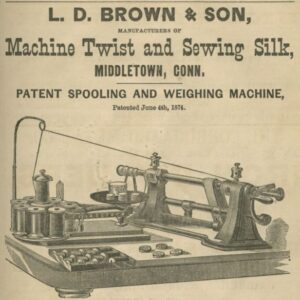
L.D. Brown and Son Silk Mill: A Staple in Middletown’s South Farms District
With established factories in Mansfield and Middletown, Lewis Dunham Brown and his son, Henry Lewis Brown, were pioneers in the US silk industry.
Read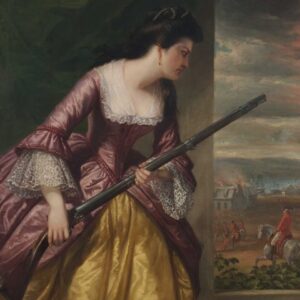
Abigail Hinman: Heroine of the American Revolution or Legend?
Allegedly defending her house during the American Revolution in 1781, New London resident Abigail Hinman made a name for herself as a patriot legend.
Read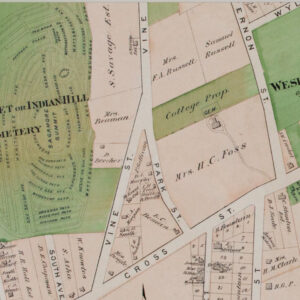
Middletown’s Beman Triangle: A Testament to Black Freedom and Resilience
One of the earliest and most politically active free Black neighborhoods in Connecticut emerged in Middletown in the late 1820s, the Beman Triangle.
Read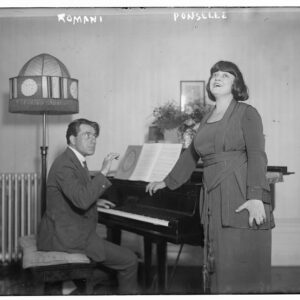
Rosa Ponselle: Meriden’s Famous Musical Daughter
Rosa Ponselle etched her name in history as the first American-born and American-trained singer to star with the Metropolitan Opera Company.
Read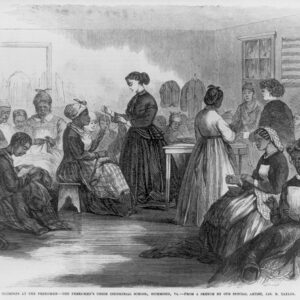
Hebron’s Josephine Sophia (White) Griffing and a Vision for Post-Emancipation America
From before emancipation and the 13th Amendment, Josephine Sophie White Griffing of Hebron, Connecticut, was an ardent advocate for enslaved and free people.
Read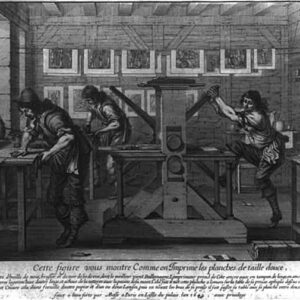
Thomas Short – Connecticut’s First Official Printer
Thomas Short became the Connecticut Colony’s first official printer in 1708, printing the laws and proclamations for the colonial legislature as well as the colony’s first book.
Read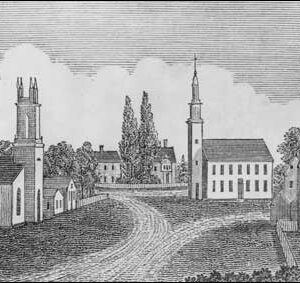
John Warner Barber’s Engravings Chronicle Connecticut History
John Warner Barber chronicled 19th-century Connecticut history through his historical writing and hundreds of engravings—many of which still exist today.
ReadMore Articles