



Other CT Humanities Programs

Creative Commons Licensing


Now Viewing:
Derby
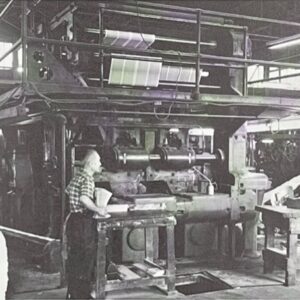
Charlton Publications: Song Lyric Printing Business to Major Player in the Comic Book Industry
By the late 1950s, Charlton Publications was home to some of the most accomplished artists and writers in the comic book industry.
Read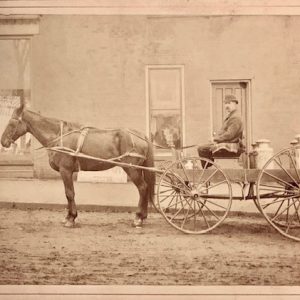
Derby’s Osbornedale Farms, Frances Kellogg, and the Dairy Industry
A family legacy developed by Frances Kellogg, Derby’s Osbornedale Farms stands out for its impact on the Holstein-Friesian breed and contributions to the dairy industry.
Read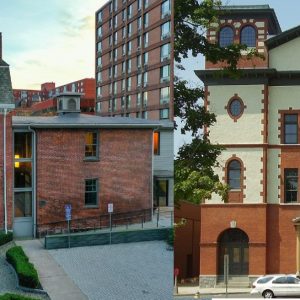
The Amos Bull House and Sterling Opera House: The First Connecticut Listings on the National Register of Historic Places – Who Knew?
The Amos Bull House in Hartford and the Sterling Opera House in Derby are tied for Connecticut’s first listing on the National Register of Historic Places.
Read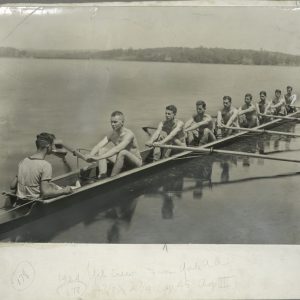
Derby Day on the Housatonic
A rowing event on Lake Housatonic, “Derby Day,” was so popular among Yale students that it drew upwards of thirty to fifty thousand spectators.
Read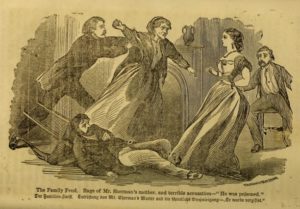
Lydia Sherman: The Derby Poisoner
Lydia Sherman confessed to killing three husbands and four children, but it is believed that the total number of her victims may be much higher.
Read
Connecticut Pin Makers
For the latter half of the 19th century and for much of the 20th century, Connecticut led the nation in pin production.
Read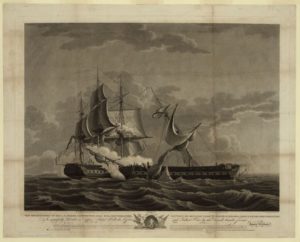
Fame and Infamy for the Hulls of Derby
Two Connecticut men, uncle and nephew, had starring roles—one in defeat and one in victory—during the War of 1812.
Read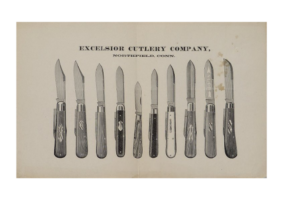
Connecticut Pocketknife Firms
Connecticut pocketknife production began around 1840. Over the next two decades, Connecticut became the earliest state to have a burgeoning craft.
Read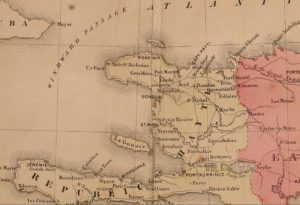
Ebenezer Bassett’s Historic Journey
Ebenezer Bassett, an educator, activist, and associate of Frederick Douglass, served the US as its first African American ambassador.
Read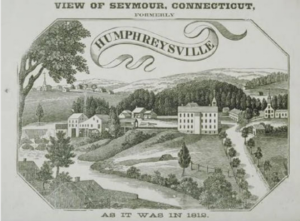
Seymour was Chusetown – Who Knew?
The town of Seymour was originally named Chuseville, before taking the name Humphreysville (after David Humphreys). It incorporated as Seymour in 1850.
Read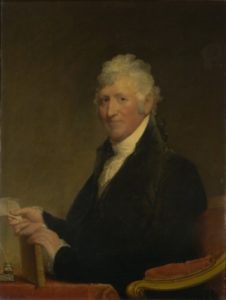
David Humphreys, Soldier, Statesman, and Agricultural Innovator
Despite an accomplished political career, this Derby-born gentleman of means is best remembered for introducing Merino sheep to North America.
Read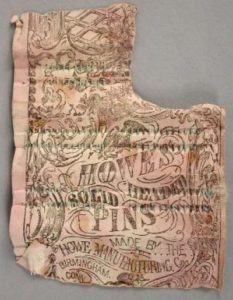
John Howe Makes a Better Pin – Today in History: June 22
On June 22, 1832, John Ireland Howe (from Ridgefield, Connecticut) invented the first practical machine for manufacturing pins.
Read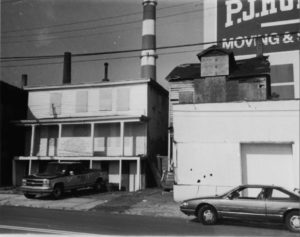
Mary and Eliza Freeman Houses
The Mary and Eliza Freeman houses are the only remnants of “Little Liberia,” a settlement of free African Americans in Bridgeport that began in 1831.
Read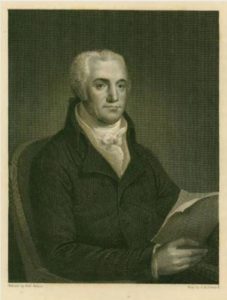
The Hartford Wits
Eventually taking the name the “Hartford Wits,” influential figures of the 18th century got together to write poetry that documented the state of the times.
Read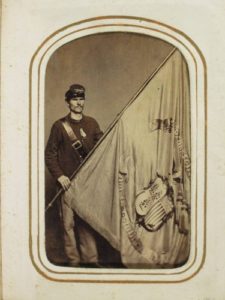
Disaster at Cold Harbor: Connecticut’s Second Volunteer Heavy Artillery Regiment
For many veterans of the Second, the assault at Cold Harbor would be the most terrible memory of their Civil War careers.
ReadMore Articles