



By Khalil Quotap
When you think of Connecticut, pizza, old houses, history museums, and miles of shoreline are probably part of that picture. But there’s more to the state than history lessons and old architecture. From Wiffle balls to PEZ, comic books to the “People’s Elbow,” Connecticut has quietly had a hand in shaping pop culture across the country, and in some cases, the world.
So, what sets our state apart, and why has it made such an impact? It’s partly because of where we are and partly because of who we’ve always been: a mix of inventors, makers, and storytellers who know how to create something that lasts. Connecticut’s long history of manufacturing is one of its biggest strengths. Being one of the first colonies in the New World, the state was built on trade and craftsmanship. Over time, the factories, workshops, and infrastructure created here gave people the tools and space to experiment with ideas. For more than a century, Connecticut has been a testing ground for new products that end up becoming part of everyday life. Add in our location, tucked right between New York and Boston, and you have a state that’s always connected to two major cultural powerhouses. It’s easy to see why ideas that start here don’t just stay here, they travel fast.
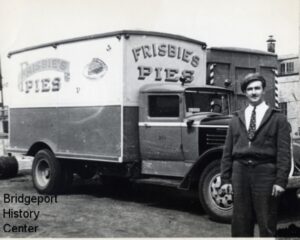
Frisbie’s Pies truck – Bridgeport History Center
Speaking of traveling fast, ever thrown a Frisbee? According to popular lore, the Frisbie Pie Company of Bridgeport and their aerodynamic empty pie tins can be credited for this global phenomenon. Another backyard staple, the Wiffle ball, was conceived in a backyard in Fairfield. It started as a simple idea to create a baseball that kids could hit without worrying about breaking anything, but that little plastic ball with its trademark holes quickly turned into one of the most iconic backyard games in America. It’s not just a toy, it’s a summer tradition that’s been passed down for generations.
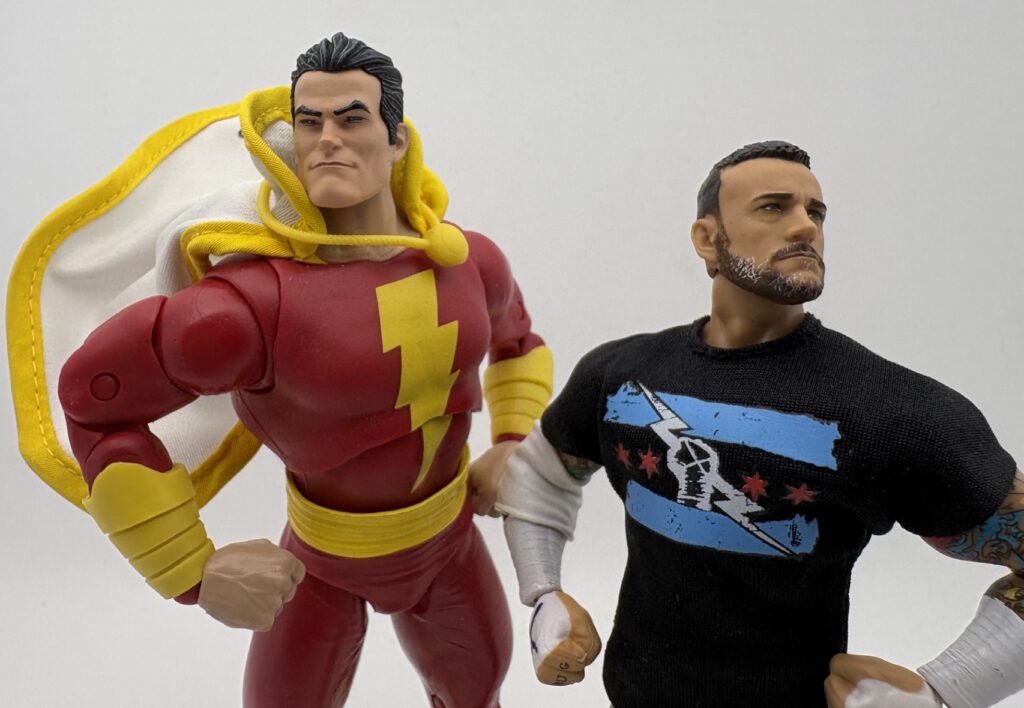
Beyond the backyard, Connecticut has made an undeniable impact on professional sports through two media powerhouses: ESPN, based in Bristol, and WWE, headquartered in Stamford. As the first 24-hour sports channel, ESPN changed the way people watch sports. It wasn’t just a cable channel; it became the go-to place for highlights, commentary, and sports news around the clock. The network transformed athletes into household names and made sports talk a daily part of American culture. Whether it’s SportsCenter’s iconic “Top 10” or the non-stop coverage of major events, ESPN is a global brand that started right here in Connecticut. And an hour and a half down 95, from its famous headquarters known as the “Titan Towers,” the WWE (World Wrestling Entertainment) put a spotlight on the great Squared Circle. In the 1970s and 80s, shows in small high school gyms up and down the interstate showcased some of the biggest names in wrestling. From larger-than-life characters to catchphrases that everybody knows, WWE’s influence reaches far beyond the ring. When you hear a reference to the “People’s Elbow” or someone quotes “You can’t see me,” that’s a little slice of Connecticut culture making its way into everyday conversations.
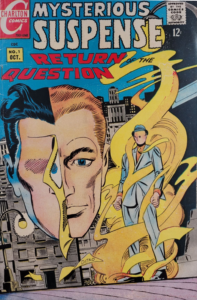
Cover of Charlton Publications’ “Mysterious Suspense” (1968) by Steve Ditko – Public domain
Looking for superheroes of the comic variety? We’ve got those, too. Derby‘s Charlton Publications was home to some of the most accomplished artists and writers in the comic book industry. Steve Ditko, co-creator of Spider-Man, worked with Charlton between his jobs at Marvel and DC; James Aparo, who illustrated stories of all genres for Charlton, went on to create many iconic renderings of Batman for DC. Charlton was known for taking risks, helping new creators get their start, and creating some of the bigger heroes today like Peacemaker and Shazam.
PEZ, a candy company with its American home in Orange, made these characters come alive off the page. Invented by Edward Haas III in Austria in the 1920s, PEZ started as a breath mint and an alternative to cigarettes. While the first dispenser resembled a cigarette lighter, PEZ began producing its candy in fruity flavors for children, and by the time the company moved to Connecticut, colorful dispensers in the form of superheroes and cartoon characters had become highly collectible. If you’ve ever dug through a candy aisle as a kid looking for the coolest dispenser, you’ve felt the impact.
Comics are not the only stories to come out of Connecticut. Many children’s book authors and illustrators have called our state home, including Madeline L’Engle, Gertrude Chandler Warner, Richard Scarry, Lillian Hoban, and Sandra Boynton, to name a few. Maurice Sendak, the legendary author and illustrator of Where the Wild Things Are, lived in Ridgefield, and his work continues to inspire kids and adults alike. Maurice Sendak’s books broke the mold of traditional children’s stories, mixing imagination with darker, more honest emotions. There’s a reason his wild things and their adventures have stood the test of time. They’re as much for adults as they are for children. Connecticut’s impact isn’t just about products or industries, but also about the creative minds who’ve called it home.
Connecticut may not always get the spotlight, but its influence is everywhere if you look for it. The next time you see a Wiffle ball game, spot a PEZ dispenser, flip through a comic book, or watch Monday Night RAW, remember that those moments have a piece of this small state in them.
Which of these Connecticut creations means the most to you? Is it the candy you collected as a kid, the comics that shaped your imagination, or the games you played on long summer nights?