
A Program Of

Major Support Provided By



Other CT Humanities Programs


By Matthew Warshauer Connecticut has a remarkable Civil War history, and although it is a small state, it was in many ways instrumental to the Union’s survival. The history of…
Read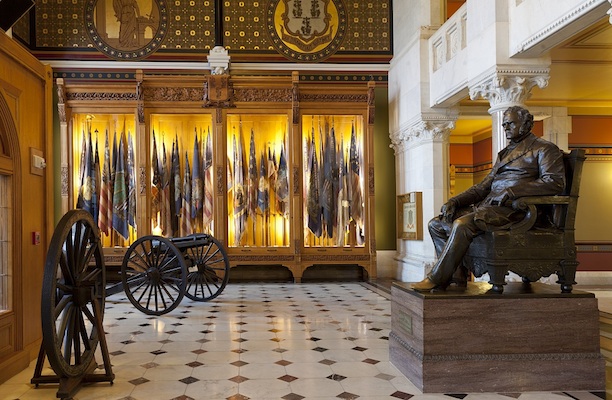
…flags of the state’s military from the Civil War to the War on Terror. A vast majority of the flags in the oak and glass cabinets come from the Civil…
Read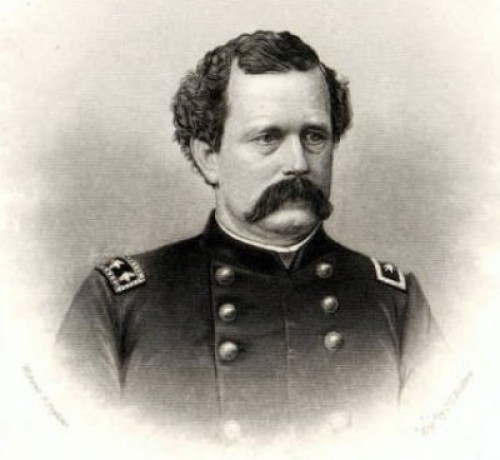
…dedications, and one of Connecticut’s most prominent Civil War veterans, General Joseph R. Hawley, took a leading role in fostering the war’s remembrance. After 1865, Civil War veterans attended Decoration…
Read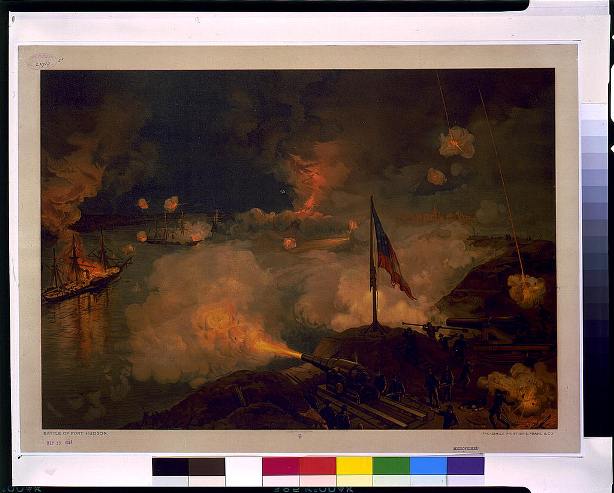
…approaching Vicksburg from the north. The 445-ton Albatross was built three years before the war in Mystic, Connecticut, at the shipyard of George Greenman and Company. Before the war she…
Read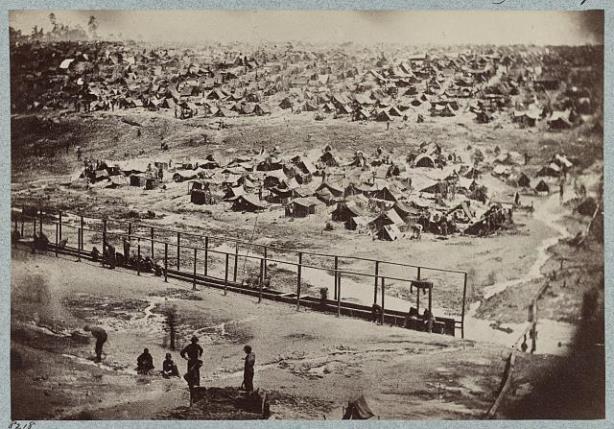
…and Photographs Division Andersonville was not the only Civil War prison that had a high mortality rate. Fifty-six thousand men died at different prisoner of war camps during the Civil…
Read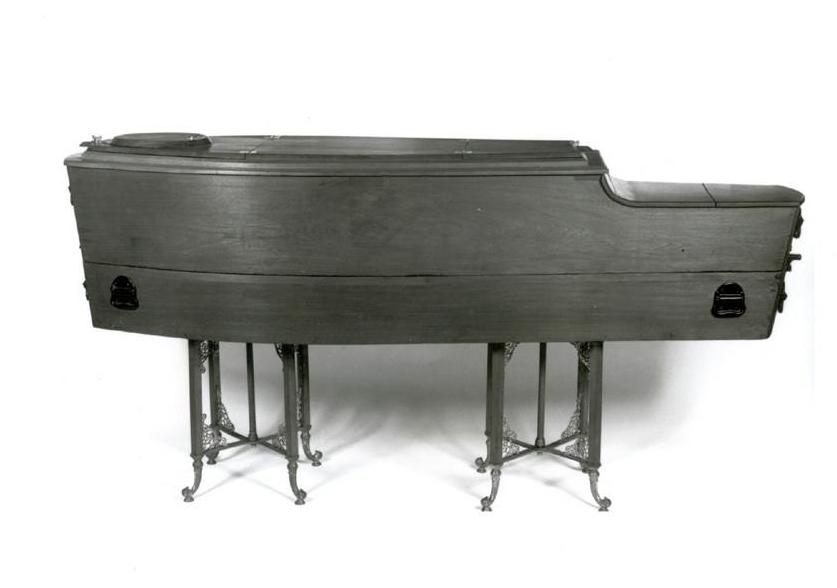
…to war. Troops from the state fought in almost every major and minor battle of the Civil War, and casualties numbered in the thousands. Many more died in confederate prisons…
Read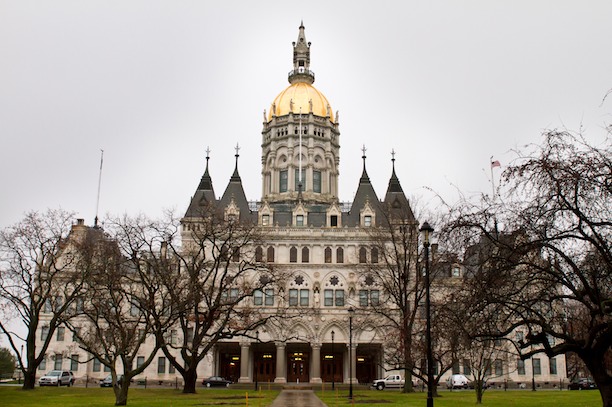
…all to learn from and enjoy. If you would like to learn more about Connecticut in the Civil War, please visit our Civil War topics page, pick up Dr. Warshauer’s…
Read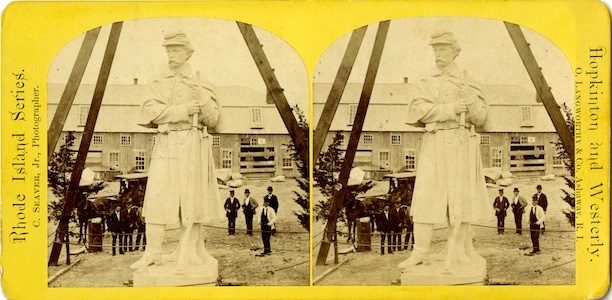
…July 19, 2013 – Courtesy of Anthony Roy The Forlorn Soldier’s sordid story sustained until the Connecticut Civil War Commemoration Commission took up the task to relocate the Civil War…
Read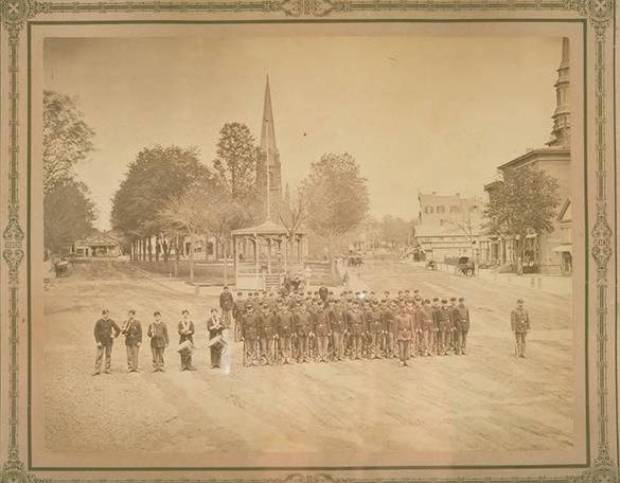
By John Potter for Your Public Media The American Civil War began in South Carolina on April 12, 1861, when Confederate batteries in Charleston Harbor opened fire on Fort Sumter;…
Read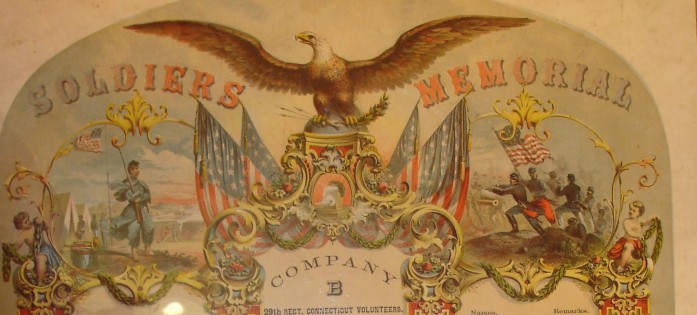
…that black people had fought in, and made important contributions to, every previous American war, most notably the Revolutionary War. Prejudice Blocks Black Enlistment Until War’s Third Year In January…
Read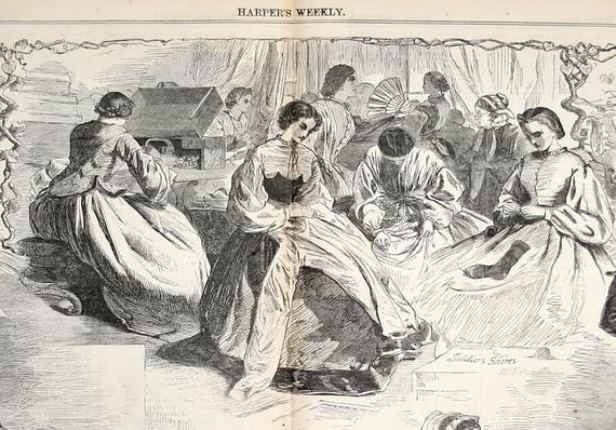
By Nick Streifel The American Civil War was one of the deadliest periods in American history. Over 600,000 Americans perished during the conflict, more than all other US wars combined….
Read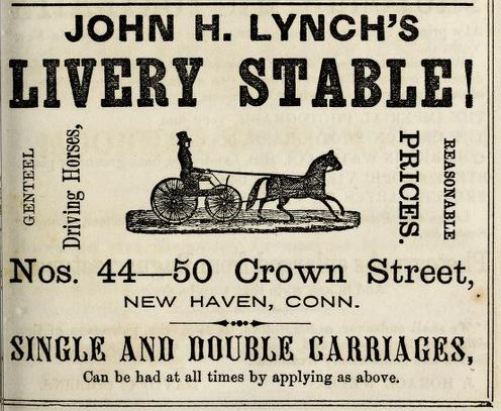
Questions? We get a lot of them and some of the most recent ones have revolved around life and work during the Civil War? So we decided to investigate a…
Read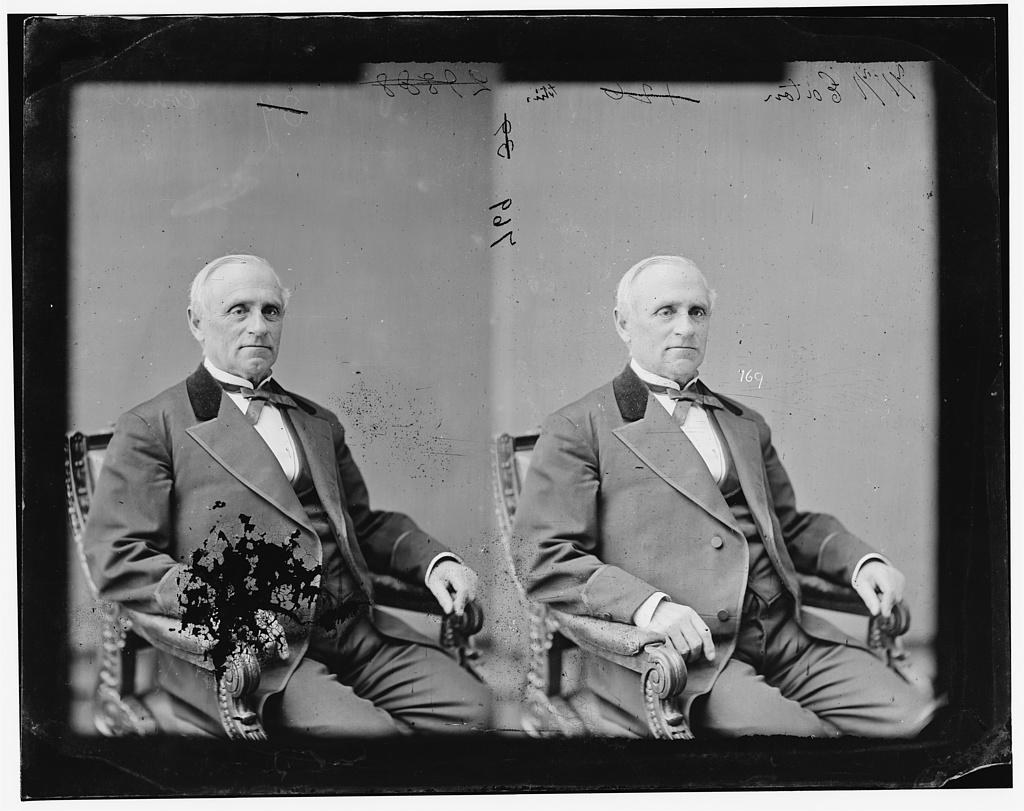
…role he played as a leader of the loyal Democrat opposition throughout the Civil War. In that capacity, Eaton consistently articulated the Jeffersonian view of the respective roles of the…
Read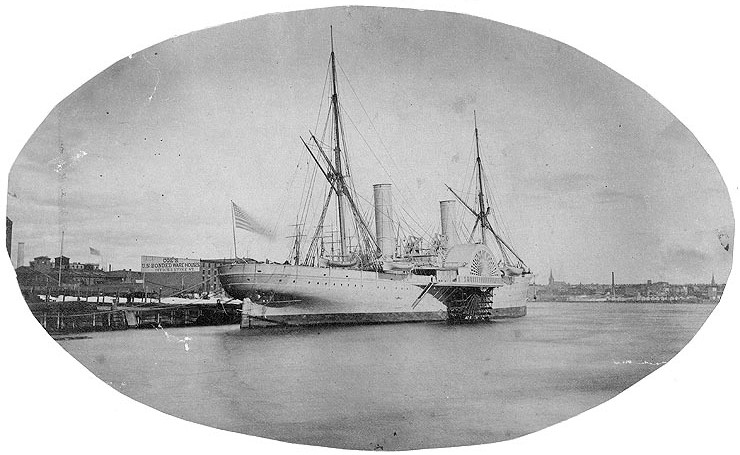
By Nancy Finlay While oversimplified narratives about the American Civil War often reduce it to a simple conflict involving the binary classifications of Black and white, not all the participants…
Read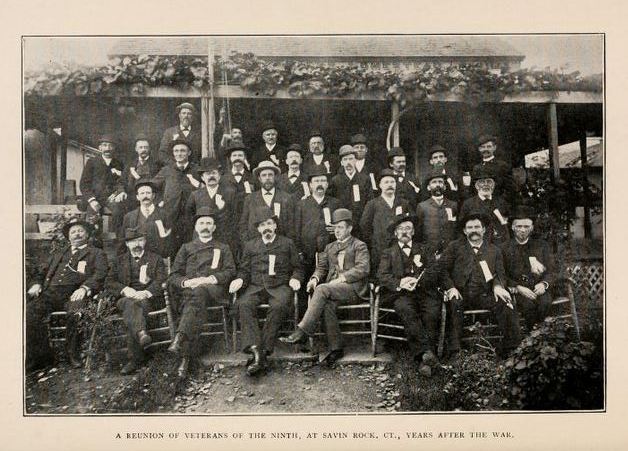
…militia, being “composed entirely of the foreign born,” would be “detrimental to the military interests of our state,” the governor claimed. By the time the Civil War erupted in April…
Read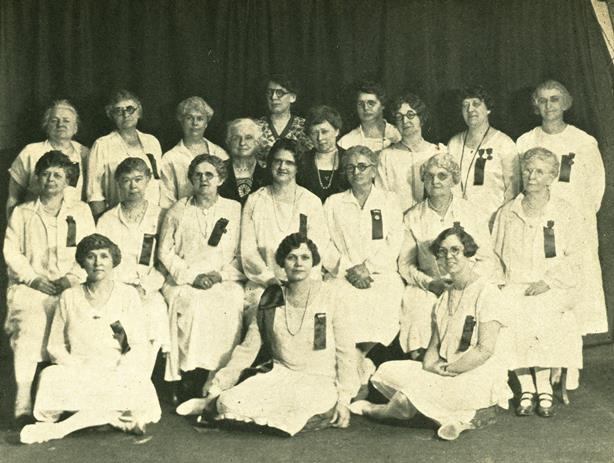
Today marks the anniversary of not only one, but two Civil War anniversaries. On April 9th, 1927 the Woman’s Relief Corps (WRC) and Daughters of Union Veterans (DUV) joined together…
Read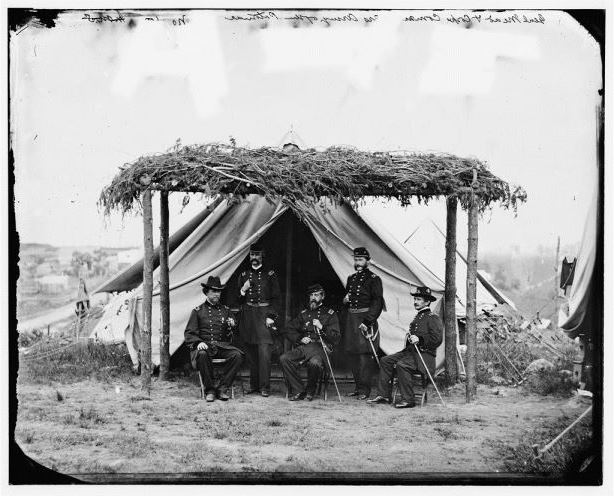
Horatio Wright was a Connecticut native who served with distinction during the Civil War. Rising rapidly through the ranks of the Union army, Wright commanded troops in battles fought all…
Read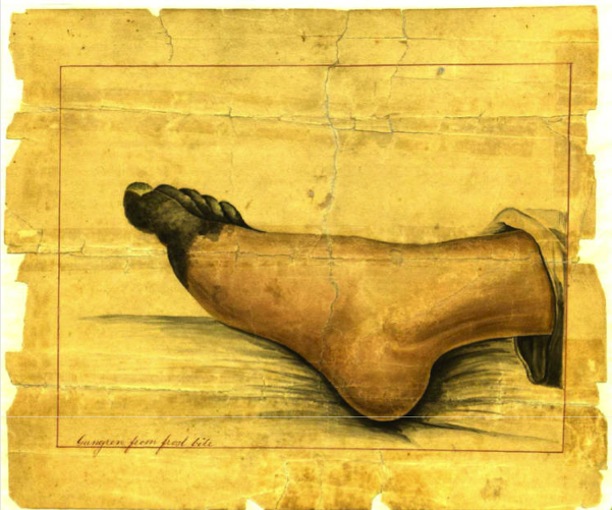
On July 10, 1864, Civil War soldier Curtis Bacon of Simsbury died of gangrene from injuries he suffered in combat nearly two months earlier. On May 15, 1864, Bacon’s regiment,…
Read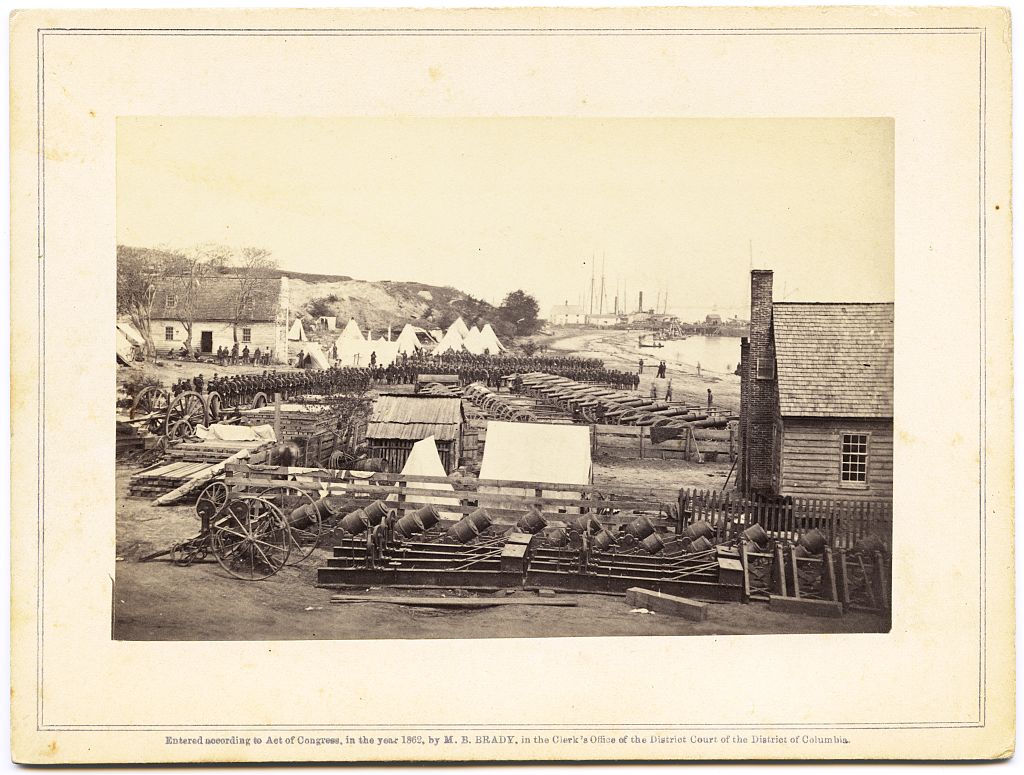
Civil War (1861-1865) Some 55,000 Connecticut men served during the Civil War and, of those, roughly 10 percent lost their lives. On the home front, state industries gave the Union…
Read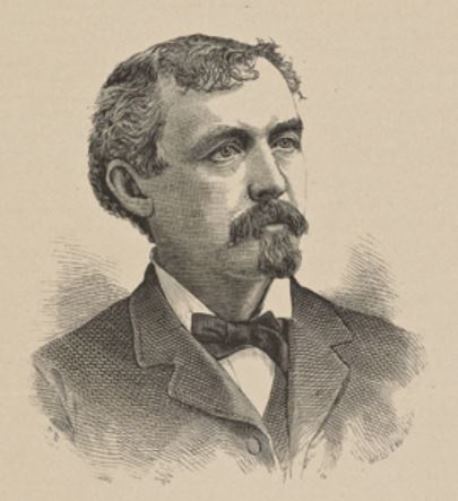
Born into a destitute family, William Edgar Simonds originally set his sights on a career as a school teacher. Service to his country during the Civil War, however, changed all…
Read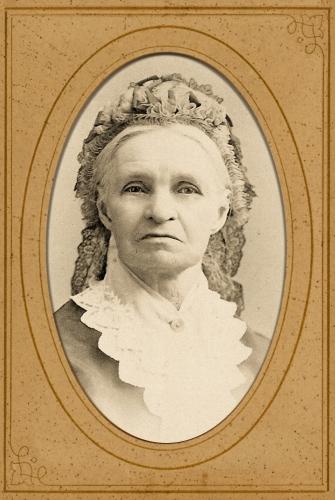
By Diane Hassan for the CTPost.com Almira Ambler, Civil War Nurse – Danbury Museum & Historical Society …that Almira Ambler, wife of the anti-slavery Baptist minister Edward C. Ambler was…
Read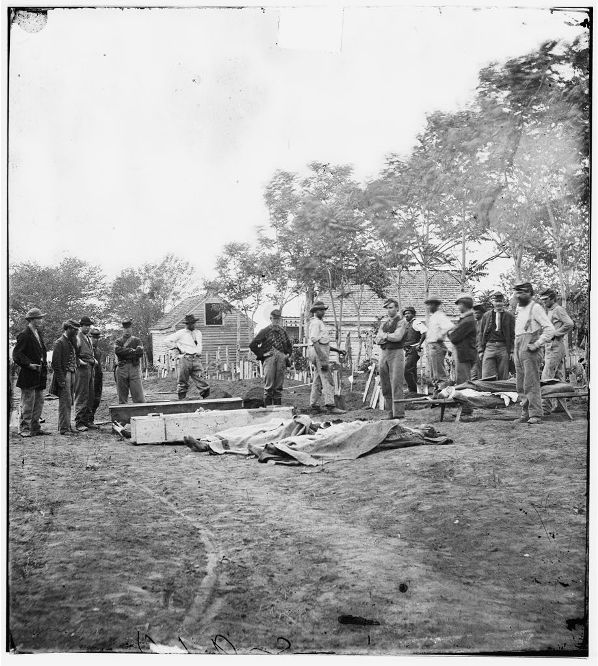
Civil War and Reconstruction (1850–1877) The mid-nineteenth century was a period of massive upheaval in America. The country’s battles over race, slavery, and state’s rights ultimately degenerated into Civil War….
Read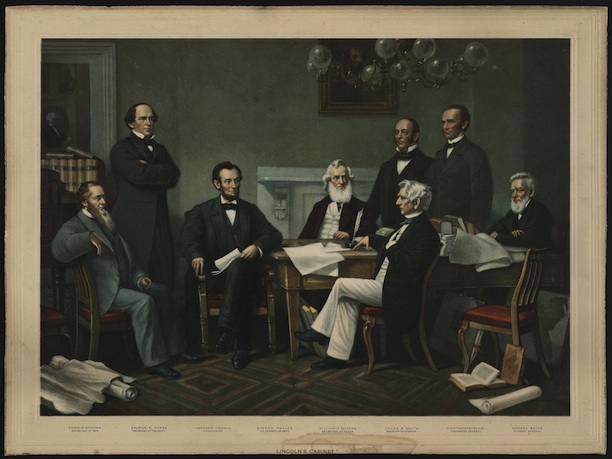
…only members of Lincoln’s cabinet to serve for the entirety of the Civil War. Although the naval theater of the Civil War has often been portrayed as negligible in comparison…
Read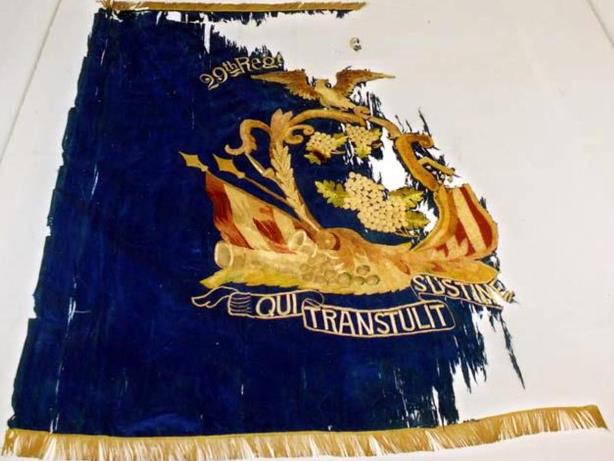
By Cornel Garfman Civil War Battle Flags During the American Civil War, battle flags were so important to soldiers, men would routinely risk their lives so that their unit banner…
Read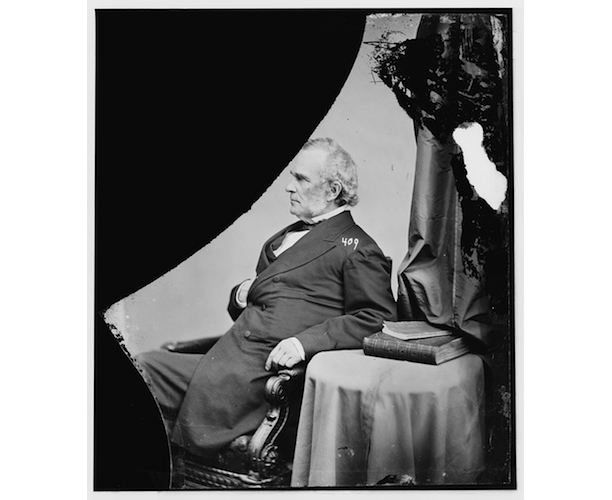
…Connecticut’s War Governor Olin Levi Warner, ca. 1874 – Smithsonian Institution, Archives of American Art The state honored Governor Buckingham 20 years after the Civil War ended. The state funded…
Read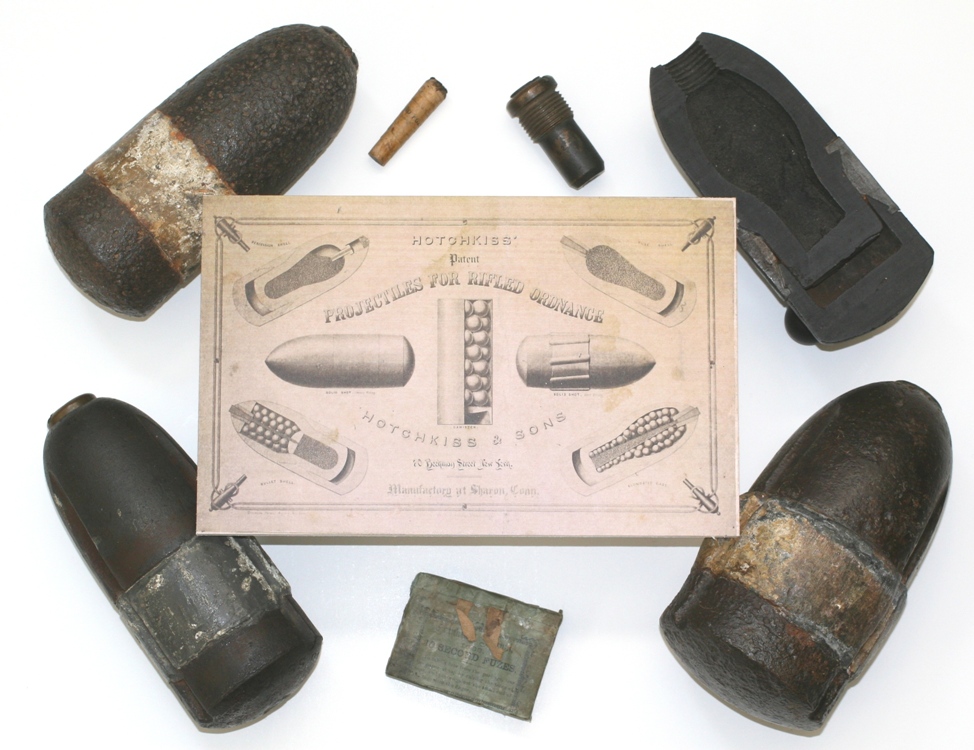
By Dean E. Nelson for Connecticut Explored A year into the Civil War, the US War Department’s “Commission on Ordnance and Ordnance Stores” reported to Congress on the state of…
Read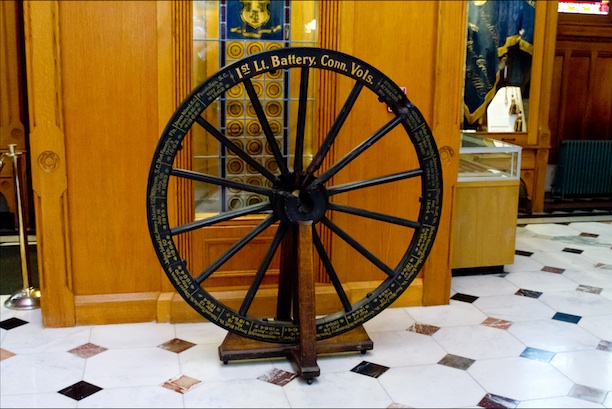
By Mike Blanker On May 15, 1864, during the Civil War Battle of Proctor’s Creek in Virginia, a Confederate artillery shot struck and damaged a gun wheel on one of…
Read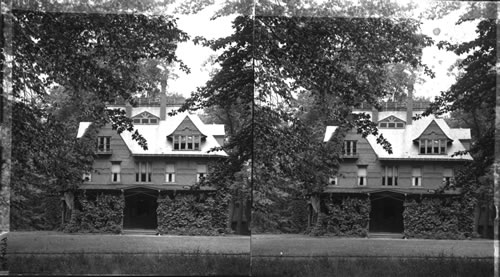
…neighbors Harriet Beecher Stowe and Mark Twain. In this post-Civil War era of heated religious and reform movements, Warner chose to entertain readers with his usual commentary on nature, home…
Read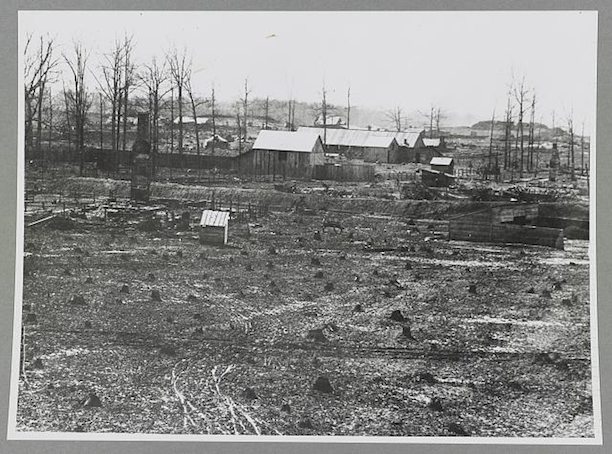
By Christopher Frank Within the halls of the Connecticut State Capitol is the remnant of an oak tree containing pieces of artillery fire that were supposedly from the Civil War…
Read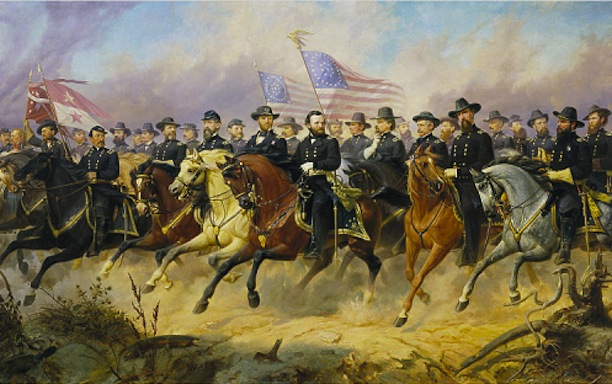
…the rank of colonel. He spent the summer of 1860 in Europe traveling and studying military fortification, ships of war, and any other military materials available for perusal. The Civil…
Read
…struggled with revolt, civil war, and foreign invasion. Inspired by the American and French revolutions and led by Toussaint L’Overture, a formerly enslaved coachman and genius of guerrilla warfare, Haiti…
Read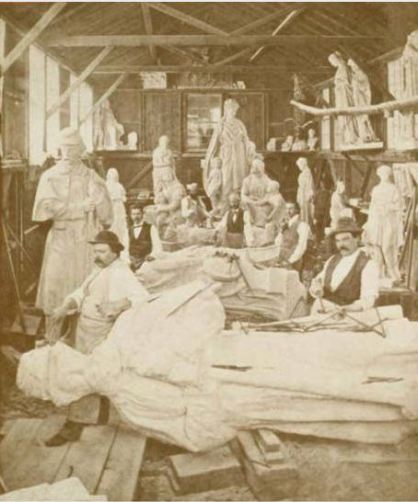
…of the Connecticut Civil War Commemoration Commission’s efforts to study and inspire awareness of the American Civil War and Connecticut’s involvement in it. << Previous – Home – Next >>…
Read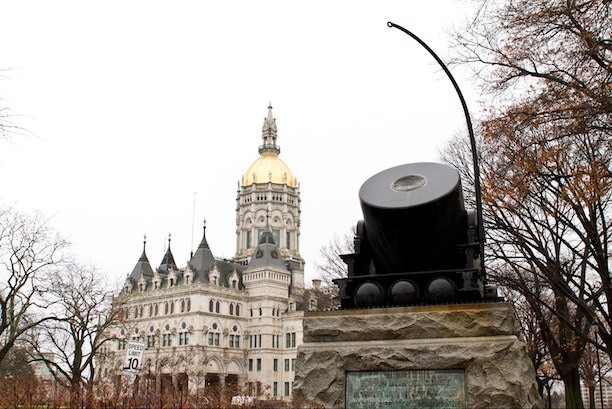
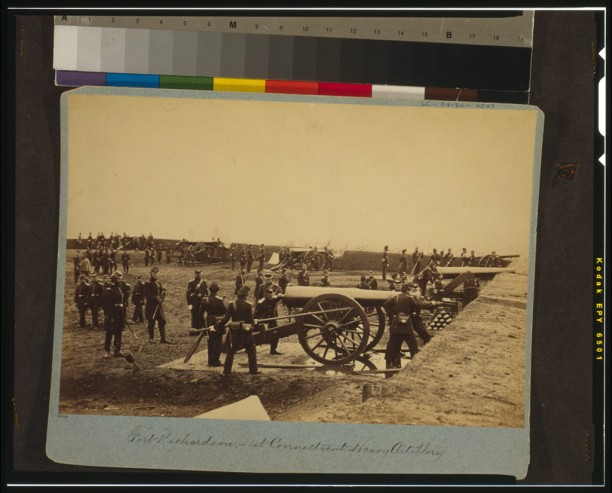
…Civil War, Vol. V, 1911. The regiment performed garrison duty around the capital until May of 1864, when they were deployed south to Virginia. There, Major General Benjamin Butler had…
Read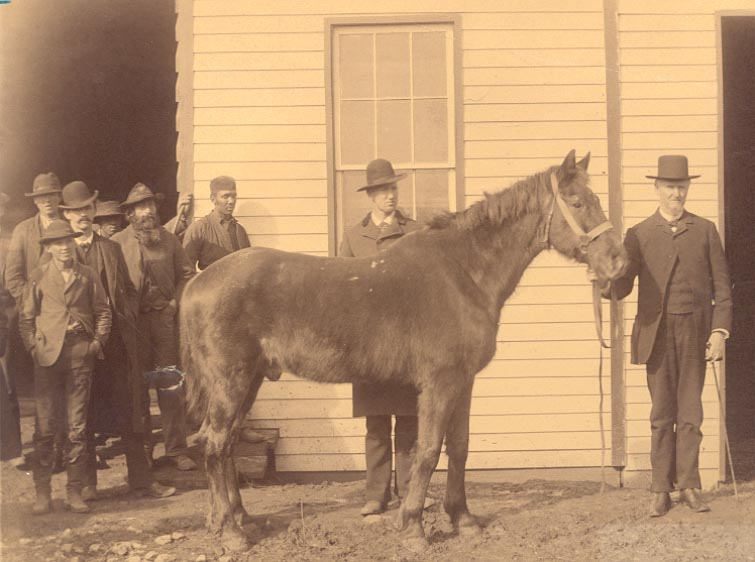
…War Jackson rode his new horse into some of the most famous Civil War battles, including Sharpsburg and Fredericksburg, and it was Little Sorrel who carried Jackson on the fateful…
Read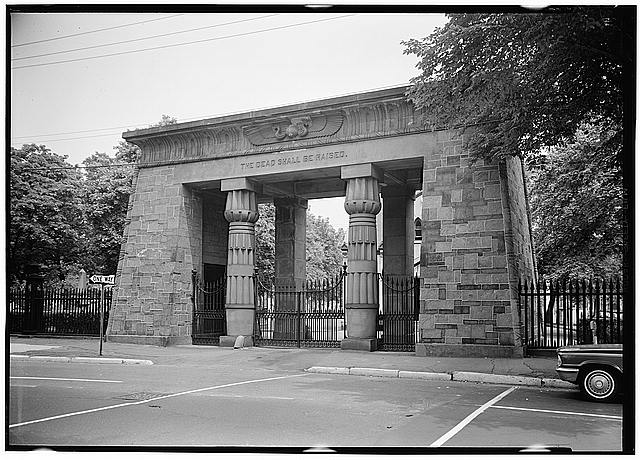
…– Connecticut Historical Society Civil War Memorials Nearly half of the 19th century’s public monuments were erected as war memorials, with examples found in nearly every Connecticut town. At…
Read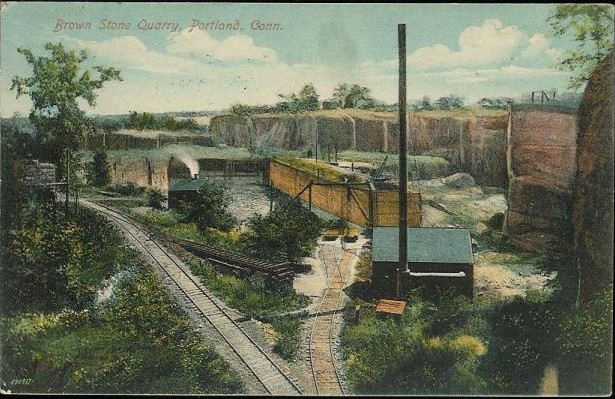
…part of the Connecticut Civil War Commemoration Commission’s efforts to study and inspire awareness of the American Civil War and Connecticut’s involvement in it. << Previous – Home – Next…
Read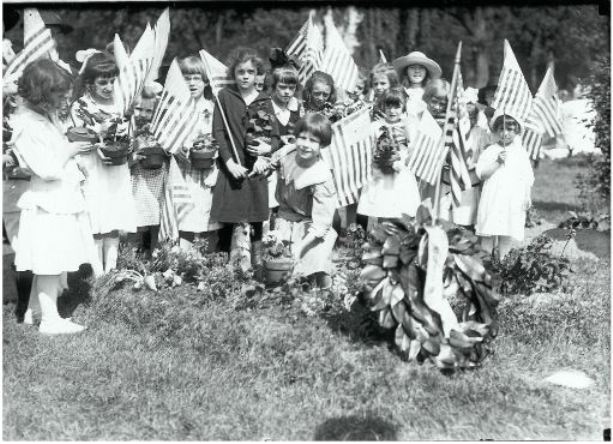
…of the Republic (GAR), an organization composed of Civil War veterans, took traditional place of pride alongside the Sons of Veterans, assemblies of men descended from individuals who had fought…
Read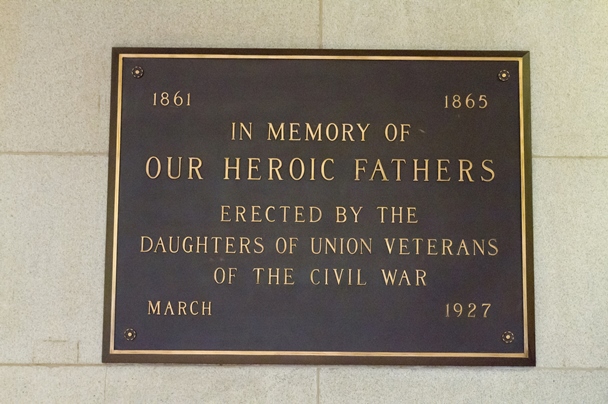
…of the Confederate surrender at Appomattox Courthouse. The first tablet lauded the dedication of “Our Heroic Fathers” who fought in the Civil War, and was designed, purchased, and erected by…
Read …the Republican Party in Connecticut and was elected to be the chairman of the War Committee during the Civil War. Because of his role within the party, he is credited…
Read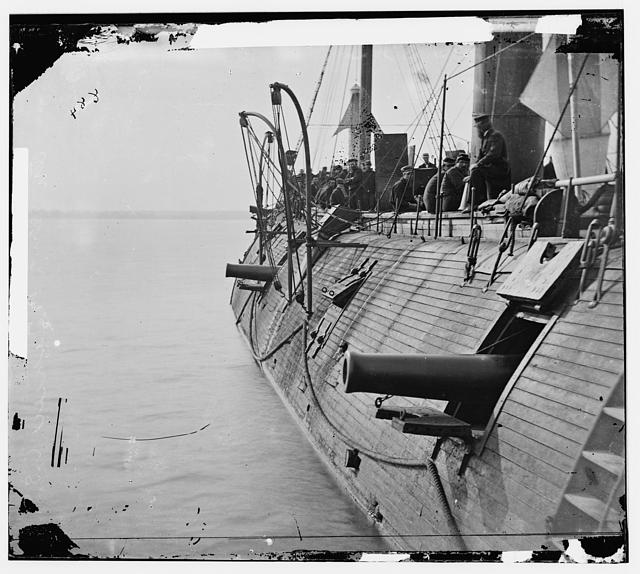
…midst of the Civil War (1861-1865) marked the emergence of a new type of naval architecture. It also heralded a shift in naval warfare that resulted from the ingenuity of…
Read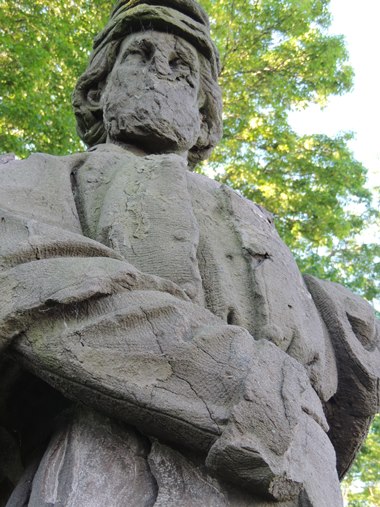
…public history from Central Connecticut State University and as a part of the Connecticut Civil War Commemoration Commission’s efforts to study and inspire awareness of the American Civil War and…
Read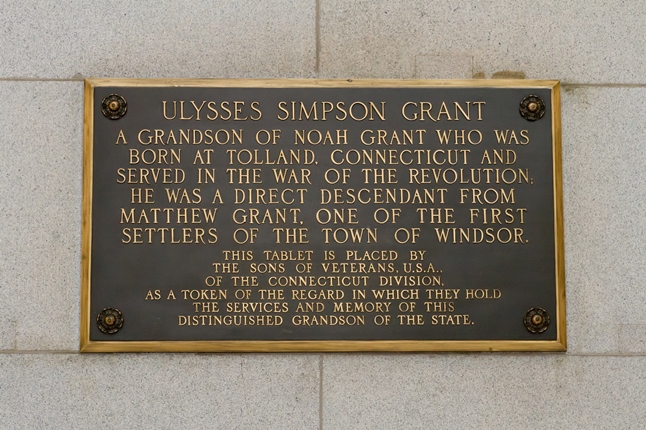
…S. Grant was a general during the Civil War and the eighteenth president of the United States. The Connecticut Division of the Sons of Veterans, USA (an organization composed of…
Read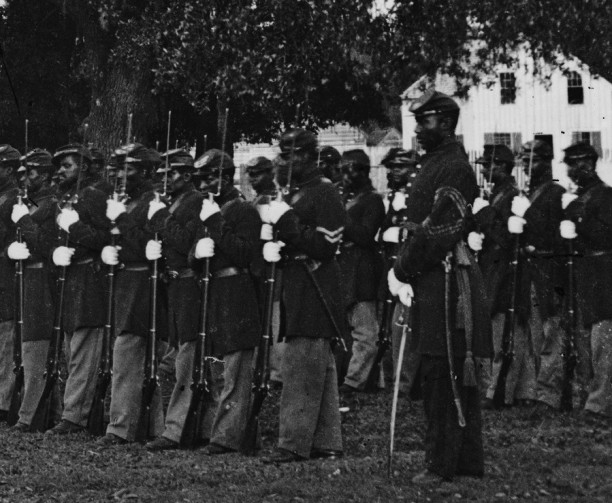
By Todd Jones Midway through the Civil War, Connecticut created the state’s first African American regiment, the 29th Regiment Connecticut Volunteers. Fighting bravely for the final year of the war,…
Read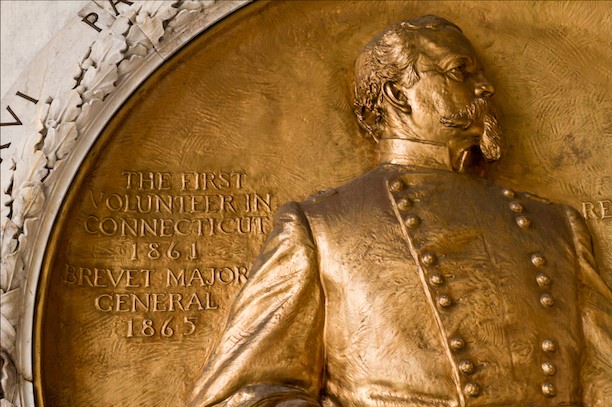
…at the paper that Hawley got word of Lincoln’s call to serve in the Union army at the onset of the Civil War. It has been reported that in April…
Read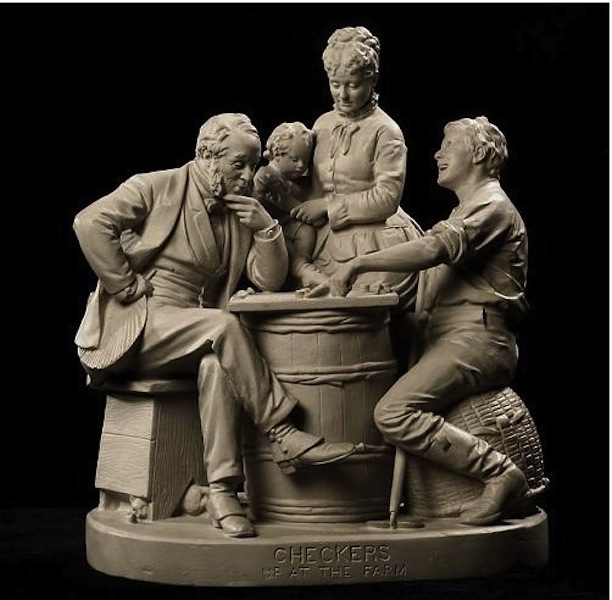
…enough success to give him the confidence to put his skills on display in New York City (just prior to the outbreak of the Civil War). Sculpting the Civil War…
Read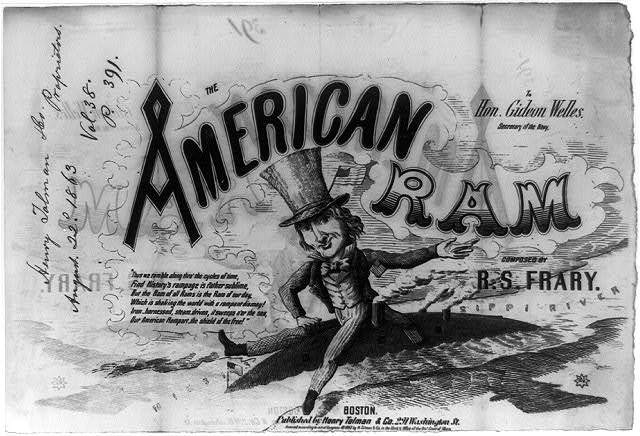
…His development of the Navy into a force that could successfully execute blockades of Southern ports was a key factor in the North’s Civil War victory. Also, he was instrumental…
Read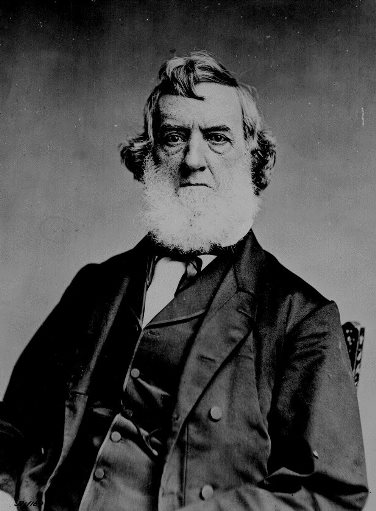
…the Civil War As Secretary, Welles would face numerous challenges during the Civil War. He was responsible for building the navy into an adequate fleet and enforcing the blockade on…
Read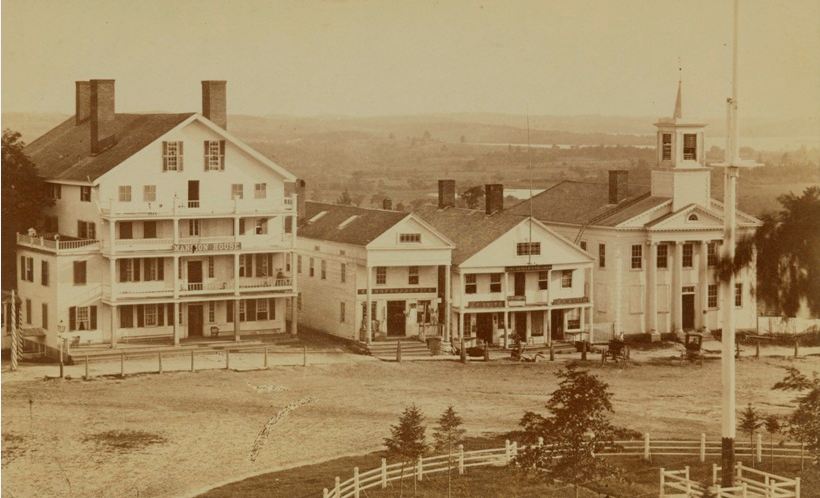
…founding families of Litchfield. The Civil War Disrupts the Town’s Tranquility The peace of this historic community was shattered with the tumultuous start of the Civil War. Residents’ sentiments varied…
Read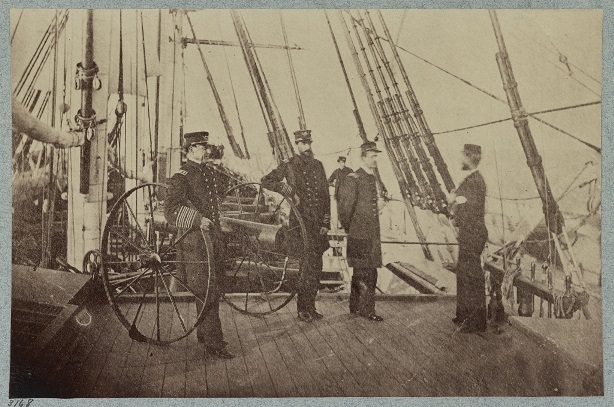
…Hawley Side view of the USS Hartford figurehead, Connecticut State Capitol, Hartford – Courtesy of Stacey Renee To commemorate Admiral David G. Farragut’s extraordinary career throughout the American Civil War,…
Read On March 19, 1864, as the 29th (Colored) Regiment Connecticut Volunteer Infantry was preparing for deployment to the South to fight in the Civil War, they were presented with their…
Read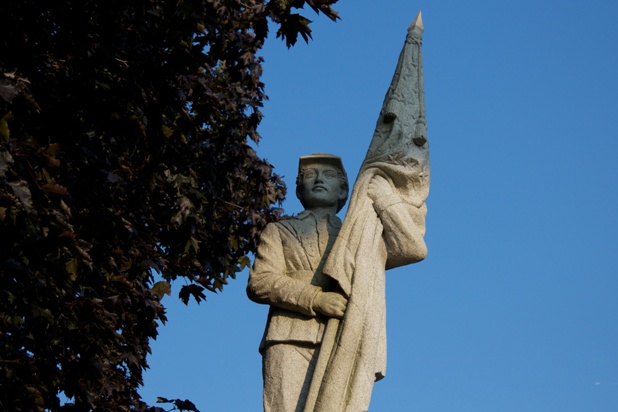
…as a way to commemorate the sacrifices of those who fought and died in American wars. Containing monuments to soldiers of two world wars, Korea, Vietnam, the Civil War, and…
Read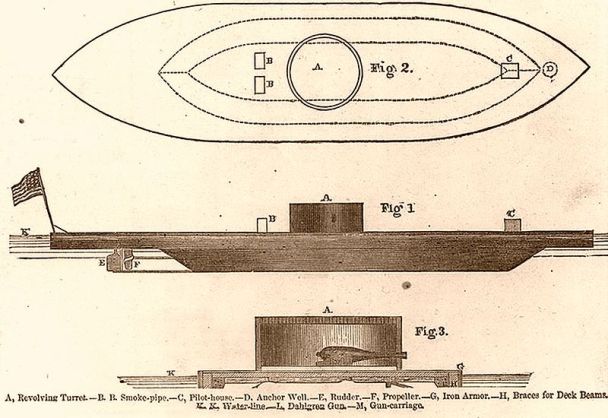
…and 1862, the Monitor went on to defeat the Confederate frigate CSS Merrimac in perhaps the most famous naval battle of the Civil War. After the war, Bushnell looked to…
Read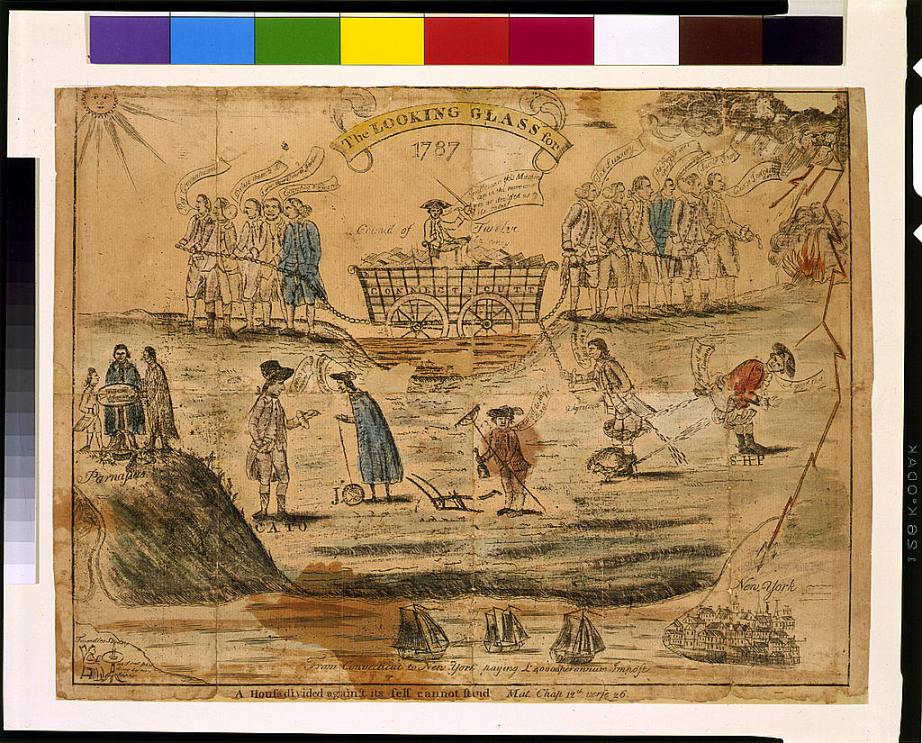
By Walter W. Woodward for Connecticut Explored For most Connecticans, the War of 1812 was as much a war mounted by the federal government against New England as it was…
Read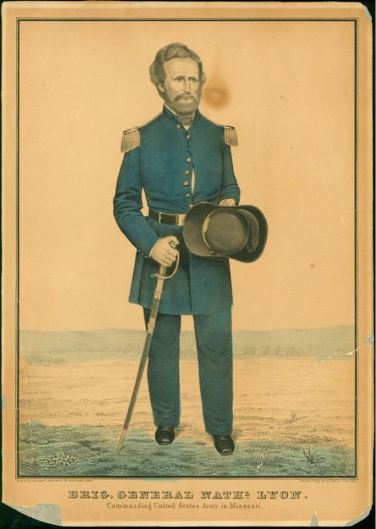
…in the Seminole and Mexican Wars, against American Indians in various western posts, and against Missouri border “ruffians” in the Bleeding Kansas affair. On the eve of the Civil War,…
Read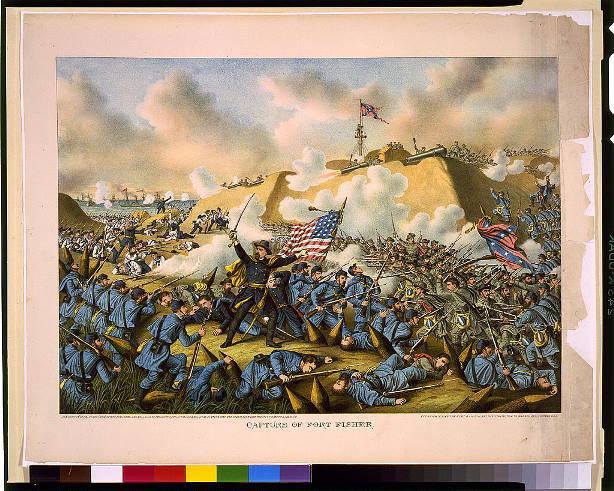
…and Photographs Division, Brady-Handy Photograph Collection At the outbreak of the Civil War, Terry was appointed Colonel of the 2nd Connecticut Infantry Regiment. He fought in the first battle of…
Read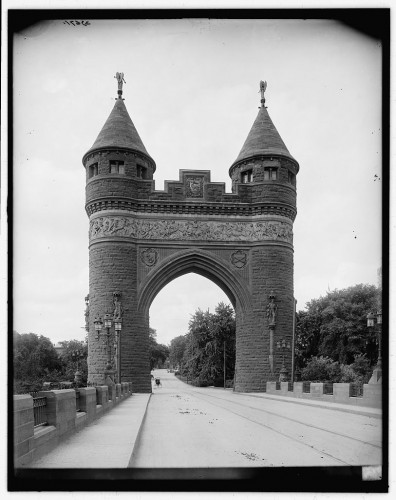
…The terra cotta friezes, positioned 40 feet above the road, stand 7 feet high and tell the stories of conflict and peace. The northern frieze depicts the Civil War, while…
Read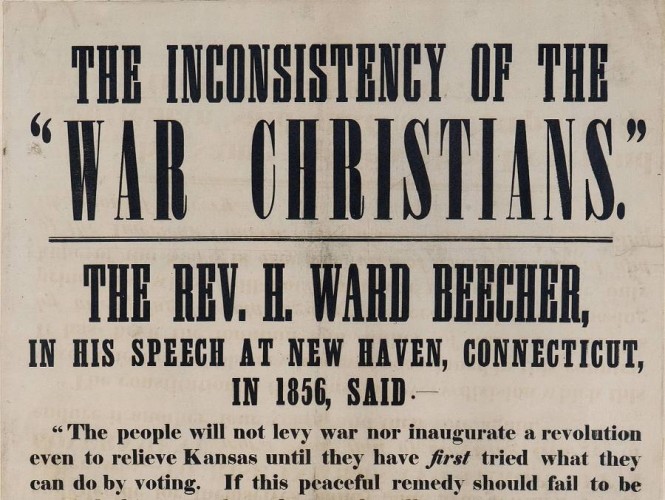
…commitment to the anti-slavery cause was recognized throughout the Civil War and the rifles purchased with the money he raised quickly became known as “Beecher’s Bibles.” Years later, when the…
Read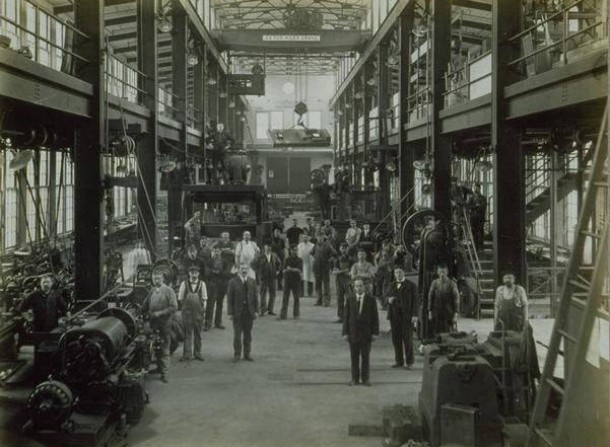
…service. Post-War Innovations Boost Industrial Efficiency After the Civil War, Spencer remained active in manufacture and the development of new ideas. In 1869 he partnered with Charles E. Billings to…
Read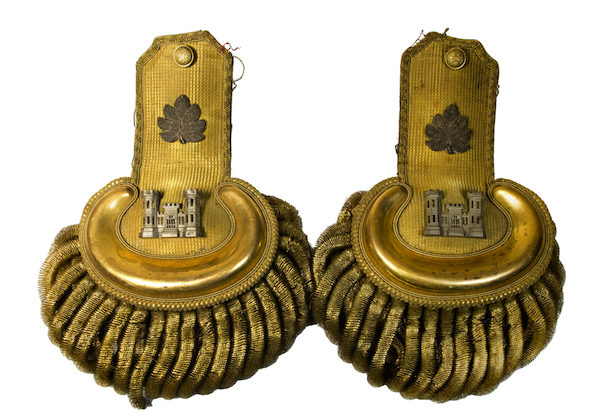
…Civil War. In 1853, Mansfield received an appointment to the post of Inspector General, a job that required him to visit fortifications in all parts of the country, necessitating his…
Read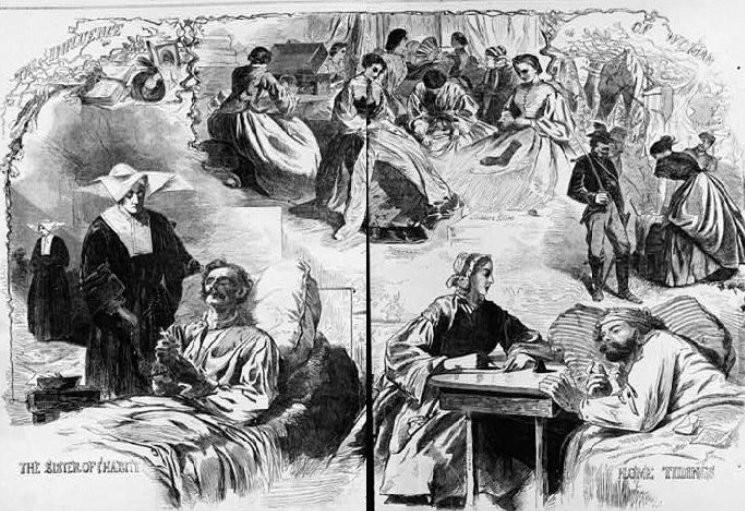
…Connecticut, and just as quickly, Connecticut’s women mobilized for war. The Ladies’ Soldiers’ Aid Society in Bridgeport initially supported the Sixth Connecticut Regiment, but the needs of the war effort…
Read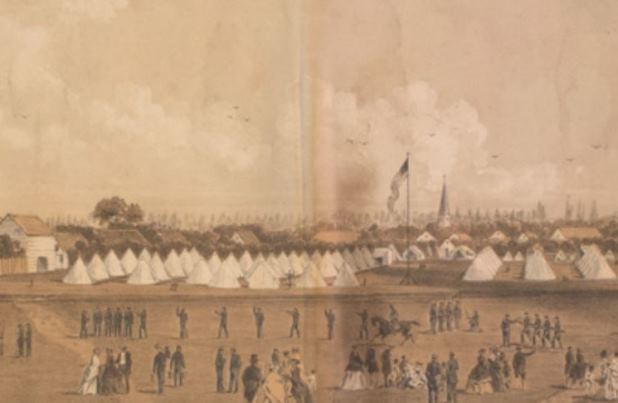
…months in Louisiana a considerable number of recruits took ill and were discharged. New recruits, many of them German immigrants living in New Orleans, replenished the unit’s strength. Civil War…
Read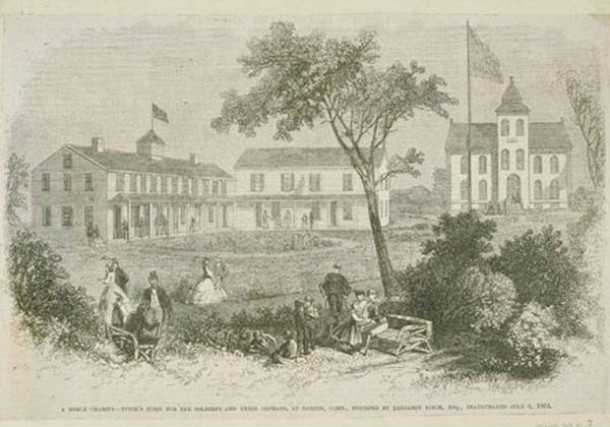
…new facility in Rocky Hill, residents included one Civil War veteran, one Indian wars veteran, 50 veterans of the Spanish War, and 499 from World War I. The men took…
Read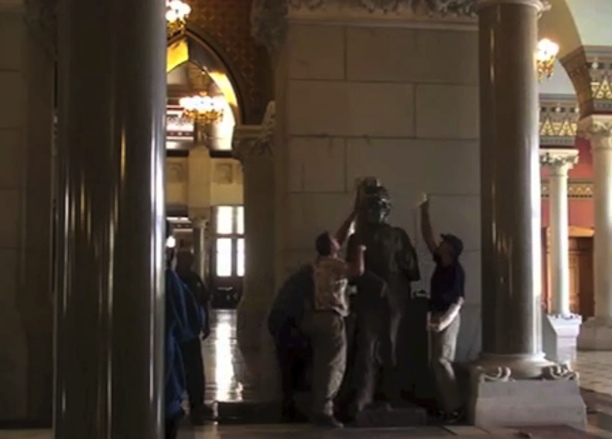
…the Civil War generation. The Forlorn Soldier, now protected from the elements, joined other relics commemorating the Civil War. These artifacts include a statue of Civil War Governor William Buckingham…
Read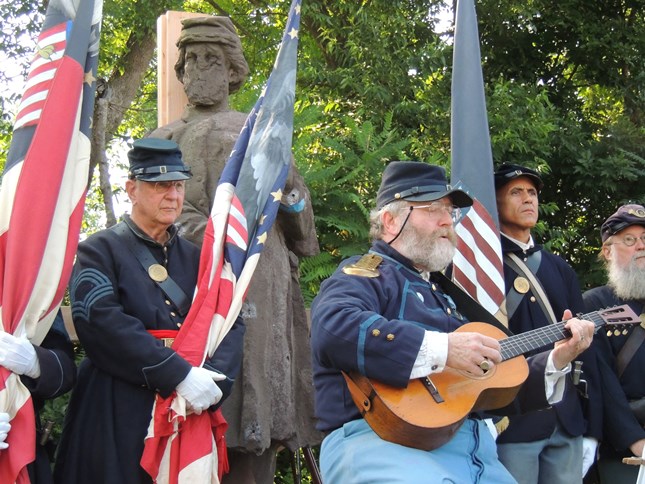
…War Commemoration Commission’s efforts to study and inspire awareness of the American Civil War and Connecticut’s involvement in it. Forlorn Soldier Conservation Ceremony Forlorn Soldier Time-Lapse Music Video Tom Callinan…
Read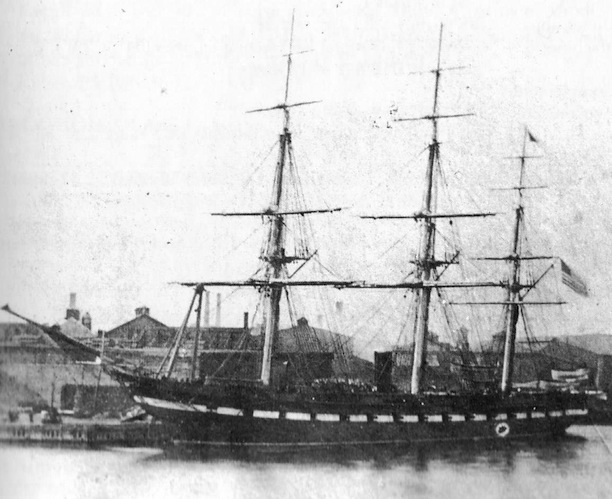
By Eric Cruanes The Connecticut State Capitol building is home to many artifacts of the Civil War, each one a reminder of the honor and sacrifice of those who fought….
Read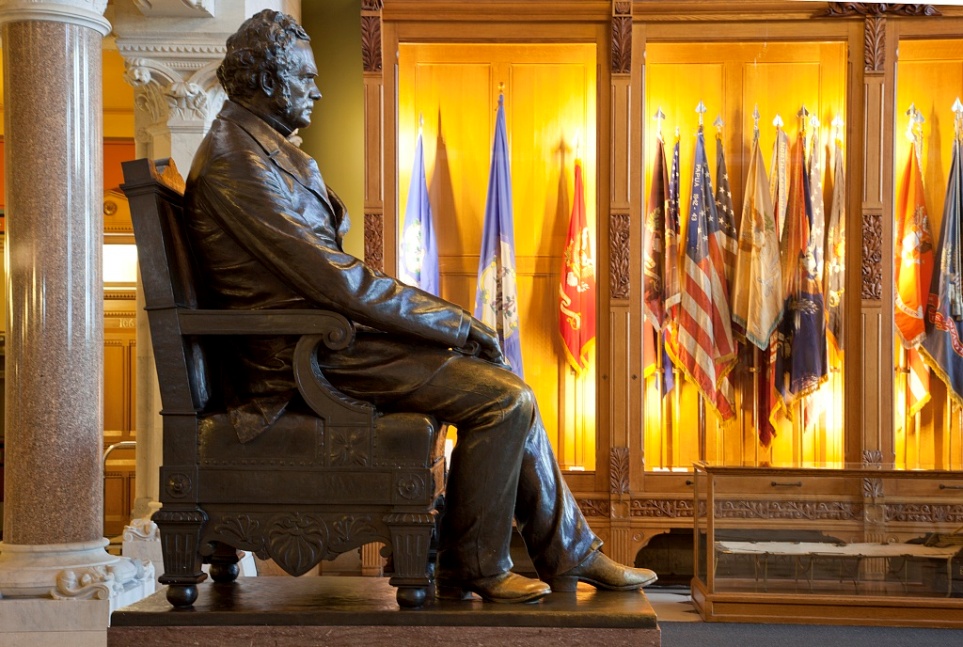
…the Second Congress, First Session, they instructed all states to create a state and regimental flag as the “legislature of the respective states directed.” During the Civil War Connecticut units…
Read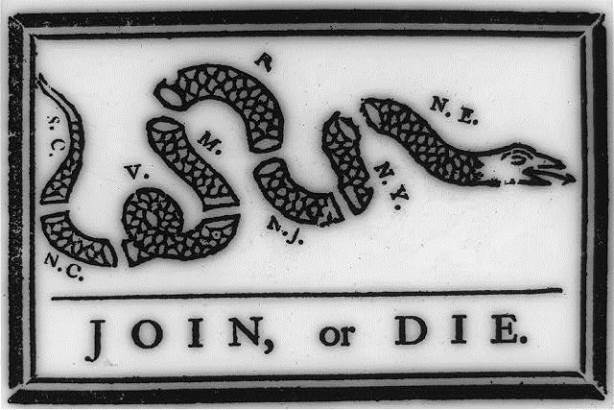
…and Indian War, an arrogant British officer challenged him to a duel. Print ca. 1850-1869 – Connecticut Historical Society and Connecticut History Illustrated Reinvigorated Efforts The fortunes of war turned…
Read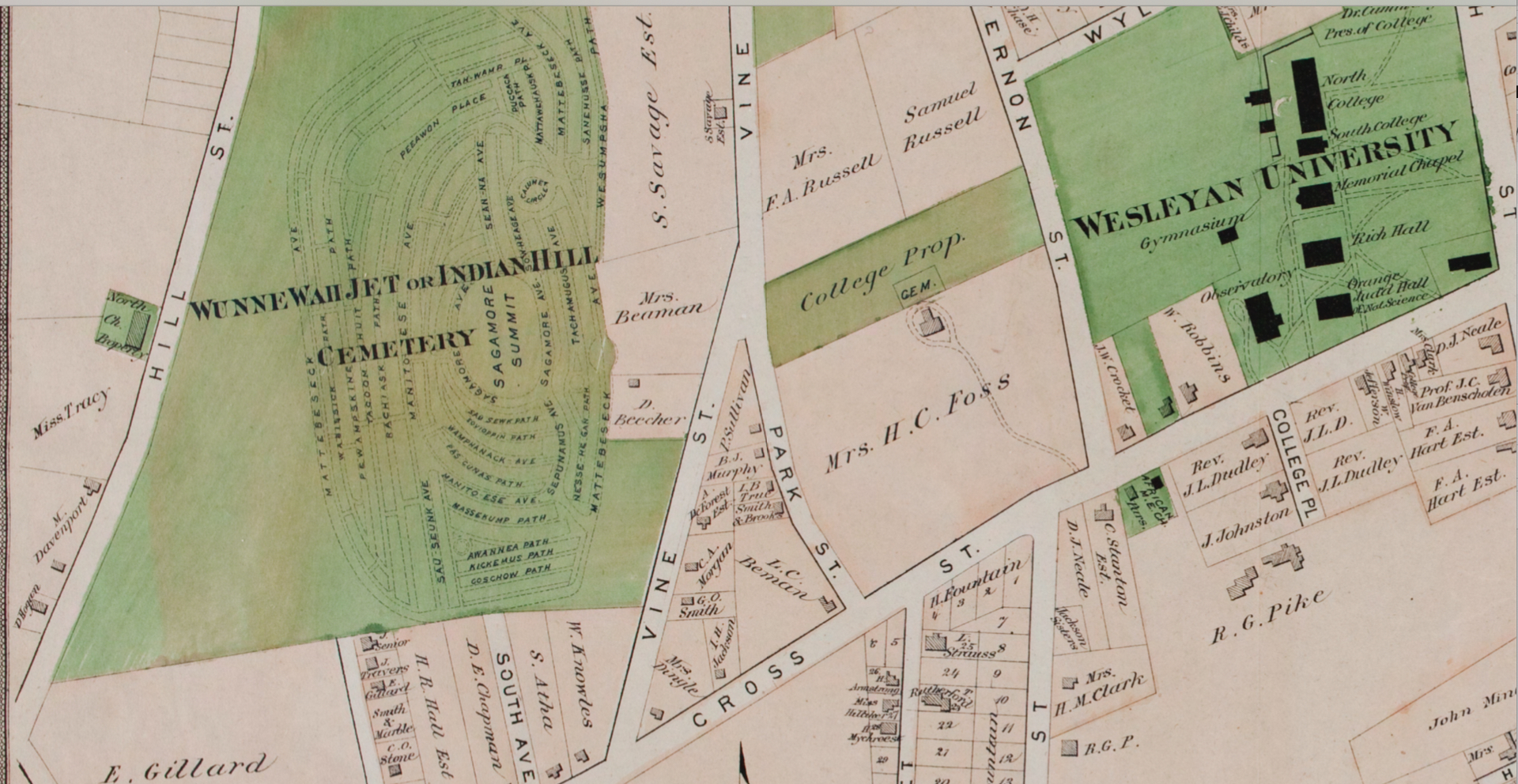
…neighborhood. Although African Americans bought property and formed neighborhoods throughout the pre-Civil War North, some as close to Middletown as Little Liberia in Bridgeport and Jail Hill in Norwich, the…
Read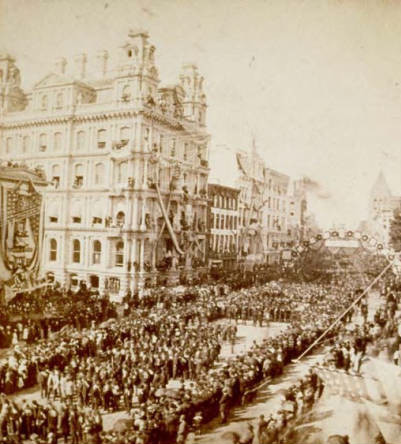
…of Connecticut’s Civil War veterans. In early 1879 officials decided that Connecticut’s Civil War battle flags would be transferred from the State Arsenal into cabinets in the new State Capitol…
Read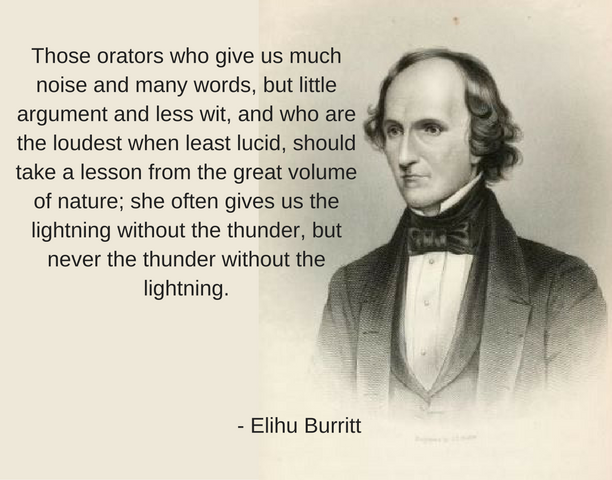
…the Mexican War in the mid-1840s, the devastating crisis of the Civil War in the 1860s, and the Spanish-American War at the end of the 1890s. In between there was…
Read
…Assembly where he played an instrumental part in passing a bill that provided voting rights to Connecticut soldiers serving out of state during the Civil War. A Powerful Member of…
Read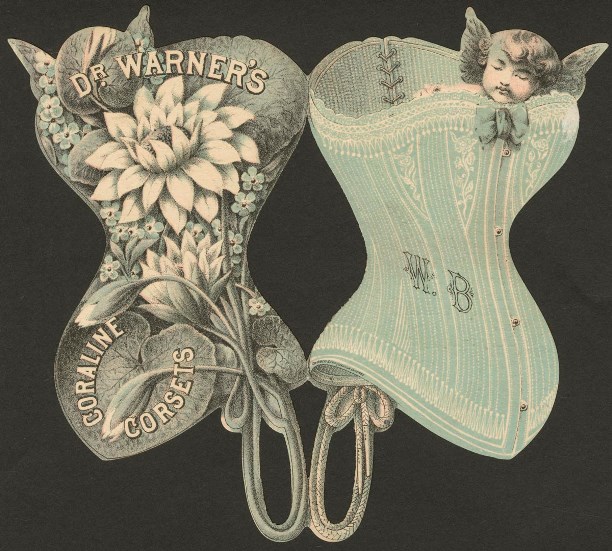
…on Women’s Fashion With the decline of available corsets during the Great War era, the backless brassiere gained popularity. D. H. Warner, President of Warner Brothers Corset Company from 1894…
Read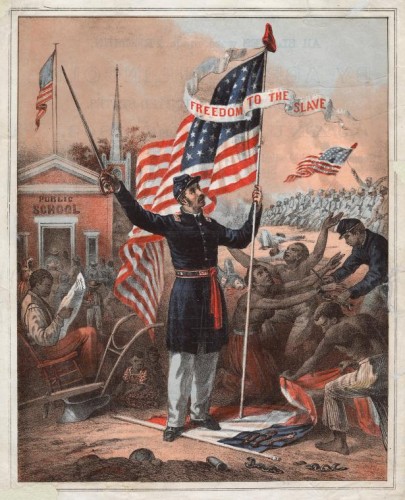
…was subsequently passed as much to address the actions of states like Connecticut as to address such actions in the South. While the Civil War that ended slavery did indeed…
Read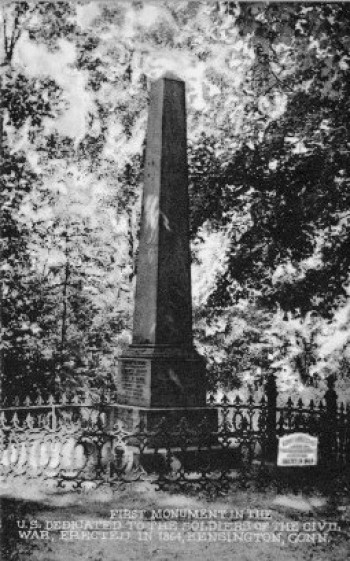
…Civil War Monument in US As 2013 and the monument’s 150th anniversary approached, the Kensington Congregational Church, which owns and cares for the memorial, joined with the Connecticut Civil War…
Read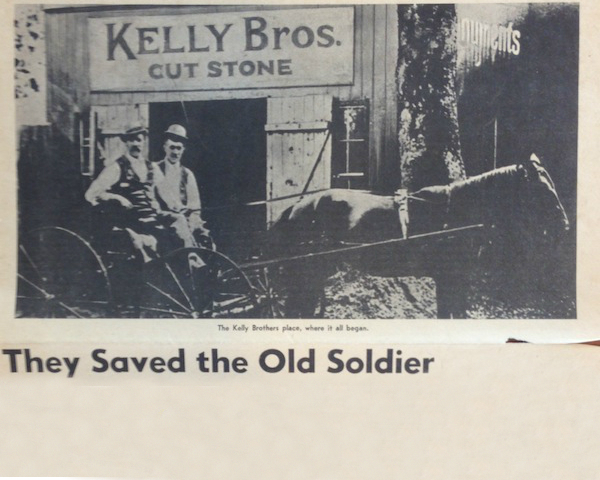
…of the Connecticut Civil War Commemoration Commission’s efforts to study and inspire awareness of the American Civil War and Connecticut’s involvement in it. << Previous – Home – Next >>…
Read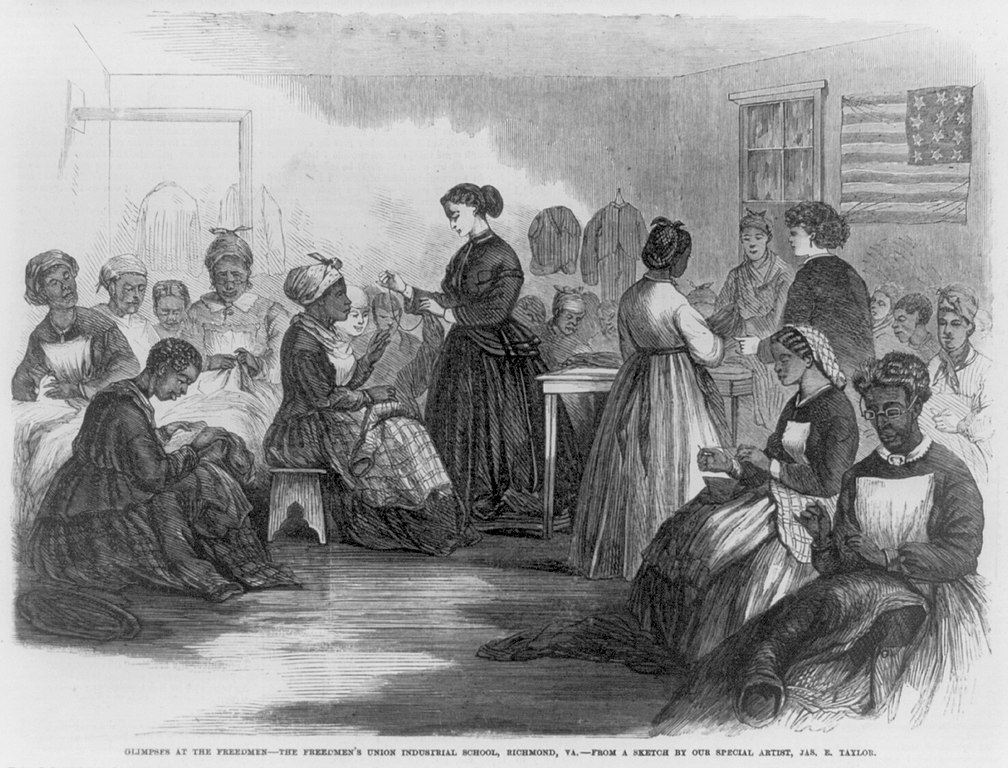
…not end with emancipation. Even before the Civil War, a number of Northern female abolitionists formed aid societies to educate and provide personal support to formerly enslaved people. These organizations…
Read
…as part of a semester-long graduate student project at Central Connecticut State University that examined Civil War monuments and their histories in and around the State Capitol in Hartford, Connecticut….
Read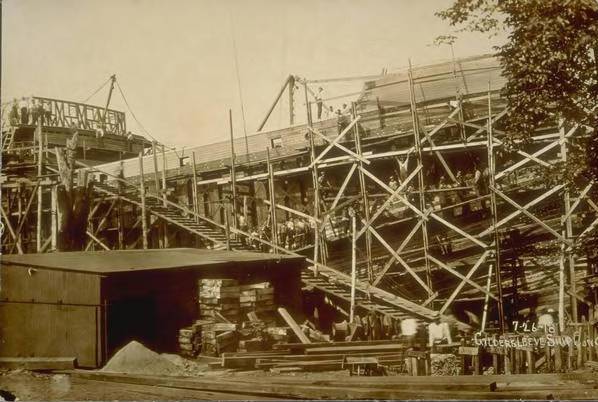
…victims of Civil War hostilities was the 1,400-ton S. Gildersleeve. Built in 1854, the ship, while carrying coal on a voyage to China, fell prey to an attack by the…
Read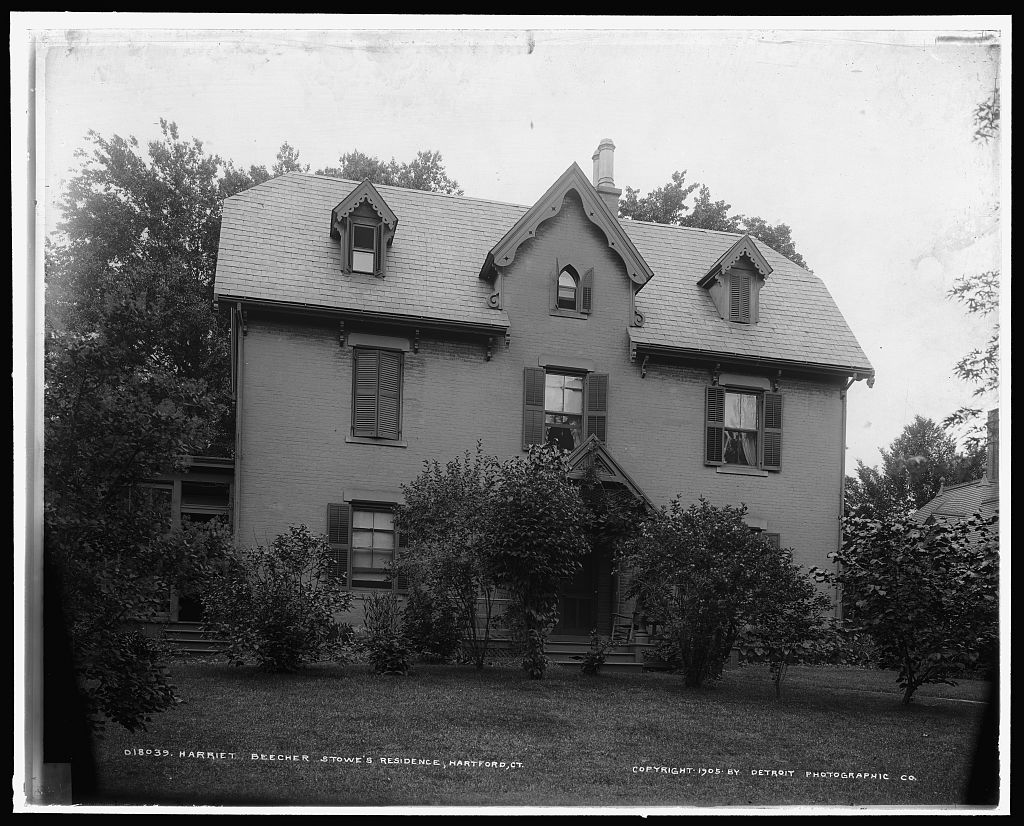
…the winding Park River. The men built their homes and parceled out land to family members and friends. What evolved in the years after the Civil War was Nook Farm,…
Read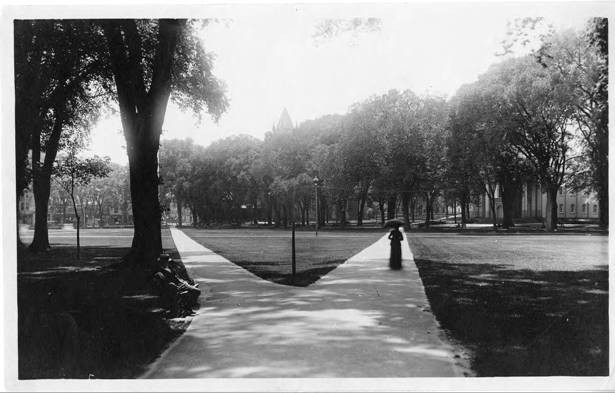
…and provisions from the War Office located at the edge of the green. The War Office also served as the meeting place for the Council of Safety, a wartime group…
Read
…the repression of immigrants. Repeatedly, the Assembly had to elect a governor by joint ballot when no candidate in the multi-party statewide election won a majority. Civil War soldiers mustering…
Read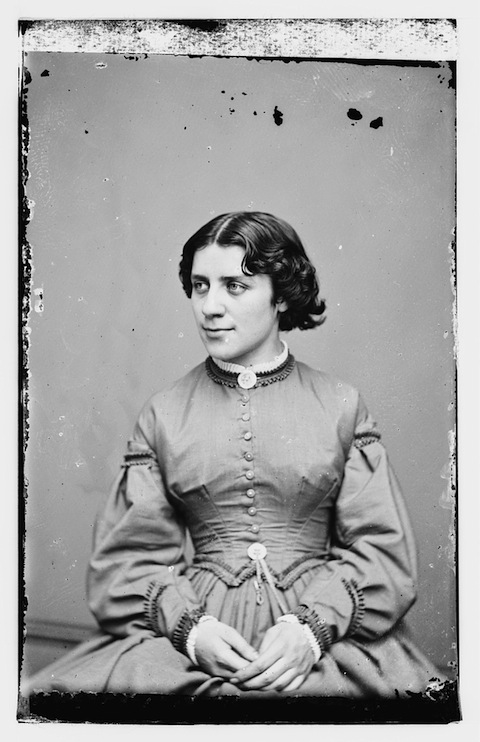
…voice to promote support for the Civil War and the end of slavery. In her famous speech, she cited the cause of abolition as the main argument for the continuance…
Read …Robert E. Lee’s surrender at Appomattox that ended the Civil War and the 18th president of the United States. The Division chose to honor Grant because his grandfather, Noah Grant,…
Read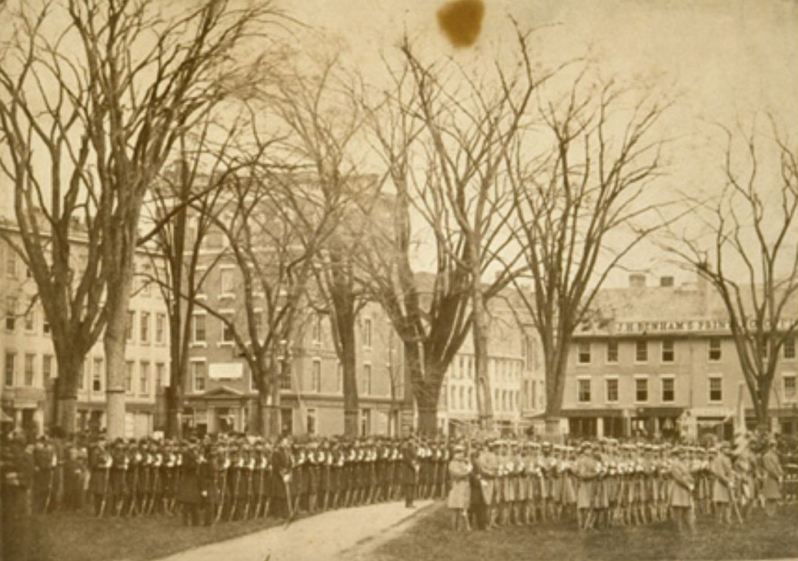
…American Civil War, involving over 50,000 participants on both sides, and was a military fiasco for the North. The State of Connecticut did not suffer terribly on this particular field,…
Read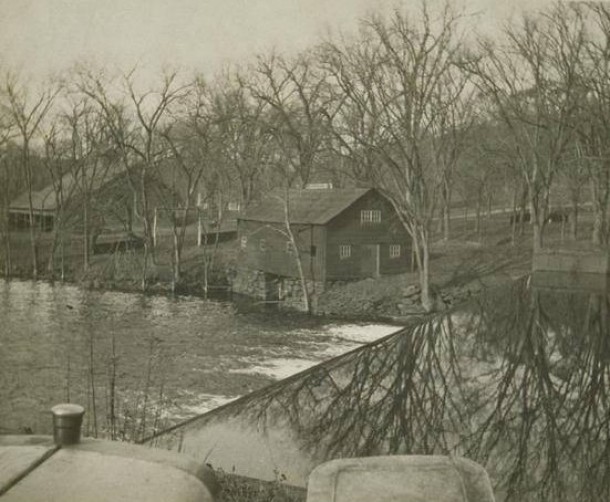
…that 40% of all the gunpowder consumed in the Civil War came from Powder Hollow in Hazardville (a part of Enfield, Connecticut). Not only that, but during the attack on…
Read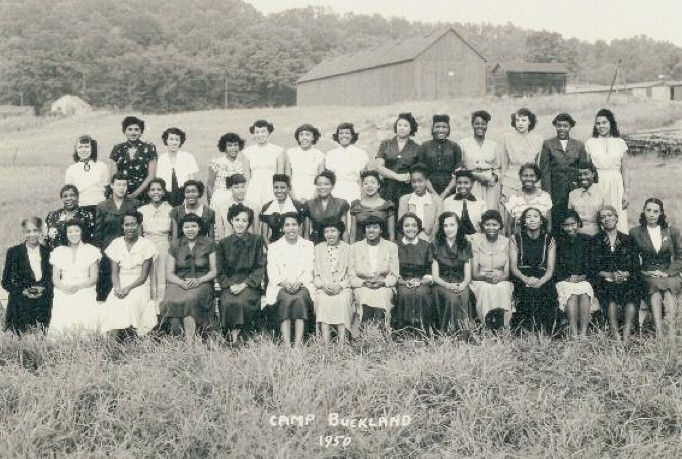
…moved to sorting sheds and warehouses, where processing continues throughout the rest of the year. World War I Diversifies Tobacco Workforce Until the advent of World War I, Hartford-area whites,…
Read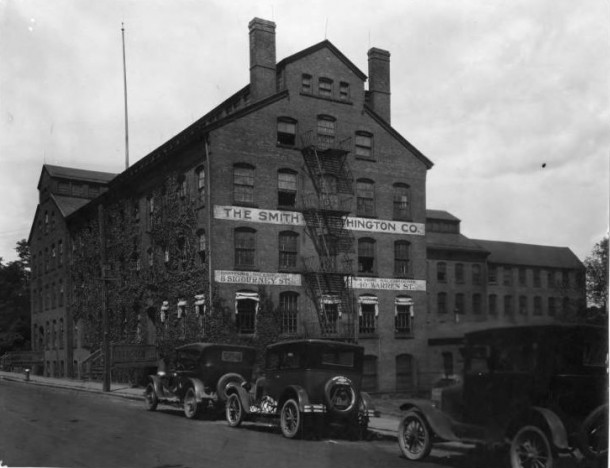
…saddles for both the Union and Confederate armies during the American Civil War and secretly outfitted Cuban revolutionaries during an insurrection against Spain in 1895. But it was World War…
Read
…held more moderate views and feared that even talk of secession might lead to a civil war. The Federalists wanted to address the policies of two successive US presidents from…
Read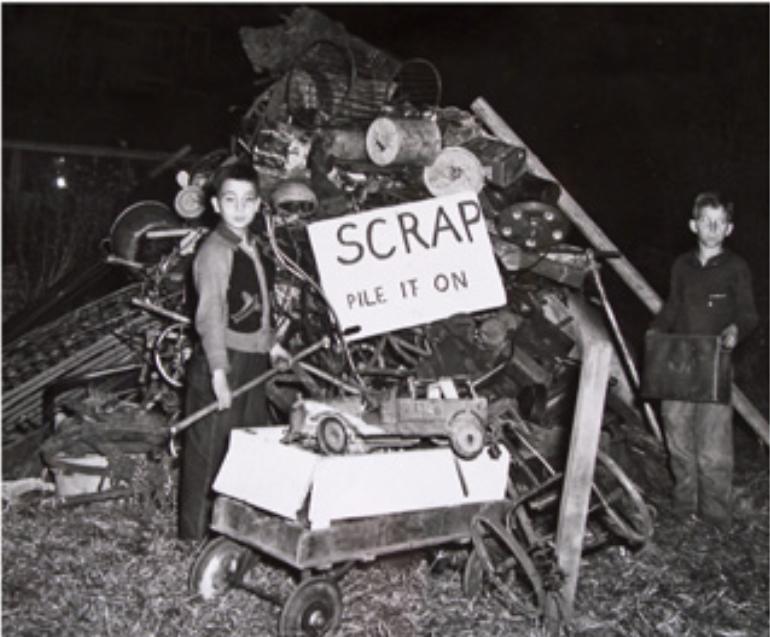
By Ben Gammell for Your Public Media Uniform of Virginia Grover Bulkeley, Greater Hartford Chairwoman of the Woman’s Organization for War Savings during World War II – Connecticut Historical Society,…
Read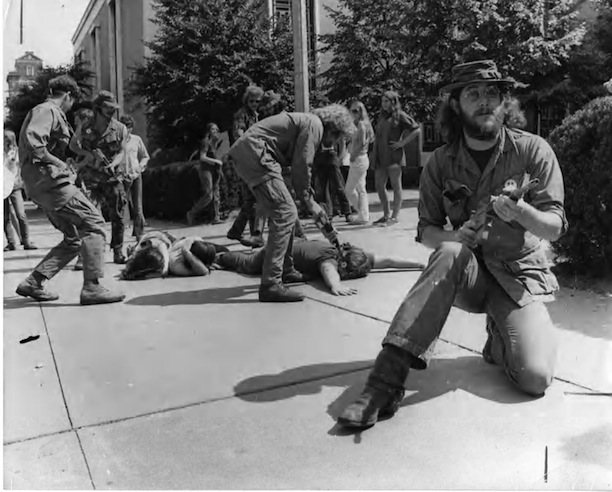
By Andy Piascik Connecticut opposition to the war in Vietnam paralleled that found in many other parts of America. When the movement against the war was in its early phase,…
Read
…the war but began anew with the coming of the Second World War. In 1942, Mrs. Joseph Alsop reorganized the WLA in Connecticut. After initially balking at the idea of…
Read
…state by moving there in sufficient numbers to outvote the slaveholders. In 1857, he was back in Hartford to encourage other like-minded individuals to join them. When the Civil War…
Read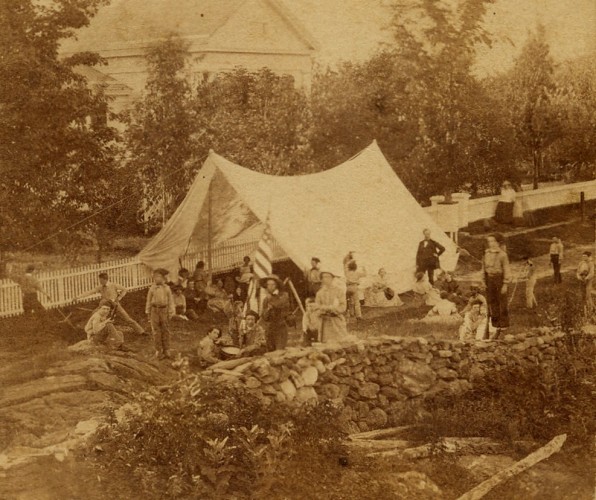
…(center) Girls’ camp, Milford, 1863 – The Gunnery Archive Camping at Point Beautiful on Lake Waramaug, New Preston, ca. 1870s – The Gunnery Archive The success of the Civil War…
Read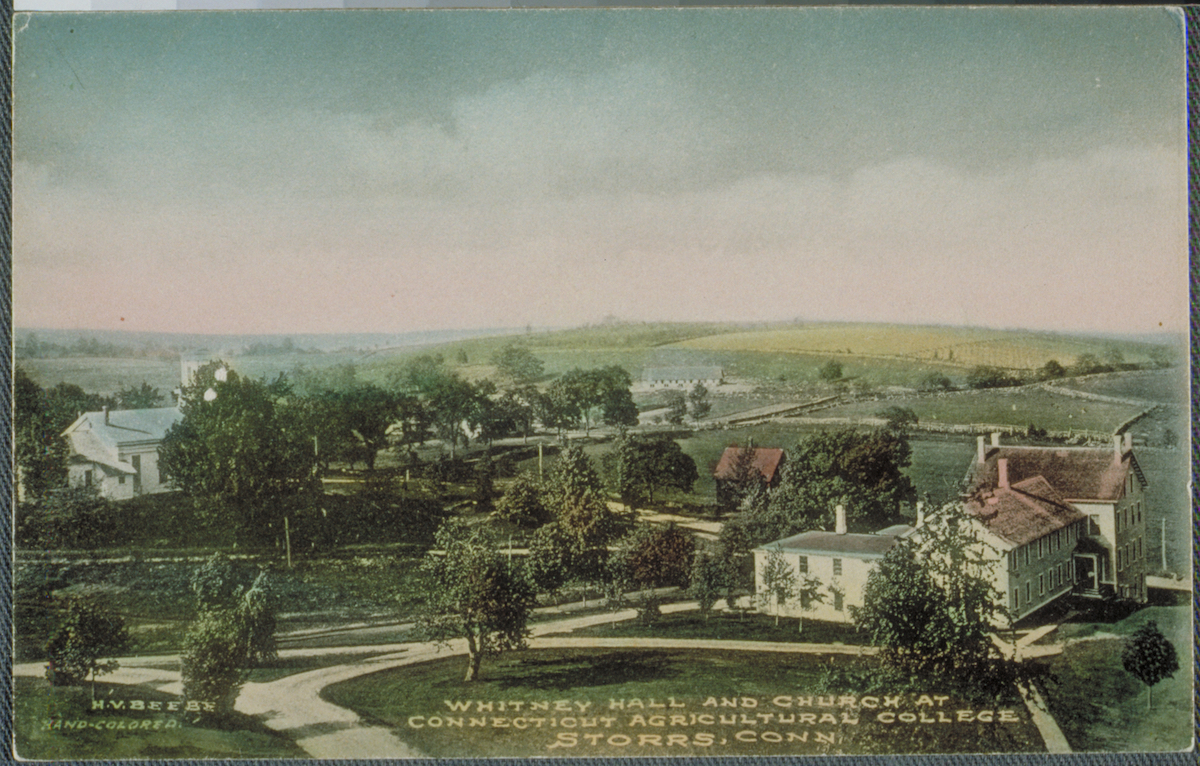
…Civil War. Closed in 1875 and sold soon after, the former orphanage became the site of Storrs Agricultural School (now the University of Connecticut) in 1881. According to university historian…
Read
…with gold. These pieces consistently won prizes in international trade fairs, and were often presented to notable world personalities. During the Civil War, Colt Firearms officially supplied only the Union…
Read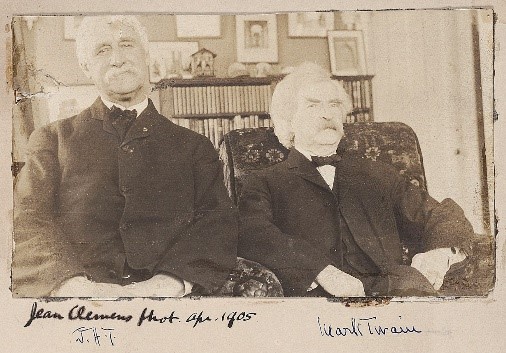
…and studied for the ministry before seeking greater adventure and becoming a chaplain for a Civil War regiment. He eventually became the pastor of Asylum Hill Congregational Church in Hartford;…
Read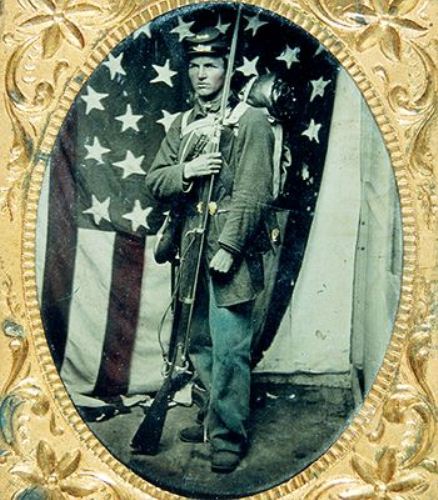
Private Henry Cornwall, 20th Connecticut Volunteer, 1861 – Connecticut State Library The State of Connecticut sent over 55,000 troops to help the Union cause during the Civil War. Those troops…
Read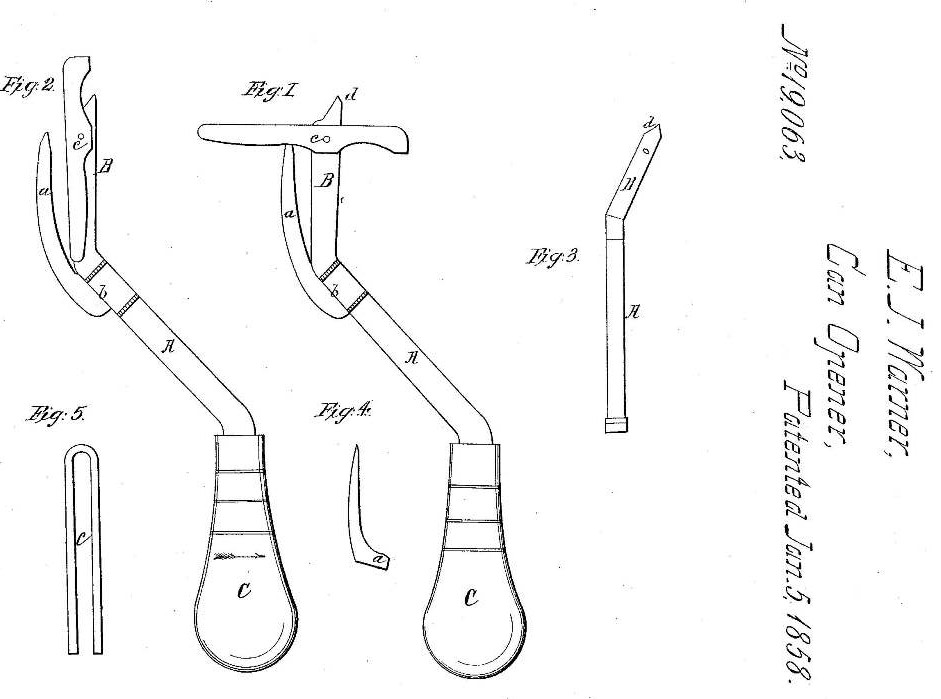
…with a saw-like action, which, unfortunately, left quite a jagged edge. Though never a big hit with the public, Warner’s can opener served the US Army during the Civil War…
Read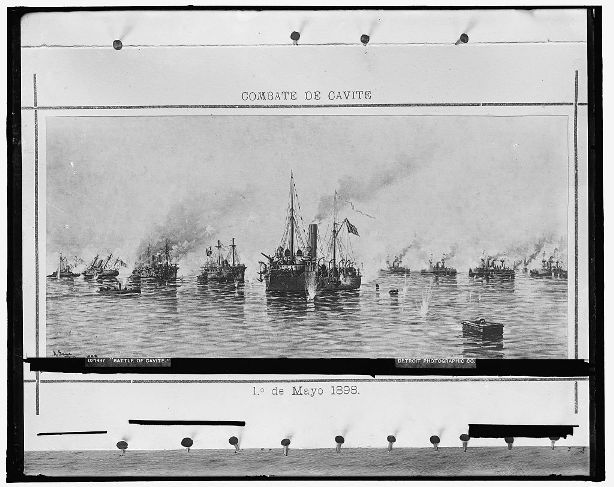
…George graduated in 1831. The elder Colvocoresses enjoyed a distinguished career in the United States Navy, achieving some fame for his exploits on blockading duty during the Civil War. While…
Read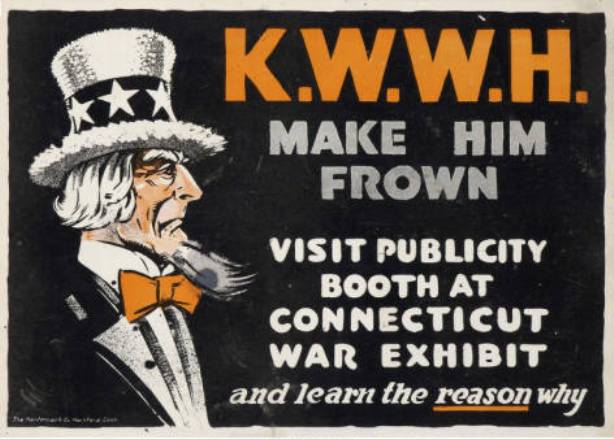
…against saboteurs. After the Declaration of War, Holcomb created the State Council of Defense, one of 48, to mobilize citizens, industries, labor, and organizations to win the war. “Truth” is…
Read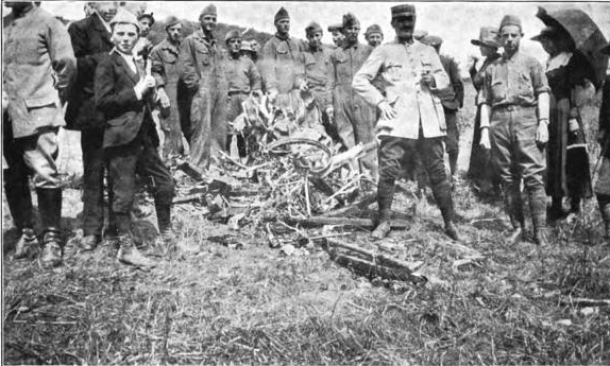
…returning to France in the summer of 1914. In August 1914, France and Germany went to war, a war that later drew in many nations, including the United States and…
Read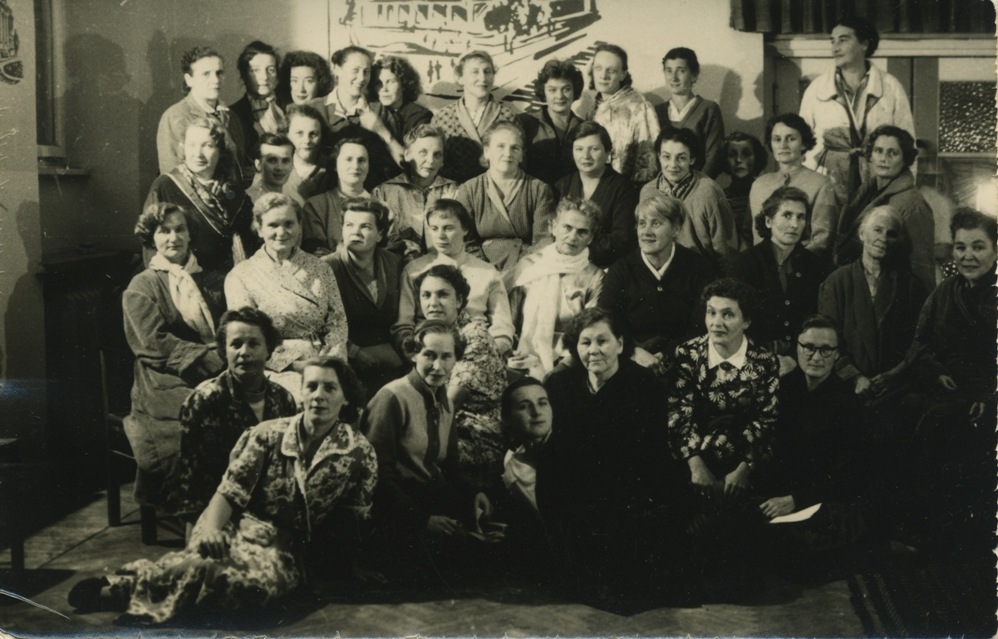
…by concentration camp survivor and French war heroine Jacqueline Péry d’Alincourt, who, along with other French, Polish, and Czechoslovakian political prisoners interned during World War II at the Ravensbrück concentration…
Read
…making its facilities available to social, civic, philanthropic, and arts groups for meetings and events. Throughout the war it hosted the meetings of such groups as the Hartford War Chest…
Read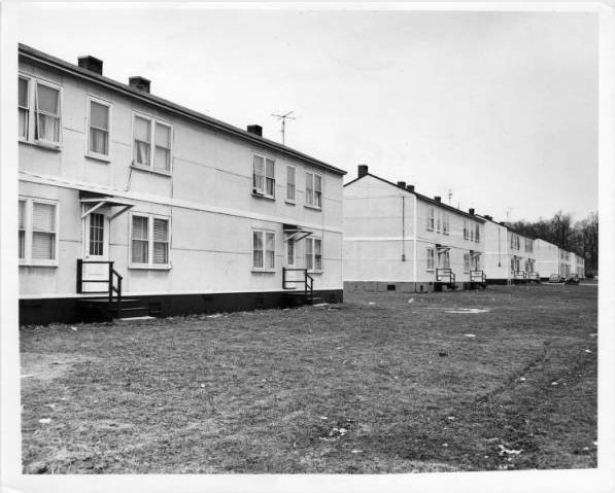
…War II public housing tract called Oakwood Acres. During this period, public housing tracts were created to shelter the many war workers and their families drawn to the Hartford area…
Read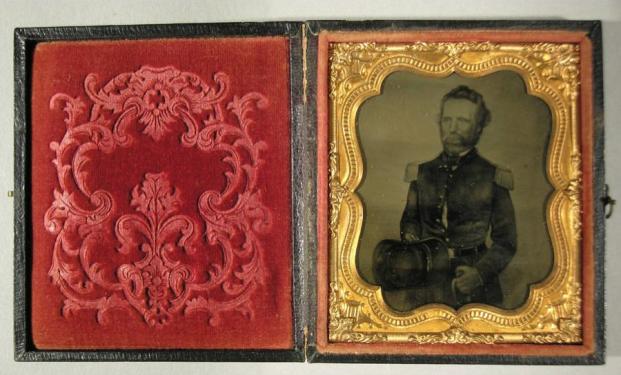
…10, 1861, at Wilson’s Creek, Missouri, Nathaniel Lyon became the first Union general to die in the Civil War. General Lyon Cemetery, Eastford – Dave Pelland, CTMonuments.net His death came…
Read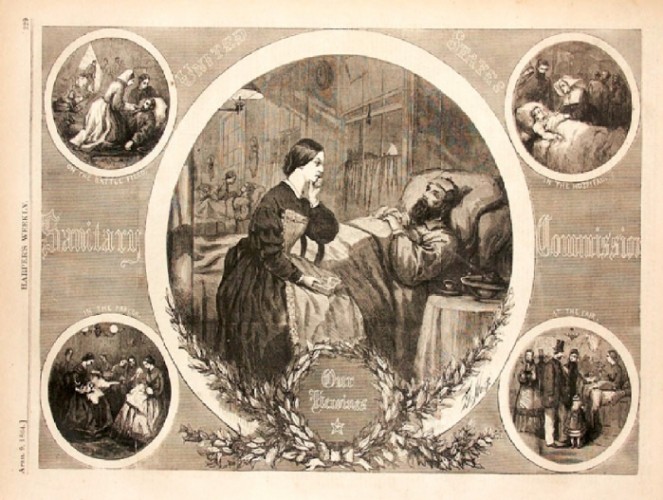
On July 25, 1864, the Stamford Ladies Soldiers’ Aid Society held a Sanitary Fair. Sanitary Fairs were established in response to the needs of Civil War soldiers beyond what the…
Read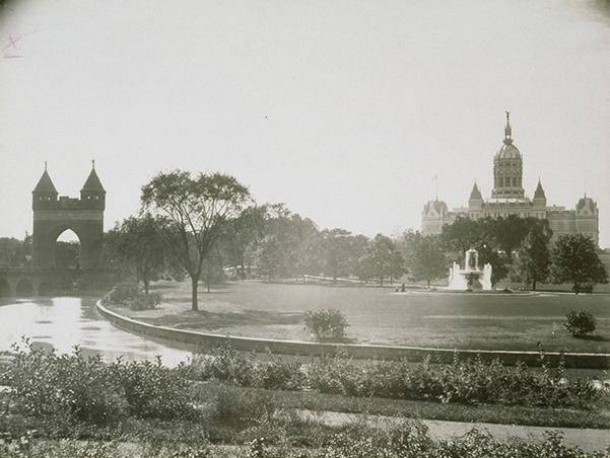
…Civil War. Designed by Hartford architect George Keller, the monument was the first permanent triumphal arch erected in the US. The Gothic Revival monument consists of two towers joined by…
Read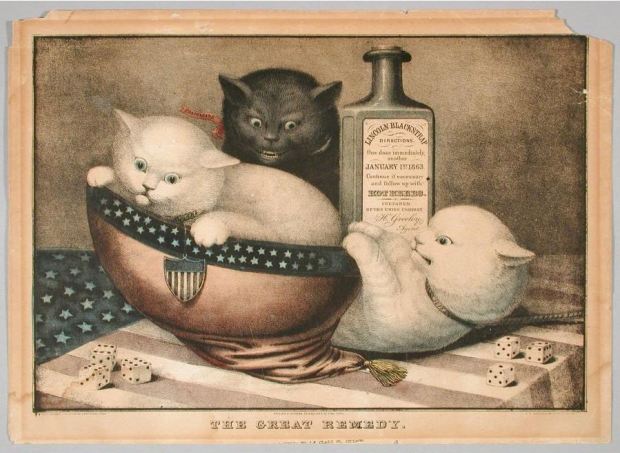
…Civil War. While the war would drag on for two more years and it would be another century before African-Americans achieved full equality under the law, the Emancipation Proclamation was,…
Read
…more dependent on slavery and helping bring about the Civil War. Turning points can continue to affect how society operates into the present and future. In 1878, the Boardman Building…
Read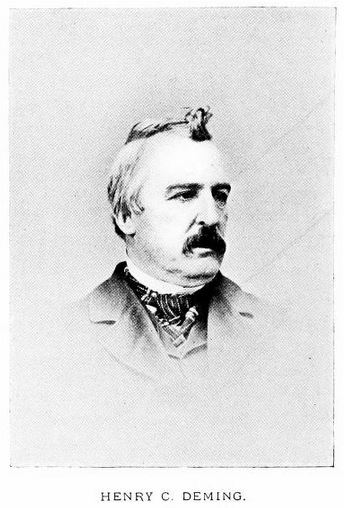
…also served multiple terms as Hartford’s mayor, from 1854 to 1858 and again from 1860 to 1862. Deming’s last year as Hartford’s mayor coincided with his entry into the Civil…
Read
…did not have showrooms, grave markers were sold through catalogs and part-time salesmen. Although the company did supply numerous Union and Confederate Civil War monuments to other states, it made…
Read
…Landing during the Civil War. This partnership was successful until 1862, when the brothers sold their company to local business partners Harris Cook and Alfred Brainerd, who operated under the…
Read
…of manufacturing in the decades before the Civil War and improved transportation networks, machine-produced household goods replaced earlier handcrafted furnishings. More fashionable and less expensive than the locally made goods,…
Read
…ship Housatonic in a matter of minutes during the Civil War. Even though the Confederate’s 40-foot Hunley was just a quasi-submersible that did not fully function undersea, the vessel still…
Read
…its appreciation for the servicemen and women of the Great War in numerous and profound ways. Hartford Commemorates the First World War Hartford Honor Roll in City Hall – Dudley…
Read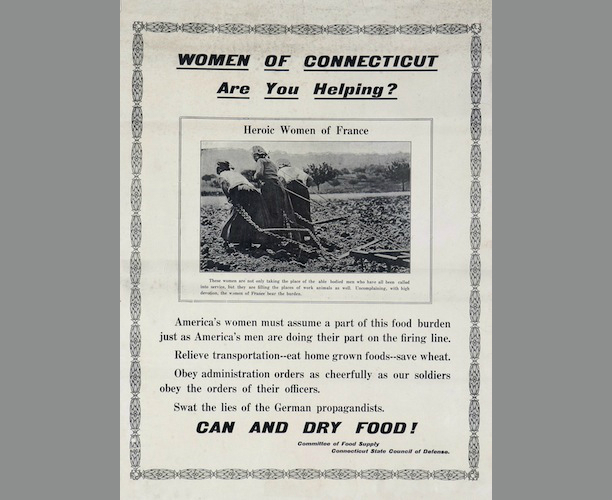
When the United States entered World War I in 1917, President Woodrow Wilson started the rallying cry of, “Food Will Win the War,” motivating Americans to increase farm production and…
Read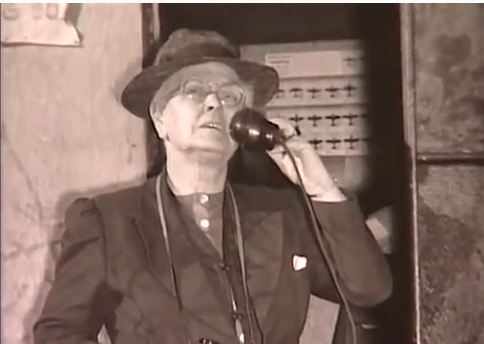
YouTube – CTHPrograms – Co-produced by Connecticut Public Television and Connecticut Humanities as part of the Connecticut Experience series on CPTV. This clip from Home Front: During World War II…
Read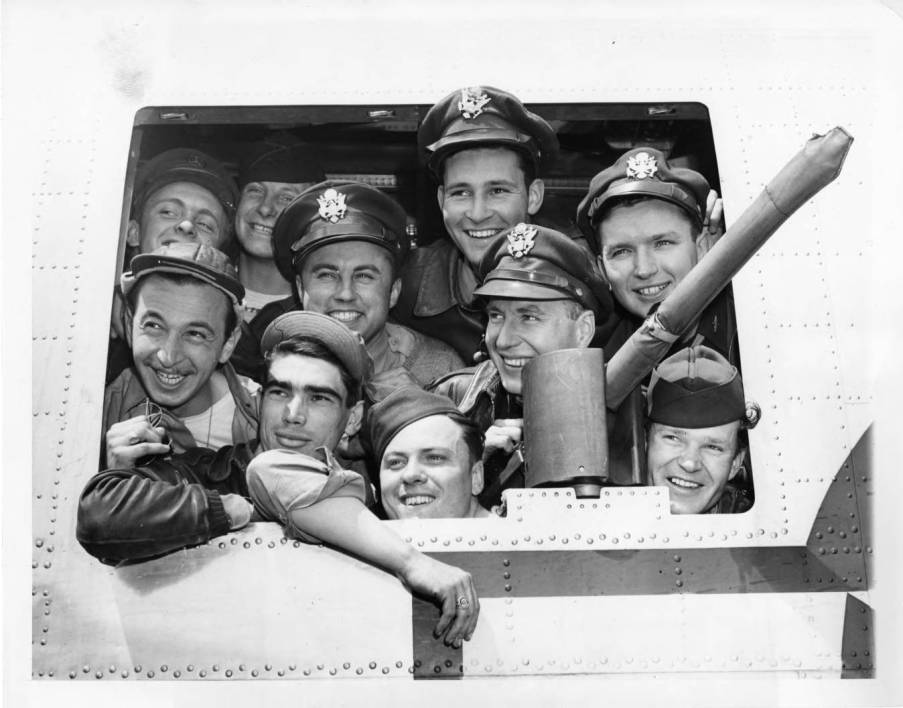
…1944, Army Air Force personnel and civilians completed one of the more impressive fundraising drives of the war bond effort. During a two-month period, personnel at Bradley Field attempted to…
Read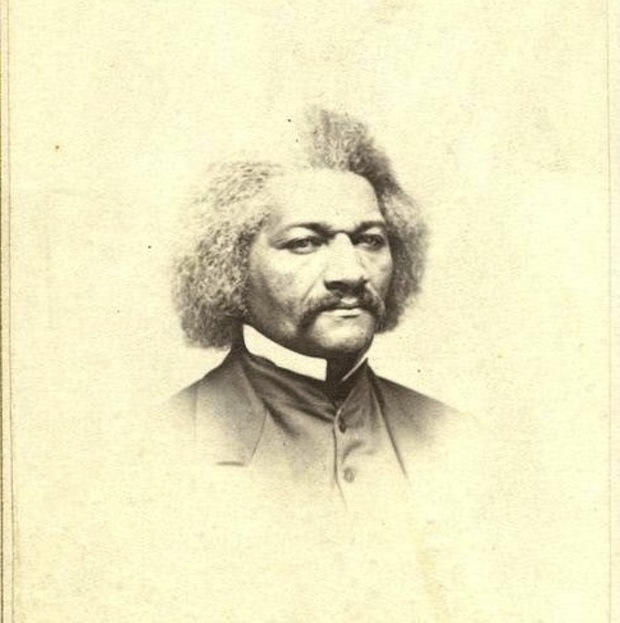
…paid less than their white counterparts for their Civil War service. Douglass had been active in recruiting young men to serve in the so-called “colored” regiments, including Connecticut’s 29th Regiment…
Read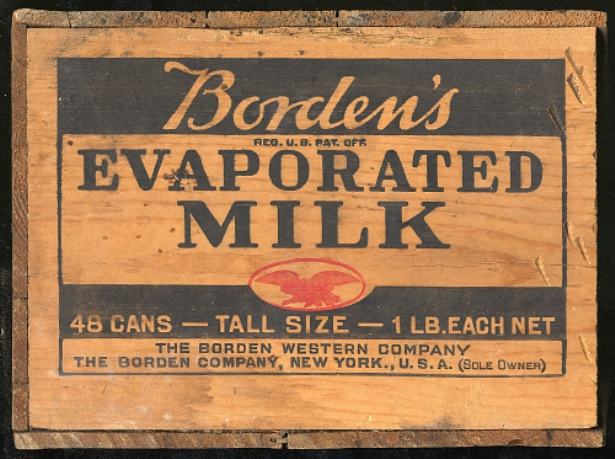
…Company. The company’s first major orders came from the US Government which used condensed milk to feed the troops during the Civil War. The company changed its name to the…
Read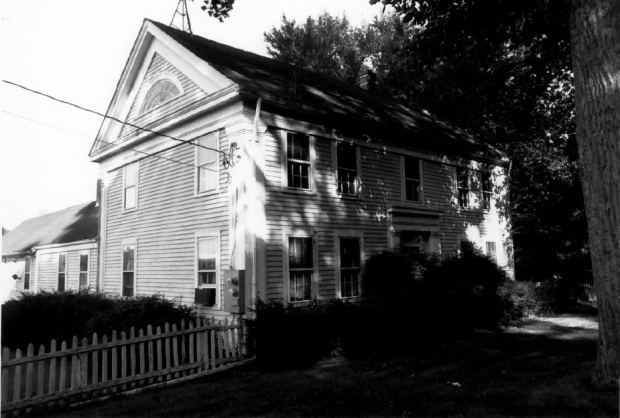
…he purchased property from the estate of Dr. Reuben Burgess, where Woodward lived for the remainder of his life. Civil War Service and Civic Spirit For the better part of…
Read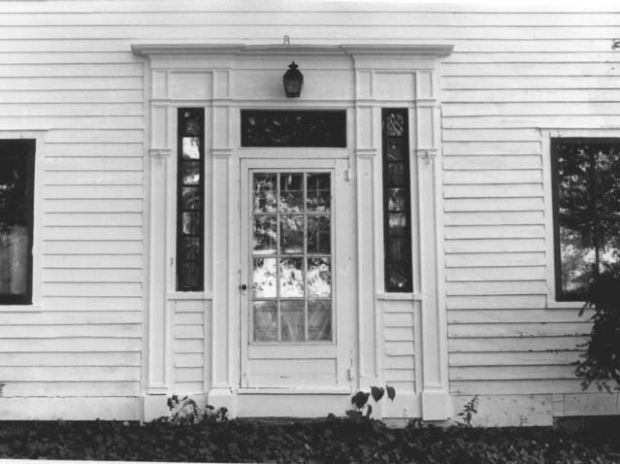
…of 2000, the Prospect Green Historic District contains 16 buildings, sites, and objects that include churches as well as a police station, volunteer fire station, grange, and Civil War monument….
Read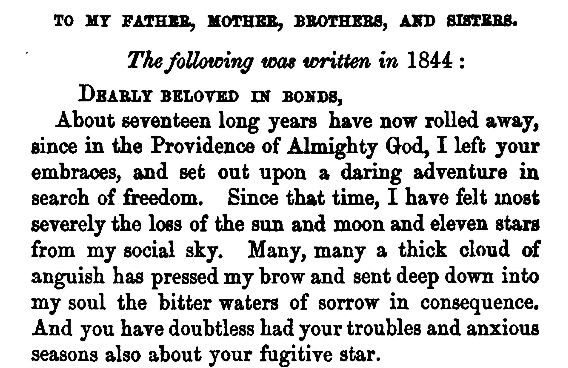
…The coming of the Civil War tested his pacifism. He eventually decided to add his voice to the list of powerful African American leaders, such as Frederick Douglass, who recruited…
Read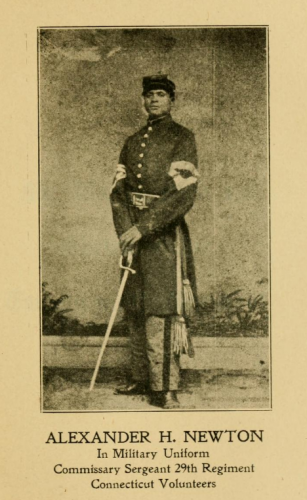
…into service to fight for the Union’s cause in the Civil War. Almost a year earlier, on January 1, 1863, President Abraham Lincoln had issued an executive order, the Emancipation…
Read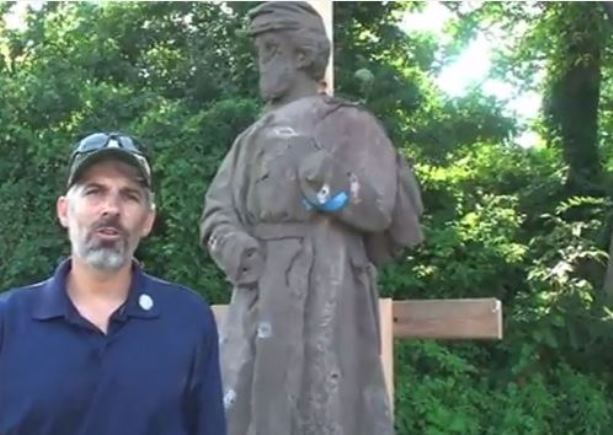
…the monument for over a century, Matthew Warshauer, co-chair of the Civil War Commemoration Commission, and Francis Miller, proprietor of ConservArt, the company contracted to preserve and relocate the statue….
Read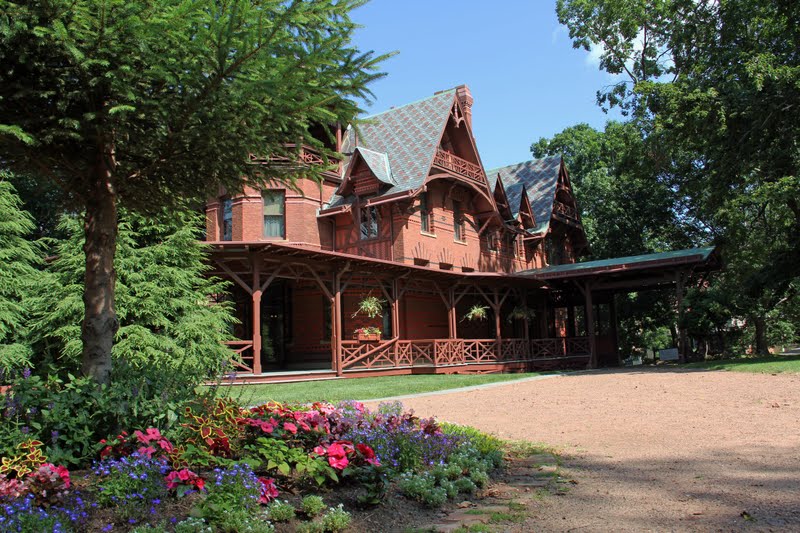
…in 1867, merging the two papers. He was a general in the Civil War and a war hero and narrowly won election as governor of Connecticut in 1866. He later…
Read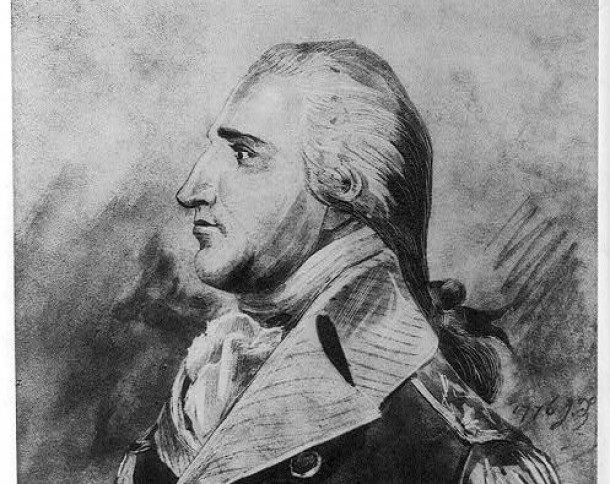
…as naval agent was signed by John Hancock two weeks later. Shaw profited from the war as owner of 10 privateers and part owner of 2 more. During the war,…
Read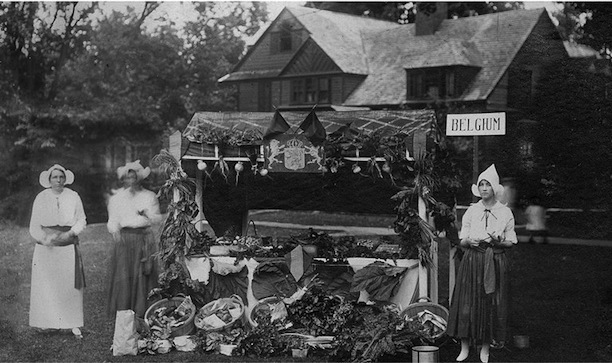
…In the spring of 1916, the Sister Susie Society even undertook the support of a Belgian war orphan named Daniel Bataille. They maintained this responsibility throughout the war and for…
Read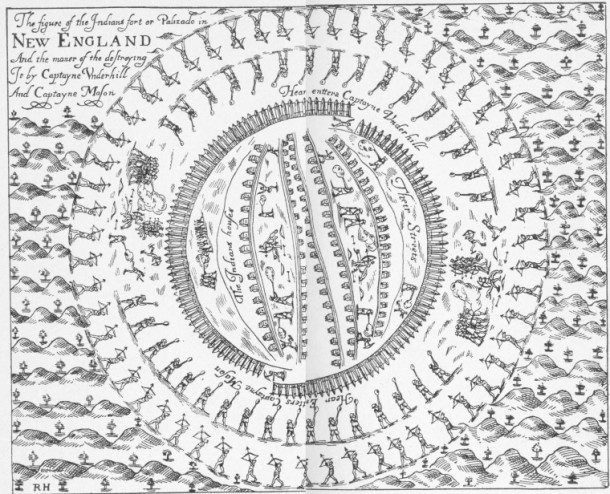
On May 1, 1637, Connecticut Colony declared war against the Pequot. This marked the first declared war in Connecticut between an indigenous people and English colonists. The conflict, though, had…
Read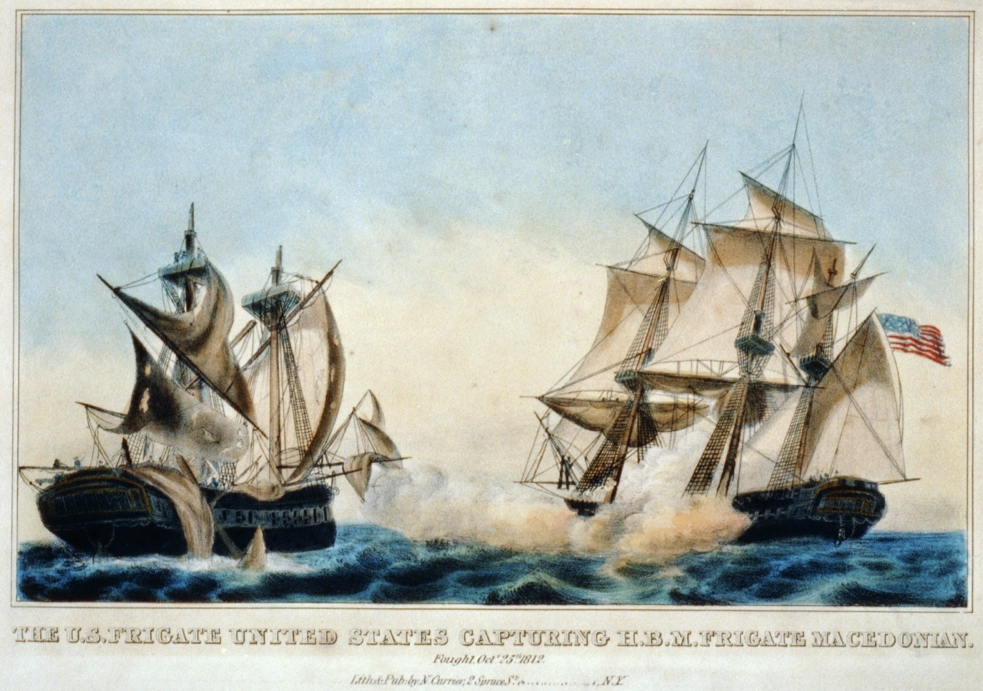
…Complications In 1813, US Secretary of the Navy William Jones had dispatched Decatur, hero of Barbary wars at Tripoli in 1803-1804 and conqueror of the British warship Macedonian in 1812…
Read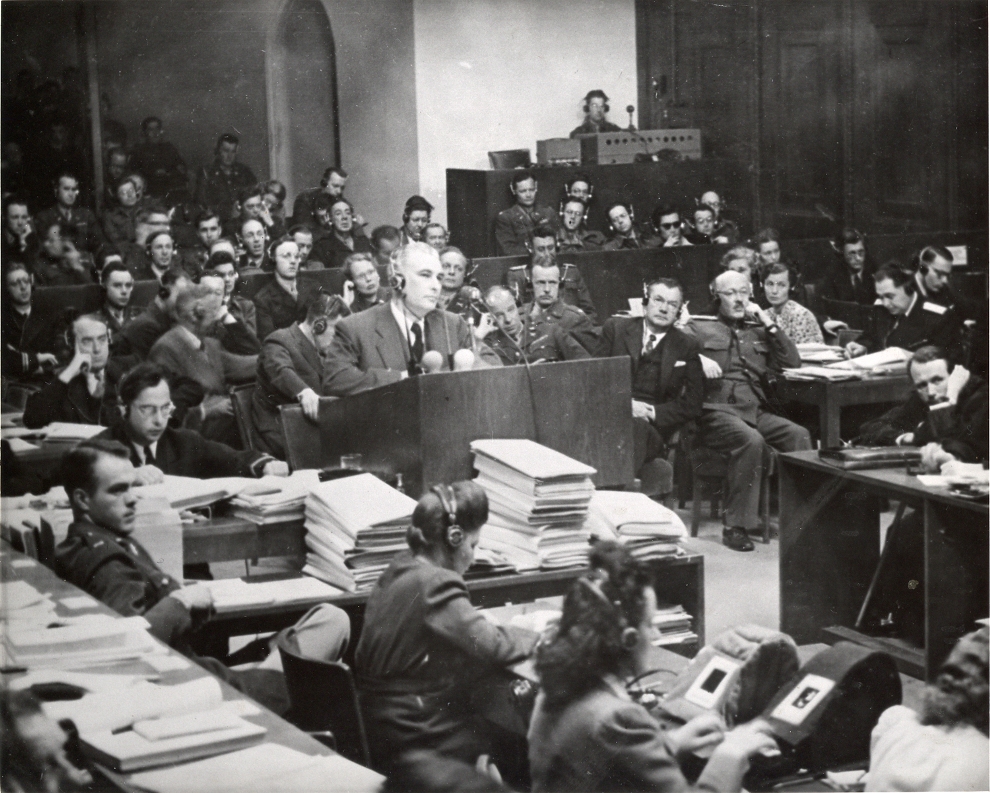
In the immediate aftermath of World War II, Thomas Joseph Dodd, a Norwich-born lawyer from Connecticut, served on the United States’ prosecutorial team as Executive Trial Counsel at the International…
Read
…haunted houses, spirits, and demonology led the couple to establish the New England Society for Psychic Research (NESPR) in 1952. The Warrens’ Early Years Ed Warren discusses supernatural phenomena with…
Read
The outbreak of the Pequot War (1636-37) is best understood through an examination of the cultural, political, and economic changes that occurred after the arrival of the Dutch in 1611…
Read
…World War II in the air corps, and serving again in the Korean War, Fowler returned to Connecticut, eventually becoming a resident of Unionville. He passed away at John Dempsey…
Read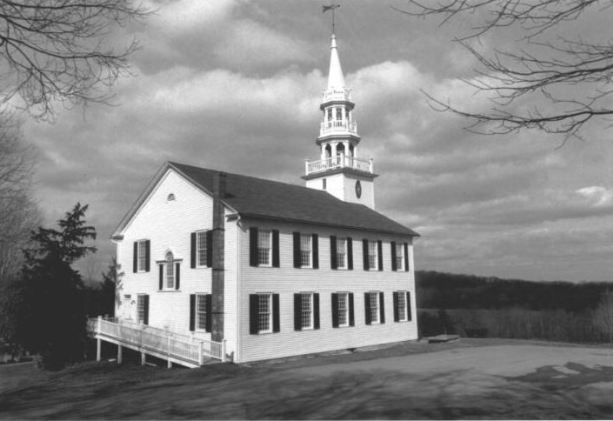
Located at 4 Sackett Hill Road in Warren, Connecticut, is the Warren Congregational Church. Designed in the Federal style, it received a listing on the National Register of Historic Places…
Read
…single greatest loss of American shipping of the entire war. During the War of 1812 the British navy’s blockade of Long Island Sound nearly shut down commerce along the Connecticut…
Read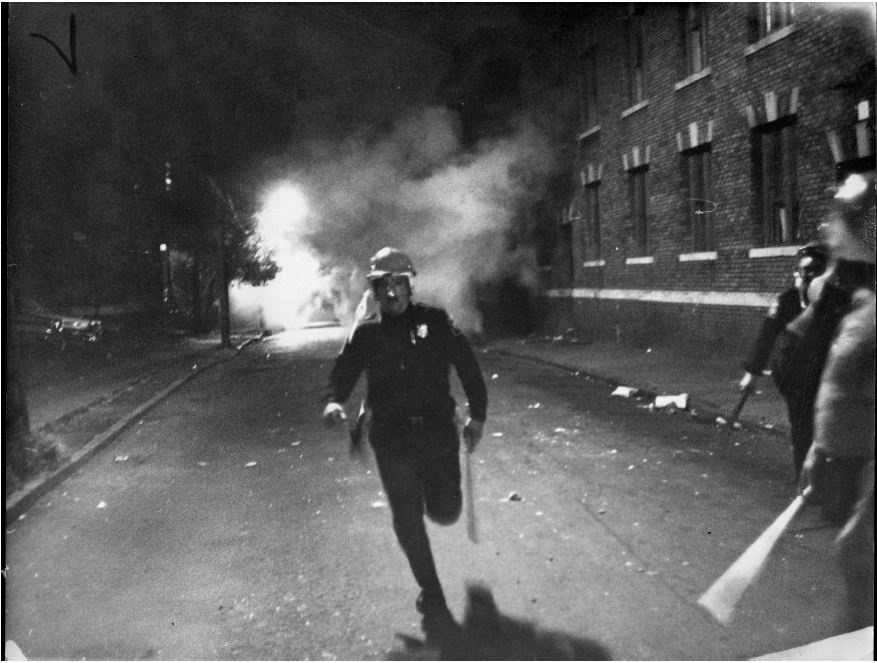
…that neglect, Senator Dodd (who called riots “an incipient civil war” targeted at whites) insisted the riots were the work of “black extremists” controlled by Red China and Fidel Castro….
Read
…I – The Colonial Era to the Civil War (1998 w/CPTV: 1 hour) African Americans in Connecticut, Part II – The Civil War to Civil Rights (1998 w/CPTV: 1 hour)…
Read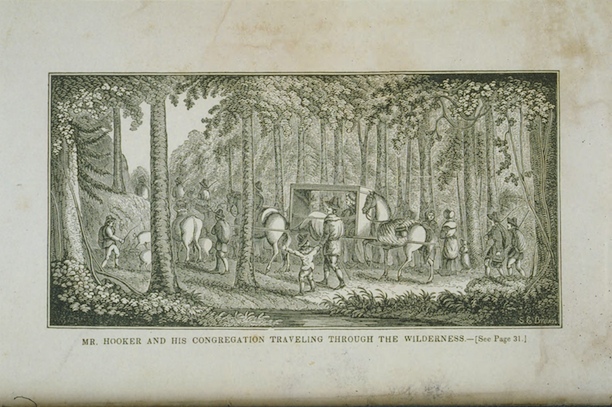
…population—adult male householders and landowners—was qualified to vote. Connecticut Feels the Effects of the English Civil War Increasing conflict back in England between Charles I and his Puritan subjects marked…
Read
…throughout the South, Morgan’s vessels faced harassment and seizure by both Union and Confederate forces during the Civil War, but he still managed to turn a profit from lucrative wartime…
Read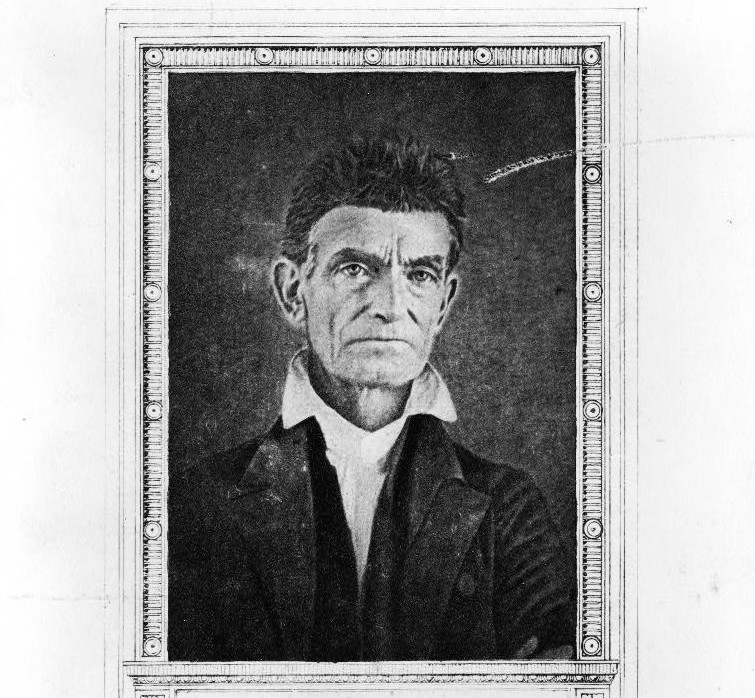
On May 9, 1800, the man who became a catalyst for the Civil War was born in an 18th-century saltbox house in West Torringford. John Brown, who would spend most…
Read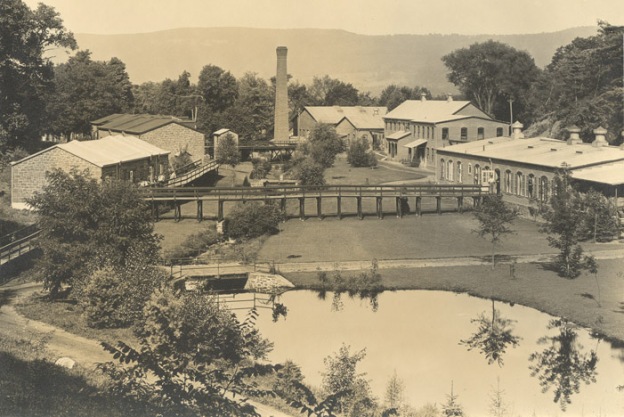
…he was elected to the Connecticut legislature. He served on a committee to raise troops when the Civil War began in 1861. The younger Toy obtained a captain’s commission in…
Read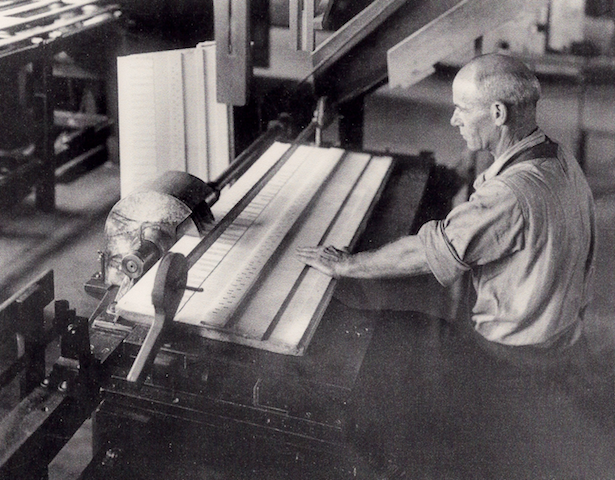
…prior to the Civil War, these men moved into that field. Their firms, however, were generally underfinanced, which limited production. Yet, what occurred in 1862 and 1863 made Deep River…
Read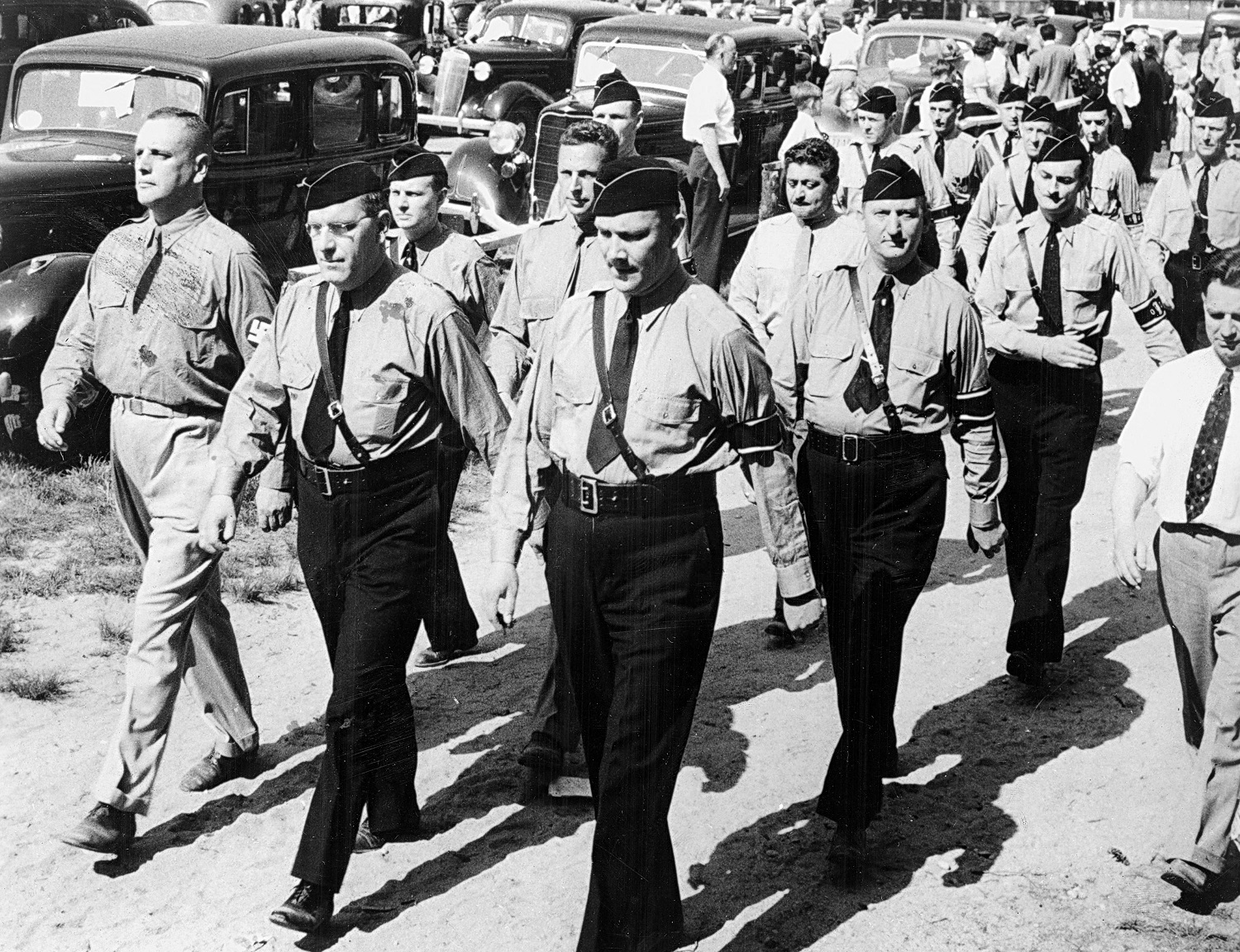
…military academy and joined the anticommunists (“Whites”) to fight the Bolsheviks (“Reds”) during the Russian Civil War (1918-1920). A lieutenant in the White Army, he admitted to participating in extrajudicial…
Read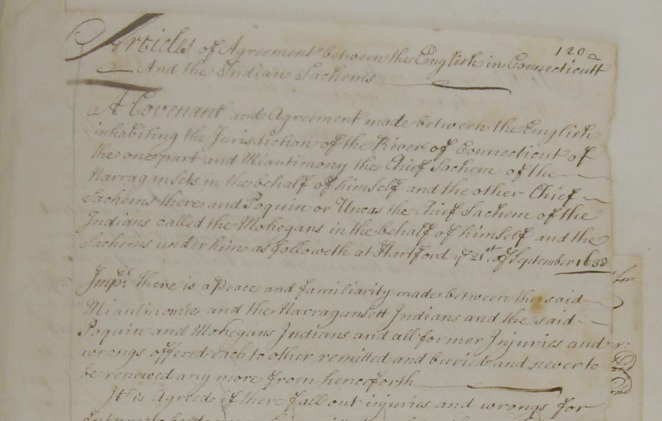
…of Fairfield. During this time and throughout the war, many captured Pequot men were killed, while women and children were given to colonists as spoils of war, placed in captivity…
Read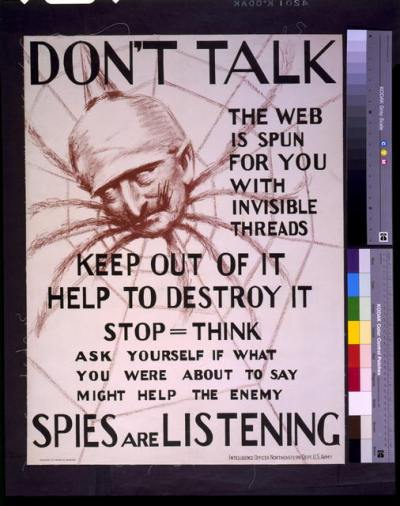
…that Greenwich had a special police unit trained to handle suspected foreign agents operating in Connecticut. By Karen Frederick and Anne Young During the First and Second World Wars, Greenwich’s…
Read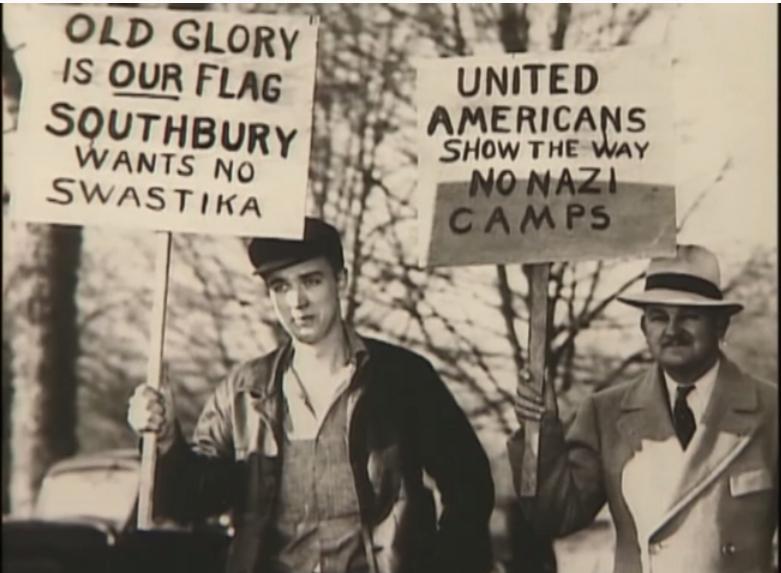
YouTube – CTHPrograms – Co-produced by Connecticut Public Television and Connecticut Humanities as part of the Connecticut Experience series on CPTV. This clip from Home Front: During World War…
Read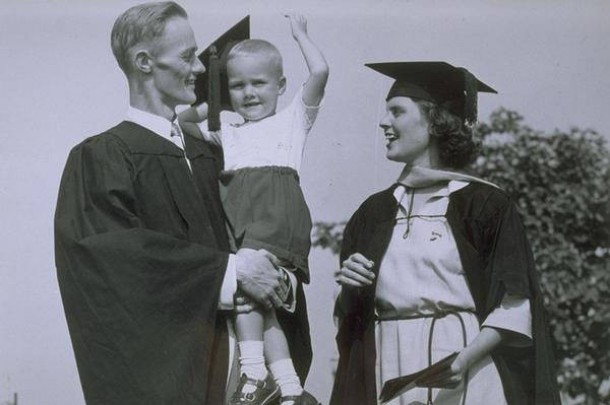
…in World War II, the university’s female students took leadership in campus organizations, but only for the duration of the war. In factories such as the Cheney Silk Mills in…
Read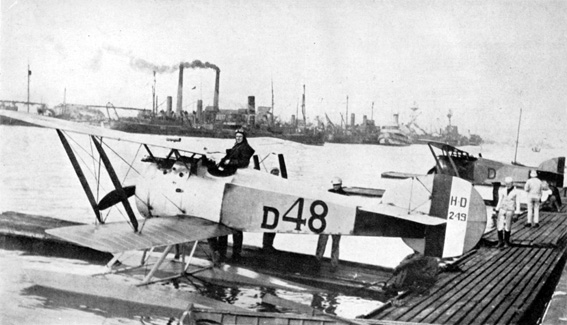
…and seven additional raids before the end of World War I. All twelve original Yale Unit members survived the war, though they lost friends along the way who had joined…
Read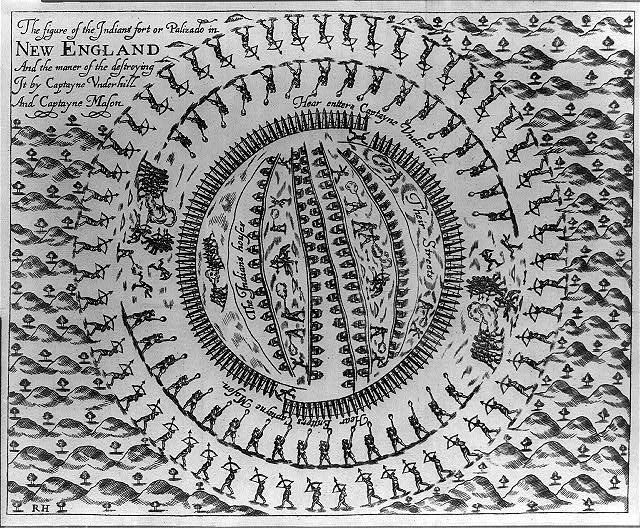
Pequot War (1636-1637) Though the major engagements of the Pequot War took place within a two-year span, the conflict had much earlier roots. After years of confrontations over land, trade,…
Read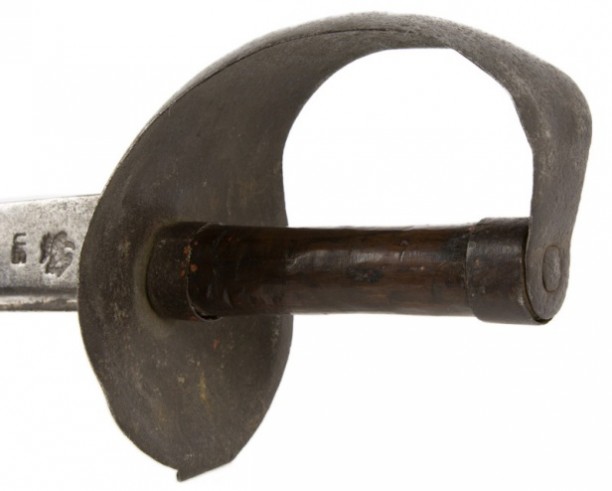
…and scabbards for the War Department after the Revolutionary War, making him the nation’s first sword manufacturer. Starr’s 1808 government contract called on him to produce this regulation Navy cutlass…
Read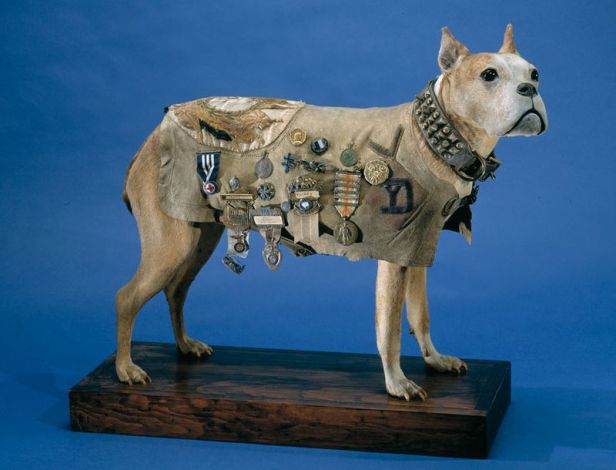
…When the division shipped out for Europe to fight in the First World War, Private Conroy managed to smuggle Stubby aboard the SS Minnesota the transport that brought the Connecticut…
Read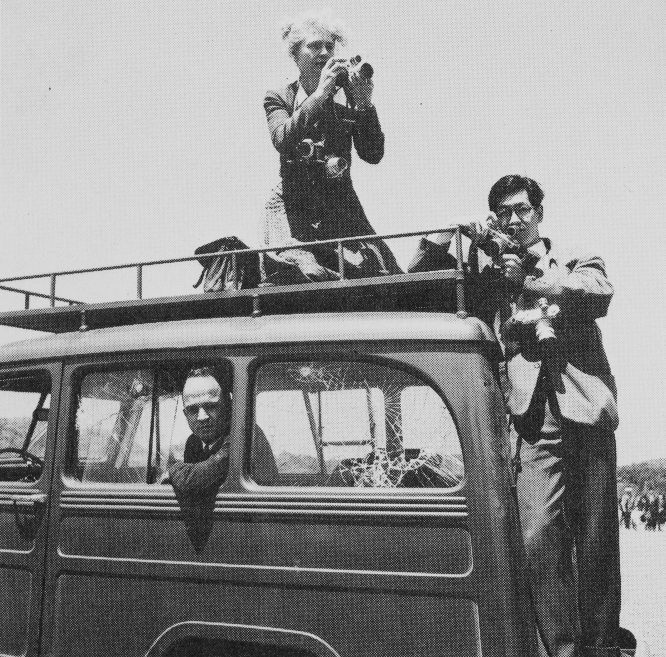
…South Africa, and the war in Korea. Bourke-White became one of the country’s most respected photojournalists, especially through the eras of the Depression and World War II. Among those who…
Read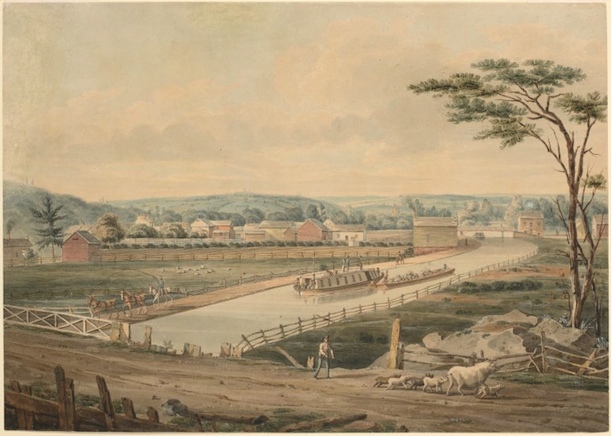
…(ASCE) declared him “The Father of American Civil Engineering.” One year later, the ASCE and the Connecticut Society of Civil Engineers donated a plaque to mark his birthplace in Wethersfield….
Read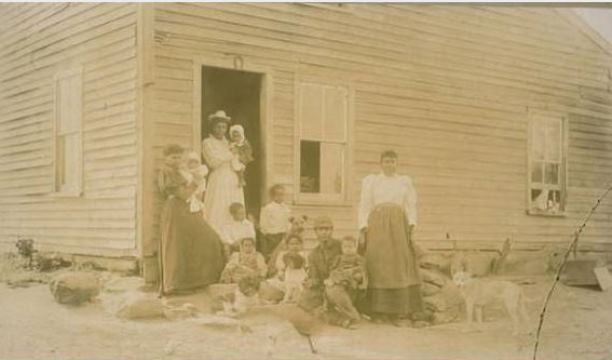
…decade before the Civil War. Considered by pro-slavery Southerners as “a damned black-hearted villain,” abolitionists met Brown’s radical exploits with a combination of admiration and revulsion. John Brown was born…
Read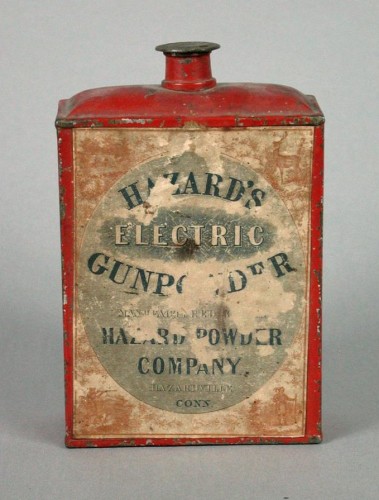
…as Hazardville. During the Civil War, the company supplied 40% of all the gunpowder used by the Union army. Success, however, did not increase safety in an inherently dangerous business….
Read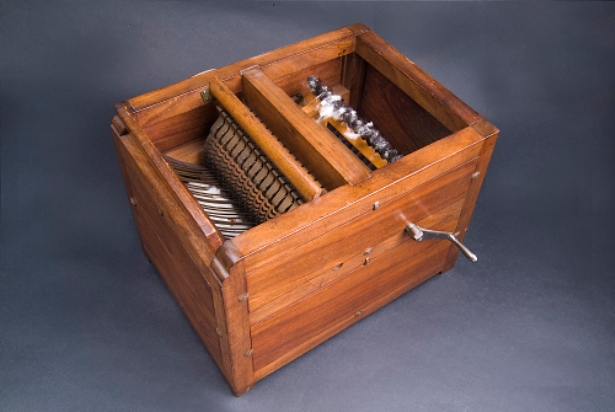
…slave labor. Whitney’s manufacturing methods fueled the industrial development of the North. In the 1860s, the inevitable collision between the two systems resulted in the bloodbath of the American Civil…
Read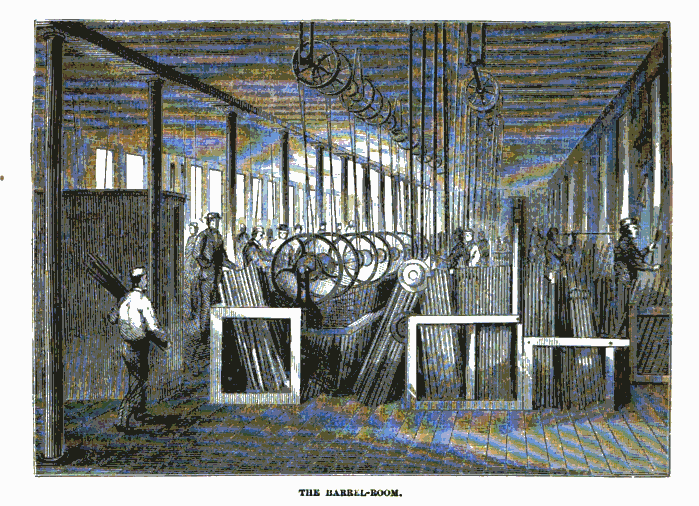
…Company, and the Norwich Arms Company, all provided armaments used during the Civil War. James Mowry, the founder of the Norwich Arms Company, won a contract in 1862 for 30,000…
Read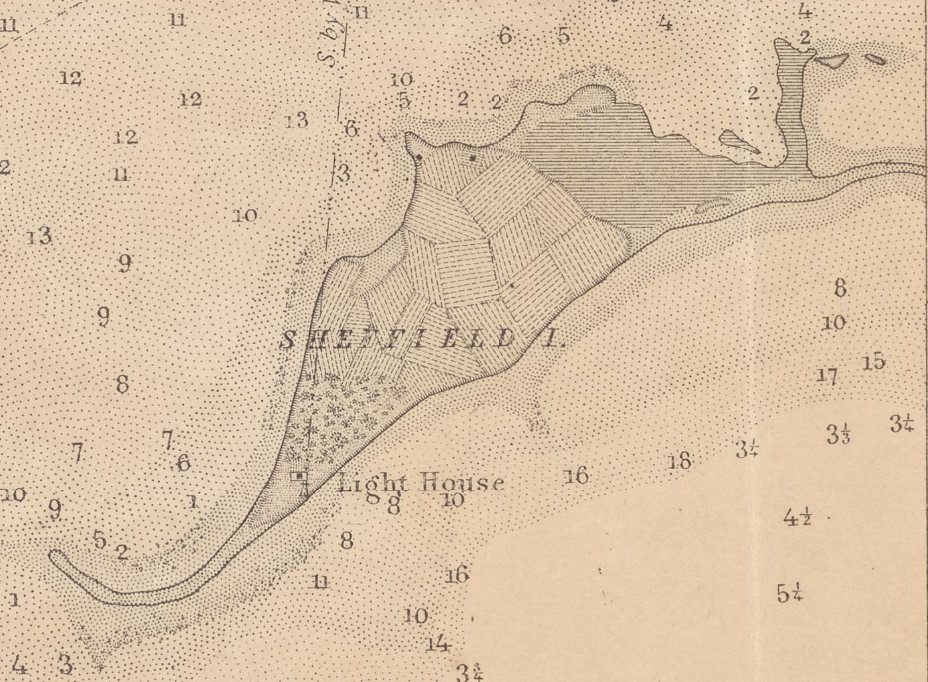
…the lighthouse until his death in 1845 when Lewis Whitlock became keeper and worked on the island through the advent of the Civil War. Sailors often complained that the light…
Read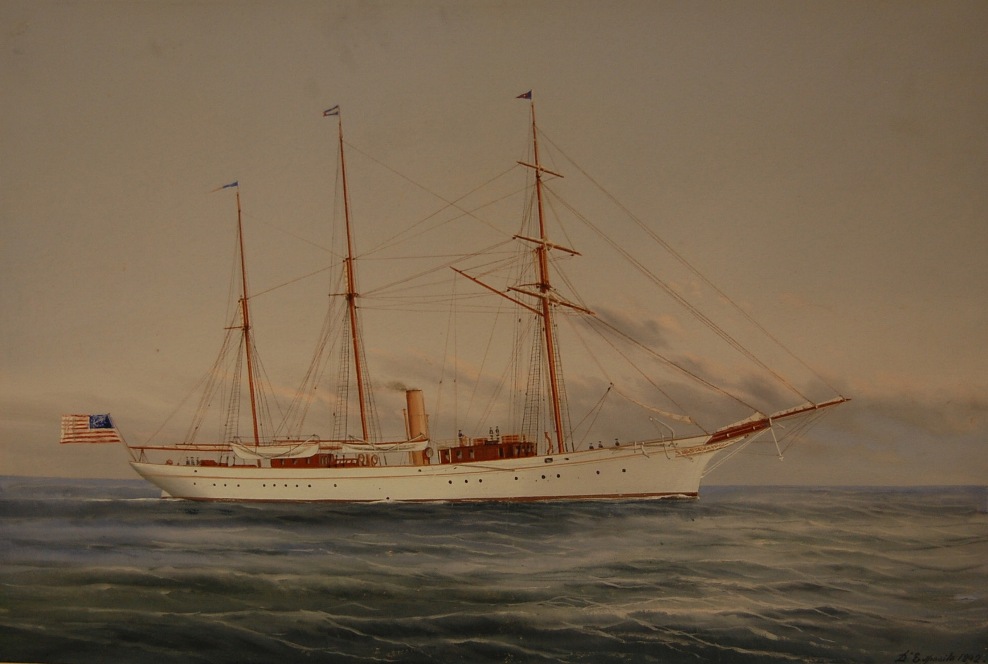
…to serve as a convoy escort during World War I and conveyed relief supplies after the war. She participated in at least one dramatic rescue during the war and remained…
Read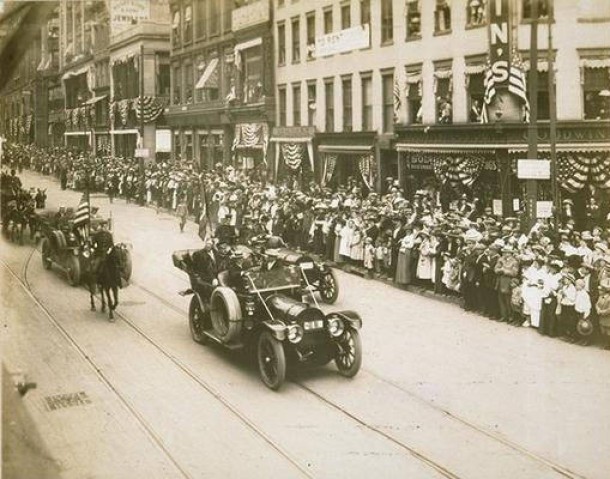
…to such notables as George Washington, Andrew Jackson, and William Tecumseh Sherman. The unit’s duties, however, have not been limited to official state ceremonies. During the Civil War, the unit…
Read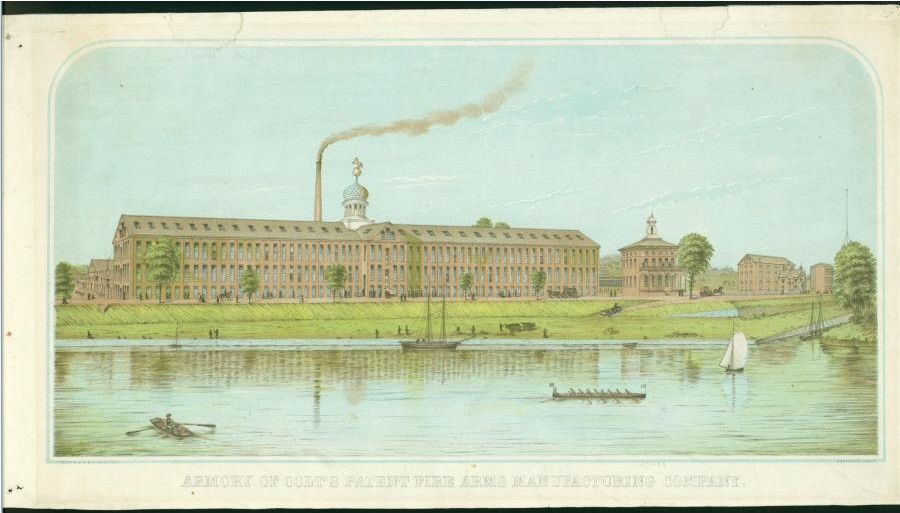
…sustain his business, Colt had to fold his company in September of 1842, leaving him in debt. A War with Mexico Renews Demand The outbreak of the war with Mexico,…
Read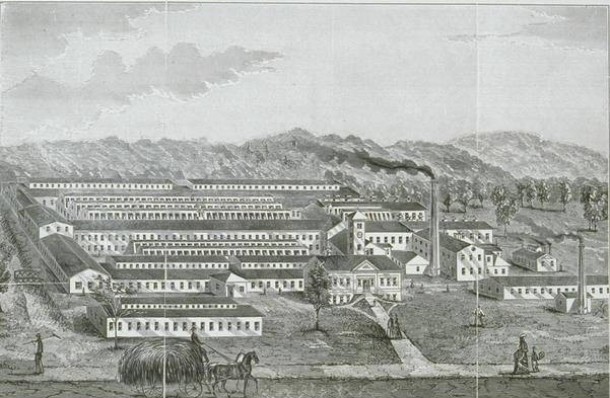
…Spencer Guns were ultimately produced before the Spencer arms division was sold to the Winchester company following the Civil War. Cheney’s Business Flourishes and Fuels Community Growth In 1867, the…
Read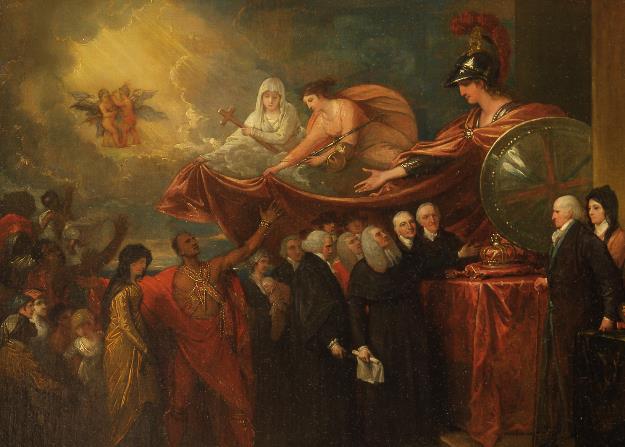
…War Turns As critical colonial victories began changing the course of the war in the summer of 1777, the governor of Connecticut issued a proclamation, in accordance with the Assembly,…
Read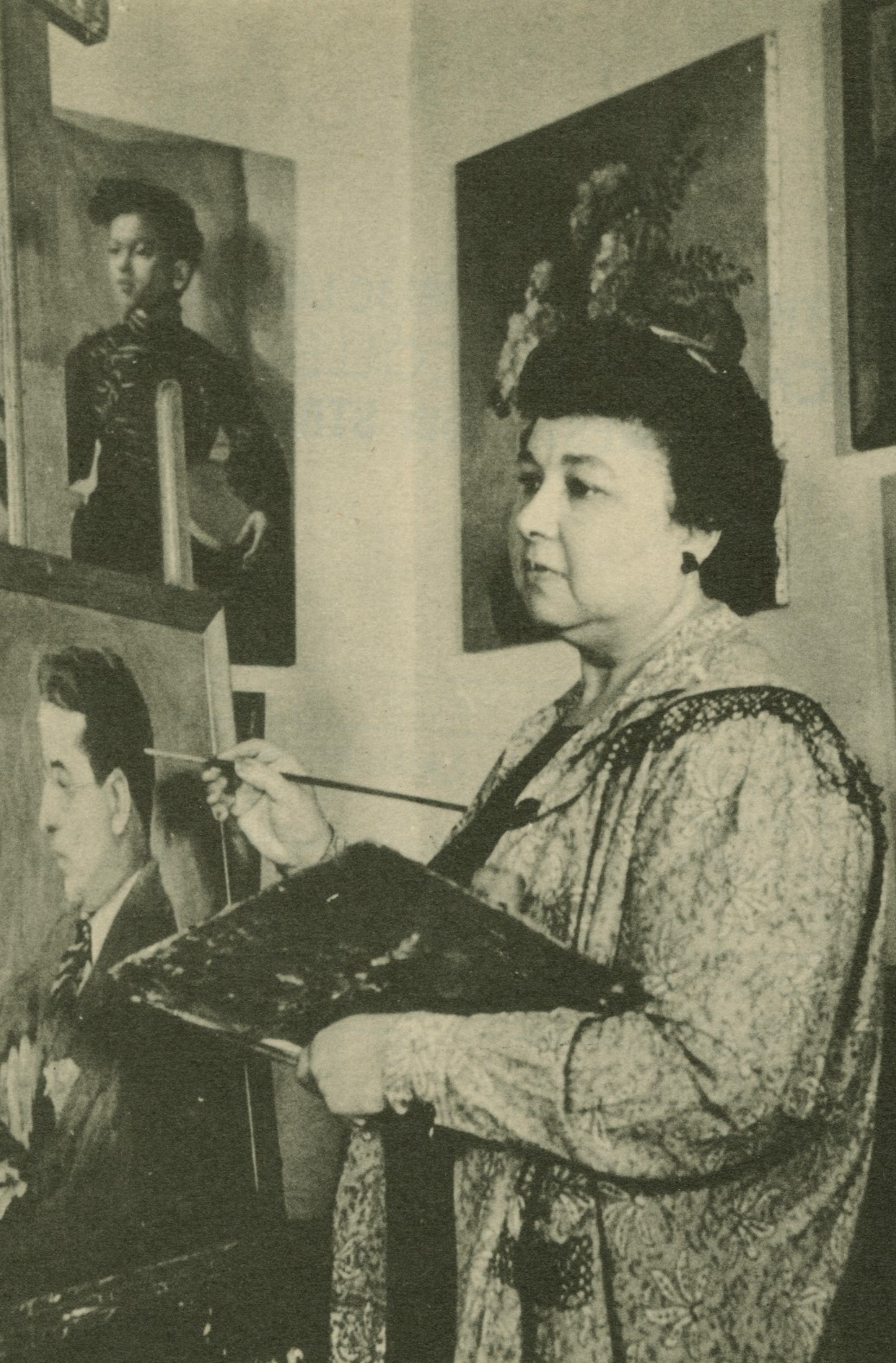
…bring their subject’s achievements to light and were a testament to their accomplishments—aiding the early civil rights movement. Waring was also a member of the NAACP and a contributing artist…
Read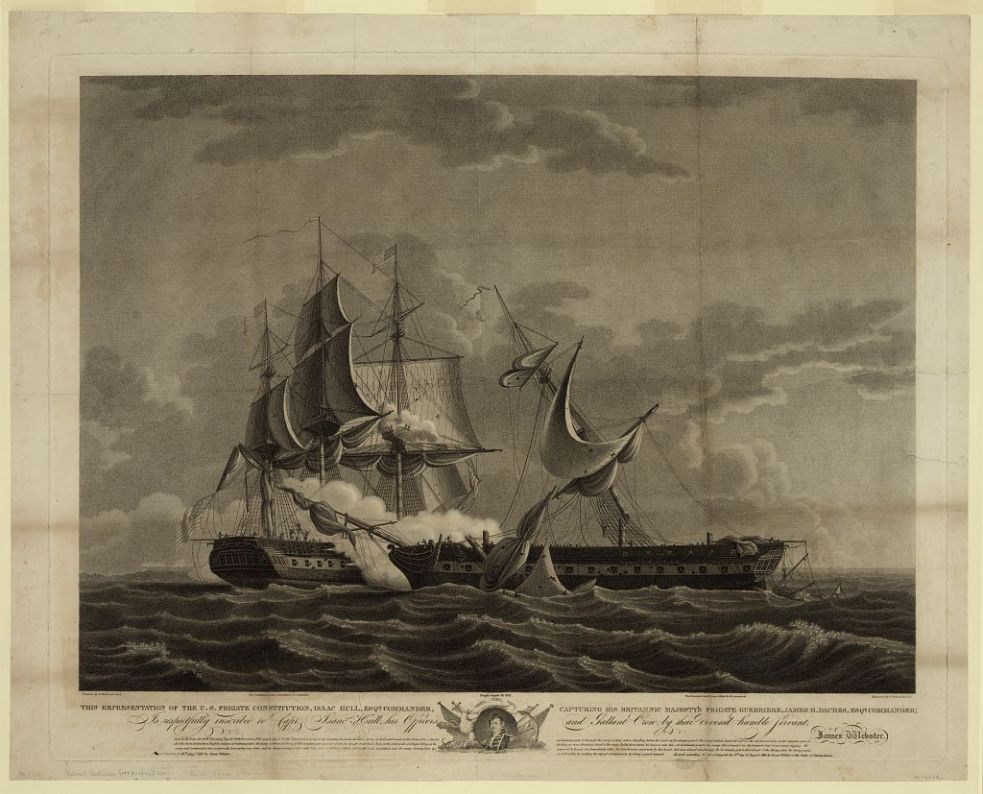
By Carolyn Ivanoff for Connecticut Explored Men fought the War of 1812 over an enormous area, from Canada and the Great Lakes to the mouth of the Mississippi and along…
Read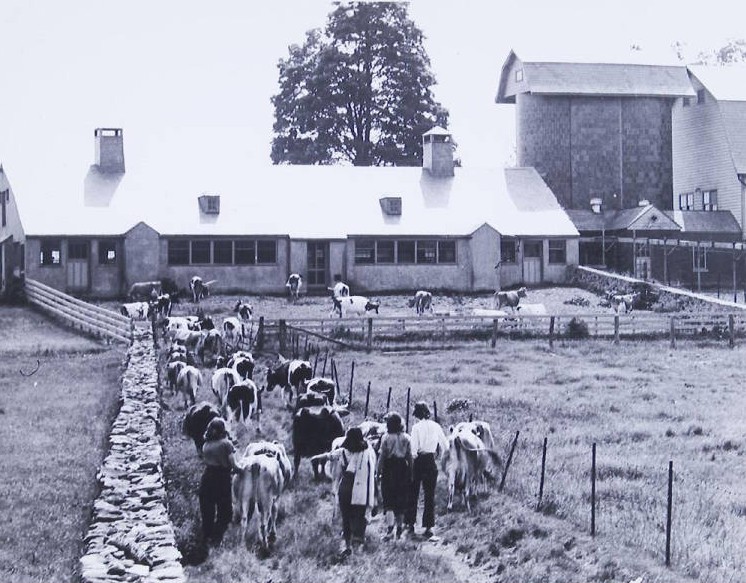
World War II (1941-1945) In 1939, as war dawned in Europe, Connecticut debated. Those dubbed isolationists urged US detachment while internationalists favored a united response to the Axis. As pro-war…
Read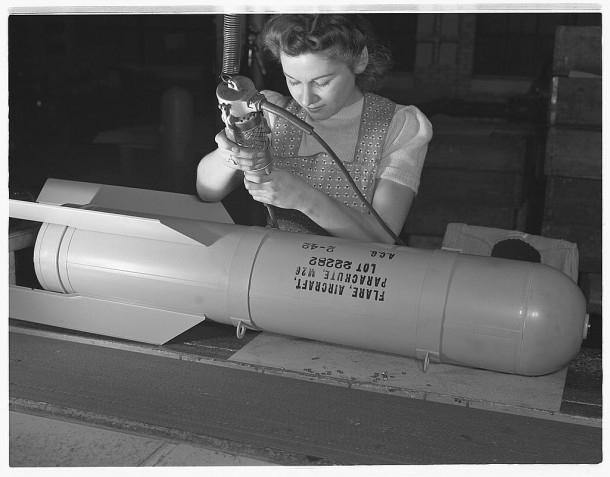
…and weaponry critical to victory. This helped make the Revolutionary War, World War II, and other conflicts ongoing focal points for patriotic commemoration. And, while war has sometimes fueled technological…
Read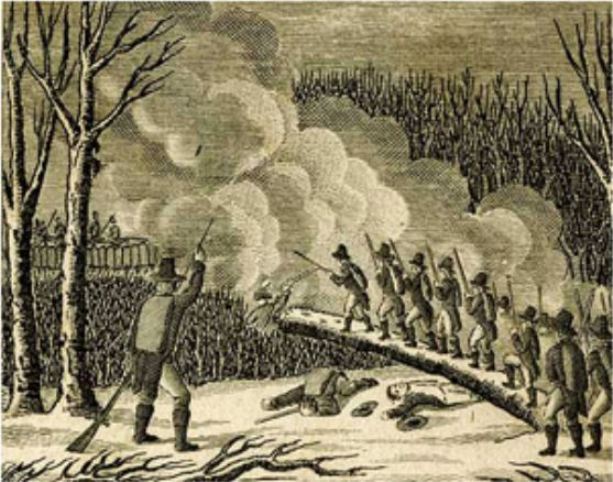
…to him by the English. His death in 1676 essentially ended King Philip’s War, a violent and bloody conflict between the Wampanoag and English colonists. While most of the fighting…
Read
…war was not limited to the newspaper; she also joined the Red Cross and helped form a local chapter of The Circle for Negro War Relief in 1918 which helped…
Read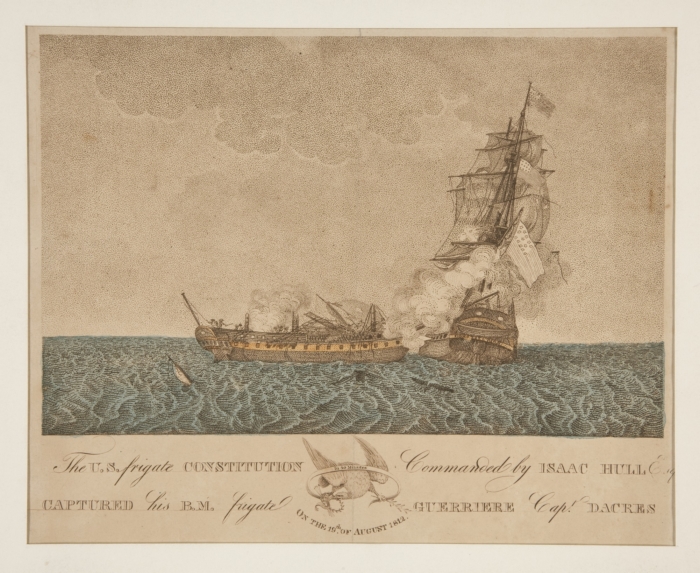
…and Stonington garnered increased support for the war. Arms, munitions, and textile manufacturers in the state benefited, as did privateers, by meeting wartime needs. Connecticut also supplied a national hero:…
Read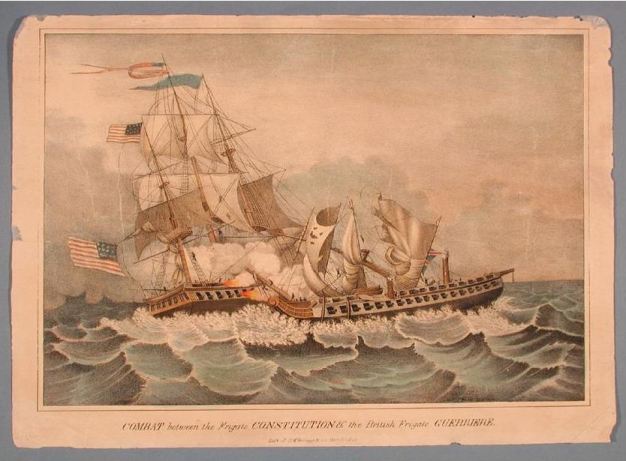
…who felt the country had won a “Second War of Independence.” Despite its indecisive conclusion, the war’s outcome was seen as a validation of the freedom the United States had…
Read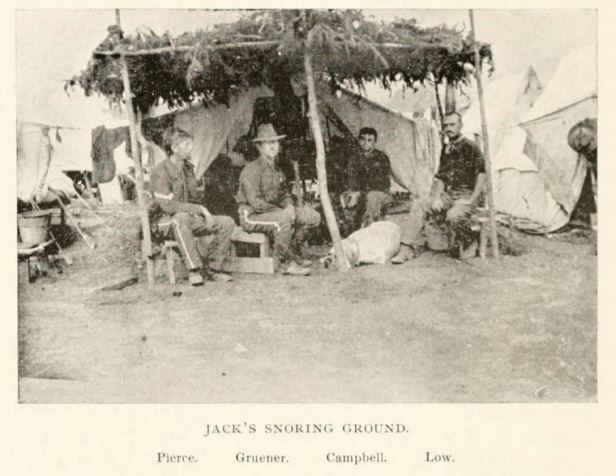
… that although Jack Brutus’s military status was unofficial, he became the official mascot of Company K of the First Connecticut Volunteer Infantry during the Spanish-American War. Jack Brutus, or…
Read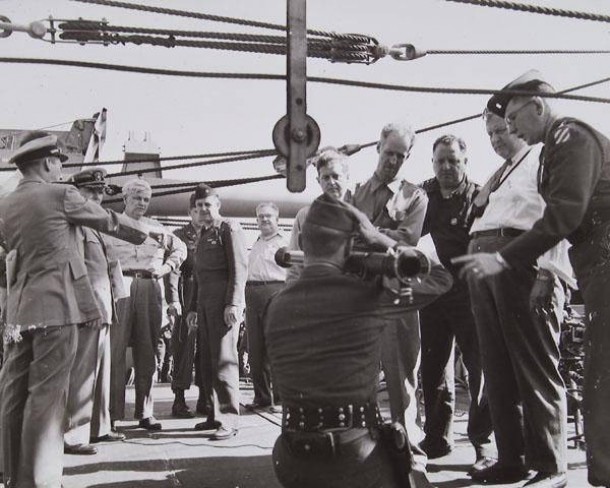
…penetrate the heavy armor of enemy tanks in World War II, and when Army Major General L.H. Campbell Jr. briefed the press, he described the bazooka as “so simple and…
Read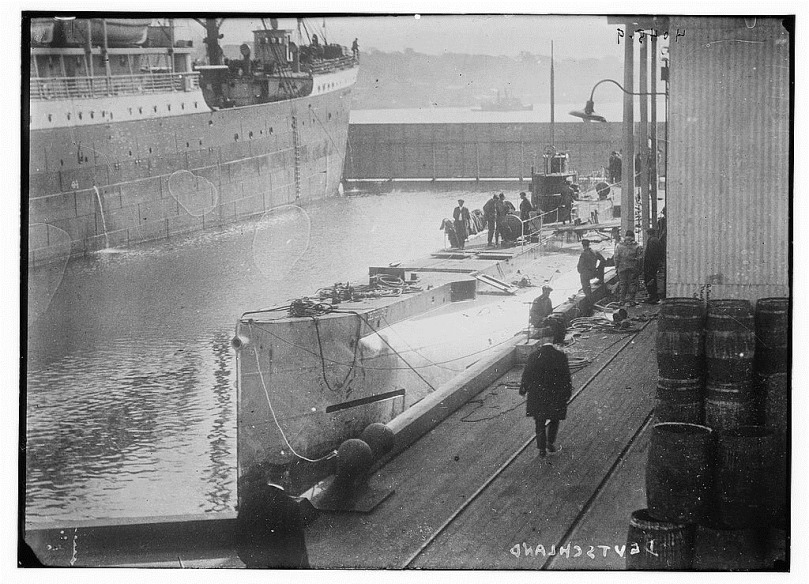
…the German navy acquired the Deutschland and converted her into a warship. In her navy tenure, she successfully sank 42 ships. At the war’s end (in November of 1918) Germany…
Read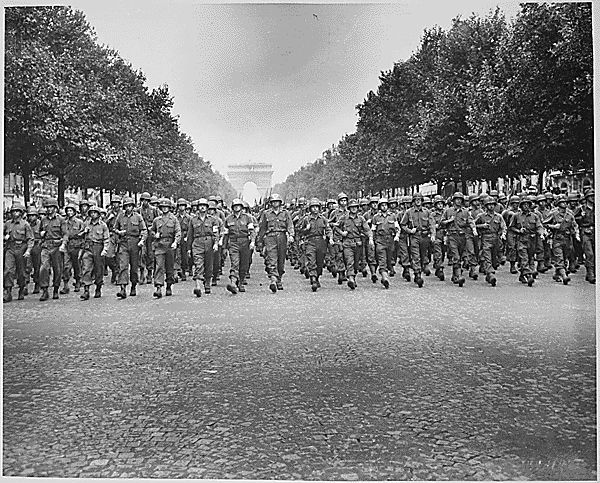
…training in Wales and England. The 28th Infantry Division Enters the War On July 22, 1944, the 28th Division entered the war with a landing on the beaches at Normandy….
Read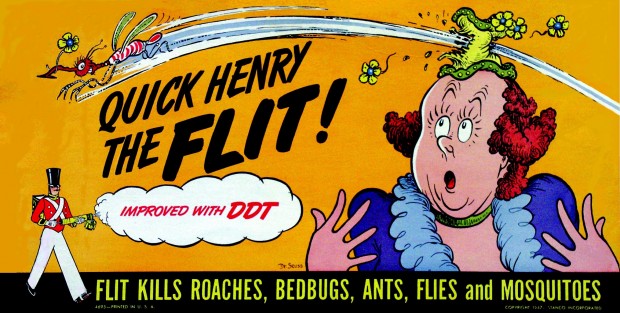
…enterprise encourages men to invent, create, and improve… – World War II Posters, Office of War Information, National Archives Dr. Morton Biskind In the late 1940s, however, a Westport physician…
Read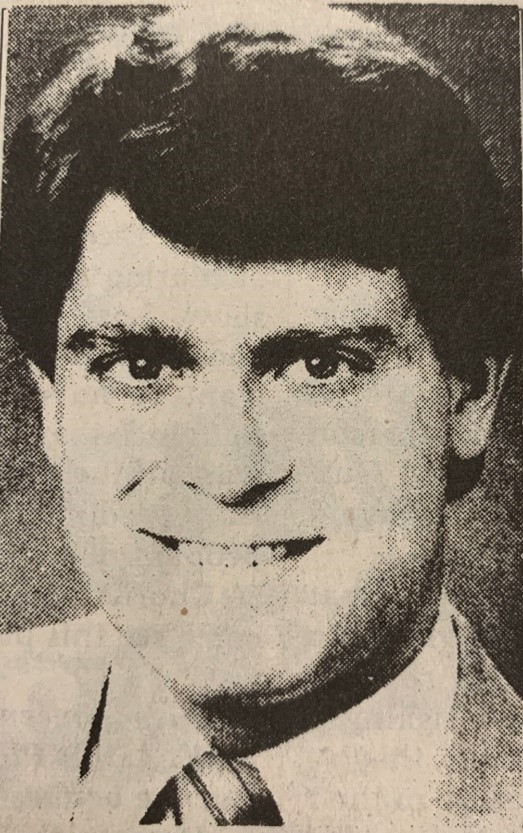
…for over a decade prior, the incident galvanized and mobilized people. Already grieving from the AIDS epidemic, the community came together to organize and transform LGBTQ+ civil rights legislation in…
Read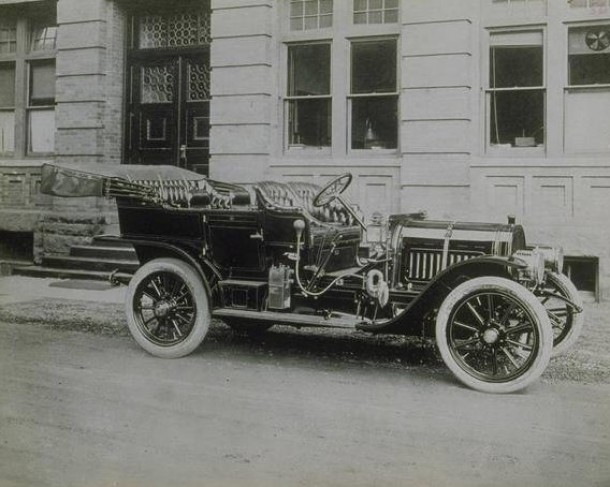
…Quincy Market. In 1871, Pope married Abby Linder, with whom he had six children. By then he was a Civil War veteran, having joined the 1st Company, 35th Massachusetts Volunteer…
Read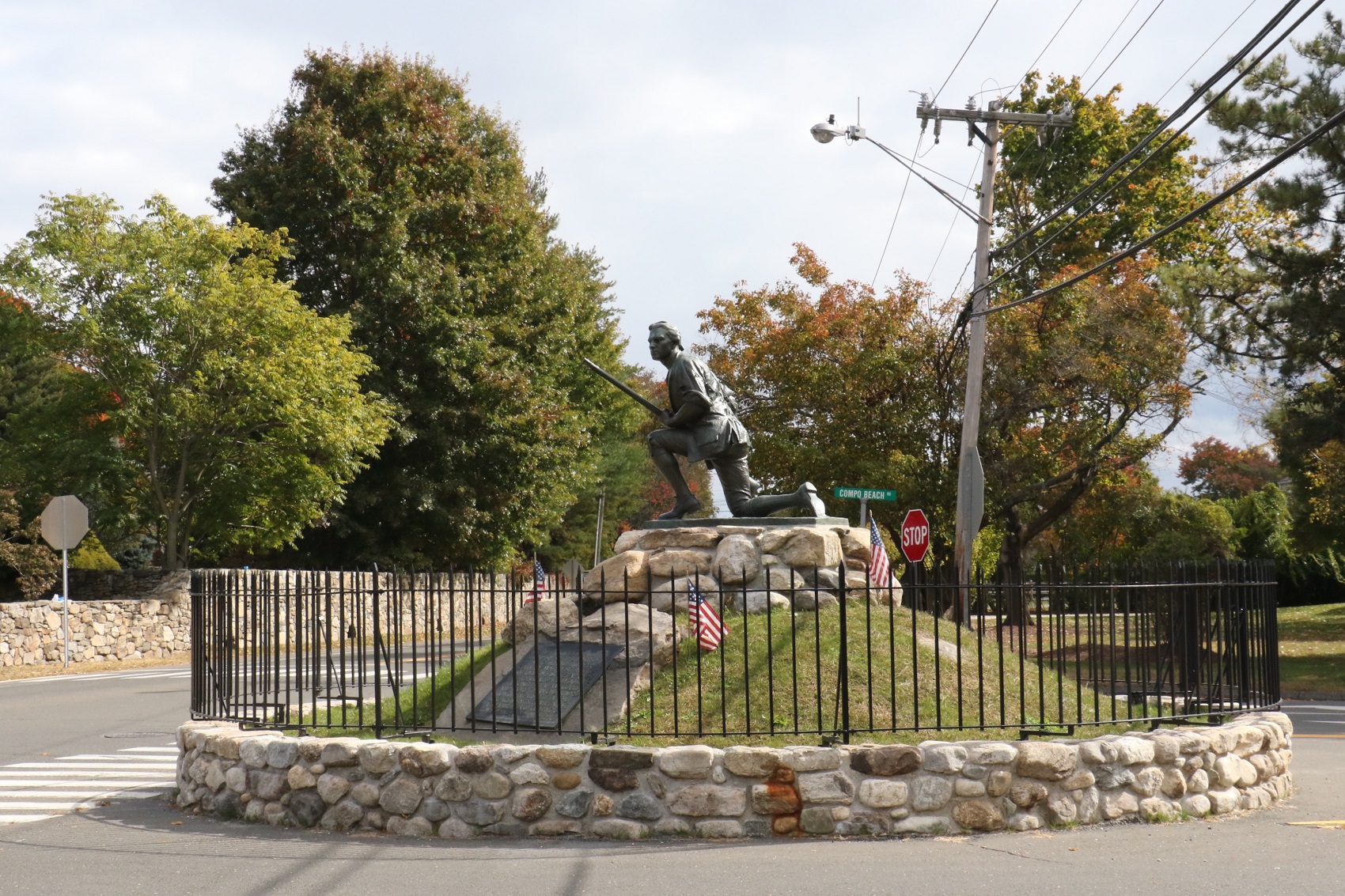
…centuries who benefited from the nation’s desire for sculptural projects honoring historical figures and heroes of other conflicts after the Civil War. To provide scope, The American Art Annual for…
Read The Rise of the Factory The Civil War propelled Colt, New Haven‘s Remington Arms, and other Connecticut weapons producers to new heights of production. The state’s munitions industry maintained its…
Read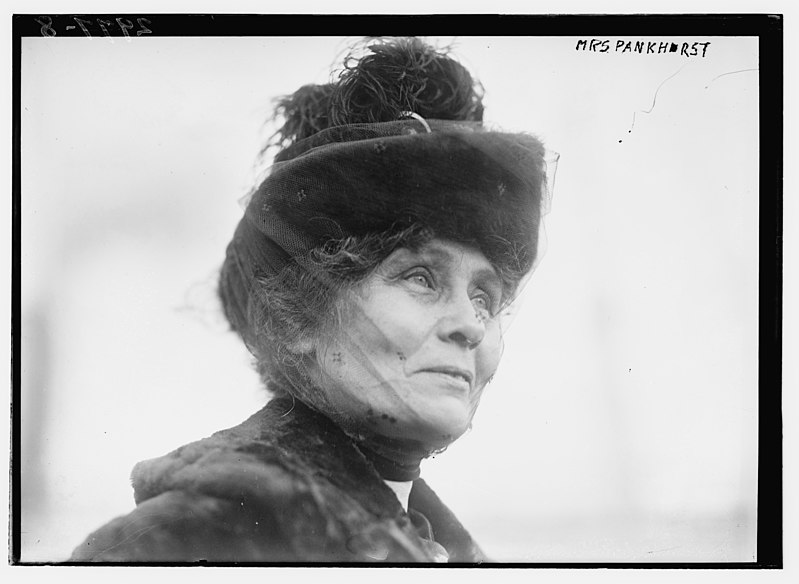
…left the field of battle in order to explain . . . what civil war is like when civil war is waged by women.” The Guardian named her 90-minute “Freedom…
Read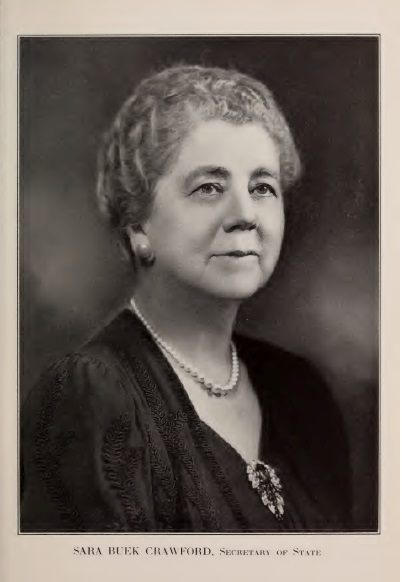
…sisters. In 1861, a sixteen-year-old Charles enlisted with the 41st New York Volunteer Infantry to fight in the Civil War. Branded the DeKalb Zouaves, the regiment was comprised of German…
Read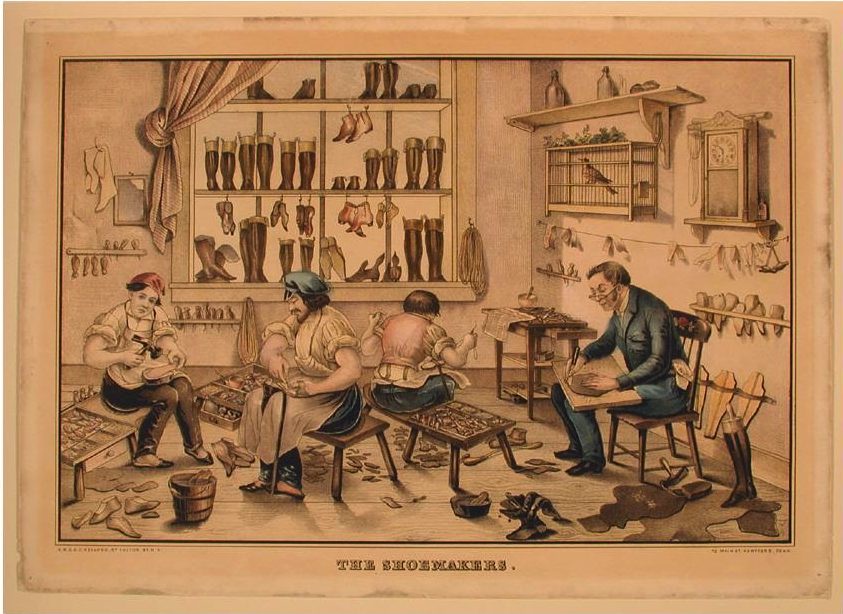
…Benedict from History of Fairfield County, Connecticut with Illustrations and Biographical Sketches of Its Prominent Men and Pioneers Prior to the Civil War and the growth of machine stitching, little…
Read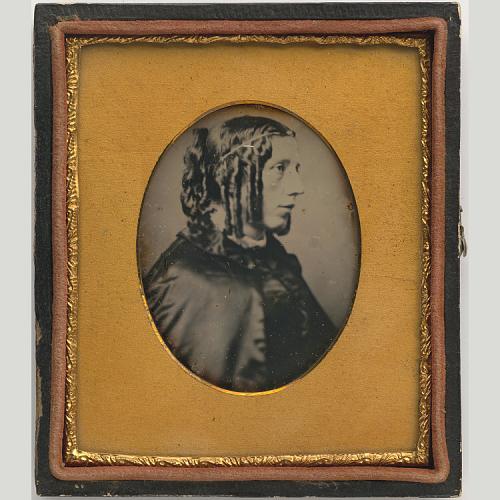
…book of the 19th century, second only to the Bible, and galvanized the abolition movement, leading to the outbreak of the Civil War. It changed public opinion, created characters still…
Read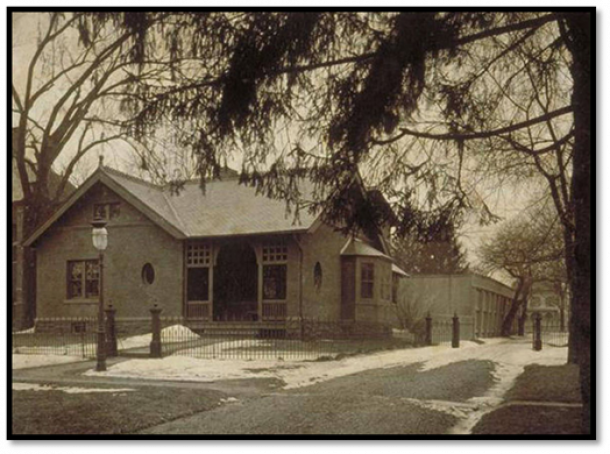
…insane poor, the political will was lacking until after the Civil War. In the short term, the Hartford Retreat, the only institution of its kind in the state, was expanded…
Read
…a Civil War re-enactor with Company F 14th Connecticut Volunteer Regiment. He holds a BA from New England College as well as an MA and Sixth Year Professional Diploma from…
Read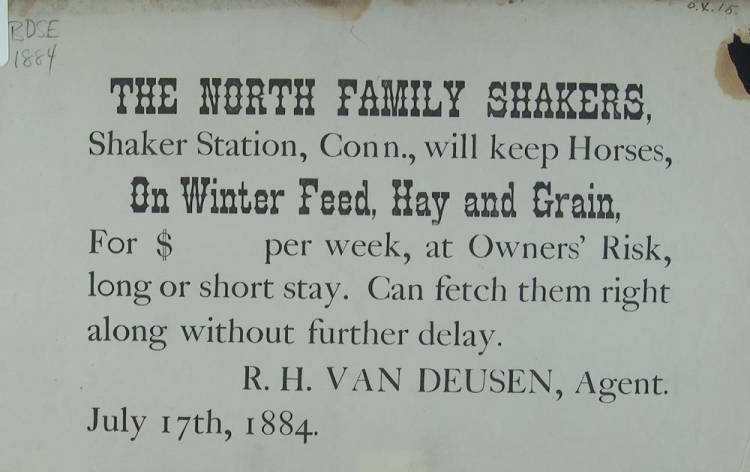
…Emily Copley. The seed business fell into decline during the Civil War years and was discontinued by the 1870s. With the outbreak of the war, the Shakers could no longer…
Read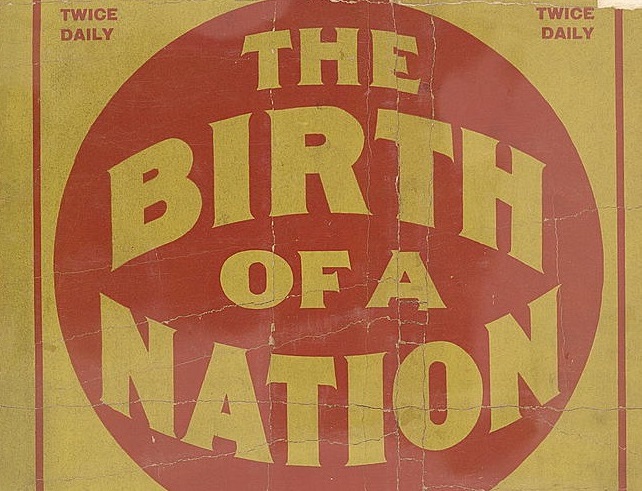
By Steve Thornton Can a movie change history? The Birth of a Nation did. The original 1915 film fomented racial bigotry and consciously distorted the history of the post-Civil War…
Read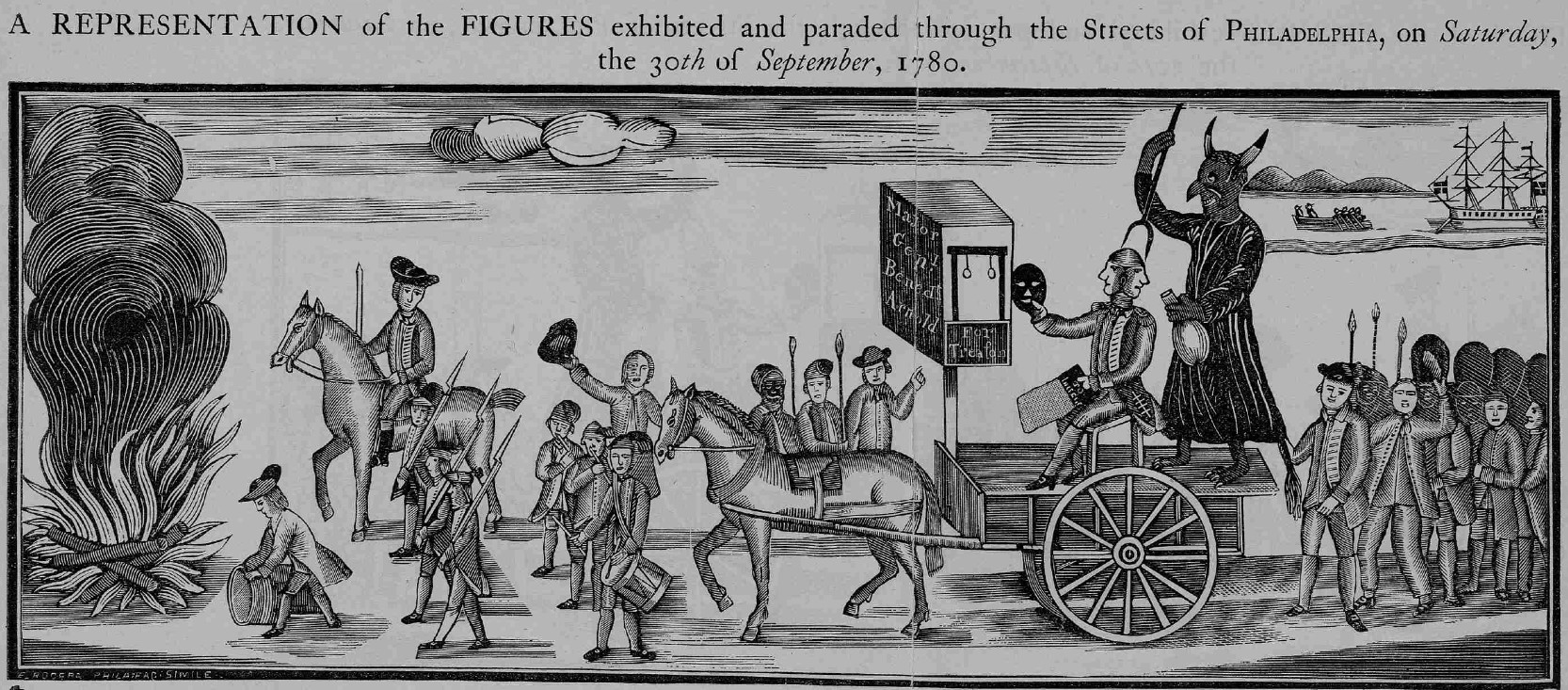
…event sometime after the American Revolution. Around the country, the practice died out sometime around the Civil War. New London’s Flock Theatre, however, revived the local tradition in 2013. Part…
Read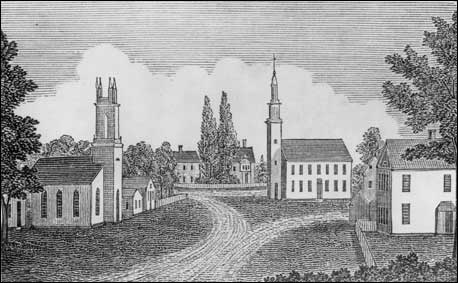
…history through his historical writing and hundreds of engravings—many of which still exist today. Early Life in East Windsor John Warner Barber – The New York Public Library John Warner…
Read
…before moving to Hartford’s Brainard Field in 1923, the Flying Yankees saw action in France during World War I. The 103rd also contributed in World War II by flying submarine…
Read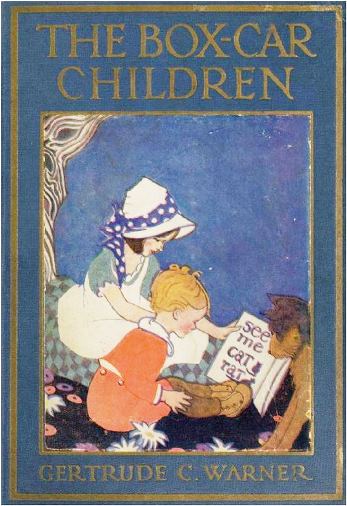
…that Gertrude Chandler Warner, a lifelong resident of Putnam, Connecticut, authored the popular series The Boxcar Children Mysteries? In 1924, Warner, a first-grade school teacher at the Putnam Grammar School,…
Read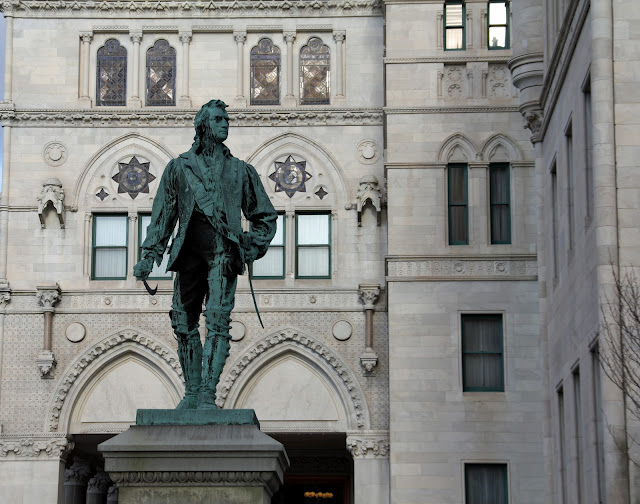
…regiment in 1757 during the Seven Years’ War (also known as the French and Indian War). He fought in numerous important battles during the war, including the Battle of Fort…
Read
YouTube – CTHPrograms – Co-produced by Connecticut Public Television and Connecticut Humanities as part of the Connecticut Experience series on CPTV. This clip from Home Front: During World War II…
Read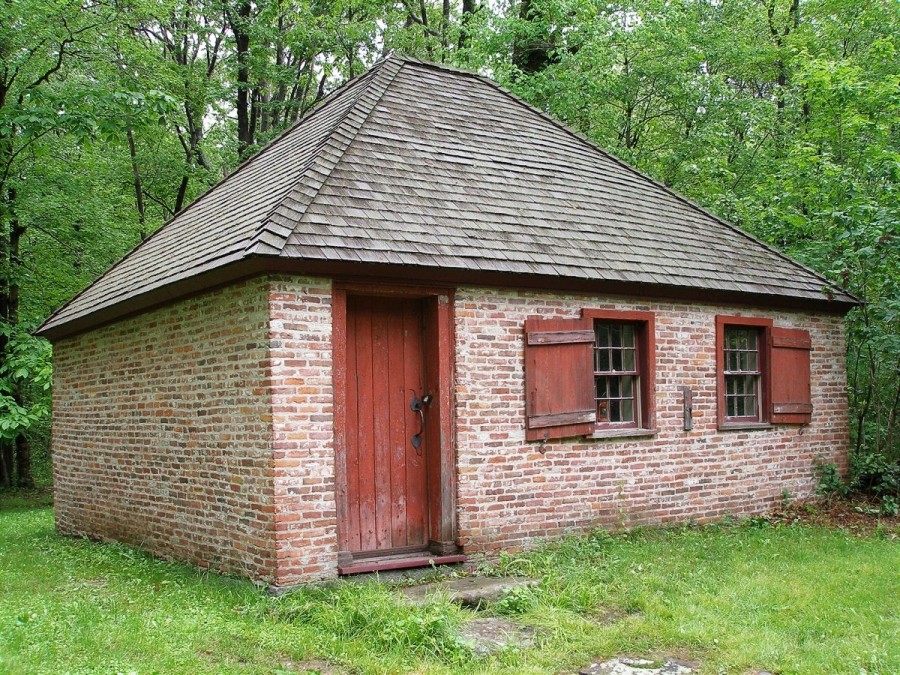
…as a part of Kent, the town incorporated in 1786 and was named after Revolutionary War hero Joseph Warren. An early agricultural community, Warren, like its neighbors, took part in…
Read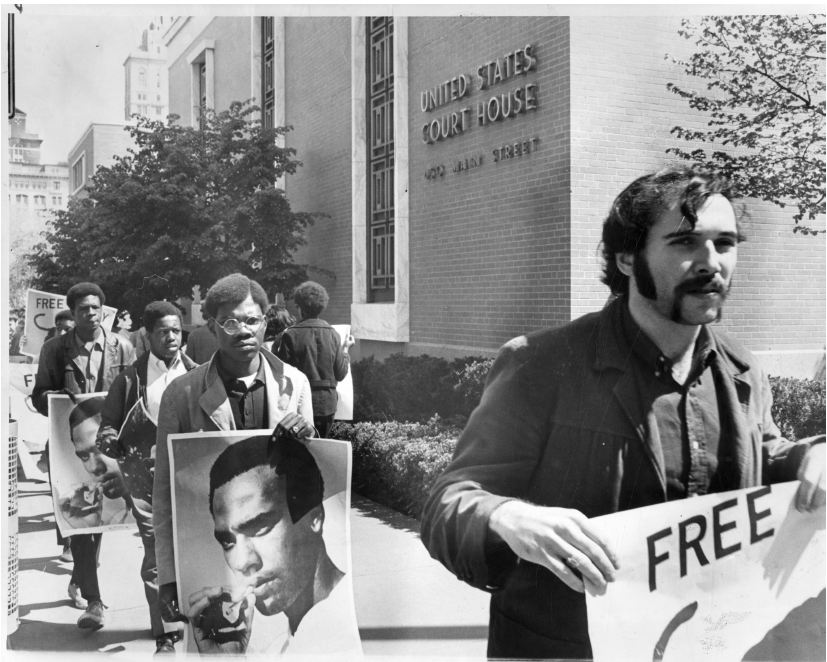
Postwar United States (1945–1970s) Struggles over social, moral, military, and environmental conflicts dominated headlines across the country in the decades following World War II, as Americans took a stand on…
Read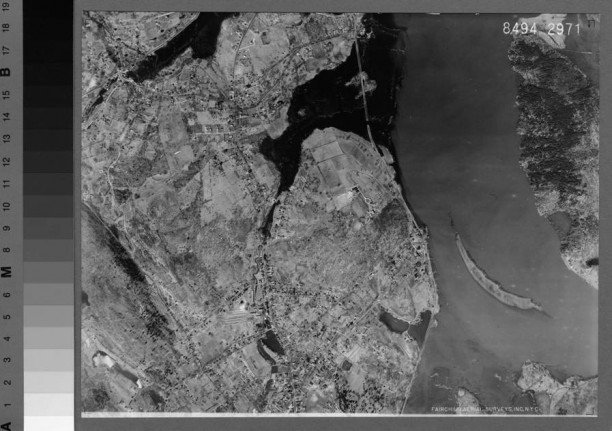
…of the Civil Aeronautics Administration after World War II, got the Ninety-Nines involved in fundraising and the effort to continue the air marking program. To this day, local chapters of…
Read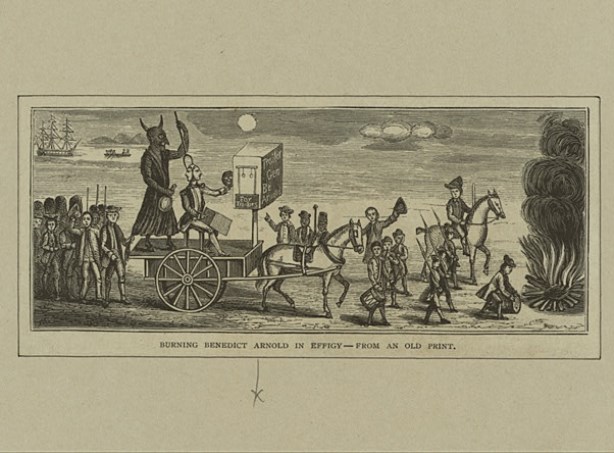
…the Revolutionary War, he changed sides, abandoning the Americans’ fight for independence in return for the military rank and financial reward he received in the British army. Prior to his…
Read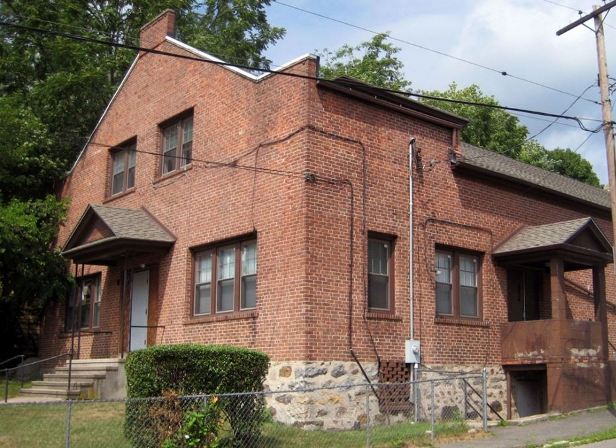
On Saturday, November 18, 1944, at noon after the meeting of the Connecticut War Council in the Senate Chambers of the State Capitol, Governor Raymond E. Baldwin, Jr. awarded certificates…
Read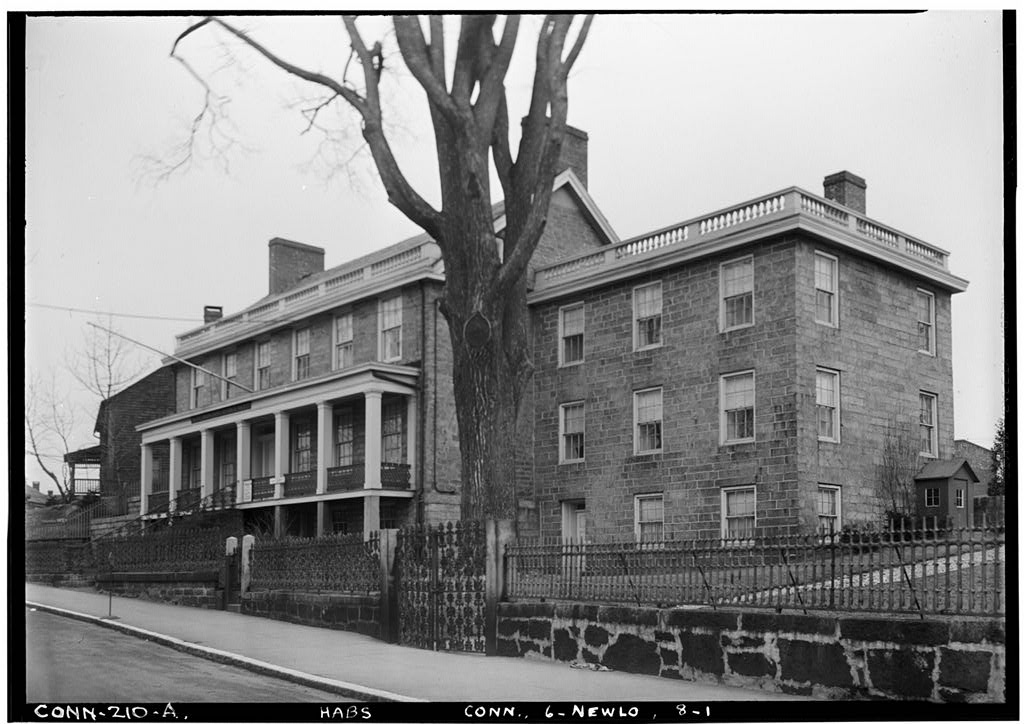
…war effort to no small degree. In addition, the disruption these raids caused to British trade led Britain’s mercantile class to exert pressure upon its government to end the war….
Read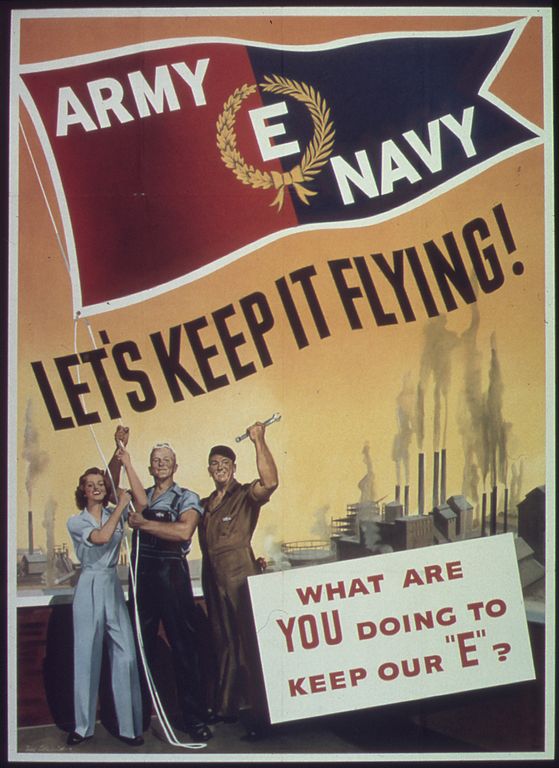
By Sharon L. Cohen During World War II, the US military bestowed the top five percent of United States war plants with the Army-Navy Excellence in Production (“E”) Award for…
Read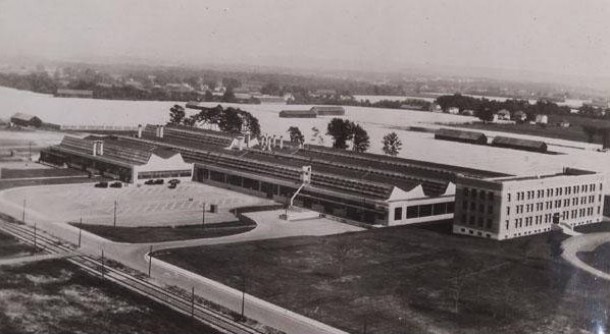
…continued to innovate, increasing the power of their engine designs throughout the war years. By the end of the war, the power of Pratt & Whitney’s largest engine had tripled…
Read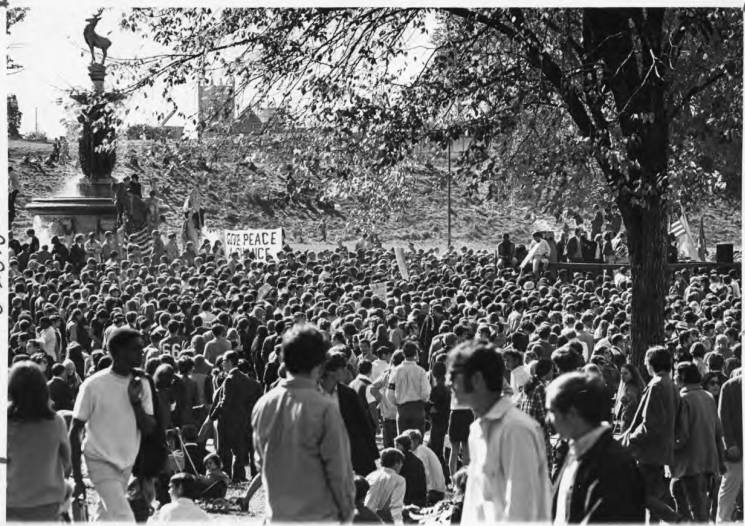
Vietnam War (1956 to 1975) The Vietnam era was as divisive in Connecticut as it was in the rest of the United States. Over 600 Connecticut servicemen lost their lives…
Read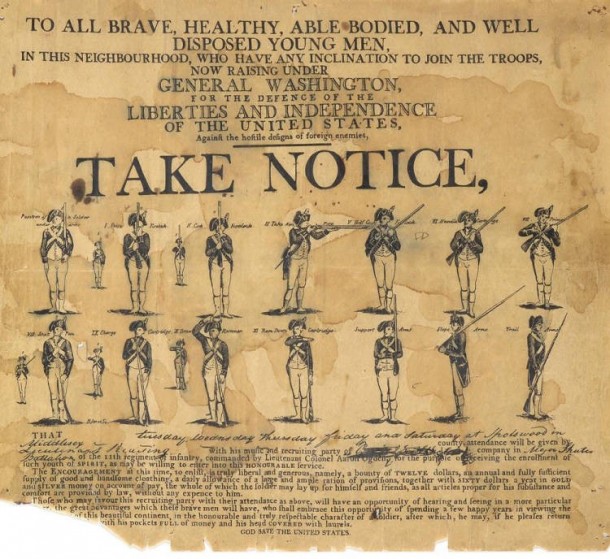
Revolutionary War (1775-1783) Even before war erupted, Connecticut passed anti-Tory laws. In time, these—and harassment from liberty-minded neighbors—forced many loyal to Britain to flee their homes or suffer imprisonment. When…
Read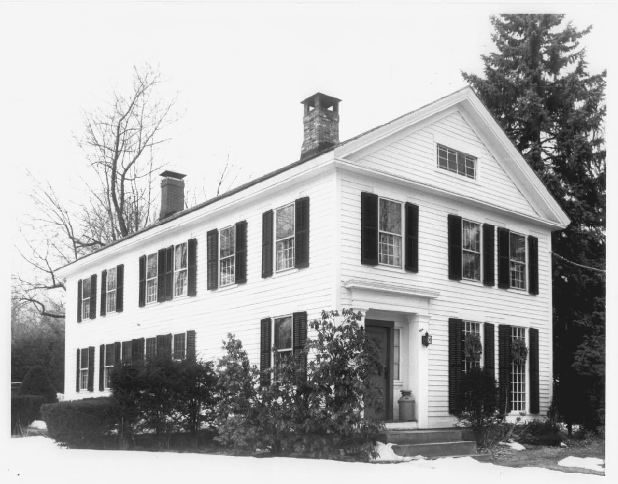
…part of the Marion Historic District, the home is significant both architecturally and historically for the insight it provides into early New England history. Revolutionary War Hero Among Barnes Tavern…
Read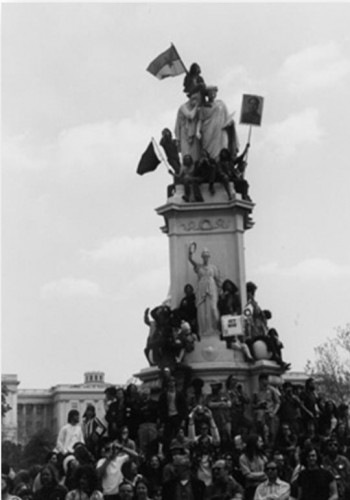
Vietnam Veterans Against the War – Operation Dewey Canyon III On April 19, 1971, Vietnam veterans groups from Hartford, New Haven, and Stamford joined demonstrations in Washington, DC. Calling for…
Read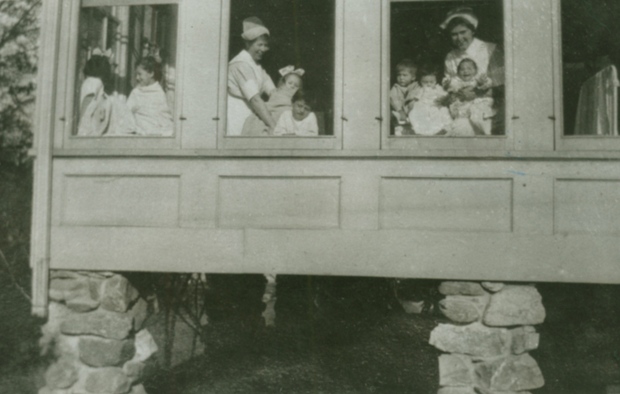
By Karen Frederick and Anne Young In the years after World War I broke out in Europe, Greenwich, like the rest of the United States, faced the menace of two…
Read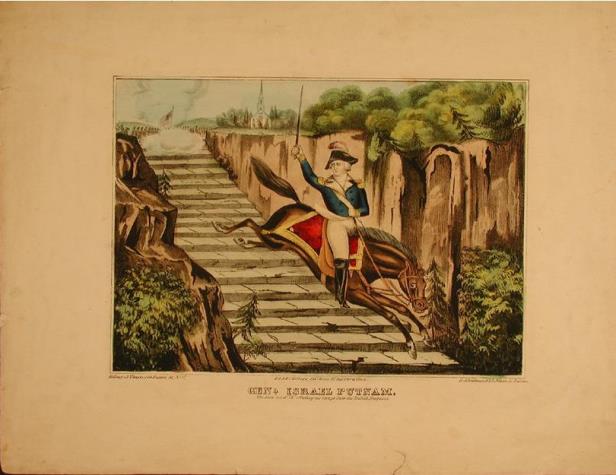
by Patrick J. Mahoney Israel Putnam is perhaps known best for his role as an American general during the Revolutionary War. The courage, leadership, and perseverance that endeared him to…
Read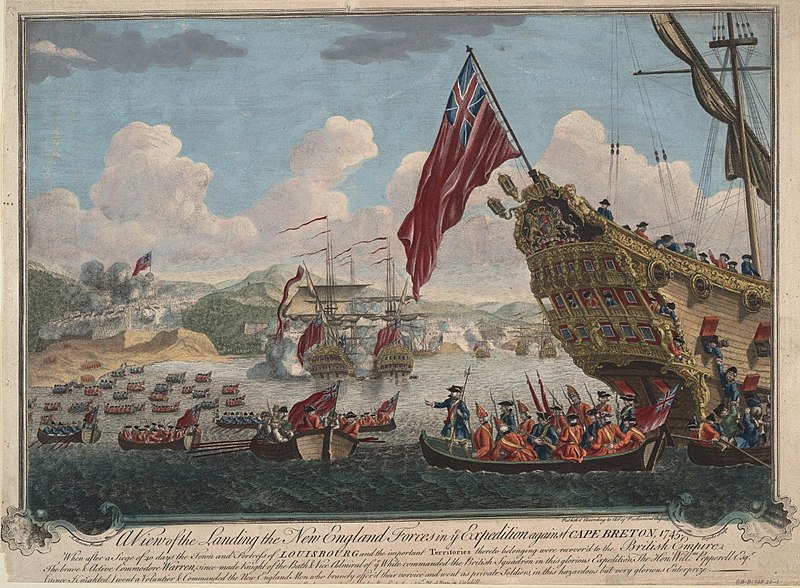
…on the northern frontier and took part in attempts to invade Canada in 1690 and again in 1709, during Queen Anne’s War. During King George’s War in 1745, eight Connecticut…
Read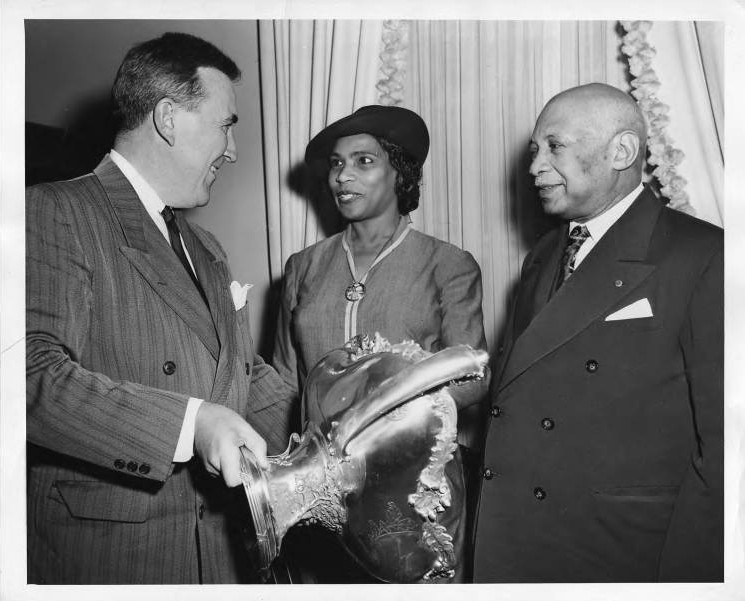
…did not seek to become a symbol of civil rights, yet the times and her country made her so. A Musical Star Born into modest circumstances in South Philadelphia, Anderson’s…
Read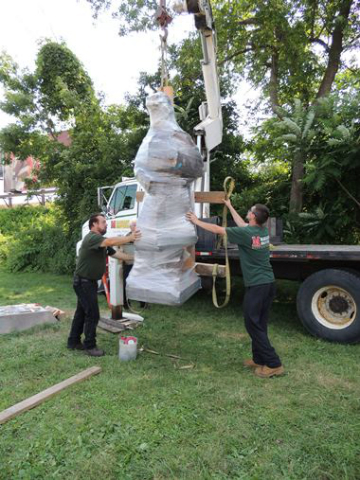
…part of his master’s studies at Central Connecticut State University, Roy along with Dr. Matt Warshauer, found not just a story, but a great story of a cast-away statue that…
Read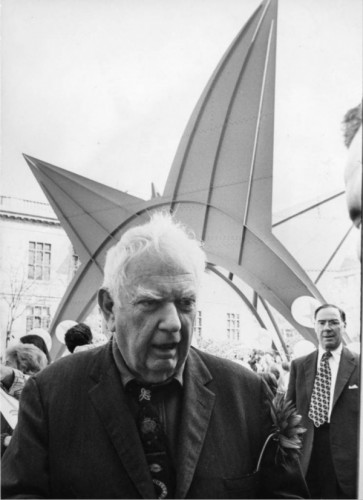
…Spanish Civil War. After the end of World War II, the Calders began to spend more of their time in Europe, particularly France. In 1953, they acquired a house in…
Read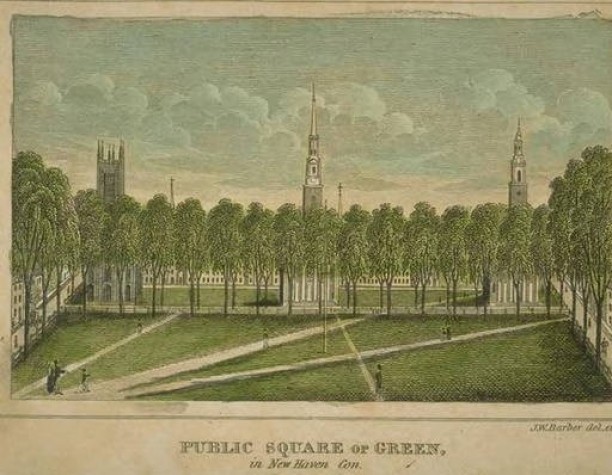
…vessel, which unfortunately sank in the North Atlantic on its way to England. The English Civil War New Haven colonists welcomed news of the outbreak of the English Civil War,…
Read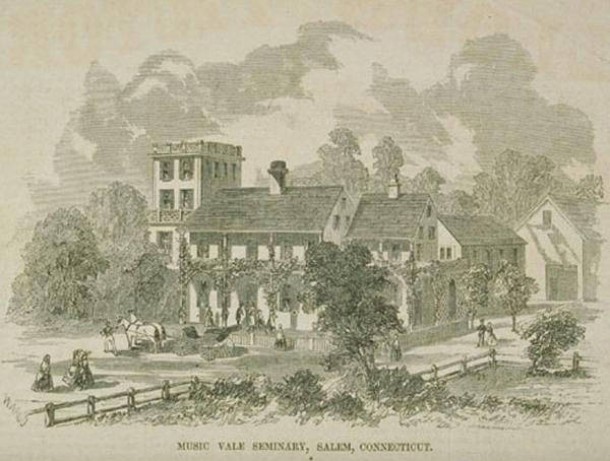
…outbreak of the Civil War. Enrollment at Music Vale Seminary declined precipitously in the 1860s as many of its southern students dropped out to return home. Then, in 1868, the…
Read
…and reached its highest population just prior to the outbreak of the Civil War. The 1830s was a time when African Americans in the North, almost all free, started to…
Read
…losses inflicted during the Civil War. Some of the bold-faced names of the day dabbled in spirituality, including neighbor Mark Twain, who made public fun of spiritualism even though a…
Read
…the Civil War – Connecticut Historical Society In the years that followed the war, the paper maintained its prominent position in American culture. It ran ads for such famous Americans…
Read
…innovation enabled Rusco to provide a specialized product, suspenders, to a wide market. As part of its post-Civil War expansion, Rusco bought the Starr Mill property in June of 1864…
Read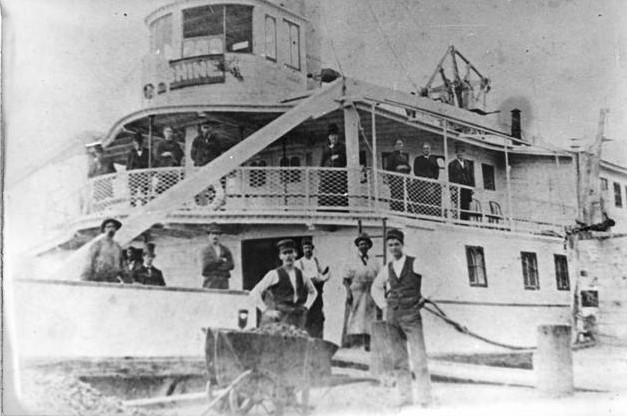
…meant 18-hour days, dangerous conditions, and lousy food. During the Civil War, able-bodied men were being drafted so the demand for steamboat workers was great. Monthly earnings for deckhands were…
Read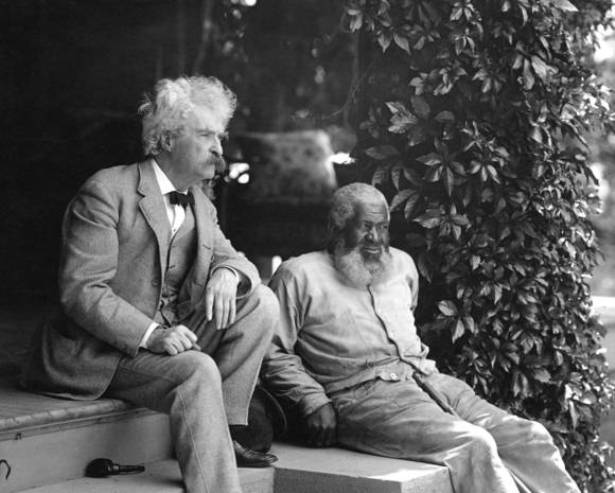
…as a riverboat pilot on the Mississippi River. With the outbreak of the Civil War in 1861‚ however‚ all traffic along the river came to a halt‚ as did Sam’s…
Read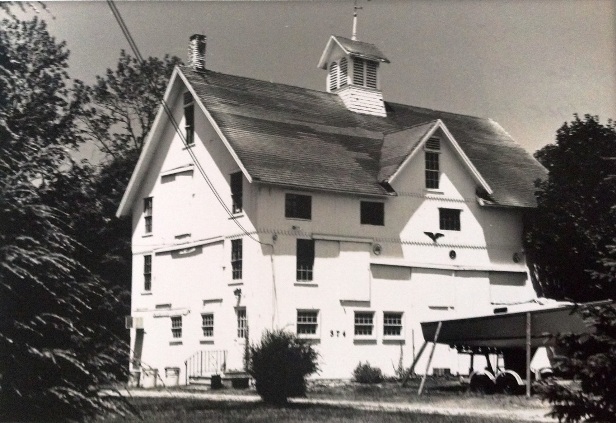
…beginning his operation, Everett put his career on hold to join the Union army and served in the Connecticut Volunteer infantry during the Civil War before being taken prisoner in…
Read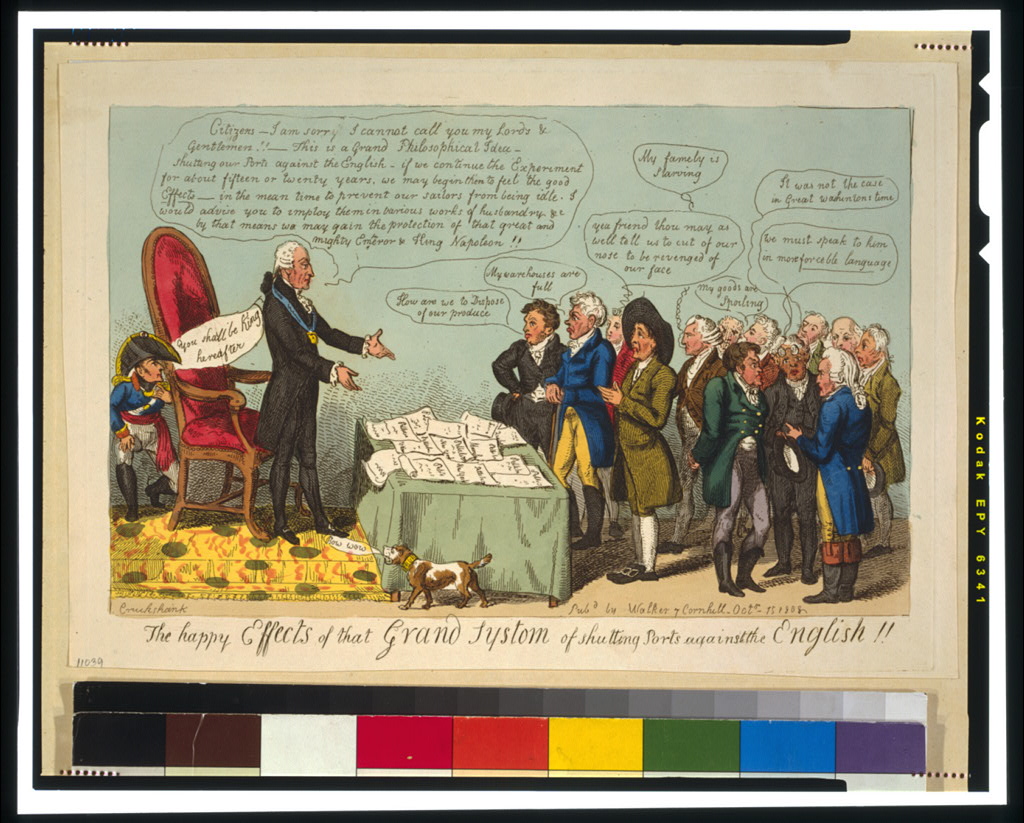
…died in office later in the year.) Republican members of the assembly were shocked by Trumbull’s action, calling it “an enormous stride towards treason and civil war.” An End to…
Read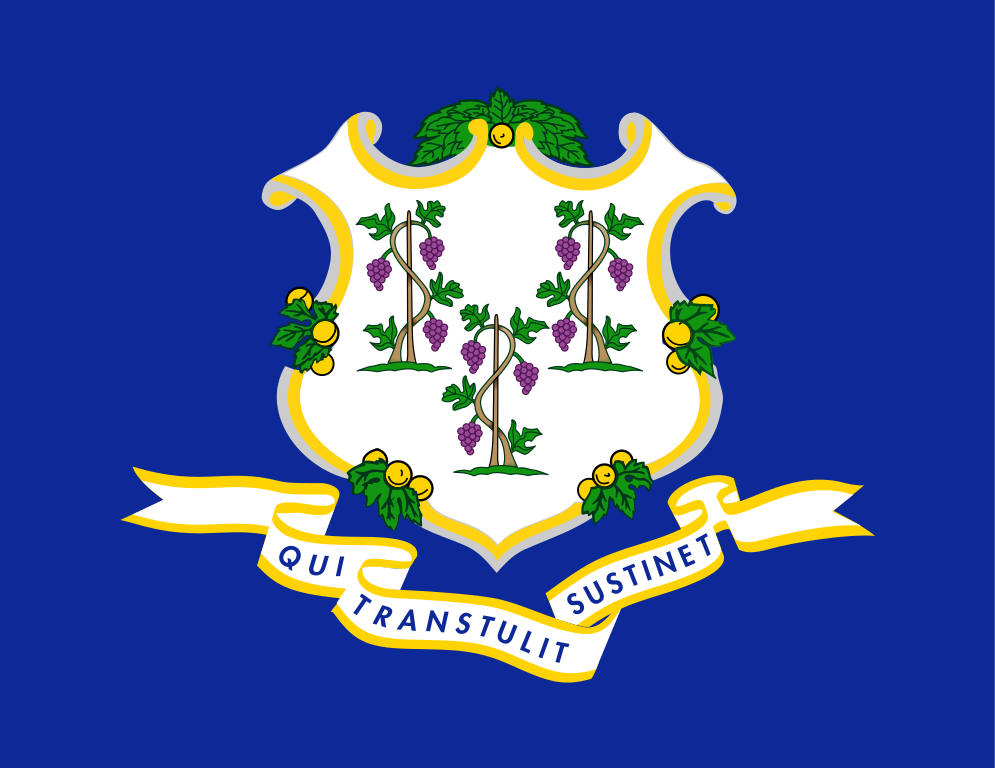
…Chapter of the D.A.R. submitted several designs for a new flag, but Civil War veterans groups felt strongly about the blue Connecticut regimental flags they had fought under. The Merriam…
Read
…Society Captain George M. Colvocoresses, naval officer, Pacific explorer, Civil War hero, and survivor of kidnapping, yellow fever, and various wars, was killed in Bridgeport, Connecticut, in 1872. Colvocoresses, or…
Read
…Run,” one of the Kelloggs’ numerous Civil War subjects, depicts the heroic Colonel Michael Corcoran leading “the gallant 69th” in a charge on the Rebel batteries. Corcoran was born in…
Read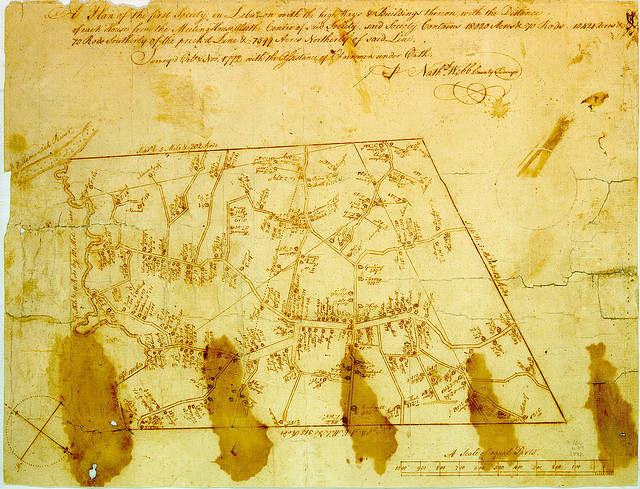
…professions. Moses Warren (1762-1835), one of the makers of the important 1813 state map, was a professional surveyor. Born in Hopkinton, Rhode Island, to Moses Warren Sr., he moved to…
Read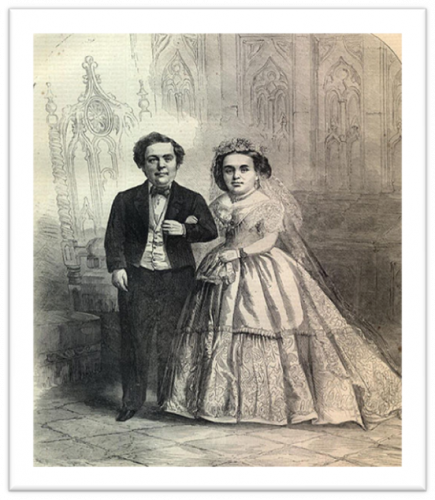
…Grace Episcopal Church in New York City, Charles Stratton of Bridgeport married Lavinia Warren of Middleboro, Massachusetts. The cover of Harper’s Weekly showed Mr. Stratton in a formal morning coat…
Read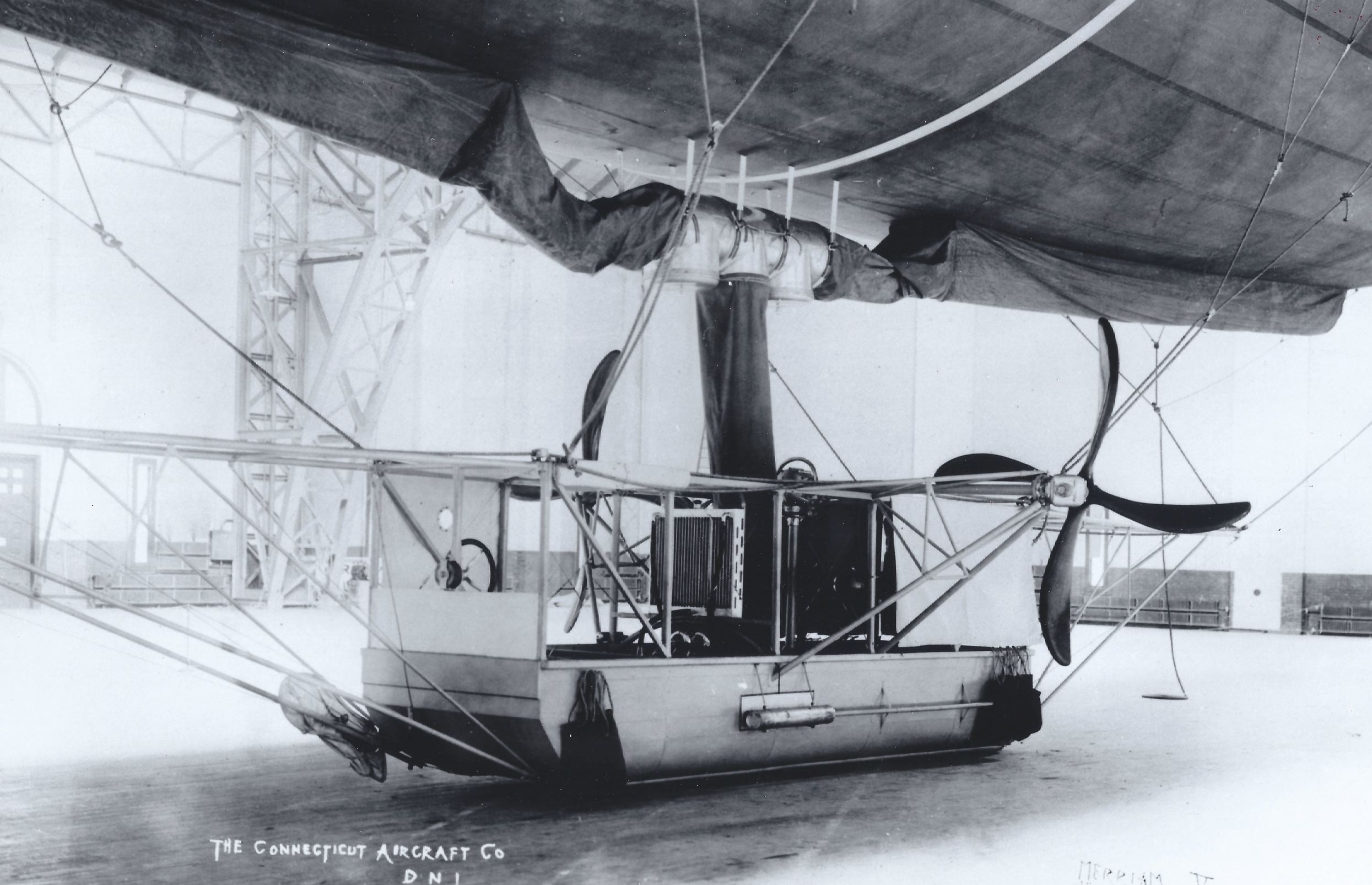
…civilians. Suddenly nations separated from the continental war by leagues of ocean now seemed much less isolated. As a result, the United States began experimenting with developing their own lighter-than-air…
Read …Grace Episcopal Church in New York City, Charles Stratton of Bridgeport married Lavinia Warren of Middleboro, Massachusetts. The cover of Harper’s Weekly showed Mr. Stratton in a formal morning coat…
Read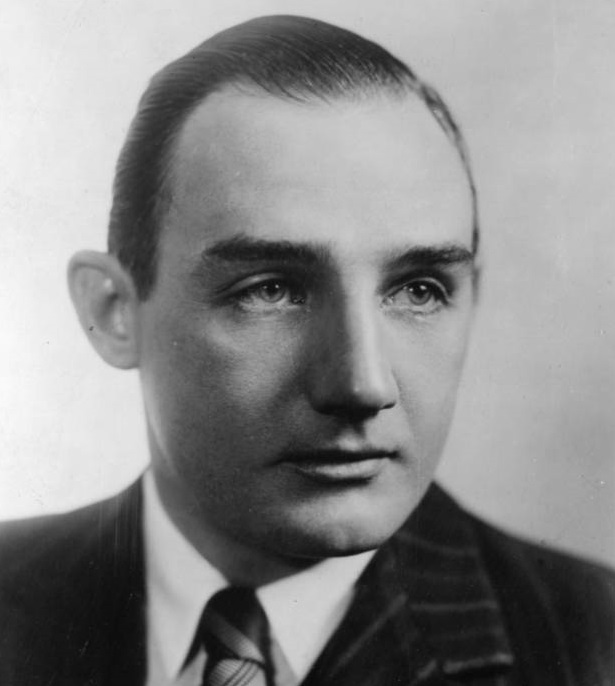
…by portraying himself as a civilian journalist on assignment. Once the war ended, Alsop resumed his journalism career, this time collaborating with his brother Stewart to write a column for…
Read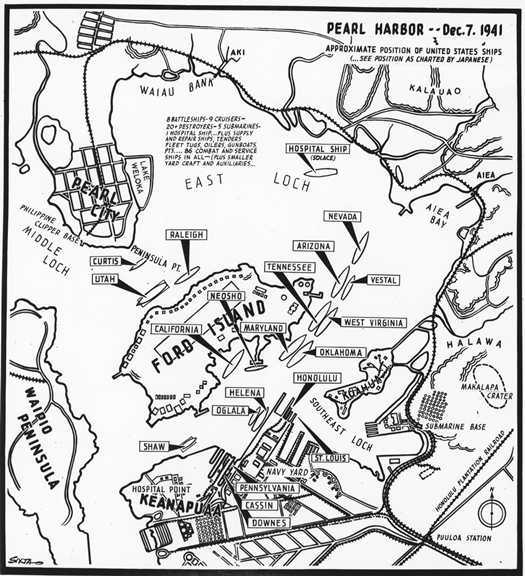
…and Italy declared war on the United States. The United States was now at war on two fronts. “History in the Headlines” transcript, December 7, 1941 – Andre Schenker Papers,…
Read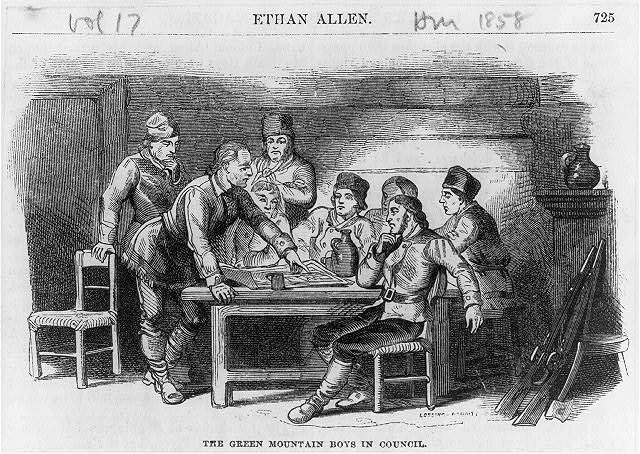
On January 10, 1738, future hero of the Revolutionary War Ethan Allen was believed to have been born to a farming family in the frontier village of Litchfield, Connecticut. By…
Read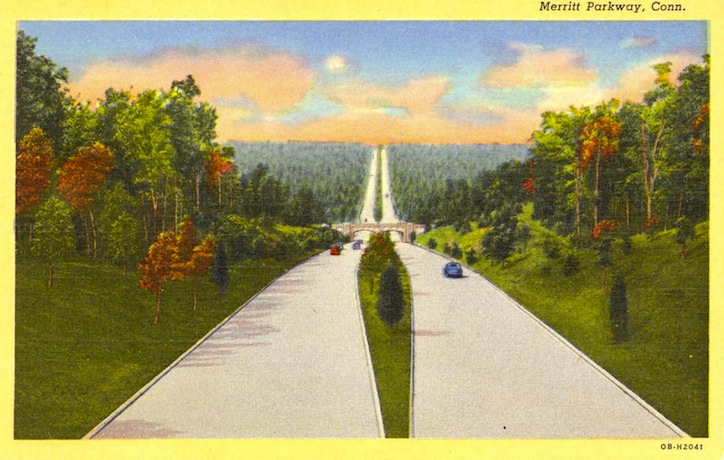
Great Depression and World War II (1929–1945) Governor Wilbur Cross helped navigate Connecticut’s course through the Great Depression. After a devastating collapse in the stock market that led to massive…
Read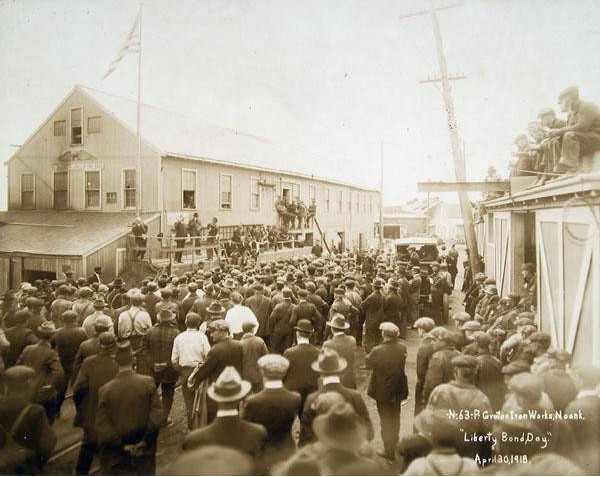
World War I (1917-1918) When the United States entered Europe’s Great War in 1917, Connecticut manufacturers provided the military with munitions, clothing, and other goods. From Manchester silk and Waterbury…
Read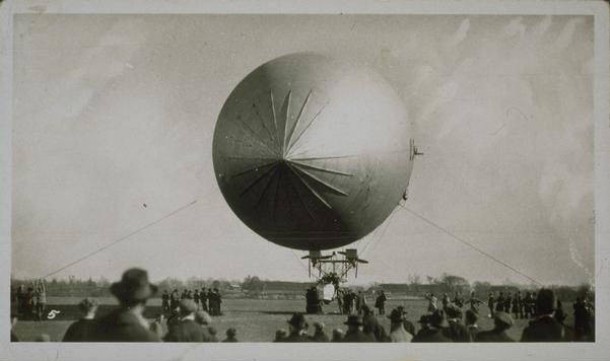
…The focus of commercial air travel in post-war Connecticut was Windsor Locks’ Bradley Field, an active Army air base during the war that was turned over to state ownership in…
Read
…Great Britain on June 18, 1812. That summer, as the war got underway, Secretary of War William Eustis wrote to Captain C. D. Wood in New London, Connecticut: Sir, You…
Read
…secured by the diligent efforts of Connecticut’s own Silas Deane. Deane’s extraordinary role in making the War for Independence viable should have placed him among the illustrious pantheon of America’s…
Read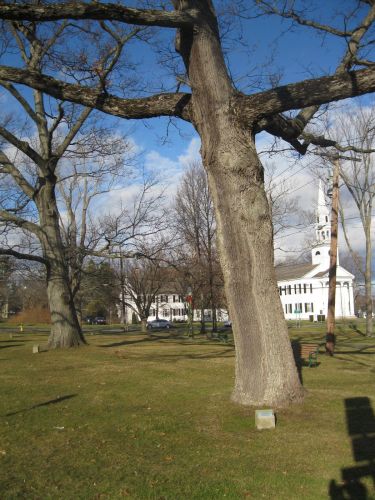
…of the town’s Revolutionary War soldiers. A small marker stands at the southeast corner of the eastern section of the Litchfield Green – Peter Vermilyea Soldiers Pledge to Battle Tyranny…
Read
…the hearth is universal in its meaning: comfort, warmth, and welcome. When John Beebe Jr. created seven of them in Flanders, keeping warm posed a significant challenge during the winter…
Read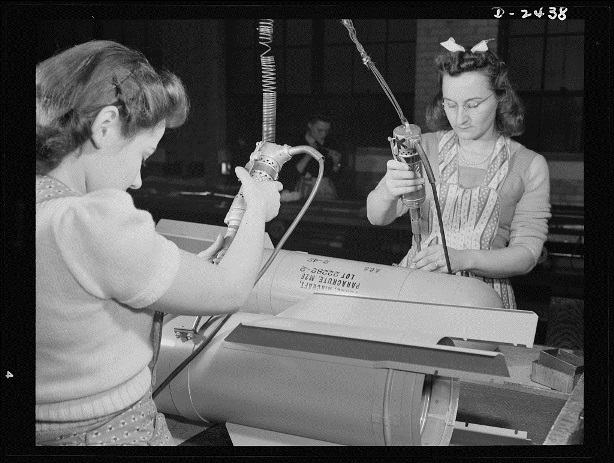
…the armed forces with weapons, ships, planes and armaments. World War II was no exception to this tradition. With the outbreak of the war, work orders began to pour into…
Read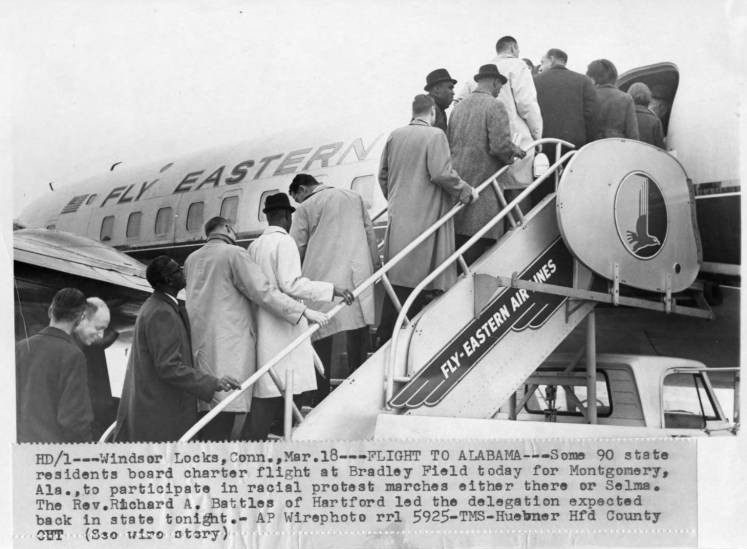
On March 18, 1965, about 90 Connecticut residents boarded a chartered plane at Bradley Airport to participate in the Civil Rights protest marches, led by Dr. Martin Luther King Jr….
Read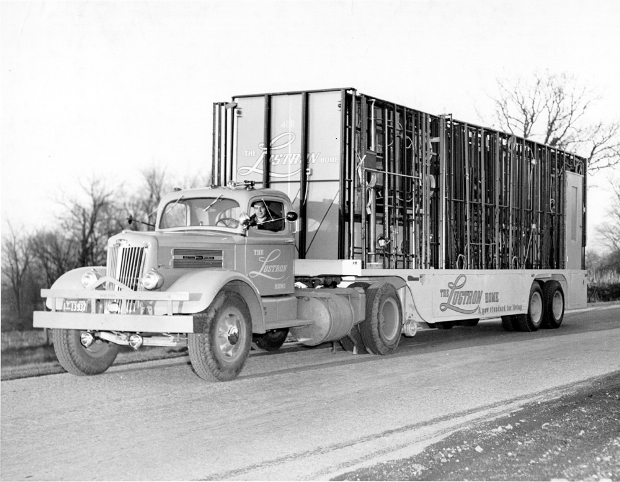
By Stacey Vairo for Connecticut Explored A visitor to Connecticut’s suburbs can count on seeing an assortment of typical post-war houses in styles such as the ubiquitous Ranch or ever-present…
Read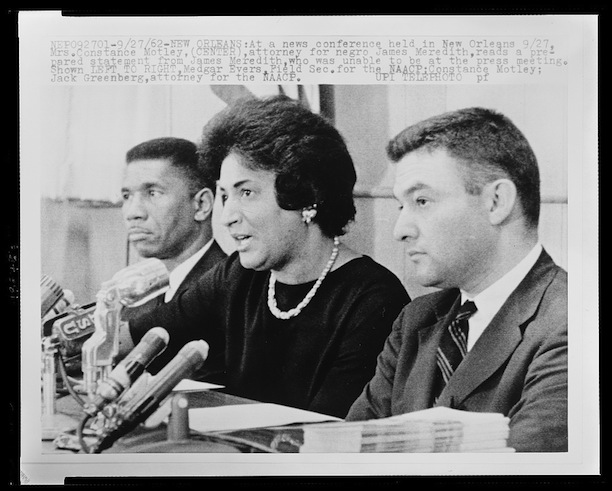
…Martin Luther King Jr. and many other leading figures of the civil rights movement. Constance Baker Motley, January 28, 1964 – Library of Congress, Prints and Photographs Division, New York…
Read
…the United States entered World War II, prompting the Parker Company to focus on the war effort. The intensification of the conflict diverted most metal production to war-related goods, leaving…
Read
…McConaughy’s rhetoric in the first gubernatorial campaign of the post-war era also highlighted the start of the Cold War in its emphasis on the threat from communism. In his acceptance…
Read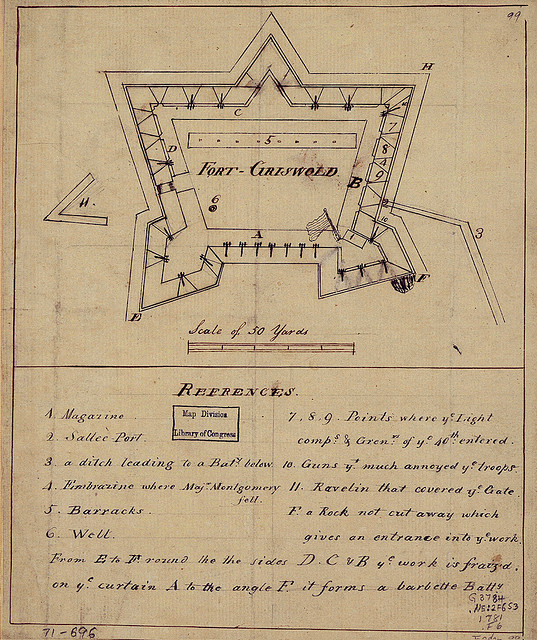
On September 6, 1781, British forces overtook Fort Griswold and, in an infamous move that would be recalled throughout the American Revolutionary War and long after, they killed many of…
Read
By Emily Clark During the Great War, heroes could be found on the battlefields and in the trenches across Europe, fighting to protect freedom in one of the deadliest conflicts…
Read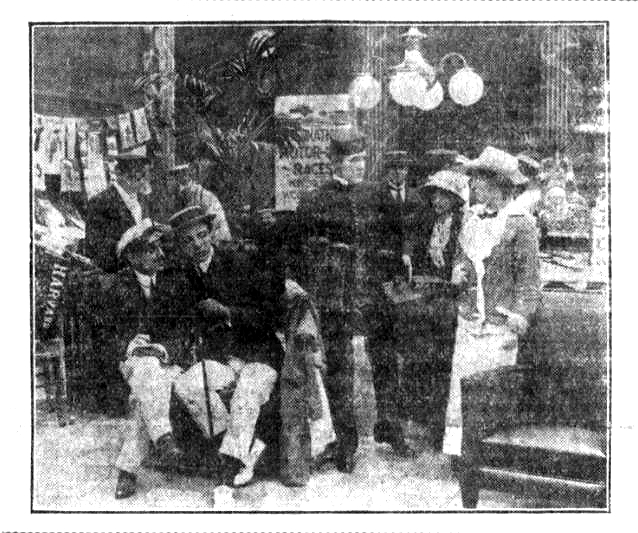
…only a $5 stake in return, Hedlund pleaded with Koppleman to do everything in his power to keep the US out of the war. By the war’s end, Hedlund lived…
Read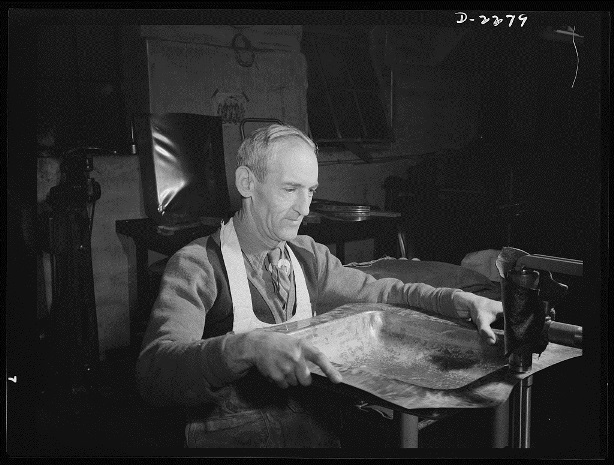
…work dropped off significantly in the 1930s, women often joined men in the factories. World War I and Great Depression Breed Anti-Immigrant Sentiments By the start of World War I,…
Read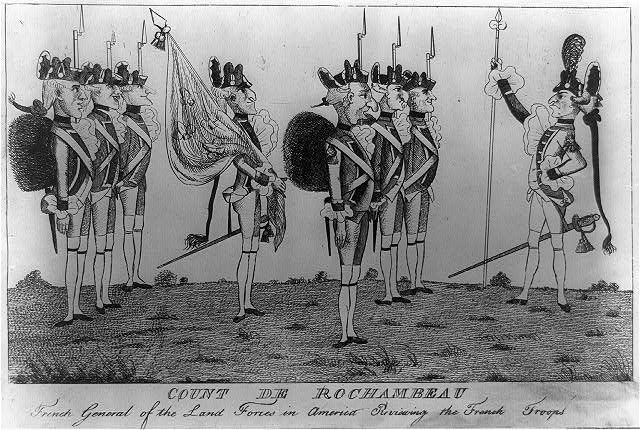
Jean-Baptiste-Donatien de Vimeur, comte de Rochambeau, was a French nobleman and army general who contributed significantly to the Colonial army’s victory in the war for American independence. Rochambeau’s French troops…
Read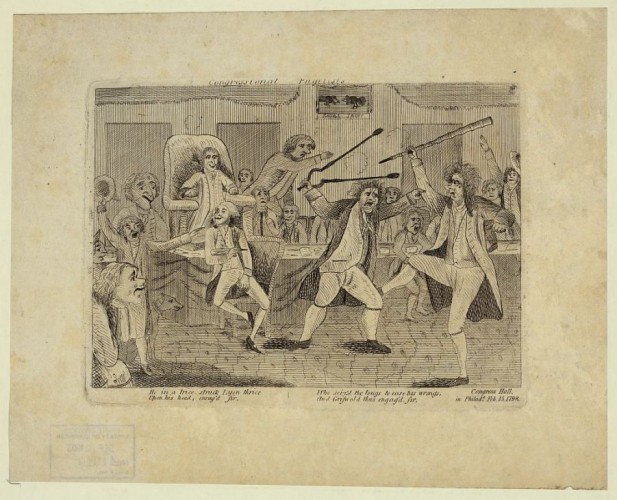
…the spring of 1812, Griswold’s administration faced the difficult task of charting Connecticut’s course through the political debates surrounding war with Great Britain. Griswold personally opposed the war and refused…
Read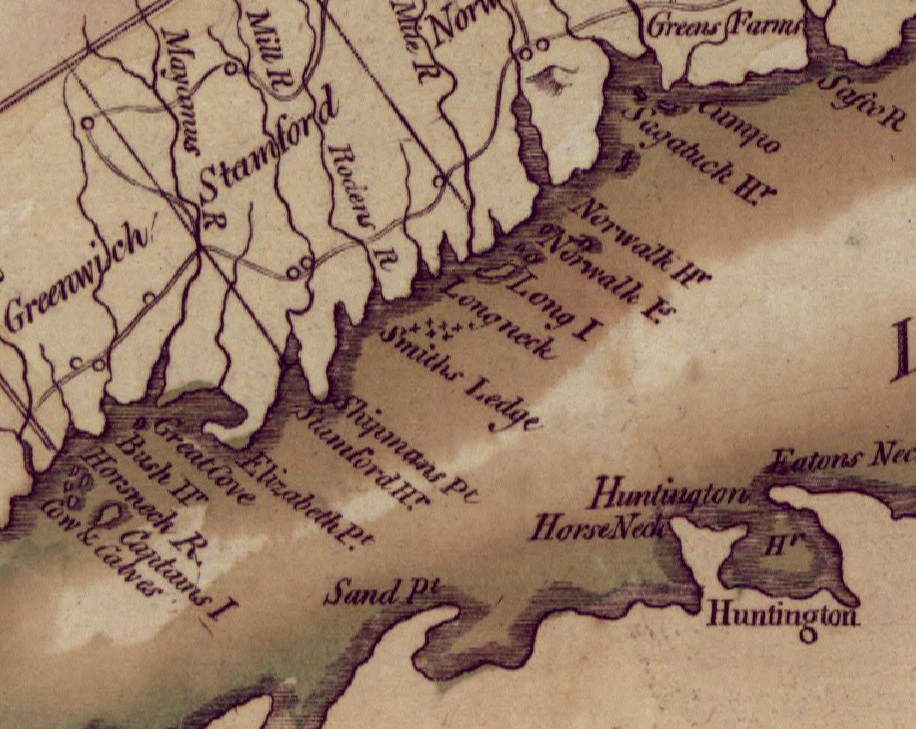
During the Revolutionary War, American privateers utilized armed whaling boats to keep the British from the colonies’ shores and prevent illicit trade in British goods. In 1778, 1779, and 1780,…
Read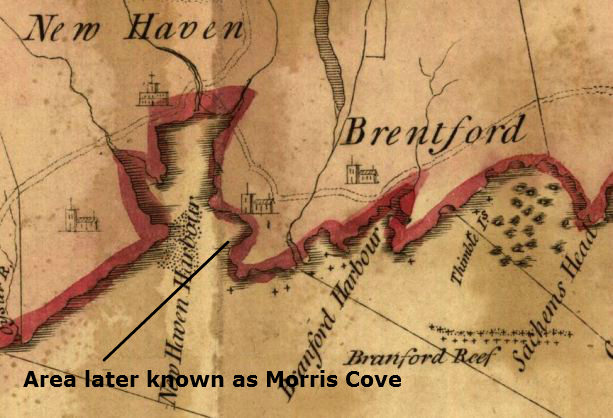
…Massachusetts in the 1630s, he owned a wharf and large warehouse in East Haven that he utilized to grow his business. Revolutionary War Creates Business Opportunity When the Revolutionary War…
Read …limited government, and one-party rule were gone forever. World War II brought a cascade of war orders into Connecticut and ended the Great Depression. Women found their lives transformed by…
Read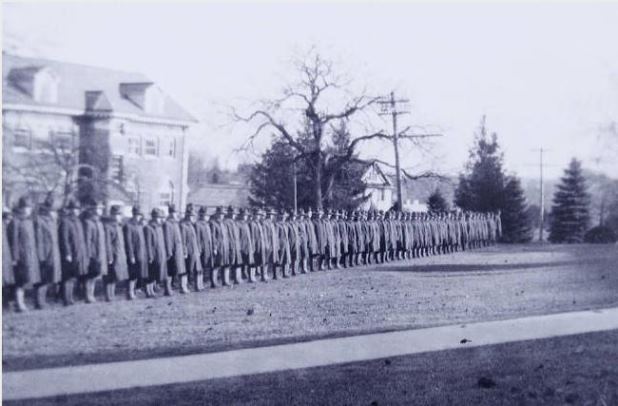
…contributions of veterans from World War II and Korea, as well as World War I. Veterans Day always fell on November 11, until 1968, when President Johnson signed the Uniform…
Read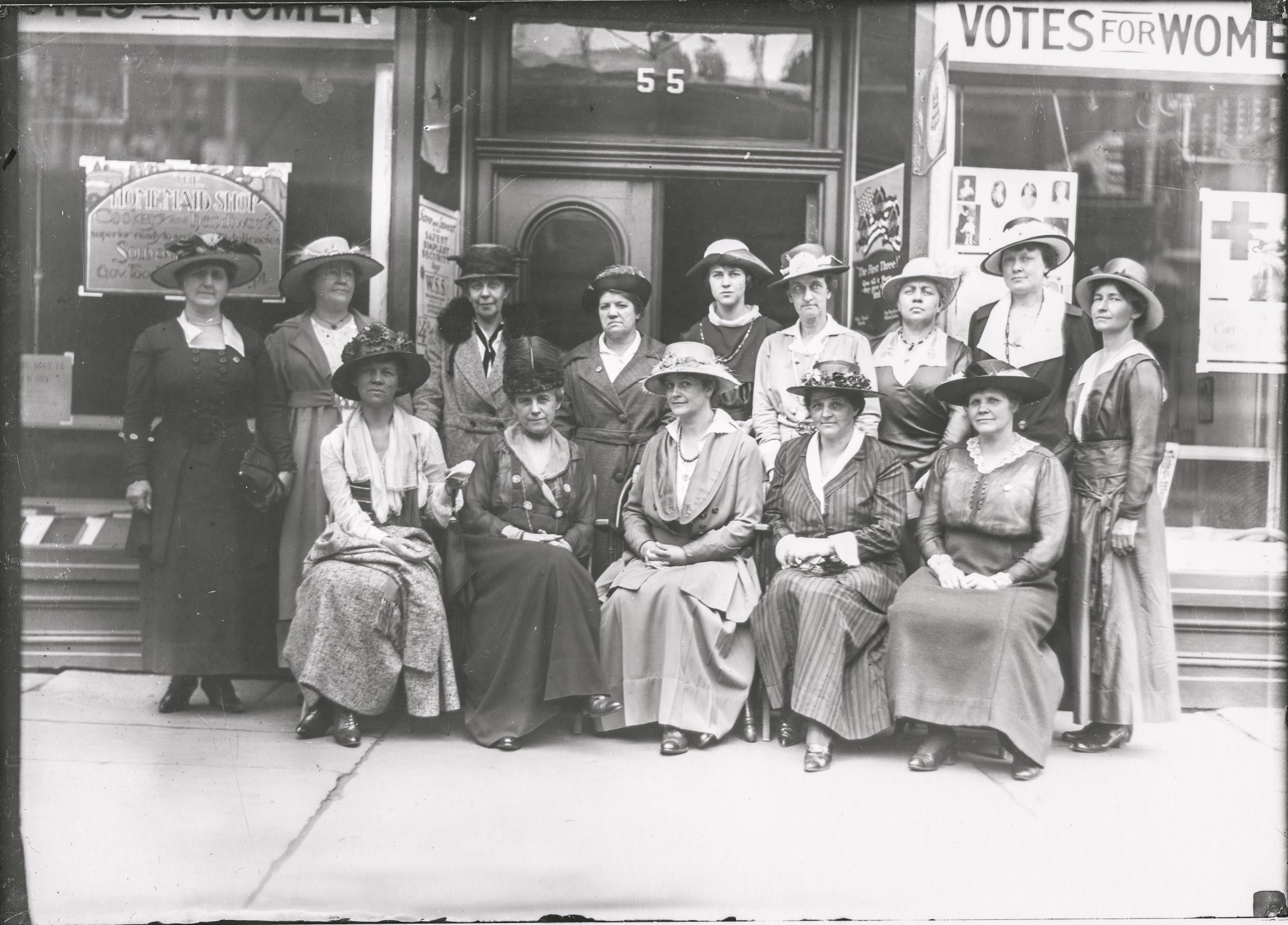
…contributing to other state and regional activism. War Work and Philanthropy Connecticut State Council of Defense during World War I – Connecticut State Library, Dudley Photograph Collection, Connecticut History Illustrated…
Read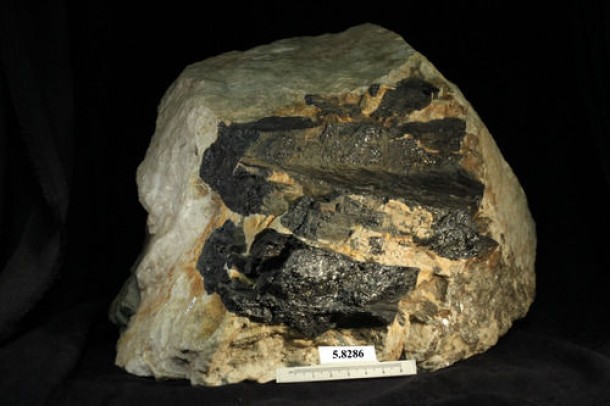
…in vacuum tubes, capacitors, and other electronic devices. During World War II muscovite was extremely important to the war effort, and many of the pegmatite mines in Connecticut were prospected…
Read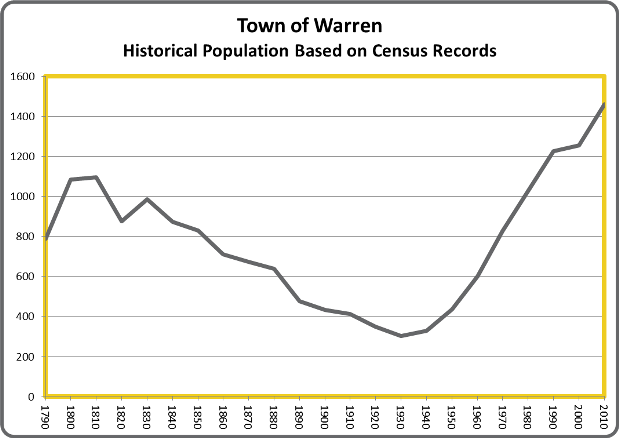
Town: Warren Incorporated: May, 1786 Incorporated from: Kent Connecticut is currently divided into 169 “towns” with distinct geographical boundaries. These boundaries changed as parishes were set off from larger town-tracts,…
Read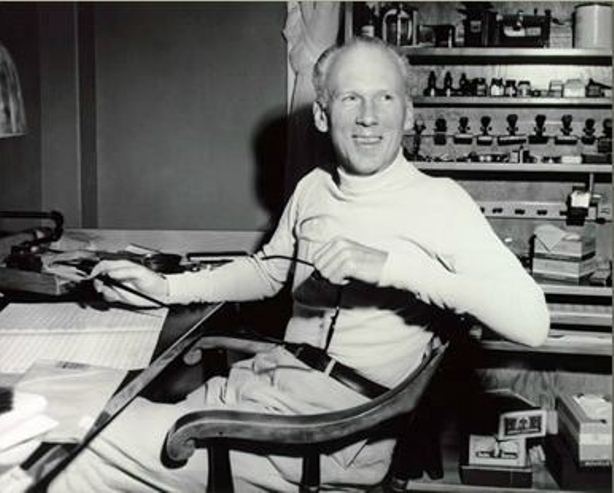
…utilizing his language skills as a translator and interpreter for the US Counter Intelligence Corps in Iceland during World War II. In all, Anderson spoke ten languages and his abilities…
Read
…the large voting potential of the Puerto Rican community.” George Keller: The Man in the Arch by Amanda Duenes Following the outbreak of the Civil War, George Keller went forth…
Read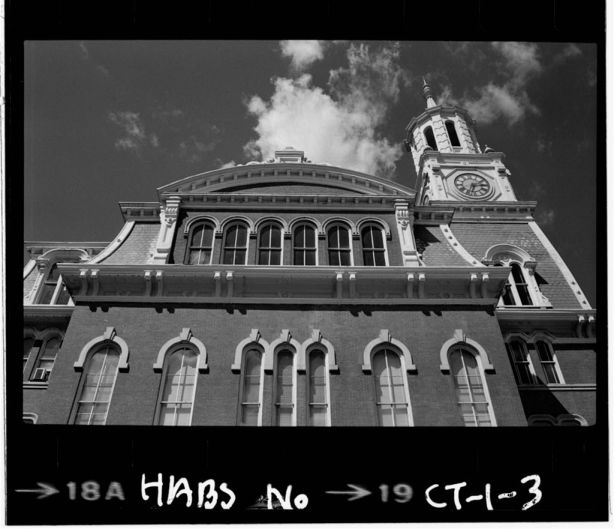
…Hall Willimantic grew rapidly after the Civil War. Early on, the town, which served as county seat, was more concerned with fulfilling the county’s basic needs than with building a…
Read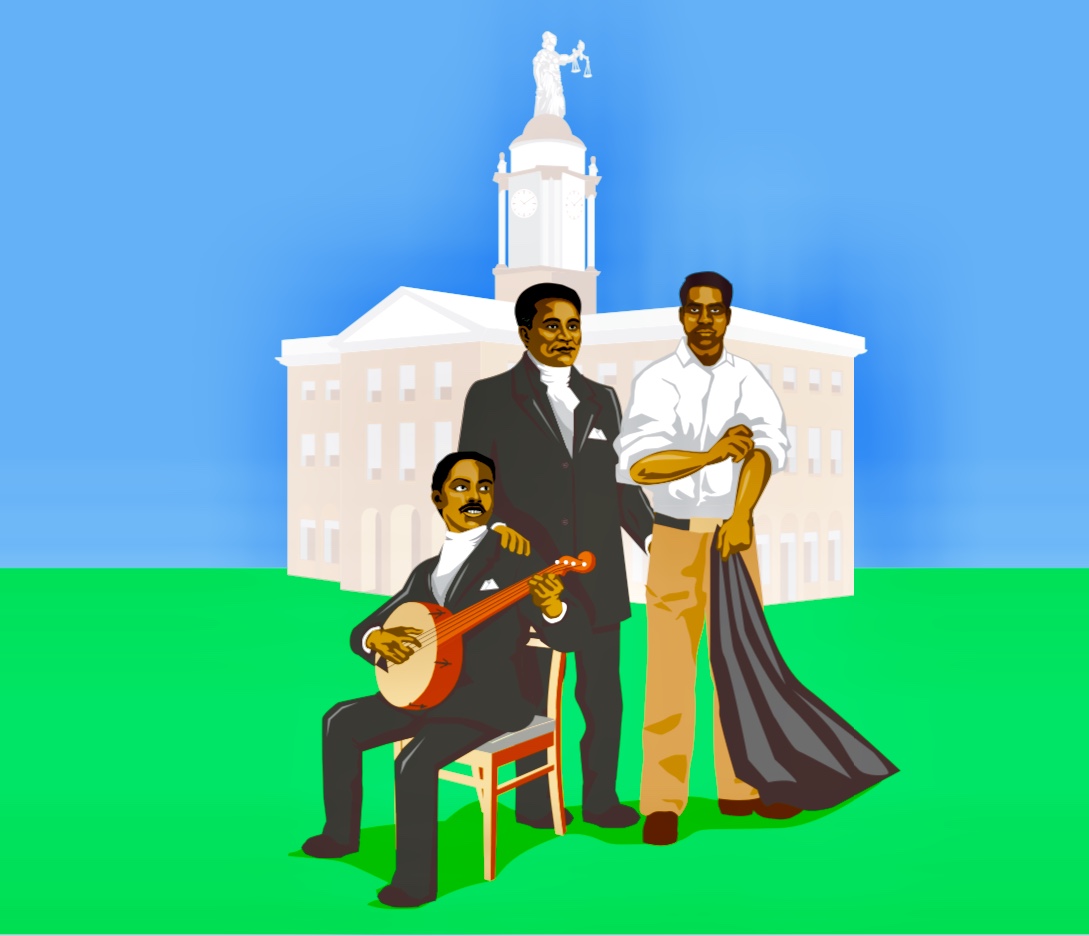
…moved the family to Eastern Massachusetts and worked actively in the early movement for black freedom. James was a veteran of the American Revolutionary War and possessed Native American (Wampanoag)…
Read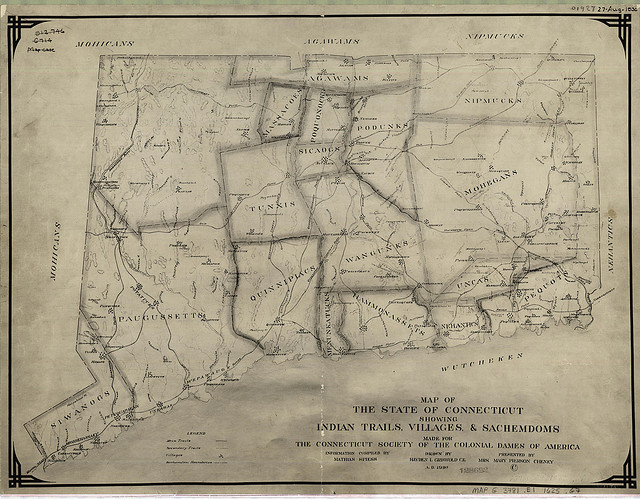
…body or hierarchy. John Warner Barber, Plan of the ancient Palisado Plot in Windsor – 1634, 1835 – Connecticut Historical Society The earliest pattern of town formation began with a…
Read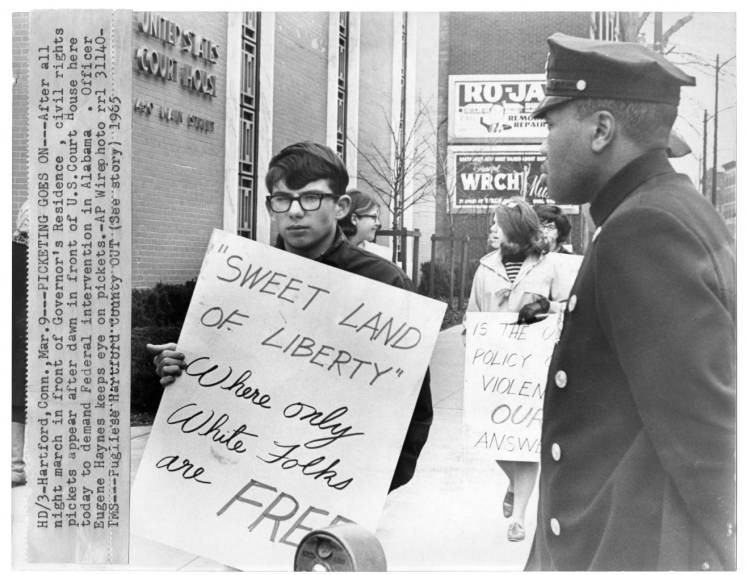
On March 9, 1965, protesters held an all-night vigil in front of Connecticut Governor John Dempsey’s residence. Representatives of Hartford’s civil rights movement, led by members of the North End…
Read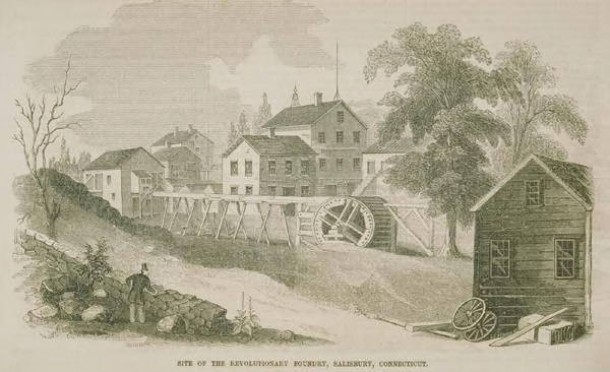
…the thousands of muskets made in Norfolk; Salisbury’s Horatio Ames made the largest Civil War cannon—which weighed in at 19,500 pounds—from it; and Thomas Alva Edison used the local iron…
Read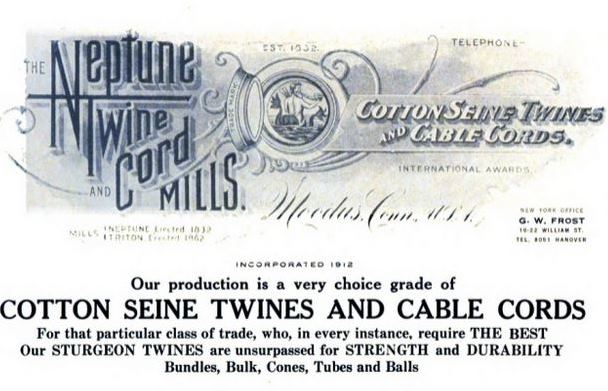
…and Southerners erupted in civil war, Johnson sold his interest in the lower mill and erected a third twine mill located between the original two. His business acumen brought the…
Read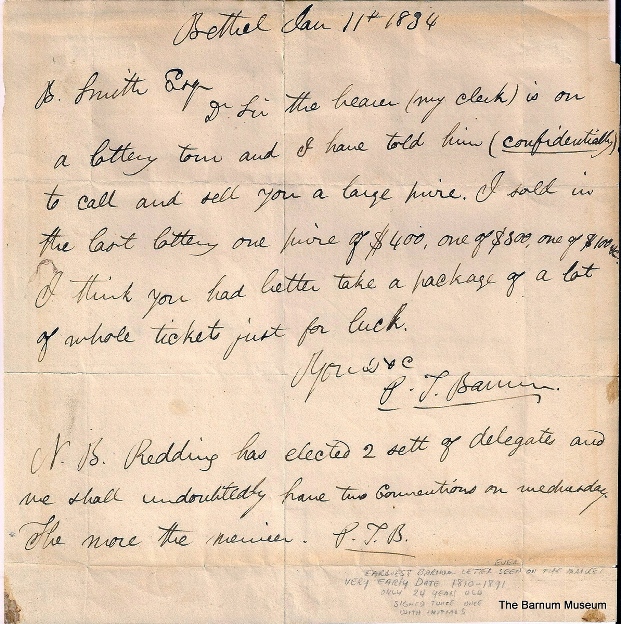
…in the hall to the mummy, from the circus posters to the Civil War uniforms, all the artifacts point back to one man and his lasting impression in Connecticut. P….
Read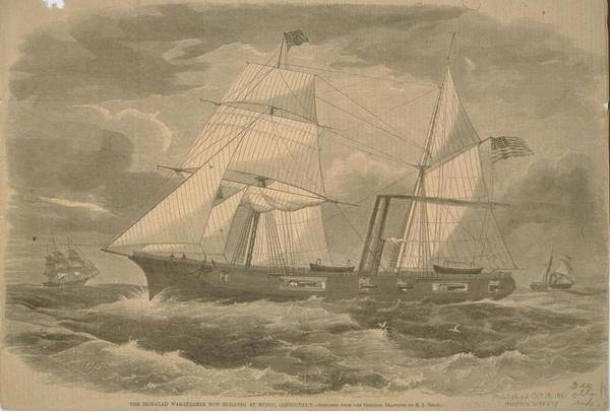
On April 21, 1862, the USS Galena was commissioned. New Haven businessman Cornelius Bushnell submitted the design for the Galena by naval architect Samuel H. Pook to the United States…
Read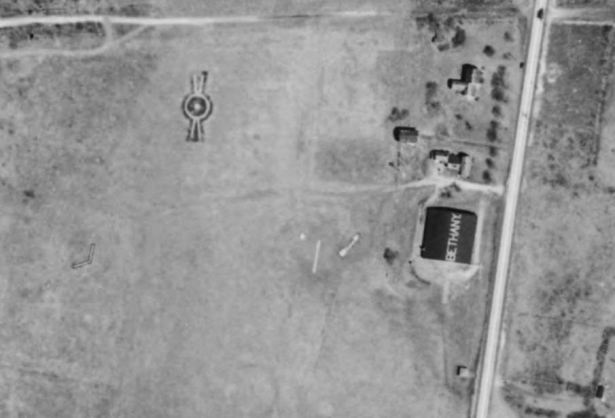
…exposed gas tanks and fabric-covered airplane wings helped the fire spread rapidly, resulting in $19,000 in damages. From Airfield to Playing Field Months later, however, with rebuilt facilities, the Civil…
Read
…help create the Travelers’ Aid Society. She also financially supported her friend Agnes Smedley, the radical journalist and novelist, who aided Indian and Chinese insurgents during their civil wars. By…
Read
…final major defeat of the war, it was Humphreys who presented British General Cornwallis’s flag to the Continental Congress. After the war’s end, Trumbull, Barlow, and Humphreys settled in the…
Read
…Confederation, remains one of Connecticut’s most significant and understudied revolutionary figures. His experiences during the Seven Years’ War and American Revolution made him a sought-after leader for the inexperienced American…
Read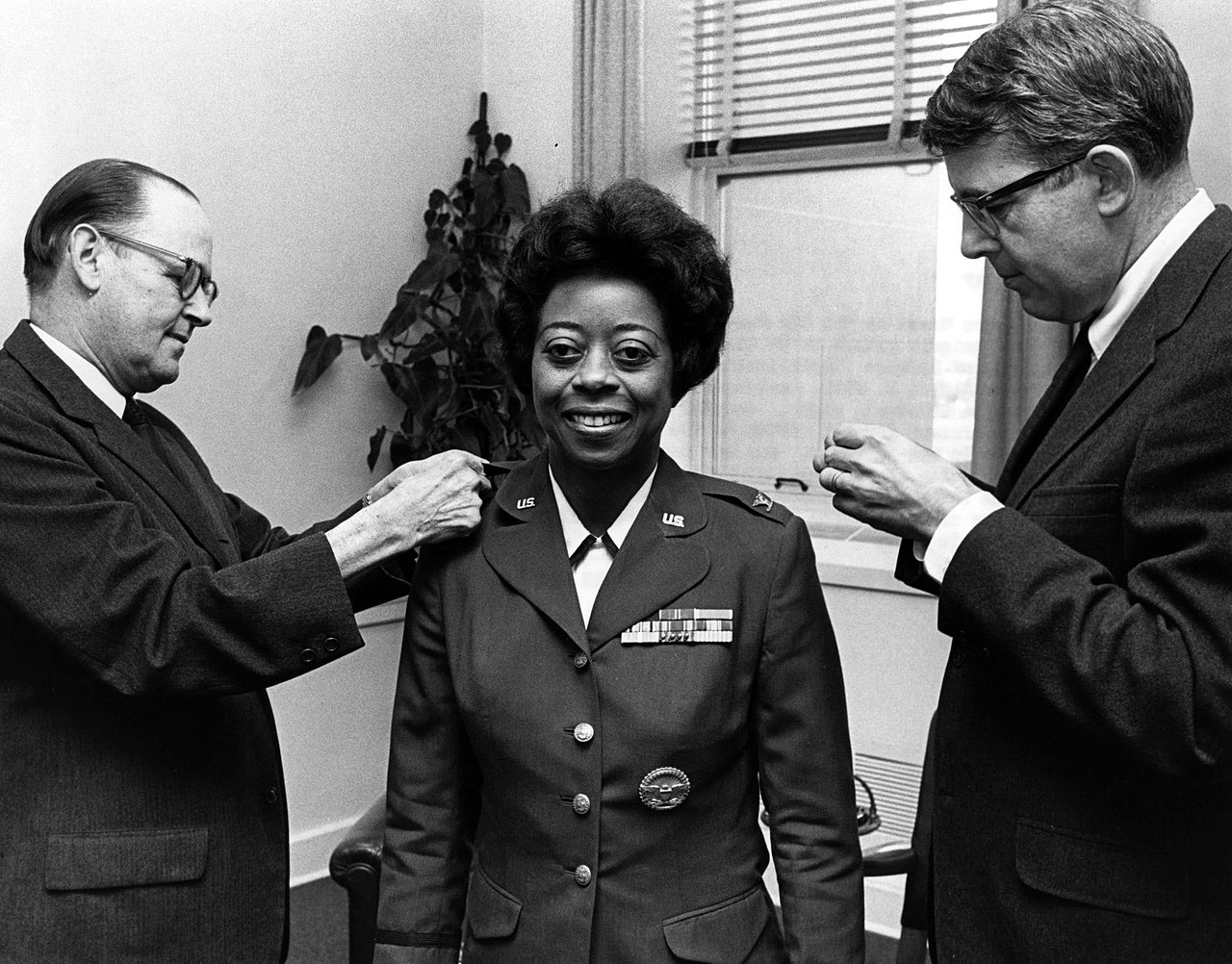
…the Tuskegee Institute and graduated in 1942 with a degree in education. In July of 1942, during the middle of World War II, Lucas joined the newly formed Women’s Army…
Read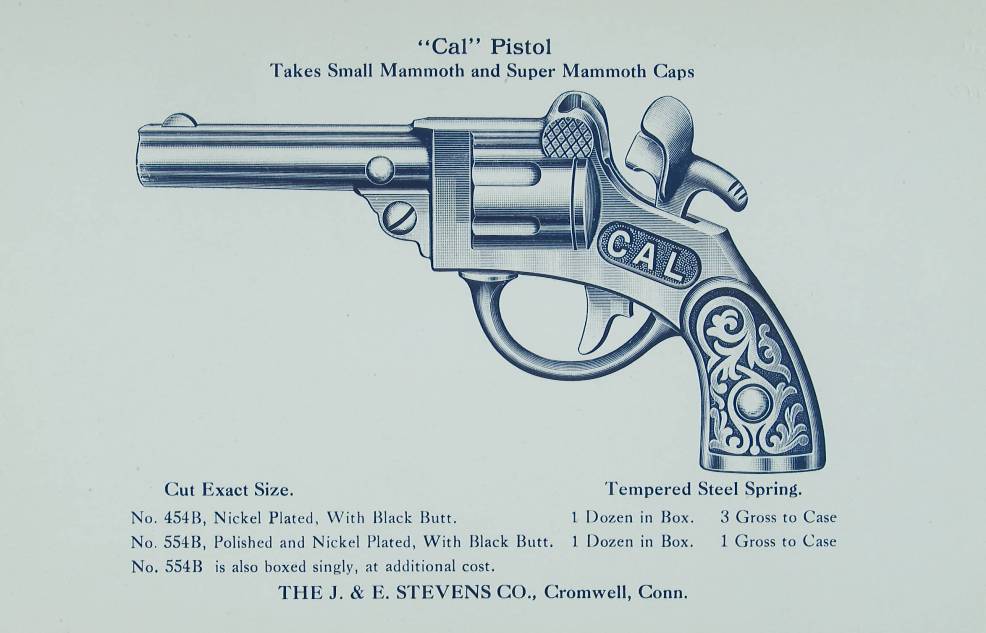
…local competitors, found their way to store shelves all over the country by the start of the Second World War. World War II production needs, however, created an iron shortage…
Read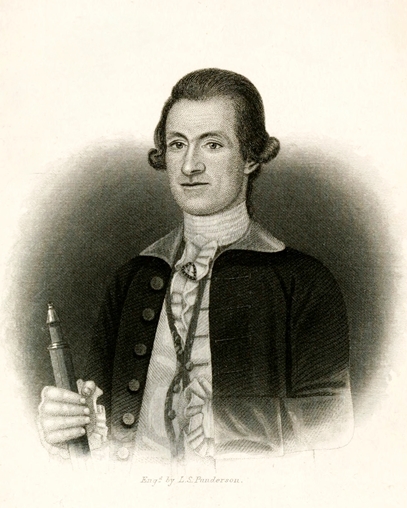
William Douglas was a successful merchant and military leader who settled in North Branford just prior to the Revolutionary War. Despite retiring with substantial wealth acquired through trade with partners…
Read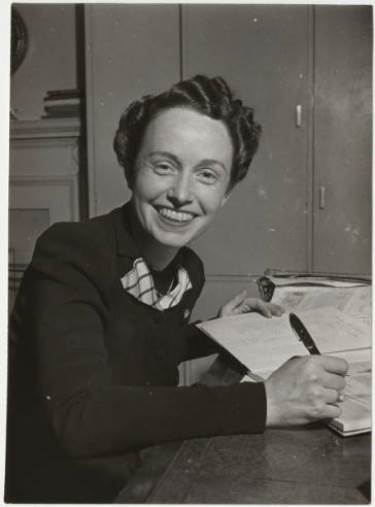
…of America’s most trusted news writers and war correspondents. In addition, she worked diligently to bring relief to children and families in need during World War II and returned to…
Read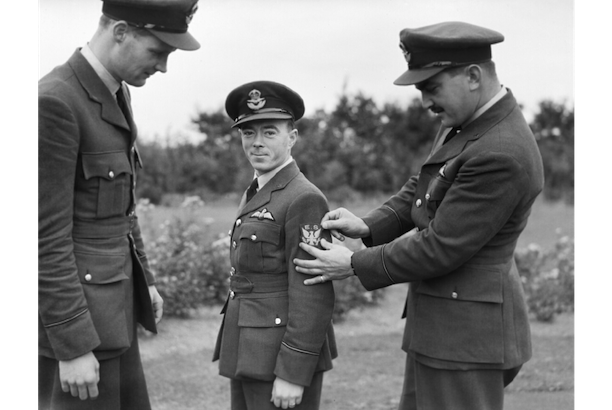
…the first Americans to join England’s Royal Air Force. From Airshows to World War II Fighter Pilot Born in Warsaw, Russian Empire (today, Poland) in 1912, Mamedoff grew up in…
Read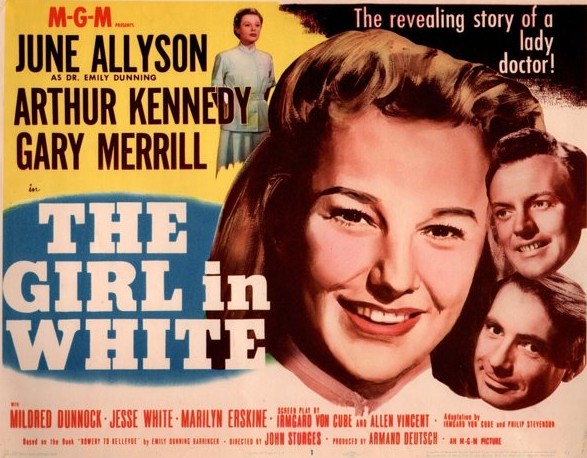
…World War under way, Barringer worked with numerous organizations that supplied medical care throughout Europe and led a campaign promoting the service of female physicians in the military—a campaign that…
Read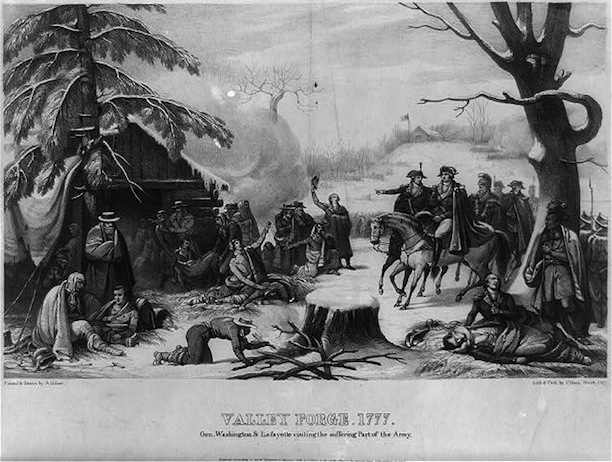
Nero Hawley, born into slavery in Connecticut in the 18th century, fought in the Revolutionary War. After his emancipation at the age of 41, he went on to become a…
Read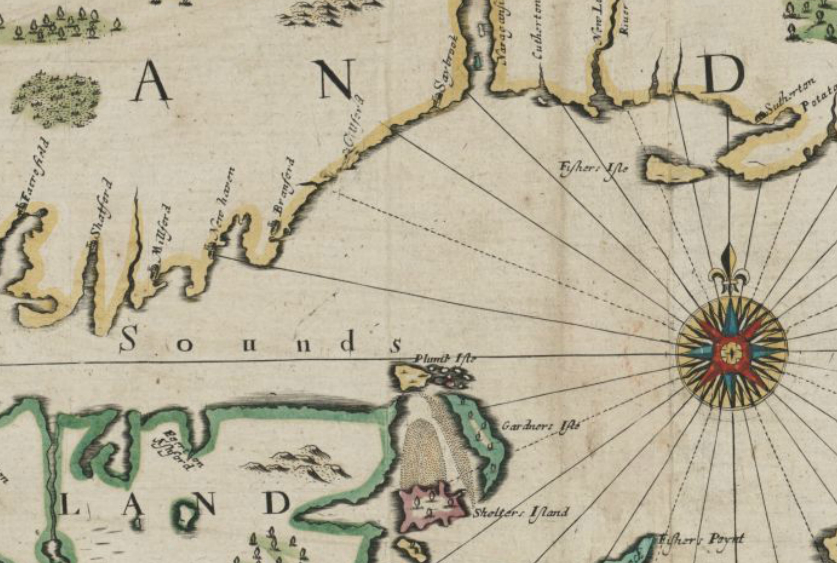
…for parts of what would become modern-day Old Saybrook. Birth of a Colony In 1631, the Earl of Warwick, who was president of the Council for New England, signed a…
Read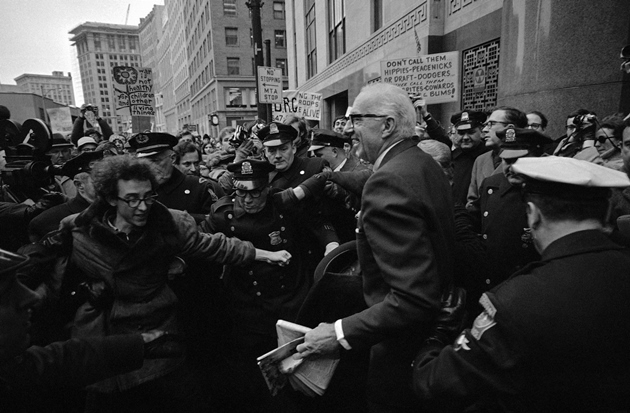
…a Sane Nuclear Policy. He was an early opponent of the Vietnam War and a featured speaker at anti-war demonstrations beginning in 1967. In 1968, he and four other activists…
Read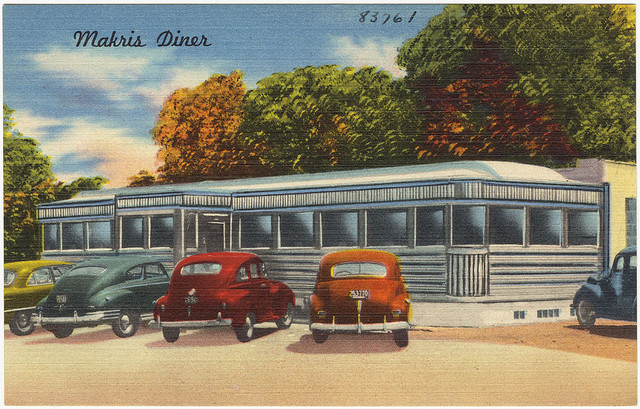
…the turnpike after World War II. As the major thoroughfare from Boston to New Haven, by 1947 the turnpike saw on average about 11,000 cars daily. By 1953, that number…
Read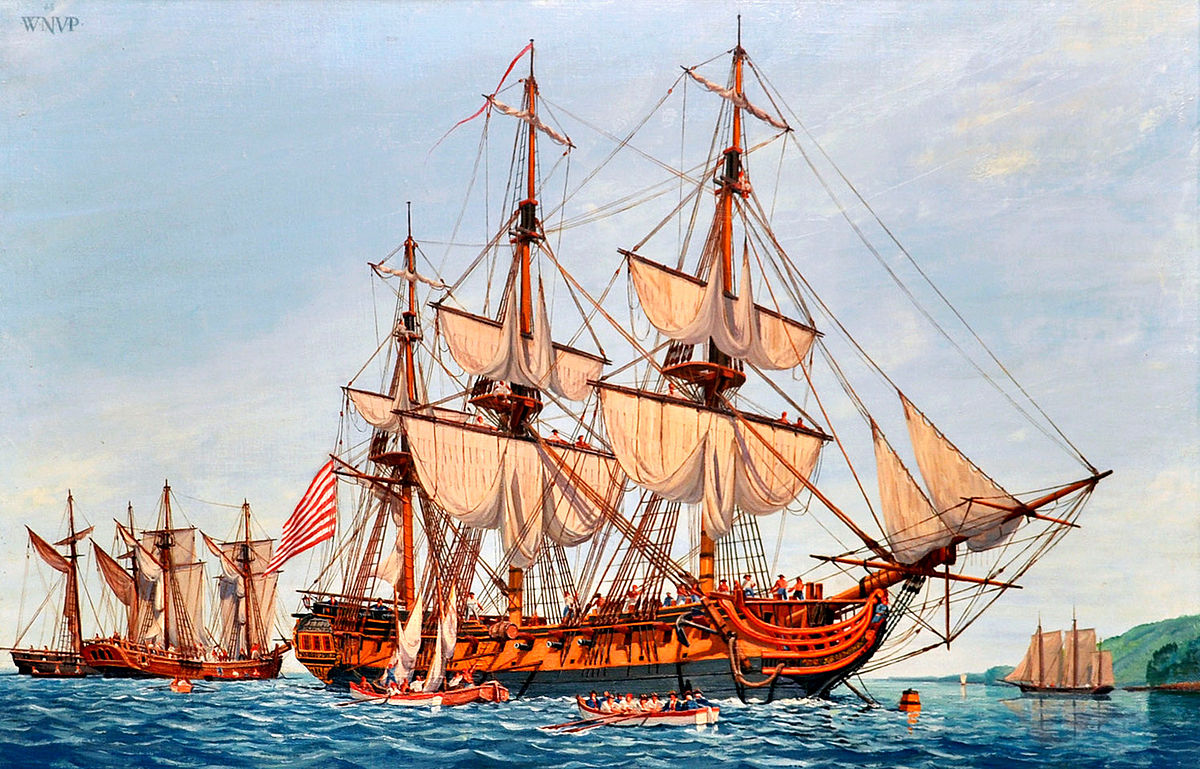
Written by Damien Cregeau and Dayne Rugh for the Connecticut History Review Though most of the famed battles of the American Revolution took place on land, in truth, the war…
Read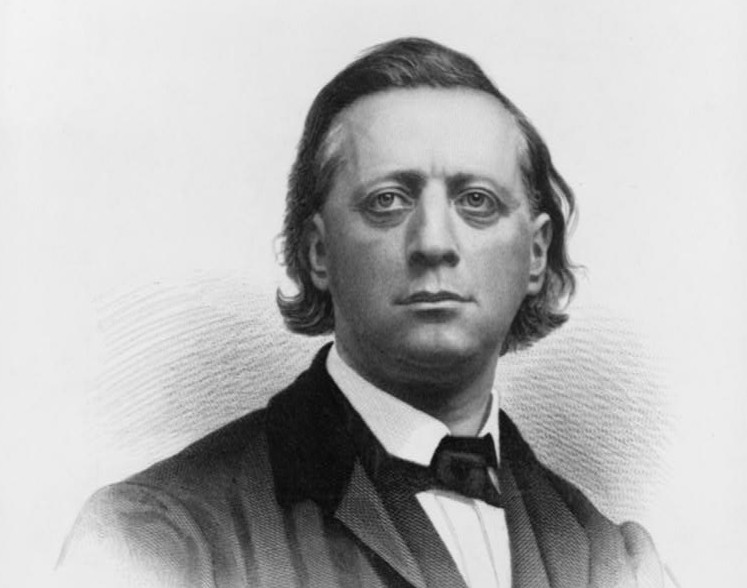
On June 24, 1813, Henry Ward Beecher was born in Litchfield. The Beechers were already well-known because Lyman Beecher, Henry’s father, was a nationally renowned clergyman, and Henry, too, became…
Read …tragic war fell upon Connecticut. This article is a panel reproduction from An Orderly and Decent Government, an exhibition on the history of representative government in Connecticut developed by Connecticut…
Read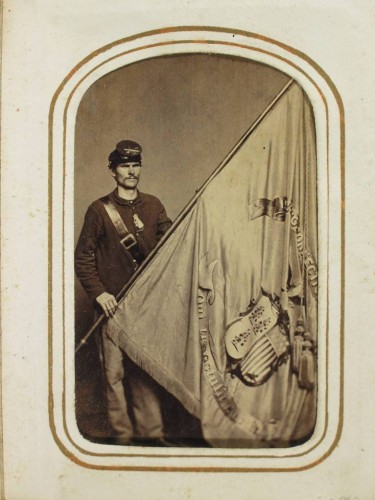
…and guard duty. In November 1863, the War Department ordered the Nineteenth to be reorganized as the Second Connecticut Volunteer Heavy Artillery Regiment, and officers were sent back to Connecticut…
Read …voting, and expelled Irish units from the state militia. A War to Set Men Free Advocated first by a small group of ministers and other abolitionists, the anti-slavery cause took…
Read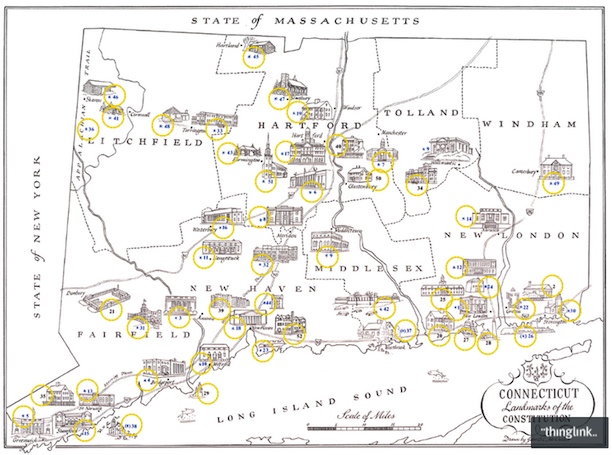
…them to Sierra Leone. A landmark victory for abolitionists, the decision upheld the right to rebel against unlawful enslavement, and was challenged in the pre-Civil-War era. 52. New Haven: House…
Read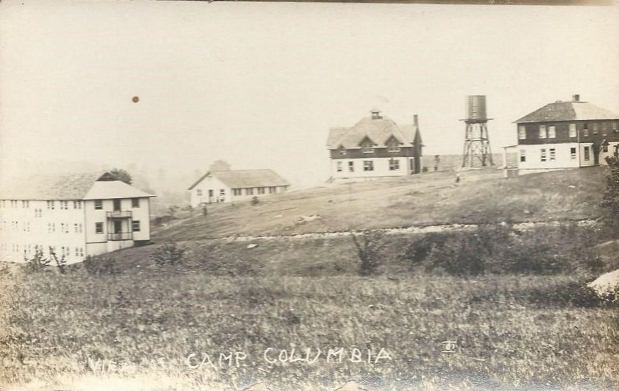
…In the years prior to World War I, a boathouse was built on Bantam Lake. Future expansion was halted by the coming of war, and in 1917, officers’ training for…
Read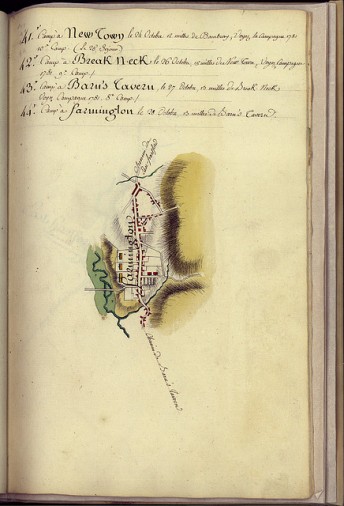
…belonged to Jean-Baptiste-Donatien de Vimeur, comte de Rochambeau, the commander of the French army in America during the Revolutionary War. France formalized its aid to the colonies following the treaties…
Read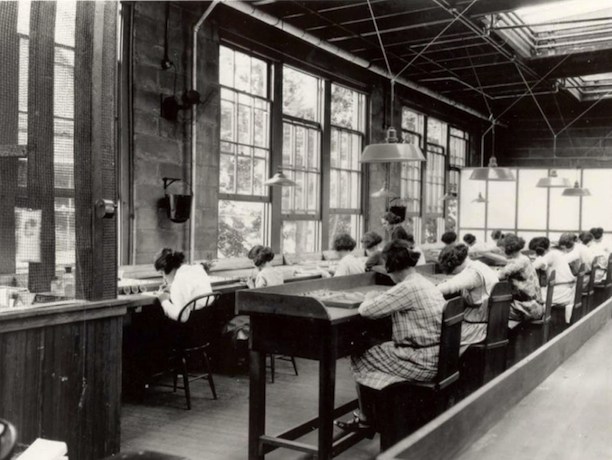
By Nicole Fontaine The Waterbury Clock Company experienced an increased demand for watches after the First World War, and to turn a profit, they hired women at low wages to…
Read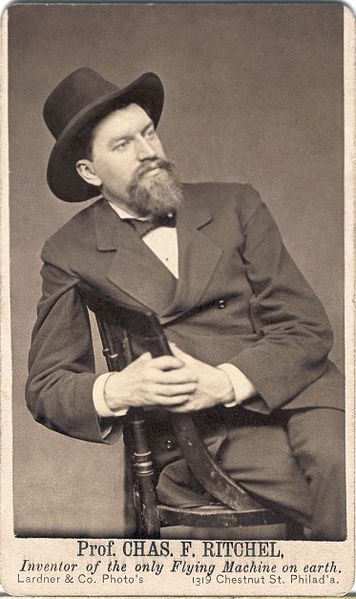
…during the war and pioneered the use of the inflatable life raft. After World War I, however, the company was unable to find new peacetime customers. In 1921, it was…
Read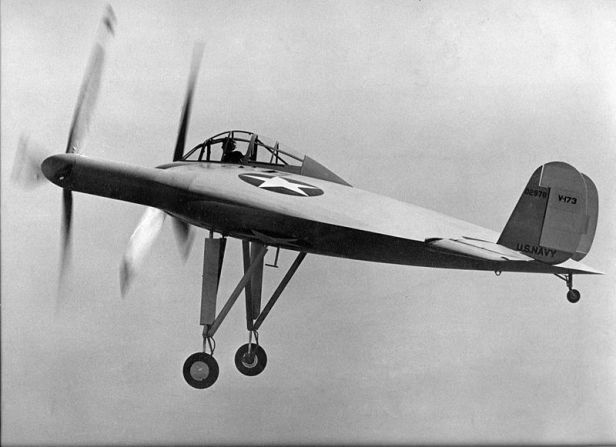
…serving on board the aircraft carriers Saratoga and Lexington prior to World War II. After completing his naval training, Guyton accepted a position with a commercial airline but United Aircraft,…
Read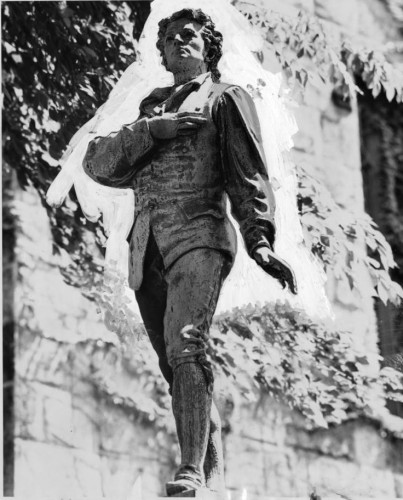
On September 22, 1776, the British hanged Revolutionary War soldier Nathan Hale for spying. Born in Coventry in 1755, Hale attended Yale College and later became a schoolteacher. After hostilities…
Read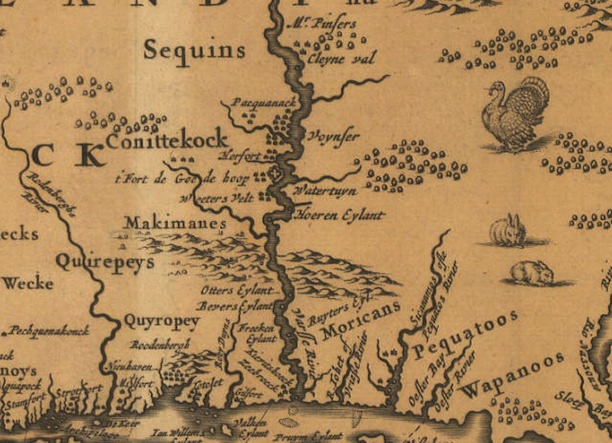
1614 Dutch explorer Adriaen Block sails along the Connecticut coastline and up the Connecticut River. 1631 The Earl of Warwick signs the “Warwick Patent,” a deed of conveyance granting land…
Read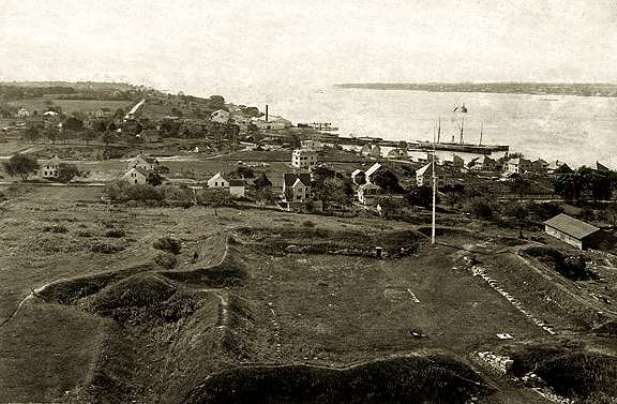
East of the Thames River, on Groton Heights, Fort Griswold stands commanding the New London Harbor and the surrounding countryside. In the midst of the Revolutionary War, 1781, the fort…
Read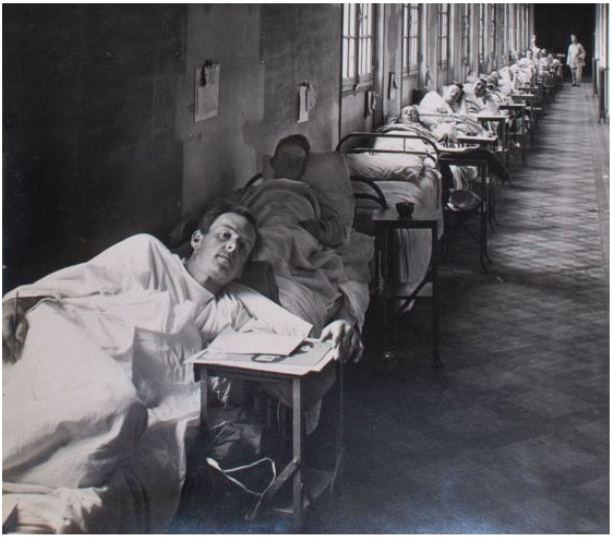
…the disease, which was further facilitated by the movements of soldiers. World War I Hastens Spread of the Disease Ward 83, American Red Cross Military Hospital Number 1, ca. 1918….
Read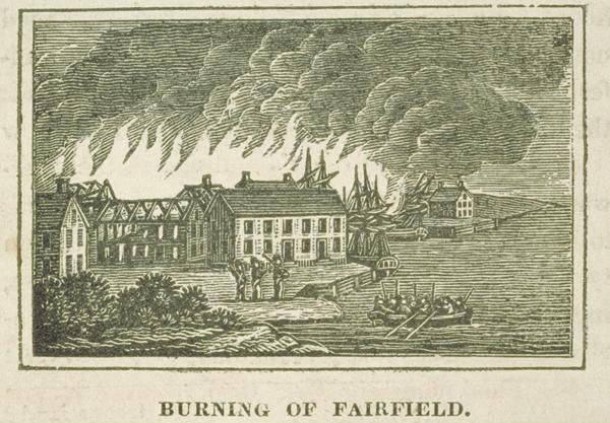
On July 7, 1779, during the Revolutionary War, the British anchored a fleet of warships off the coast of Fairfield, Connecticut. The British soldiers waited for the fog to lift…
Read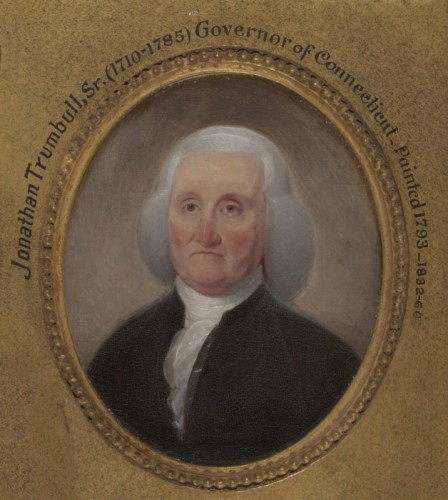
…Trumbull was known for keeping an even temperament while mediating disputes and for the way he rallied Connecticut residents to supply provisions for the Continental army during the Revolutionary War….
Read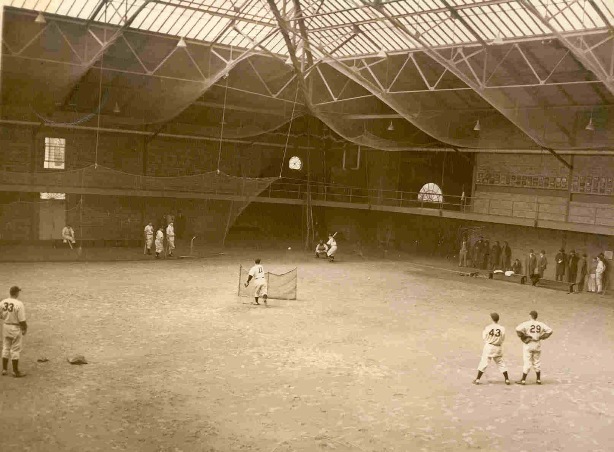
…donated all of the revenue they generated while in Wallingford to the Red Cross war effort. After the war and the lifting of travel restrictions in the US, baseball readily…
Read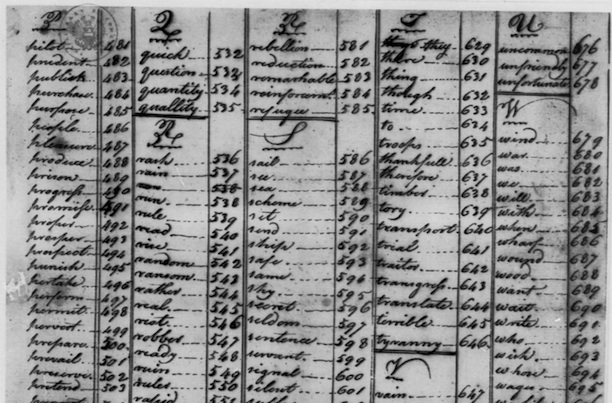
…in the early years of the Revolutionary War, helped organize the Culper Spy Ring. Brewster’s friendship with the Tallmadges and his expertise as a seaman made him a natural for…
Read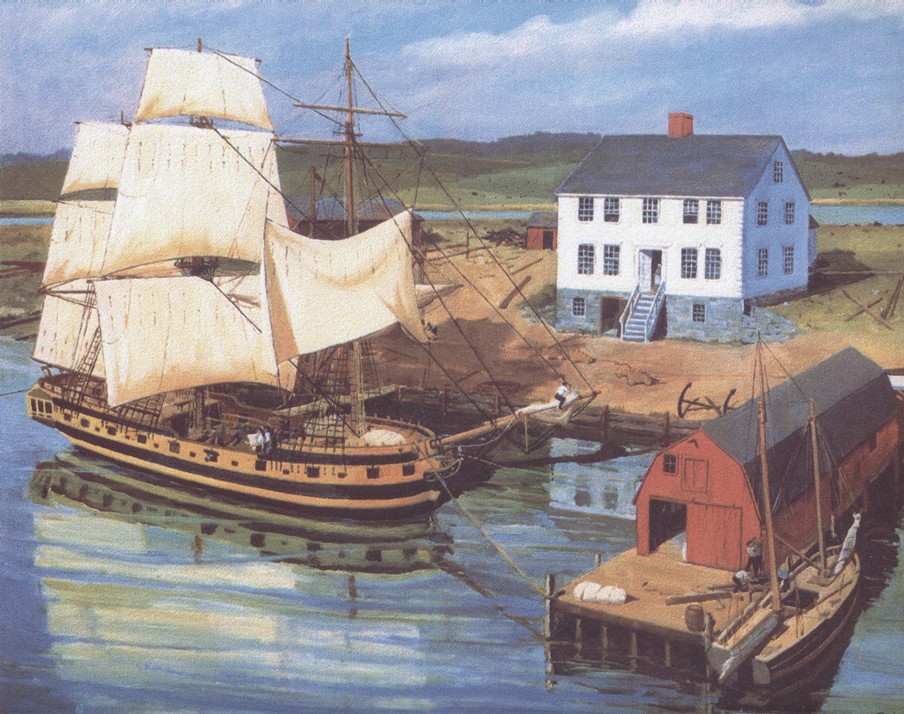
…the establishment of Connecticut’s navy. The Navy was formed after the start of the American Revolutionary War in July of 1775 when the Connecticut General Assembly authorized Governor Jonathan Trumbull…
Read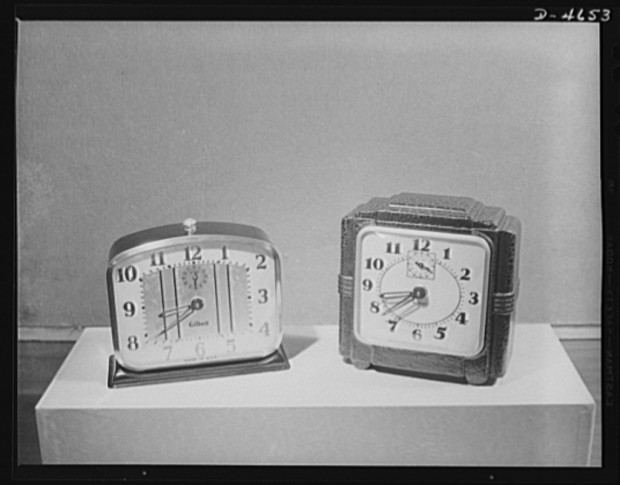
…that the William L. Gilbert Clock Corporation of Winsted was one of the few clock-making firms in Connecticut allowed to continue the manufacture of clocks during World War II. Why?…
Read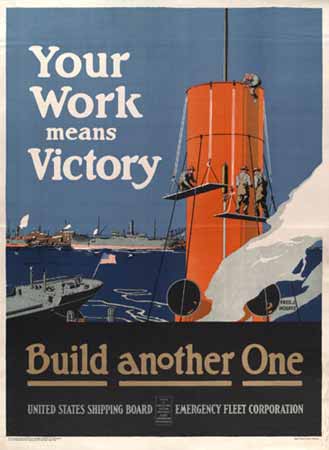
…The freighter was built at the Groton Iron Works in support of the war effort for the Emergency Fleet Corporation of the United States Shipping Board. Groton Iron Works, formed…
Read
…from treaties and transactions to the fallout of war and disease, brought the land increasingly into European hands. From Firing Range to Public Beach The area around Hammonasset served a…
Read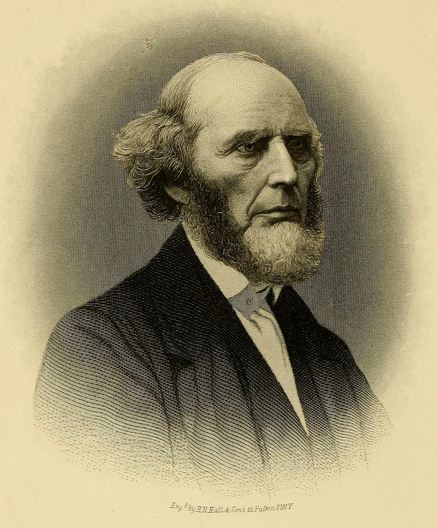
Charles Grandison Finney was a revivalist preacher and educator born in Warren on August 27, 1792. He was the seventh child of Josiah Finney and Sarah Curtiss—two of Warren’s earliest…
Read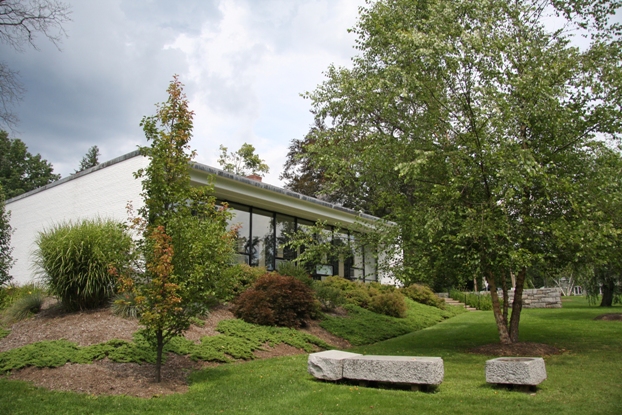
…architecture that reflected a new way of living. After World War II thousands of veterans returned home. With a growing economy, need for affordable housing, and a desire for a…
Read
By Alec Lurie When English warships landed at Fairfield’s Kenzie’s Point in July 1779, townspeople knew disaster was in store for coastal Connecticut. Some, however, saw British flags as a…
Read
…Historical Society. Gift of Mary Jane Dapkus. Yalesville Memorializes World War II Pilot Growing up, Stanley—known as “Bing” to his friends—was fascinated by airplanes, and he became an airplane mechanic…
Read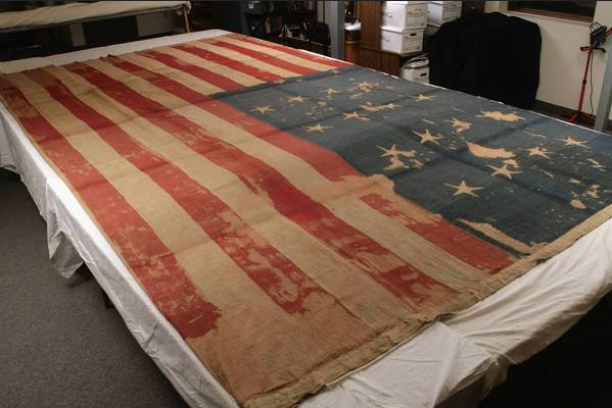
…Ghent in December 1814, ending the war. The flag remained in the care of Francis Amy, orderly sergeant of the 8th Company, until his death in 1863. The flag then…
Read
…once belonged to Jean-Baptiste-Donatien de Vimeur, comte de Rochambeau, the commander of the French army in America during the Revolutionary War. France formalized its aid to the colonies following the…
Read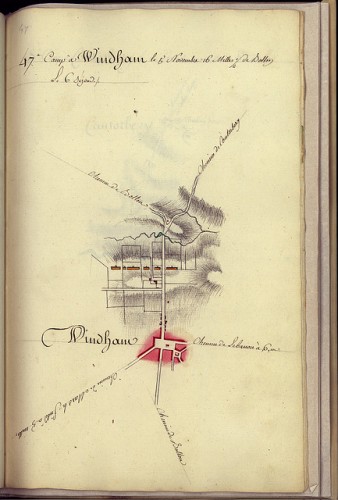
…belonged to Jean-Baptiste-Donatien de Vimeur, comte de Rochambeau, the commander of the French army in America during the Revolutionary War. France formalized its aid to the colonies following the treaties…
Read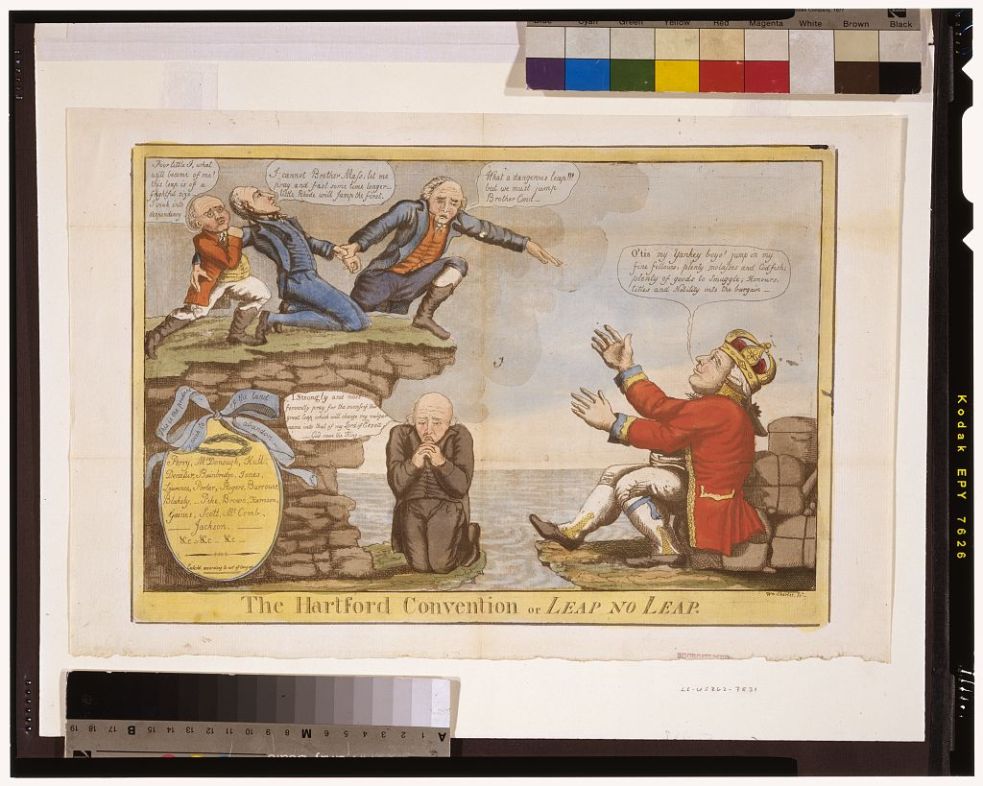
…December of 1814. Historical Background The Hartford Convention, as it came to be known, met during the War of 1812 in reaction to the rise to power of the rival…
Read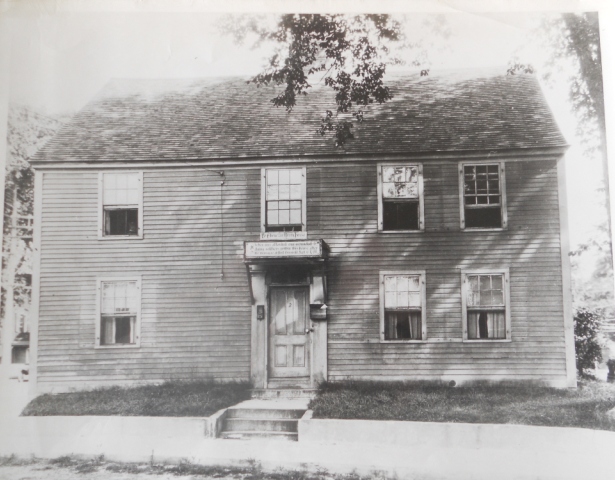
…that the Ebenezer Avery House on the grounds of Fort Griswold Battlefield State Park in Groton once served as a hospital and refuge for the wounded after the Revolutionary War’s…
Read …subject which can engage our attention.” – Governor Oliver Wolcott Jr., 1818 A Second War with Britain The Connecticut ship, Arbula Many in Connecticut opposed the War of 1812 and…
Read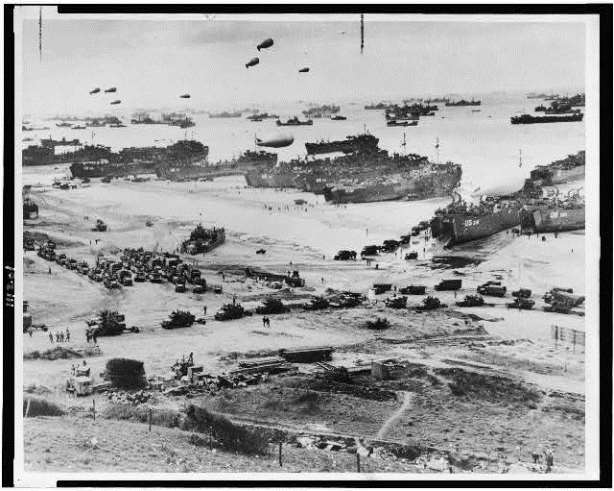
…warned in the first bulletins that the news could be German propaganda. Not until 3:32 am did General Dwight D. Eisenhower’s London headquarters issue a statement confirming that the invasion,…
Read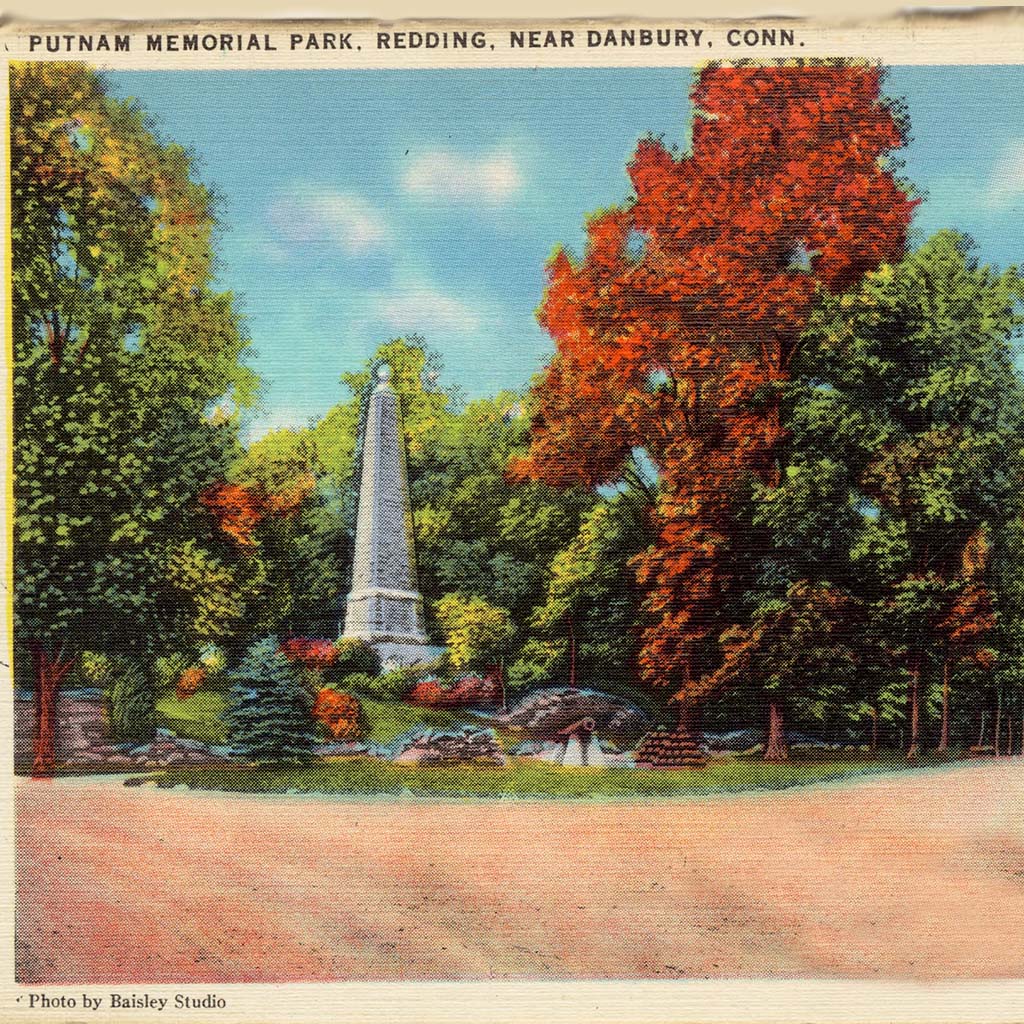
By CT Humanities Staff As the 1778-79 winter quarters for a division of the Continental army during the Revolutionary War, Putnam Memorial State Park is sometimes referred to as “Connecticut’s…
Read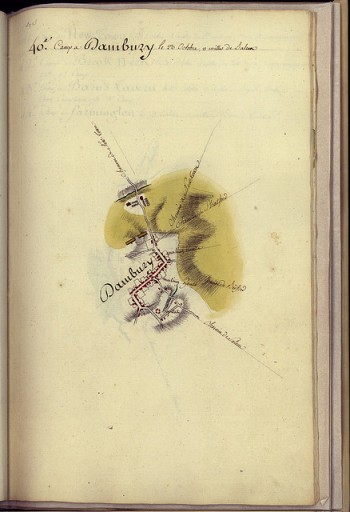
…to Jean-Baptiste-Donatien de Vimeur, comte de Rochambeau, the commander of the French army in America during the Revolutionary War. France formalized its aid to the colonies following the treaties of…
Read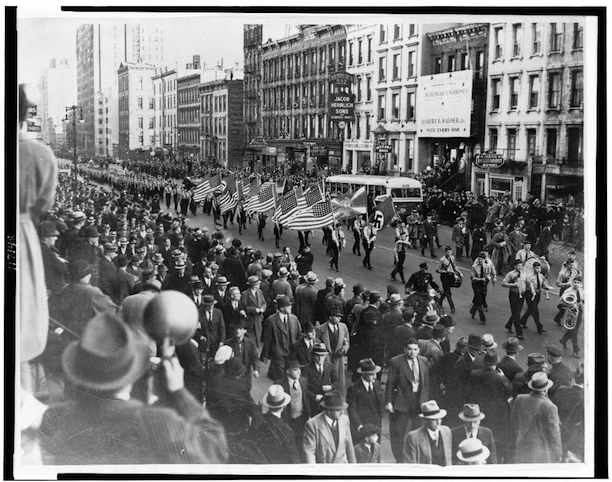
In the late 1930s, in an attempt to avoid a second world war, countries around the globe worked to curb increasingly hostile Nazi aggression through policies of appeasement. The United…
Read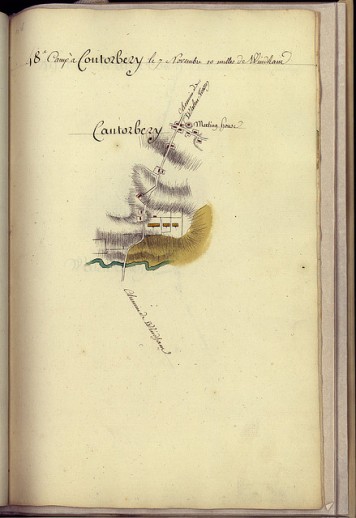
…to Jean-Baptiste-Donatien de Vimeur, comte de Rochambeau, the commander of the French army in America during the Revolutionary War. France formalized its aid to the colonies following the treaties of…
Read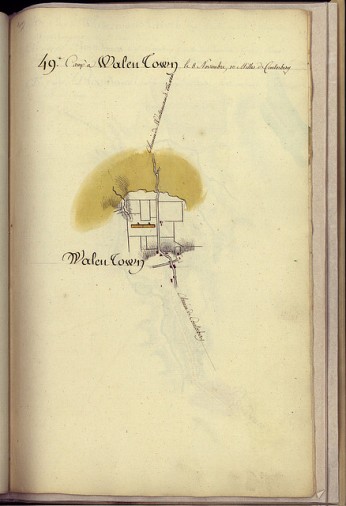
…to Jean-Baptiste-Donatien de Vimeur, comte de Rochambeau, the commander of the French army in America during the Revolutionary War. France formalized its aid to the colonies following the treaties of…
Read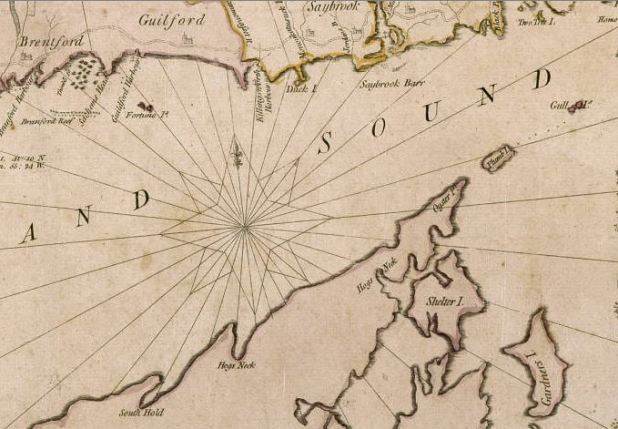
…large stores of hay, grain, and rum. They brought with them 96 prisoners of war. Not a single patriot had been lost. But Guilford would have its turn to feel…
Read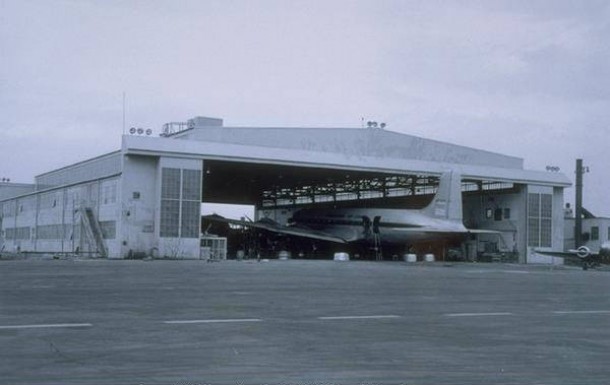
…area for overseas deployment and, toward the end of the war, as a camp for German prisoners of war. The field was deactivated in 1945 and returned to state ownership…
Read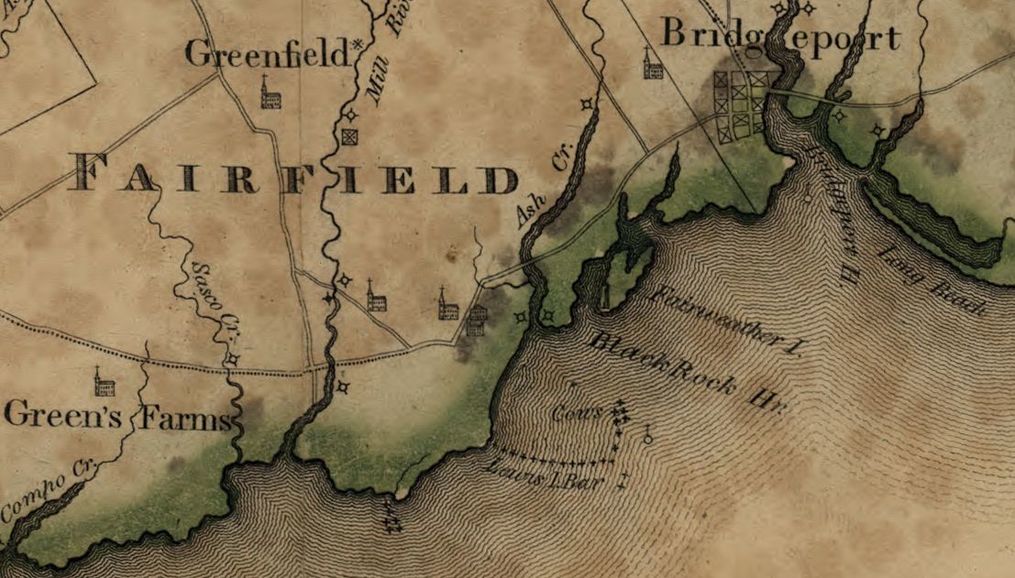
…member of the Culper Spy Ring during the Revolutionary War—was also an active participant in the African Slave Trade. Runaway Advertisement in the Fairfield Gazette Advertisement by Caleb Brewster in…
Read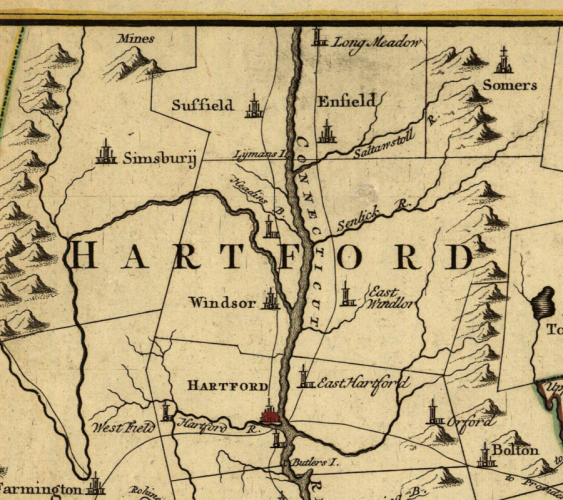
…at the start of the Revolutionary War. Serving in various special functions throughout the war, Pease was primarily in charge of transportation-related matters. He delivered correspondence, purchased horses and foraged…
Read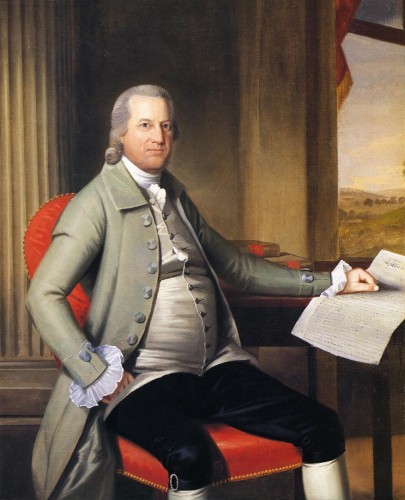
…military leader during the Revolutionary War. The latter role culminated with his appointment to Brigadier General of the Connecticut Militia. After the war, Wolcott continued in political service as the…
Read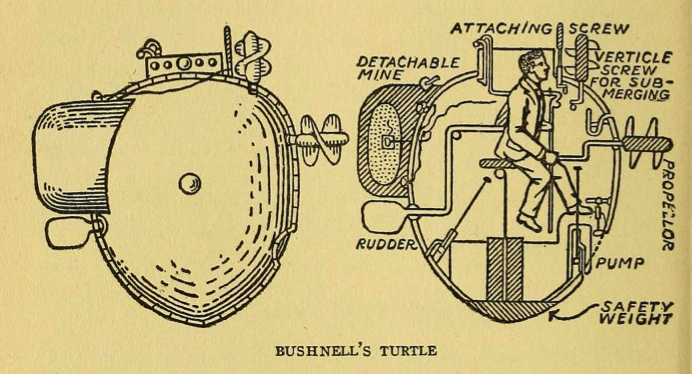
…the Delaware River; both were successful. When the war ended—and with brother Ezra having died in 1786—David Bushnell left Connecticut and went to Warrenton, Georgia, with Yale classmate Abraham Baldwin….
Read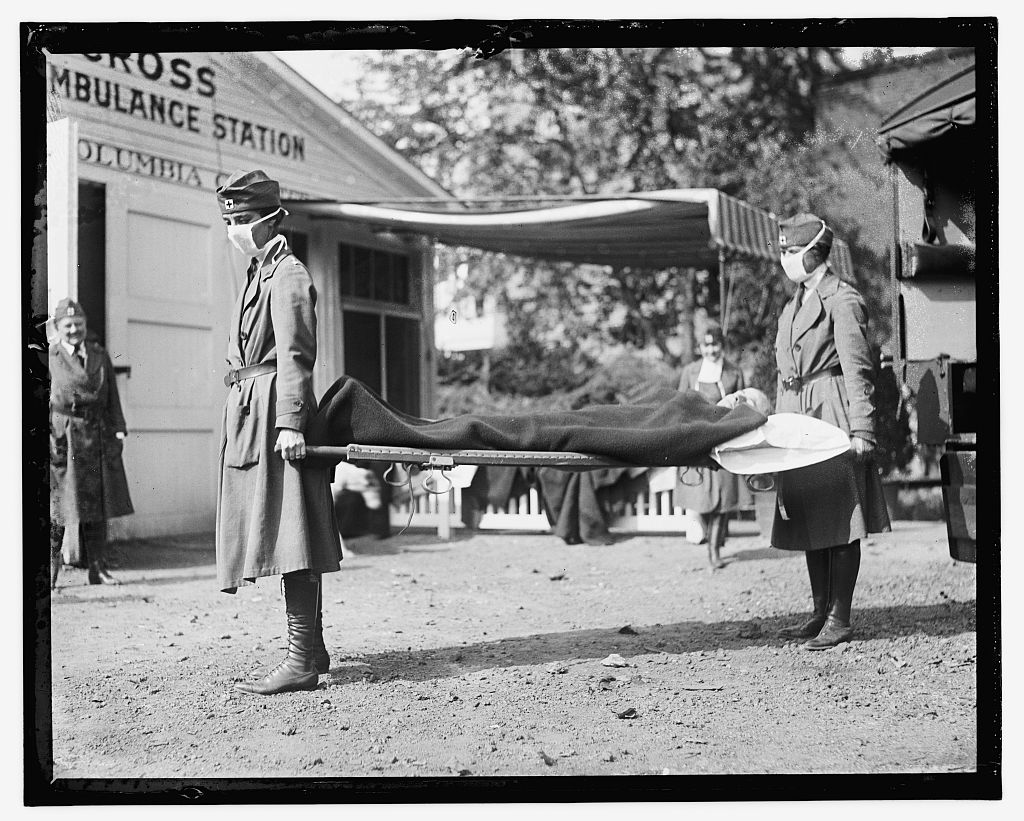
…with pigs a likely intermediary. The pandemic coincided with another devastating event: the Great War, more commonly known today as World War I. During the late winter and spring of…
Read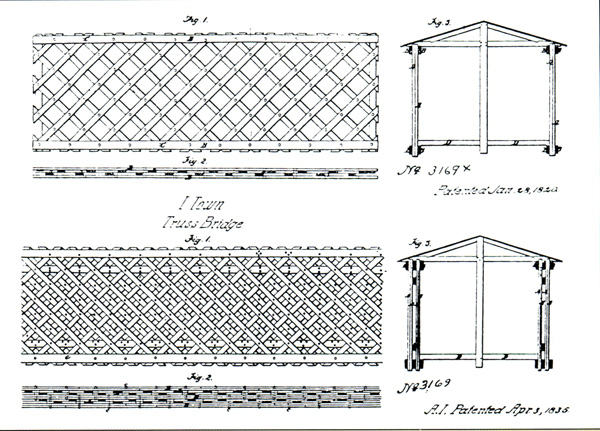
…made the design the common choice for covered bridges and early railroad bridges until the post-Civil War era. Town’s bridge design accommodated early trains simply by doubling the quantity of…
Read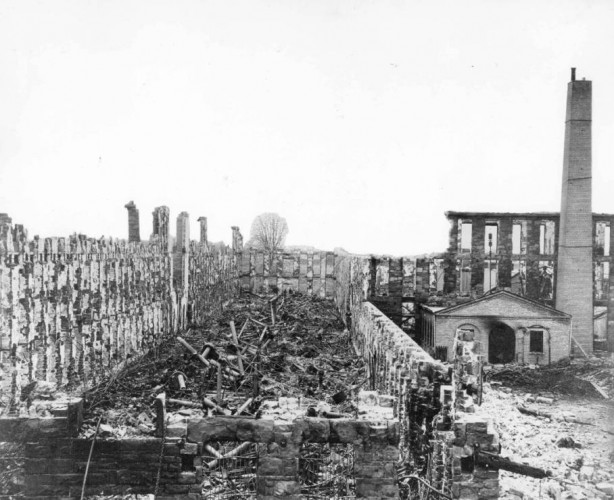
…spread about the factory fire; because it took place at the height of the Civil War, some believed Confederate sympathizers started the blaze. However, no one ever discovered the real…
Read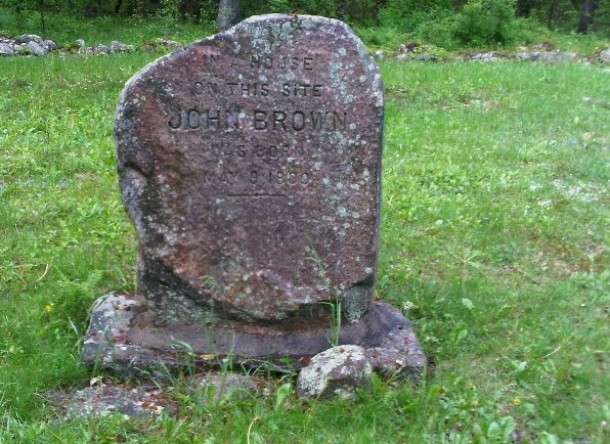
In the years prior to the Civil War, Torrington, like many towns in New England and the rest of the country, found itself divided by the issue of slavery. Abolitionist…
Read
…Haven, 1906, 1981.136.1 – Connecticut Historical Society Kelsey served with the 6th Regiment of the Connecticut Volunteers during the Civil War. An entrepreneur at heart, Kelsey spent his postwar years…
Read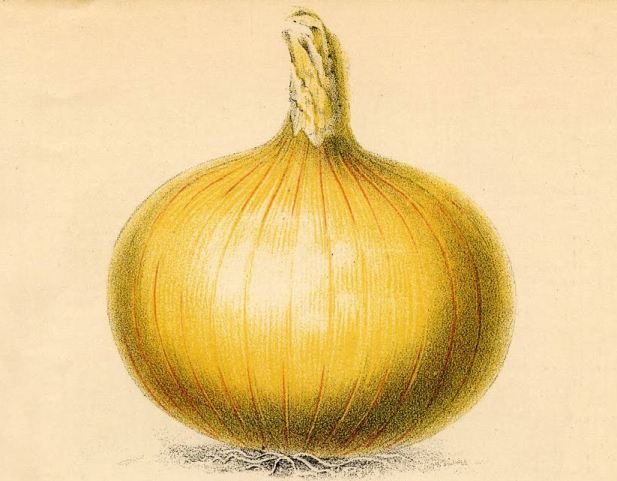
…from Westport and the surrounding area once flooded the markets of New York. By Ship and Rail, Connecticut Onions Head to Market Around the time of the Civil War, the…
Read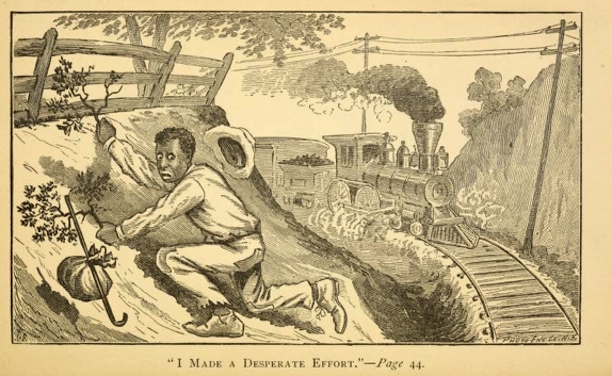
By Nancy Finlay In the years before the Civil War, the Underground Railroad enabled thousands of Americans of African descent to escape from slavery. In the North and in the…
Read
…according to ConnectiCOSH spokesman Steven Schrag. The group holds CEOs personally responsible for providing adequate safety and health programs in the workplace. In Hartford’s Bushnell Park, near the Civil War…
Read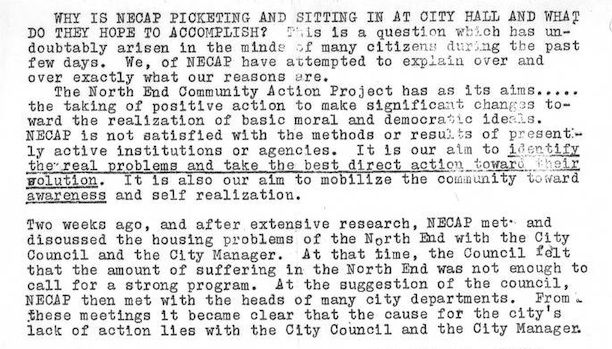
…in the South and to challenge racial discrimination in the North. Though only 19, Countryman had already been active in the civil rights movement through the New England Student Christian…
Read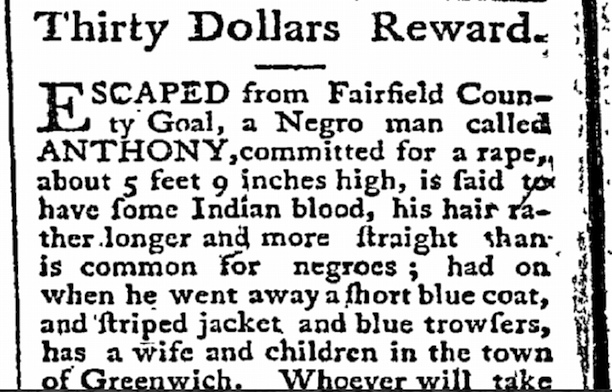
…black Civil War soldiers. But many of its residents remain unaware of the executions of Anthony and Adams and the social ramifications of their deaths. An acknowledgment of these stories…
Read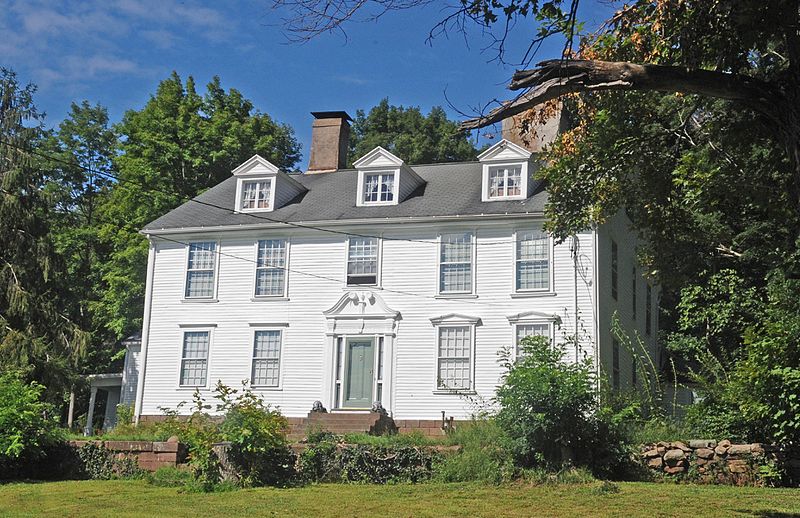
…Civil War History George Washington’s Gravestone, Indian Hill Cemetery, Middletown – Find a Grave Though renowned for its Georgian architecture and New England features, the house also has connections to…
Read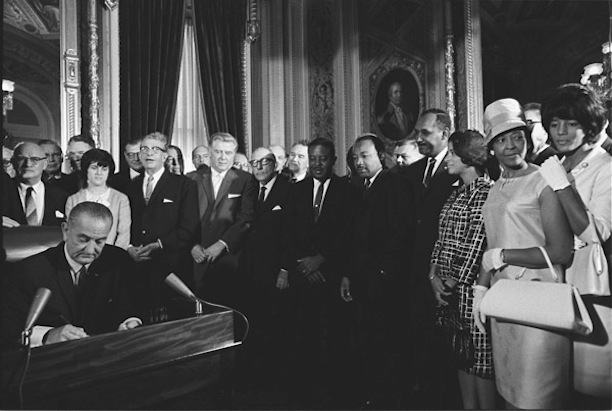
…institutional racism wherever he found it, in the state and in his own church. On March, 11, 1965, at the height of violent confrontations over civil rights in the South,…
Read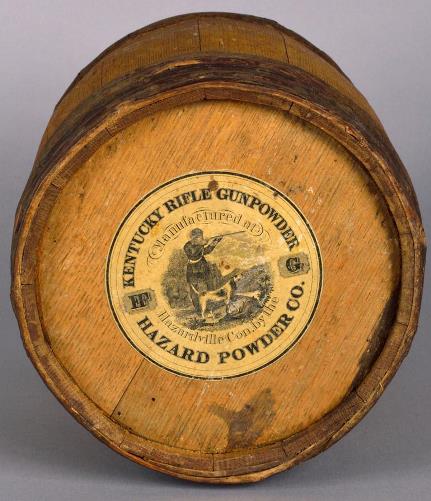
…helped establish over 100 mills in an area of Enfield that later became known as Hazardville. His Hazard Powder Company supplied the gun powder that helped fight the Civil War,…
Read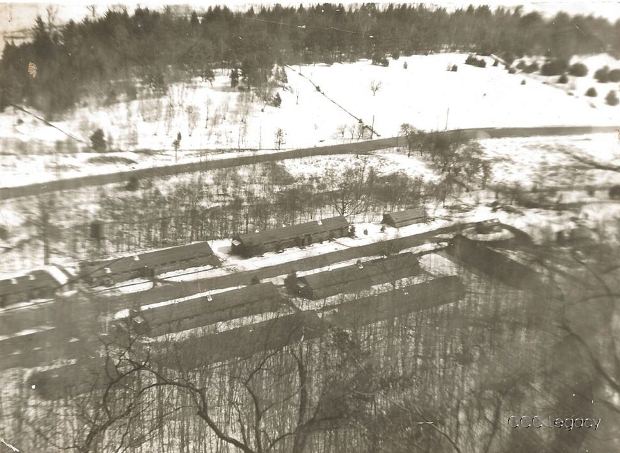
By Peter Vermilyea Men and their firefighting tools, Camp Cross Housatonic State Forest, Cornwall-Bridge – Courtesy of Civilian Conservation Corps Legacy Franklin Delano Roosevelt signed the legislation establishing the Civilian…
Read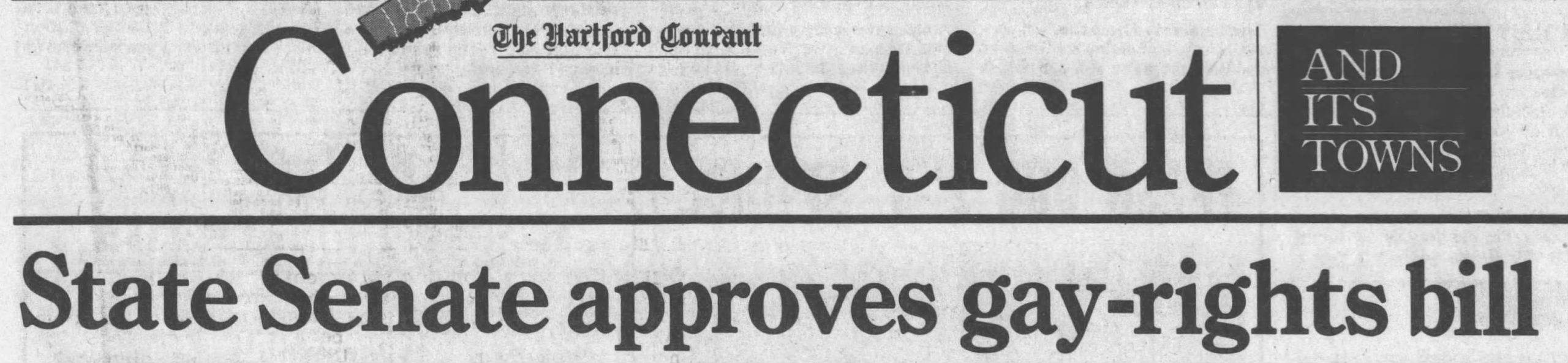
…Colloquially known as the “gay-rights bill,” this legislation prohibited discrimination based on sexual orientation in housing, employment, and credit. It was one of the first LGBTQ+ civil rights laws in…
Read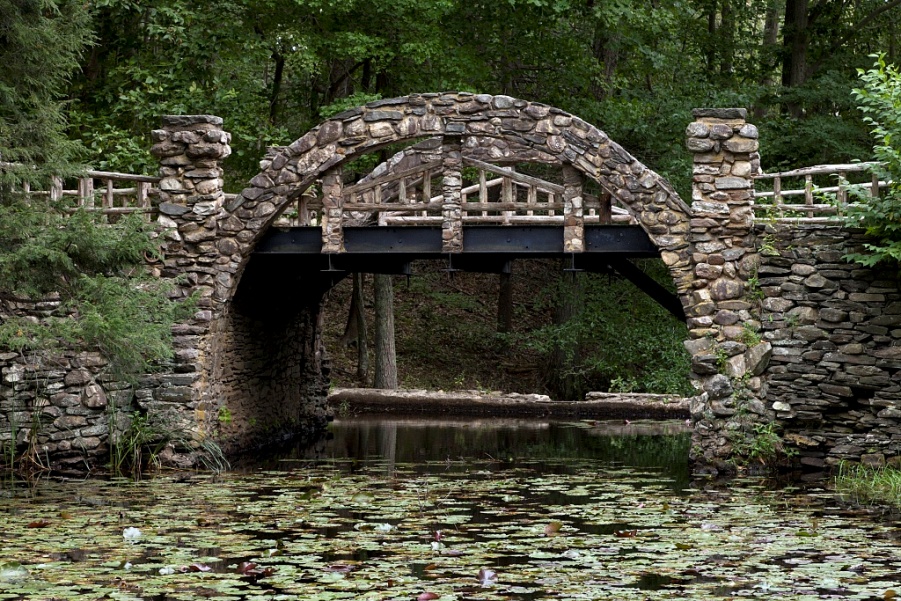
…recreational development. Depression-era Programs Advance Conservation Projects The Depression provided additional opportunity for state conservation efforts through the Civilian Conservation Corps (CCC), initiated in 1933 and one of the flagship…
Read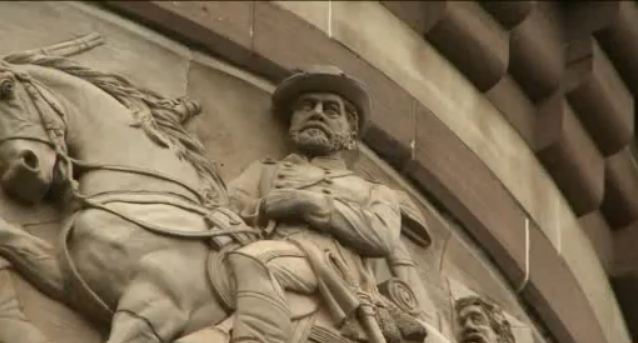
YouTube CTnow.com Hidden History is a video series highlighting stories from Connecticut’s past. Content is produced by and used with the permission of CTnow.com. Presentation of external content from for-profit…
Read
…that he would “behave himself civilly and peaceably,” including refraining from work on the Sabbath. When he would not so swear, he was transported out of the colony. The frequency…
Read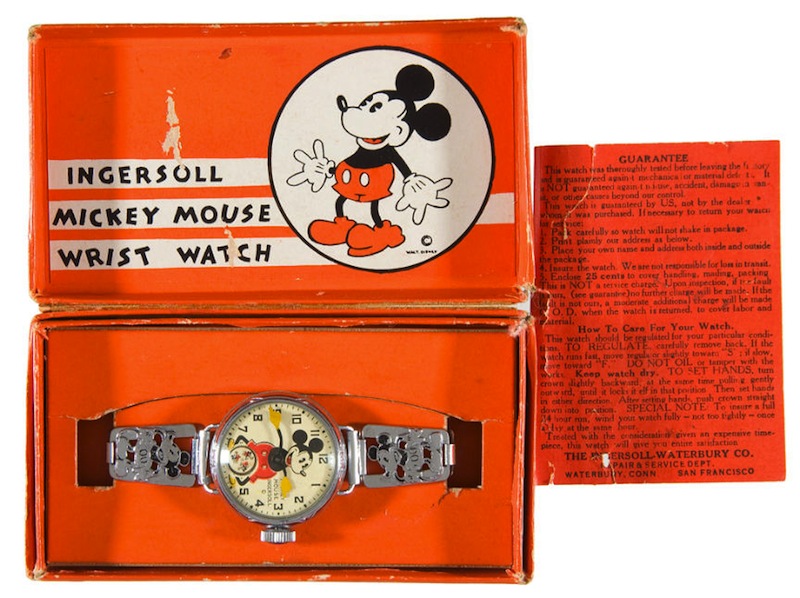
…was the largest clock maker in the United States. With the advent of World War I, Waterbury Clock continued to place itself at the forefront of innovation when they modified…
Read
…education, Auerbach devoted much of her life to the betterment of her community and the world. She made contributions to civilian relief efforts during World War II by establishing a…
Read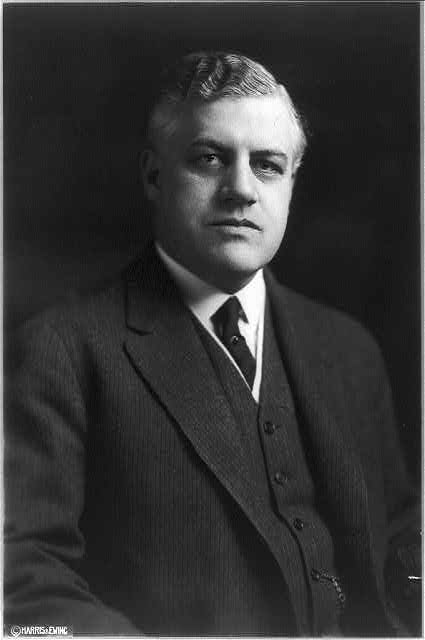
…the First World War (ironically, some of those arrested were war veterans themselves). Postmaster General Albert Burleson attempted to clarify the laws’ purpose: “For instance, papers may not say that…
Read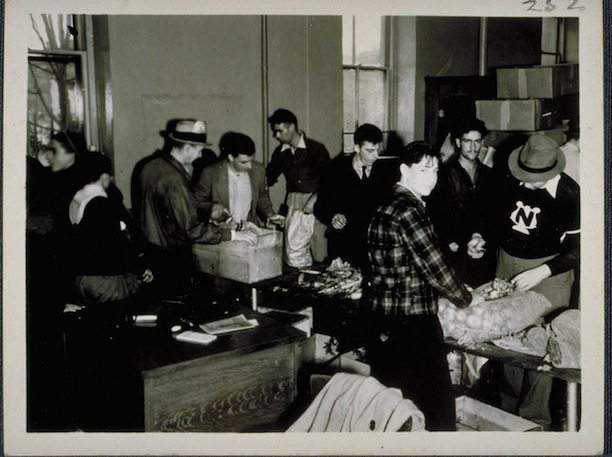
…War Council and the establishment of a storm headquarters at the office of Hartford Mayor William H. Mortensen. Additionally, state officials activated the War Emergency Radio Service (the first time…
Read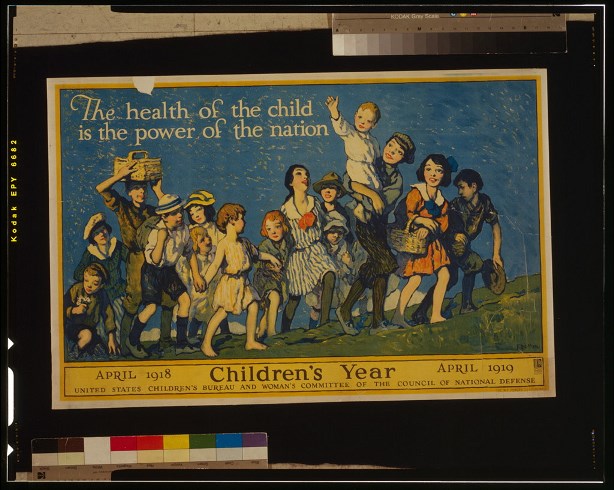
…forces during World War I. Boyd claimed: The battle to keep up the highest standard of public health must not be delayed for one moment. There must be women to…
Read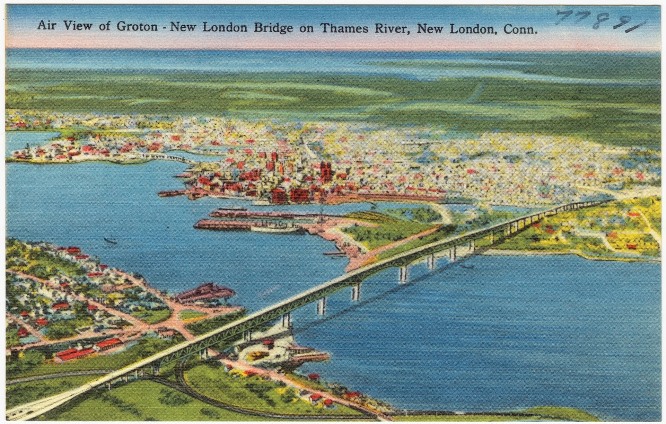
…and World War II. With the postwar development of the Interstate Highway System, the single-span bridge soon proved unable to handle the ever-increasing flow of traffic. In 1963, planning began…
Read
…Connecticut and New Haven colonial governments, stipulated that “all charges of the war be born by the poll.” Although no war ensued, Massachusetts enacted a law in 1646, which included…
Read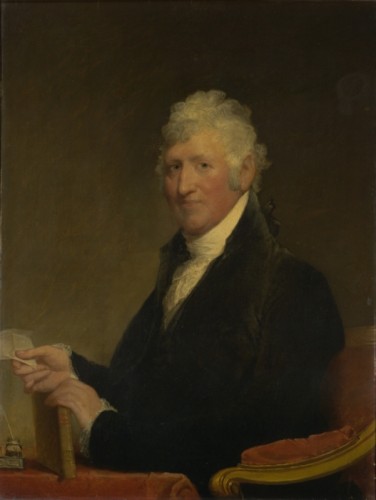
…Gold medal awarded to David Humphreys by the Massachusetts Society for Promoting Agriculture, 1802 A Distinguished Career at Home and Abroad During the Revolutionary War, Humphreys’ military talents and patriotism…
Read …on to Washington. War in Europe greatly stimulated the Connecticut economy as contracts from the European combatants flooded into the state’s brass industry and arms makers. American entry in the…
Read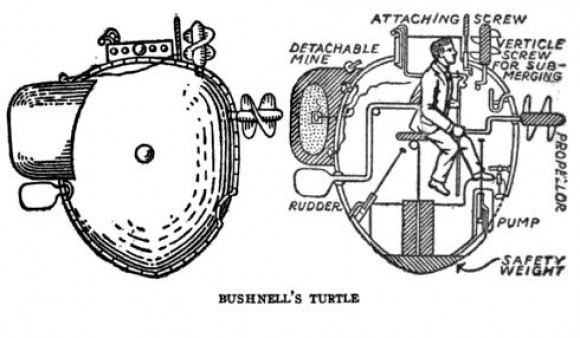
On September 6, 1776, the first functioning submarine, called the Turtle, attacked the HMS Eagle anchored in New York Harbor. Designed by Saybrook native and Yale graduate David Bushnell, the…
Read
…of the past: a gun that had belonged to Revolutionary War hero General Israel Putnam, an antique tall clock, relics of the Charter Oak, and what would become the icon…
Read …militant. Organized labor grew enormously in strength and influence in the 1930s and helped mobilize legislative support for the minimum wage, worker’s compensation, and unemployment insurance. The lure of wartime…
Read
…Threatens Electrical Service” and characterized the Governor’s tree-trimming plans as a “War on Trees.” “Mark my word,” warned Governor Dannel Malloy, “when we start to do that… there are going…
Read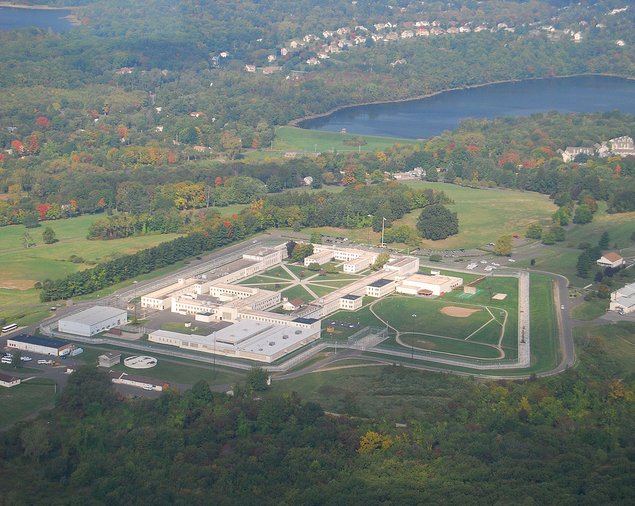
…1940 the Federal Correctional Institution, also known as the Danbury prison, became a site of political protest. During World War II, the prison was one of several facilities nationwide to…
Read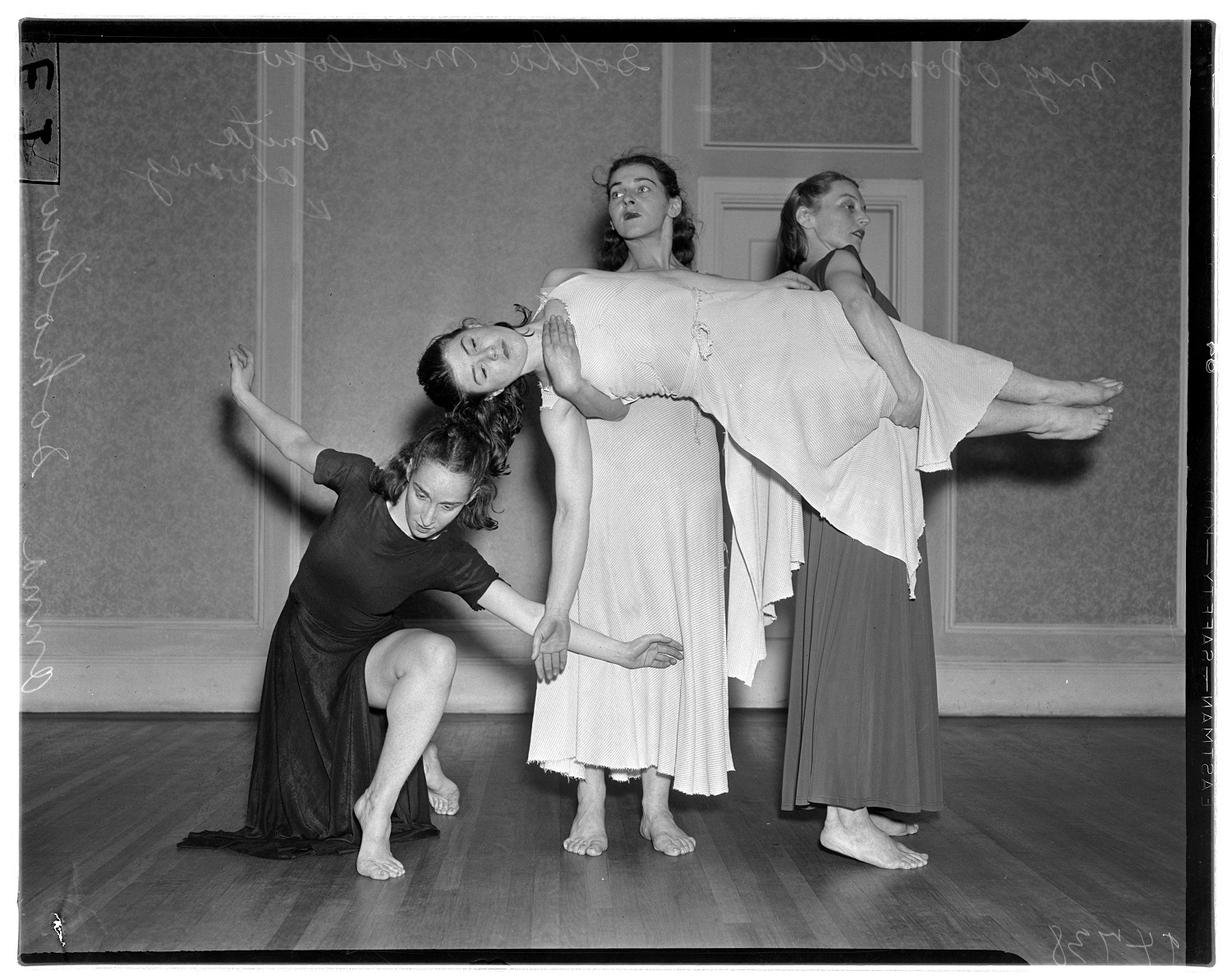
…Her contemporaries inspired and challenged her and Sokolow explored serious themes in Strange American Funeral, Inquisition ’36, Anti-War Trilogy and Excerpts From a War Poem in a series of critically…
Read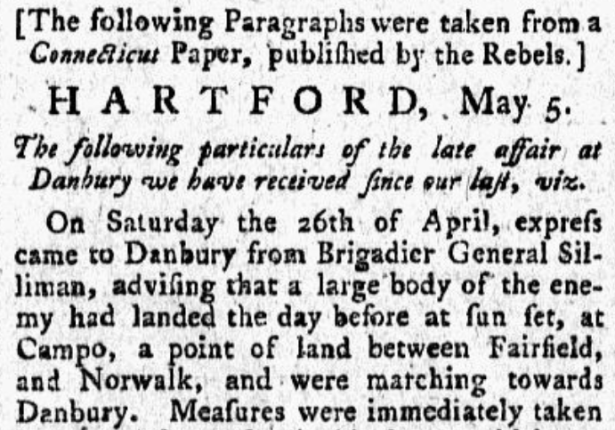
By Richard Buel When General George Washington ordered that Danbury serve as a supply depot for the Continental army in early 1777, he based his decision on the town’s importance…
Read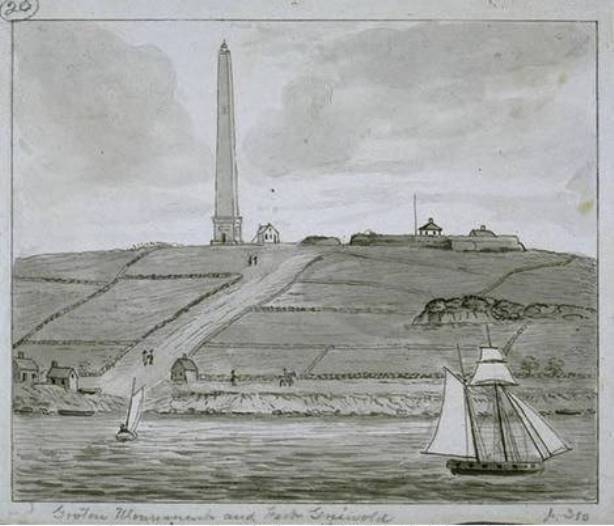
By Richard Malley Linen Vest, about 1781. Col. William Ledyard’s linen vest came to CHS from his daughter-in-law Maria Ledyard. Note puncture hole in the side, suggesting a bayonet wound…
Read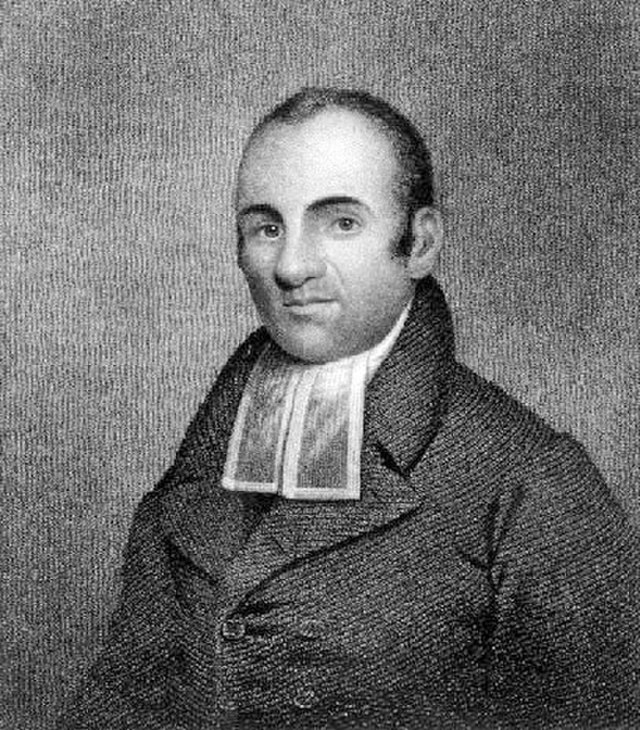
…career in religion. At the time his indenture expired (in 1774) the American colonies seemed destined for war with Great Britain so Haynes put his theological dreams on hold and…
Read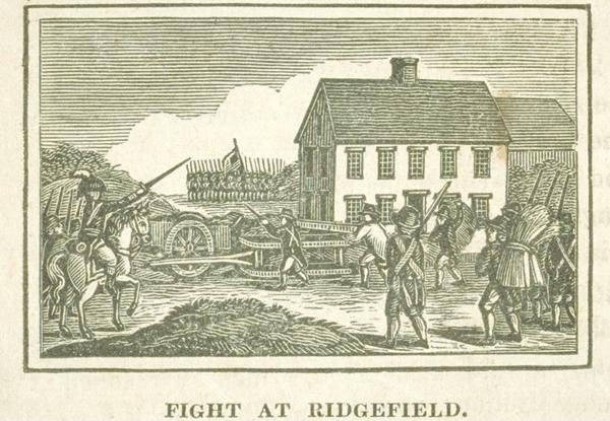
On April 27, 1777, American forces under the command of Major General David Wooster attacked the retreating British troops under Major General William Tryon in Ridgefield. In anticipation of Tryon’s…
Read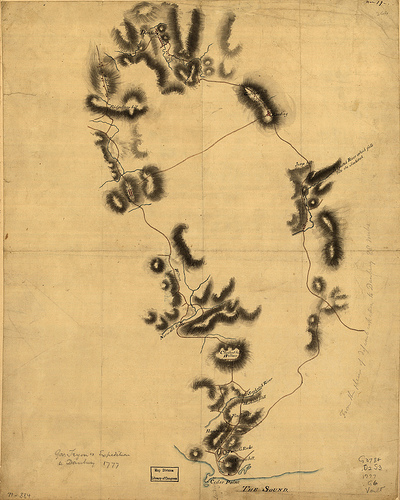
On April 25, 1777, British forces land at the mouth of the Saugatuck River with plans to attack Danbury. General William Howe had ordered Major General William Tryon, royal governor…
Read On April 22, 1775, Benedict Arnold demanded the key to New Haven’s powder house. After hearing the news of the fighting at Lexington, Massachusetts, Arnold, as the commander of the…
Read …remained in the hands of the same political and religious elite that had governed Connecticut for decades. The General Assembly emerged from the war a far stronger institution. The great…
Read
…Legion’s Connecticut commander. MacGuire was born in Rhode Island on May 10, 1897, served in the First World War, settled in Darien, and worked at a prominent Wall Street brokerage…
Read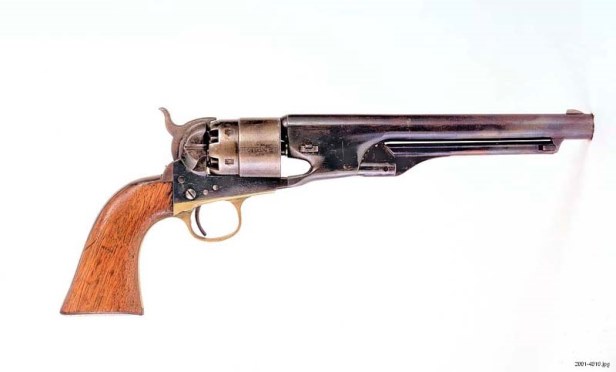
…the Revolutionary War and during the War of 1812. Plus, if an artisan-produced musket or revolver failed on the battlefield, the army would need a field blacksmith to repair it,…
Read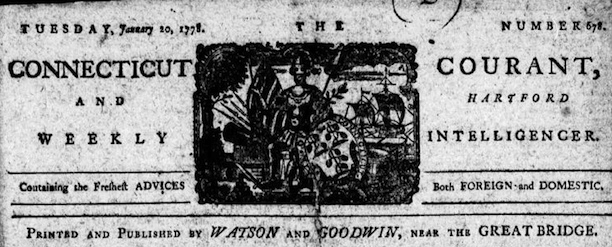
…Watson on August 1, 1771. Ebenezer was the publisher of the Connecticut Courant newspaper at his shop on Main Street in Hartford. The paper became popular during the Revolutionary War…
Read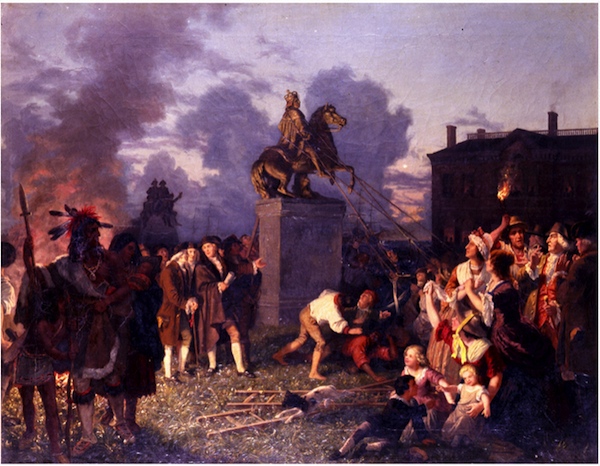
…formed 10,790, a figure representing a quarter of all the bullets produced from King George’s fallen statue. An Artist Struggles Through the Revolutionary War Meantime, Ralph Earl firmly allied himself…
Read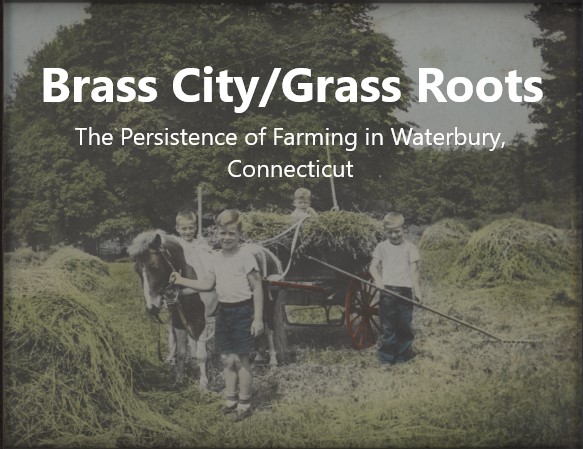
…and other farmers before World War II, it began to work against them in the post-War era. Increased efficiency of production meant, paradoxically, overproduction leading to lower prices for farm…
Read The General Assembly Wages War Loyalists were numerous in Connecticut, especially in Fairfield County, and posed a real threat to the war effort. The General Assembly responded with laws punishing…
Read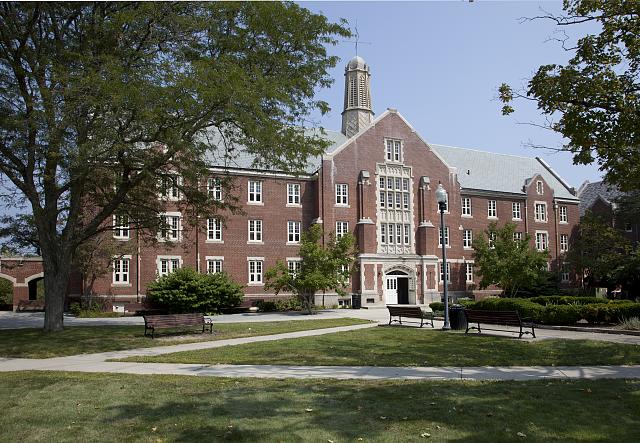
…“ten outstanding young men of the nation” in recognition of his work administering the National Defense Education Act of 1958. The NDEA reacted to Cold War fears of Soviet ascendancy…
Read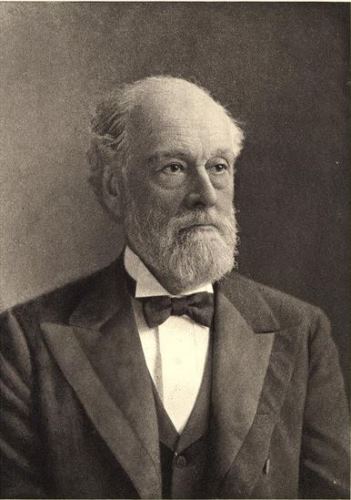
On June 12, 1901, the Cuban Constitutional Convention agreed to the terms of the Platt Amendment. Drafted by United States Secretary of War, Elihu Root, the Platt Amendment was a…
Read
…on these developments, unregulated amateur and experimental broadcasts commenced until a ban during World War I. Recognizing a need for regulation after the war, the US Department of Commerce issued…
Read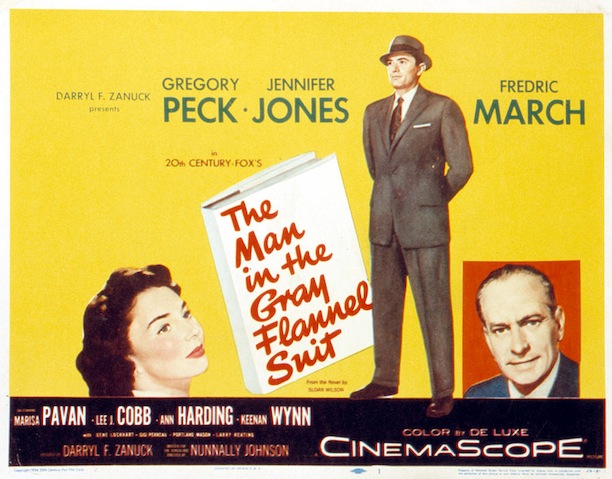
…set in Westport, Connecticut, examines the life of a returning World War II veteran in post-war suburbia and his subsequent angst-ridden struggle to maintain his family’s upper-middle-class lifestyle. Many consider…
Read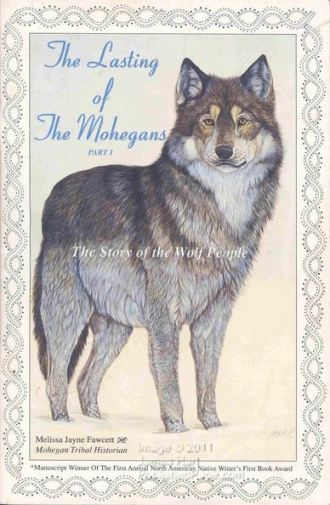
…in administration and criminology. That training prompted his service as a security and intelligence officer for the United States Government during the Second World War. After the war, he worked…
Read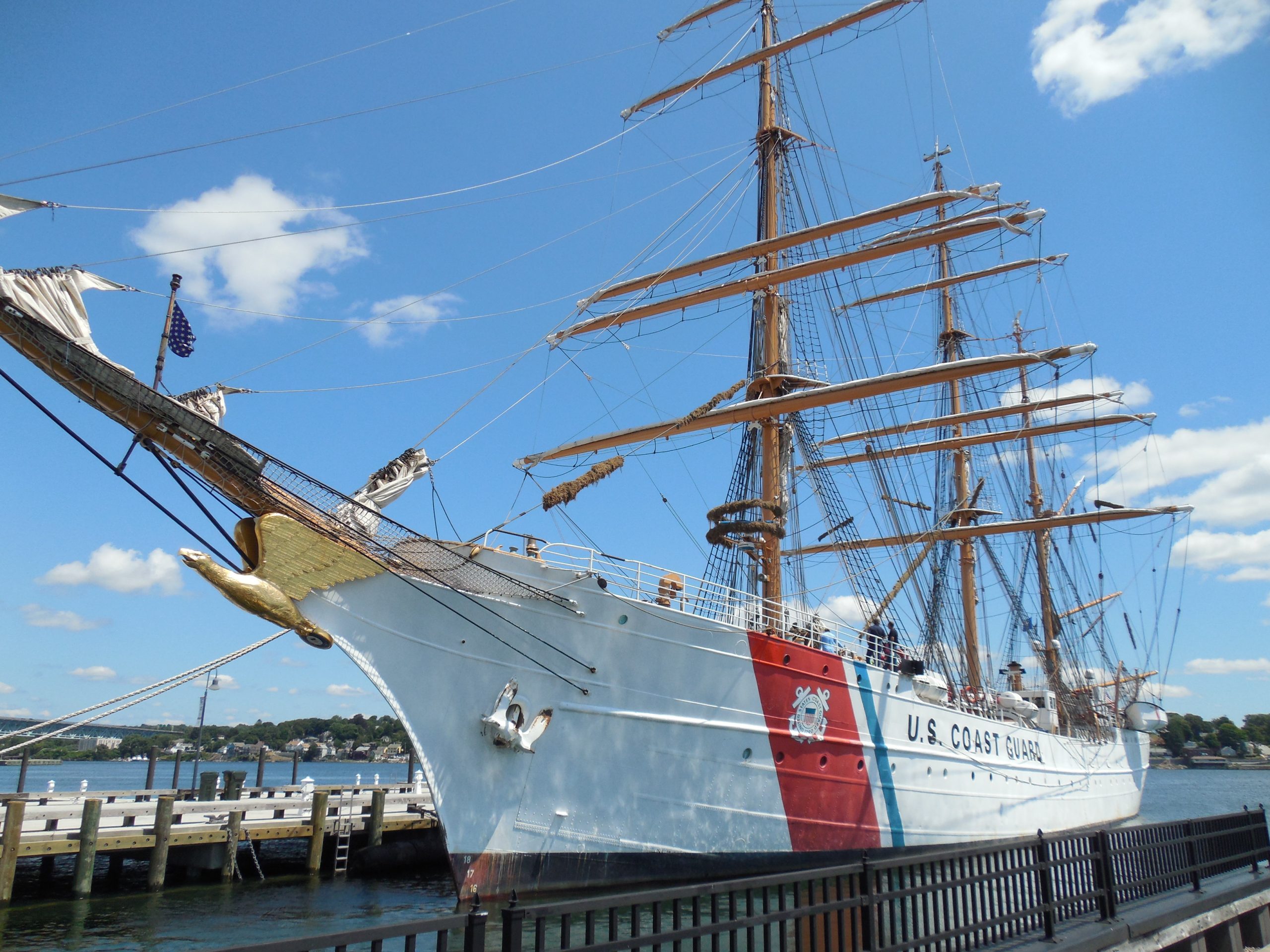
…the aftermath of World War II, the United States claimed the vessel as a war reparation and brought it to Connecticut where it remains in use today. In addition to…
Read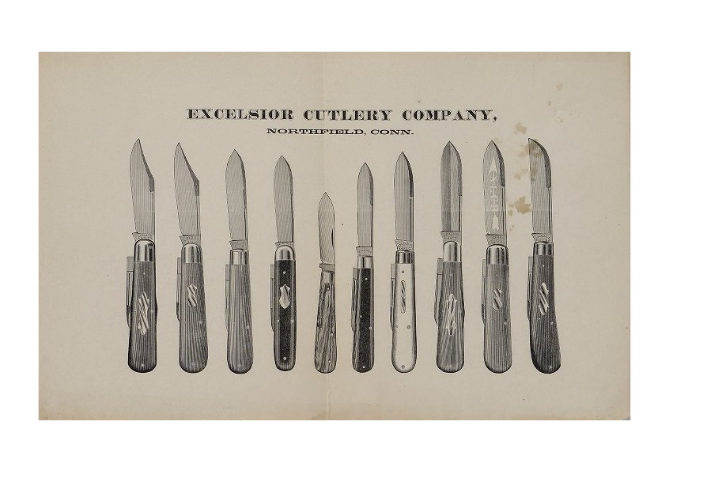
…tariffs led to a drastic decline in European imports, which all but ceased during World War I. Before the conflict, tariffs encouraged skilled Europeans to migrate to America, but the…
Read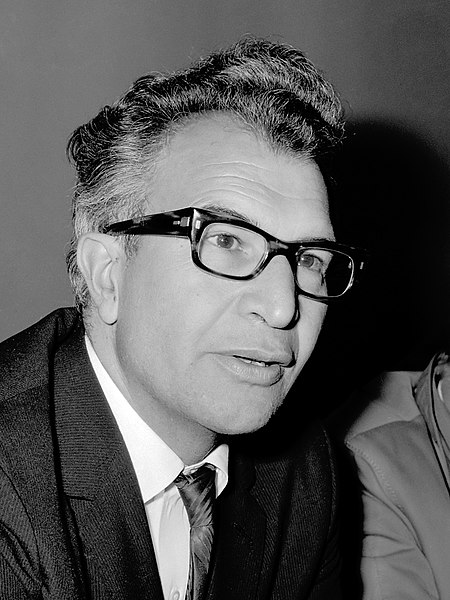
…army during World War II. While in the army, Brubeck led a band that traveled into combat areas to play for troops, and while he was close to the front…
Read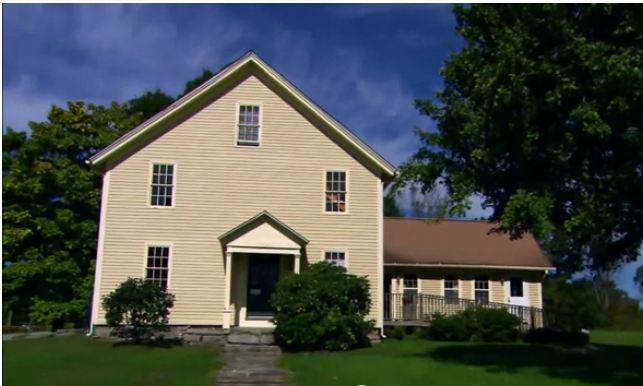
YouTube – CPTV – Created by the Connecticut Public Broadcasting Network and the Department of Economic and Community Development with additional funding provided by Connecticut Humanities….
Read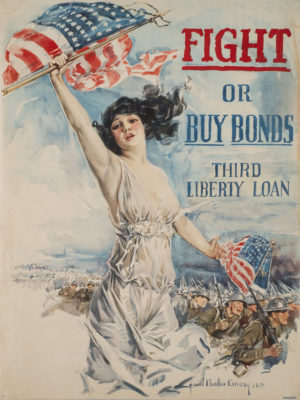
…Arts Center. Perhaps the most famous preservation project in Torrington is the Warner Theater. Built as a movie palace by Warner Brothers Studios in 1931, and capable of seating 1,700…
Read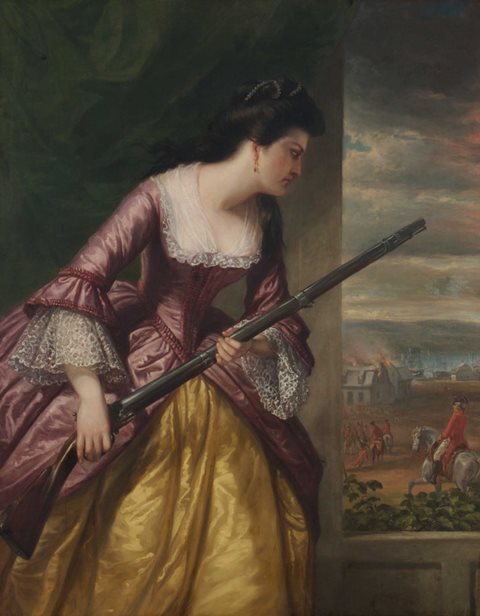
By Emily Clark New London resident Abigail Hinman, the relatively unknown wife of sea captain Elisha Hinman, allegedly made a name for herself as a patriot in 1781. Her story…
Read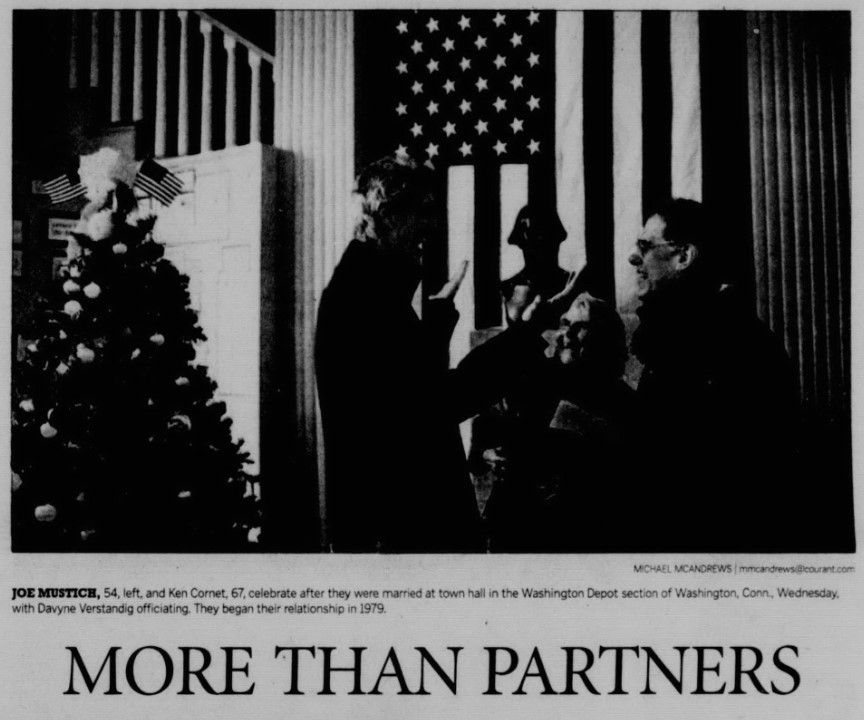
…grant civil unions for same-sex couples, hoping to strike a compromise between gay and lesbian activists and others with religious or traditional marriage beliefs. After the state legalized civil unions,…
Read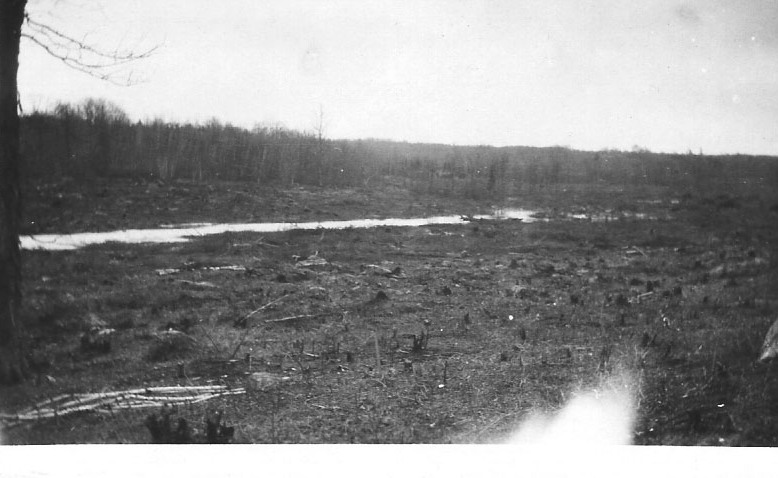
…few may appreciate the role the lake played in challenging racial boundaries during the Civil Rights Era. In 1926, after years of research and planning, contractors began clearing trees and…
Read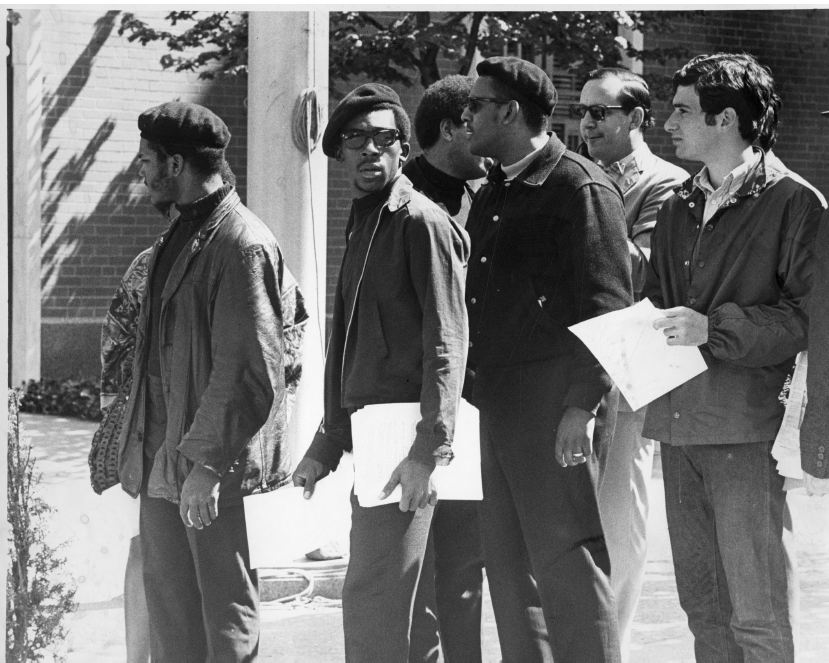
…violence on a local and national scale. In 1961 the US Civil Rights Commission found that as the civil rights movement grew, a majority of African Americans feared racist backlash….
Read
…rebellion against Spanish rule and continued to work for Cuban independence. Another rebellion, the War of Independence, broke out in Cuba in February 1895. Attempting to quash widespread popular support,…
Read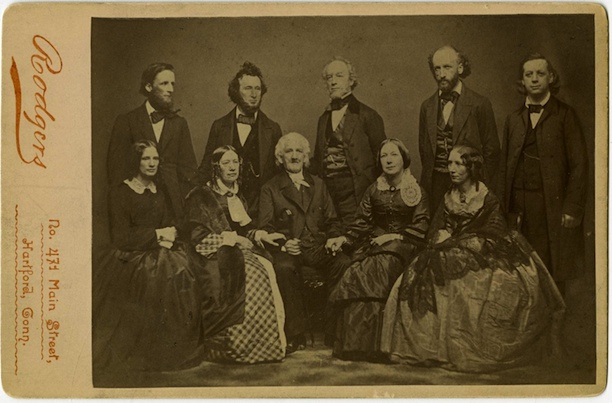
By Karen DePauw The story reads like a soap opera. In 1870, Theodore Tilton accused his wife of being unfaithful to him with the popular preacher Henry Ward Beecher, and…
Read
…prosperity, is coming in upon us like a flood; and if anything shall defeat the hopes of the world, which hand upon our experiment of civil liberty, it is that…
Read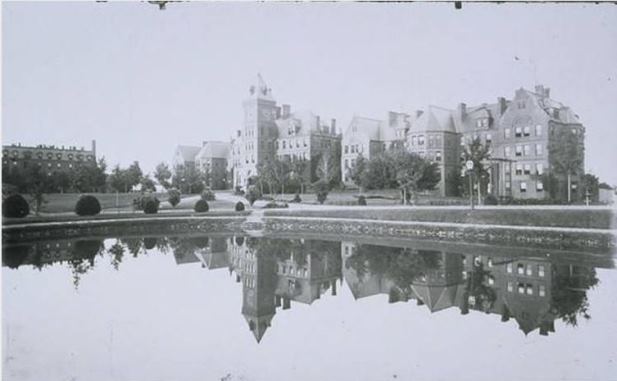
…plan. Patients able to comply with hospital regimens occupied the wards closest to the central building, while the hospital reserved the rooms at the ends of the wings—farthest from the…
Read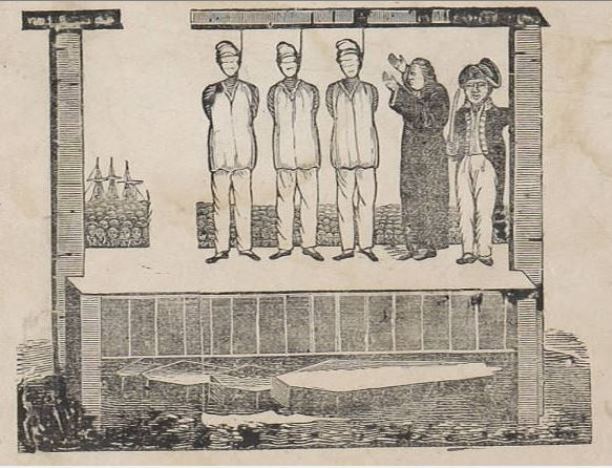
…offenses and death for a third. The preferred method of execution during this time was hanging. Executions as Public Spectacle and Warning Public hangings were a part of Connecticut culture…
Read …for the state’s fiscal integrity, mandated an annual budget, and created a state civil service system. These attempts to improve governmental efficiency increased executive power relative to the legislature. During…
Read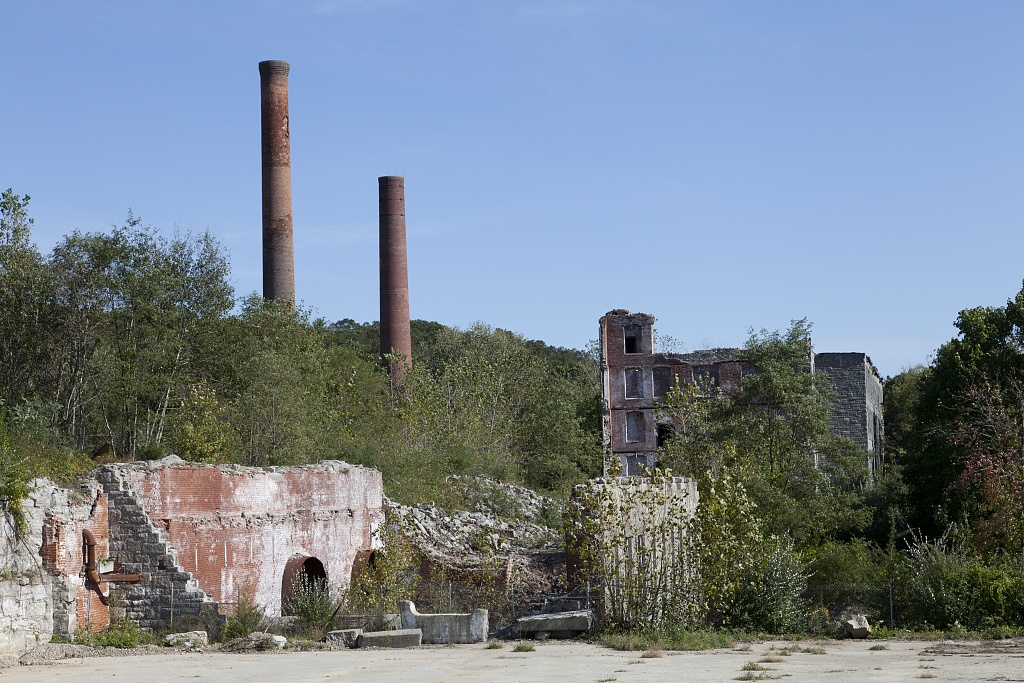
…at the Baltic Mill Former Baltic Mill Warehouse, Baltic Several decades later, around the turn of the century, a businessman from Pawtucket, Rhode Island, named Frederick Sayles purchased the property…
Read A New Constitution President Johnson declared war on poverty following his election in 1964, and federal funds soon flowed into urban renewal and anti-poverty programs across the state. President Lyndon…
Read
…to 1943. In 1943, its centennial year, significant changes occurred at the school. It incorporated as a non-profit educational institution, its first board of trustees was chosen, and Ward L….
Read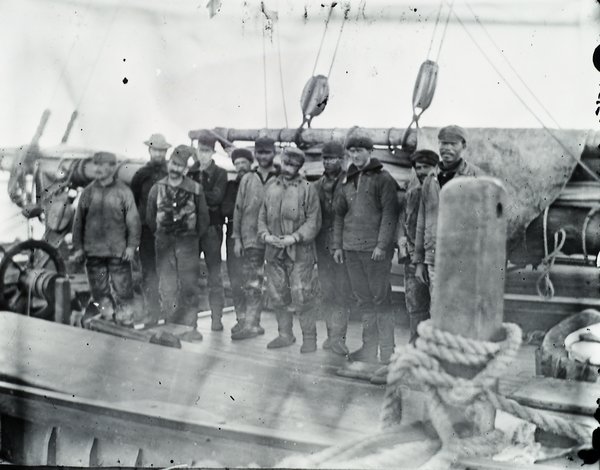
…rescued by the Marion (a United States man-of-war). Although two of the other crewmembers froze to death, all the Cape Verdeans survived the ordeal. Cape Verdeans Formed Integral Part of…
Read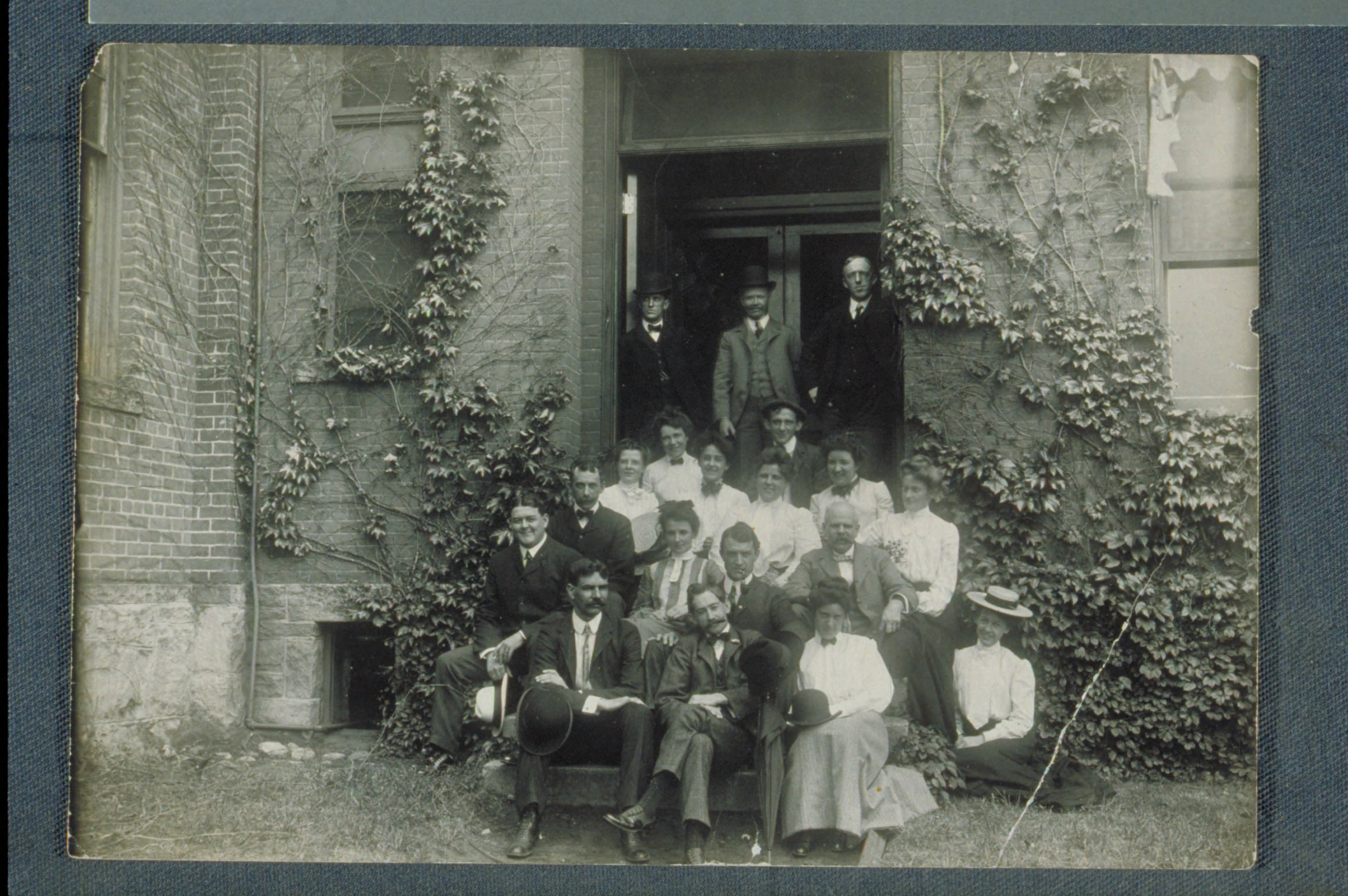
…appeared through the efforts of individual craftsmen. American endeavors to create a pin “industry” during the Revolutionary War and the War of 1812, when British supplies disappeared, proved largely unsuccessful,…
Read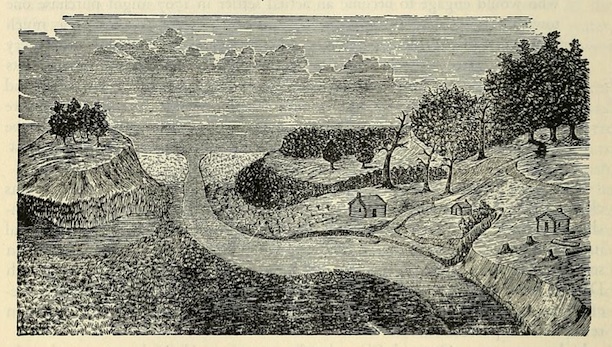
…Environs:The Heart of New Connecticut by Elroy M. Avery, 1918 Carter was born in Warren, Connecticut, in 1766. His father, a Continental army soldier, died when Lorenzo was 11, forcing…
Read
…that a storied Naugatuck business had its own “navy” and that it performed espionage services for the United States government during World War II? It’s true. That business was the…
Read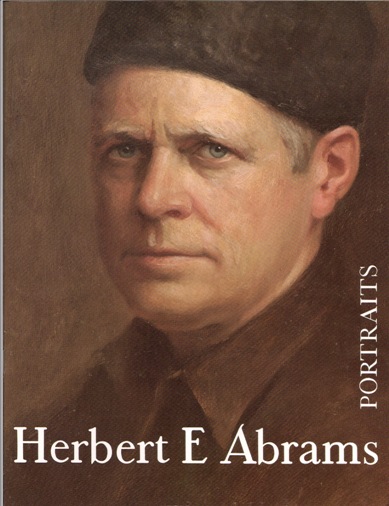
…in World War II as a pilot and flight instructor. After the war, he graduated from the Pratt Institute in Brooklyn and studied at the Art Students League in New…
Read
…Silver City. In 1944, the War Manpower Commission named Meriden “The Nation’s Ideal War Community,” for its industrial and patriotic contributions during World War II. Today’s economy is primarily service-based….
Read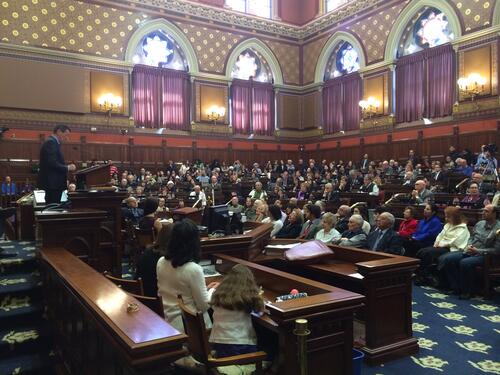
…Ottoman Empire and oppression and violence against Armenians rose for decades. With the outbreak of World War I, Ottoman authorities viewed the Armenians as an increasing threat to their security….
Read …War I and Victory Gardens during World War II, encouraged and aided not just by local government but also by the large brass factories. Like many cities, Waterbury established a…
Read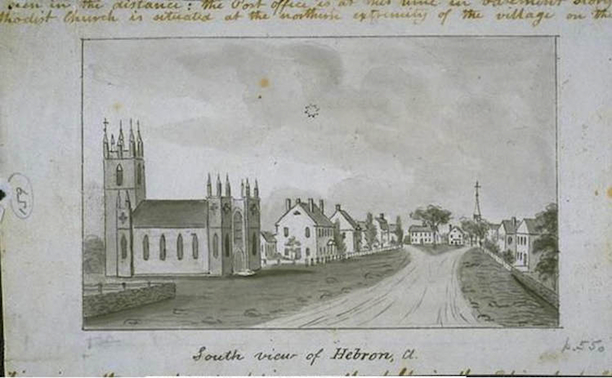
…six years, without assistance from a master or aid from the local population. With the war’s end, no one offered any opposition to Cesar, Lowis, and their several children re-occupying…
Read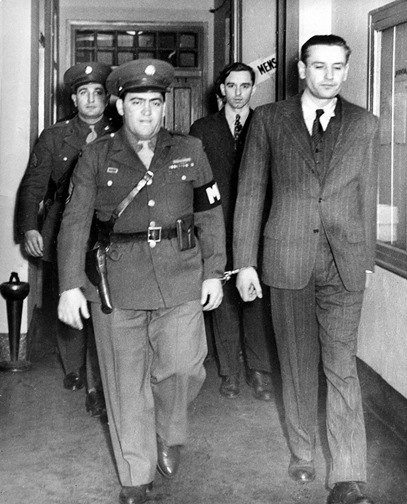
…academy in Annapolis, William attended MIT where he openly expressed his desire to settle in Nazi Germany at the conclusion of World War II. William Colepaugh Learns German Spycraft Increasingly…
Read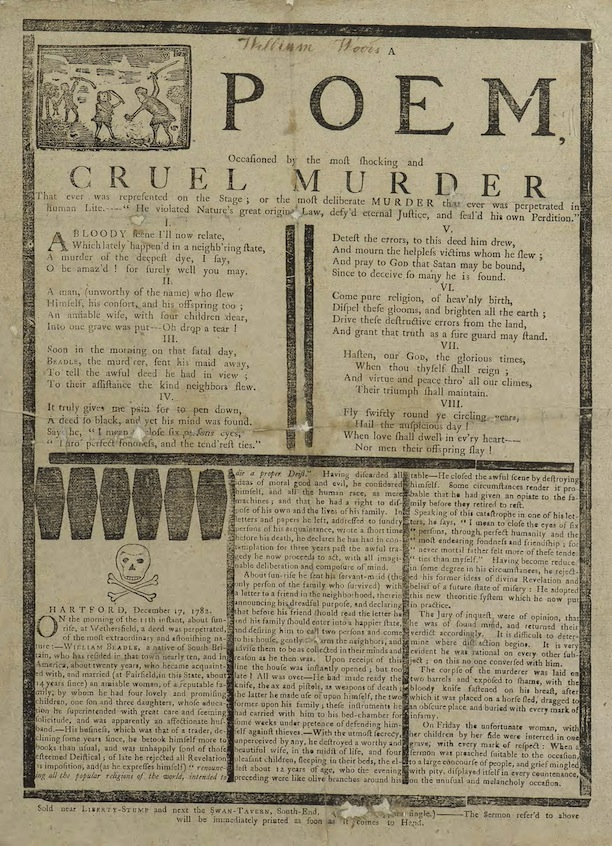
…a Wethersfield merchant gave money for the relief of Boston. In exchange for his goods, Beadle accepted Continental currency, which dropped greatly in value during the war. When Beadle no…
Read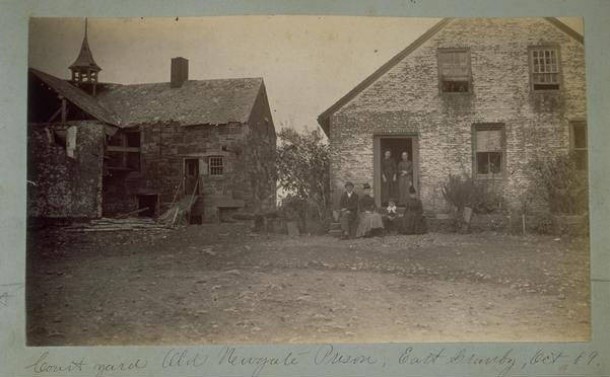
…New-Gate not only housed thieves, counterfeiters, and murderers but Tories (a label given to those sympathetic to the British cause during the Revolutionary War) as well. Connecticut’s Council of Safety…
Read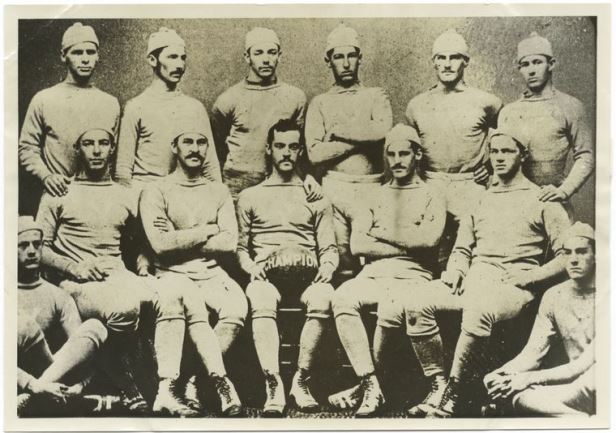
…War I. Walter Camp as Yale’s Team Captain from the book Football Days Memories of the Game and of the Men Behind the Ball by William H. Edwards, 1916 The…
Read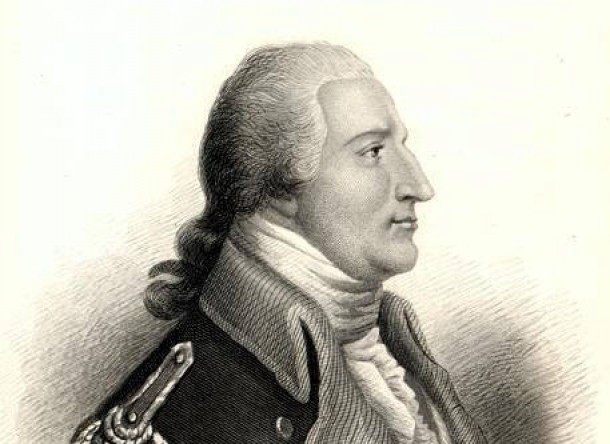
Benedict Arnold (1741-1801) Once lauded for heroism, Norwich-born Benedict Arnold earned infamy as a traitor during the American Revolutionary War by leaving liberty’s cause to side with the British. As…
Read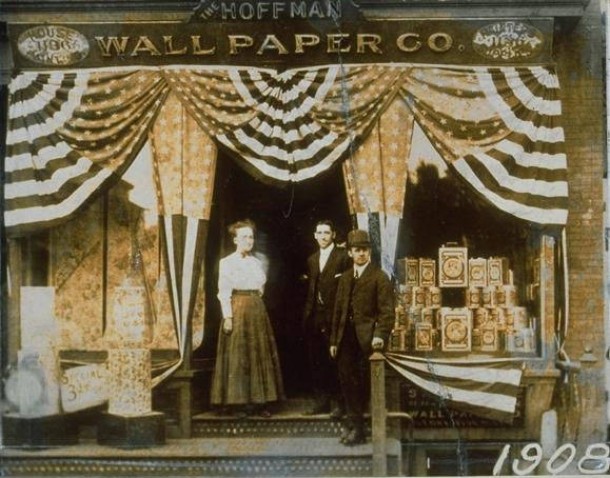
…Washington for refugee relief. Both before and after the war, Hartford Jews fought to bring in the refugees, many of whom were members of their own families. World War II…
Read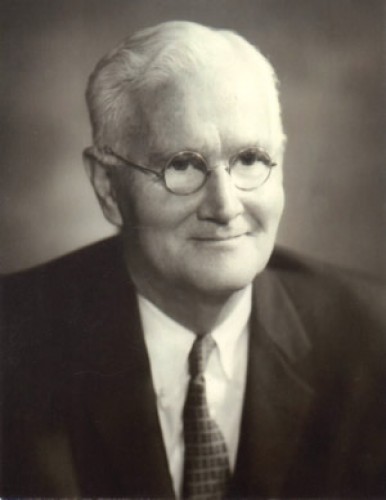
…At the start of World War II, Marseilles, along with numerous other European port cities, received an influx of refugees (many of them Jewish), fleeing from the advancing German armies….
Read
…the Second World War, Borgnine retuned to Connecticut and, with nothing in particular to do, heeded a suggestion from his mother to study acting. At the rather advanced age of…
Read
…Washington traveled from Boston to Hartford, he stopped in Pomfret, Connecticut, to inquire about the residence of Revolutionary War veteran, Israel Putnam. Concluding that a trip to see his old…
Read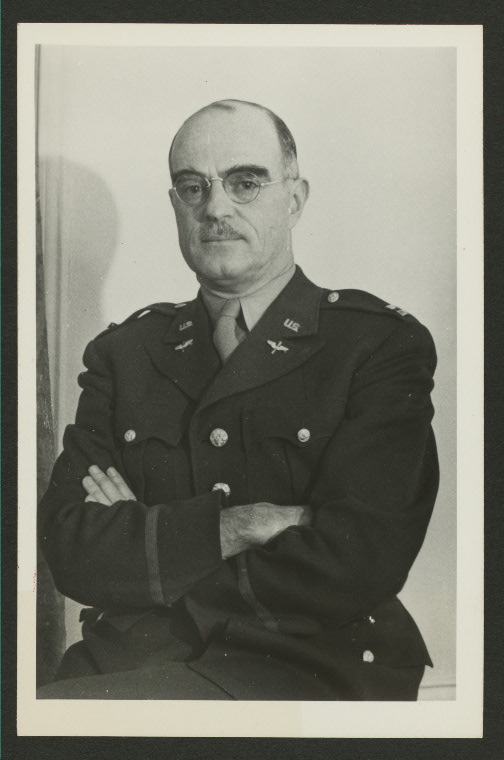
…After briefly leaving school to serve as a corporal in the Coast Artillery Corps during World War I, he graduated from Yale in 1920. From there he went on to…
Read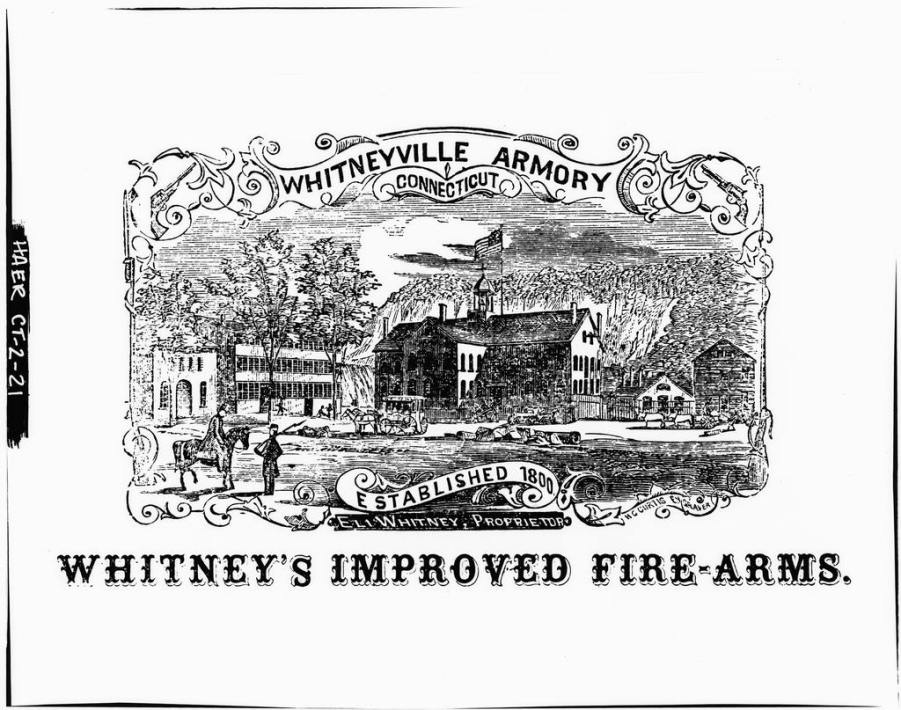
…order to support himself. In addition to tutoring the children of Revolutionary War hero Nathanael Greene, Whitney soon gained a reputation as man with a gift for invention. In 1793,…
Read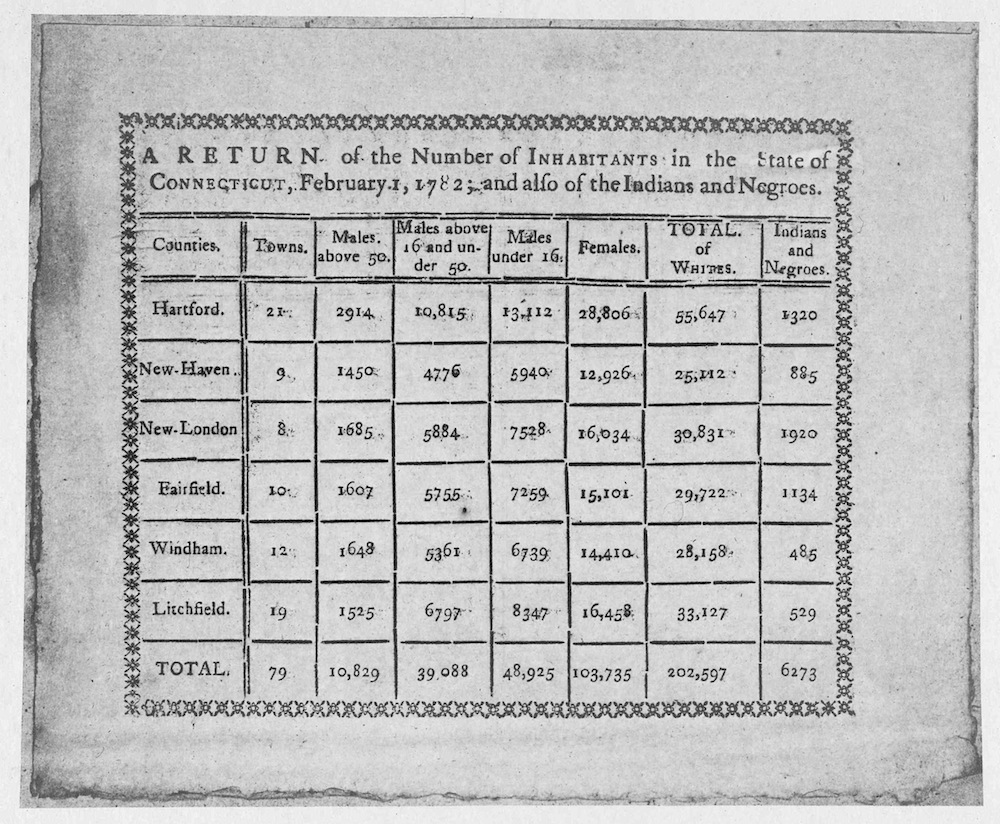
…into war after the battles of Lexington and Concord. In 1776, for example, with Connecticut’s government in the hands of the revolutionaries, a slave named John Anderson became black governor…
Read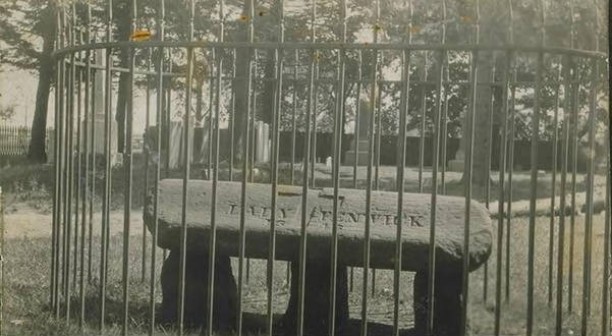
…Warwick signed the Warwick Patent, which was a deed of conveyance granting 11 of his contemporaries land rights in what is now southeastern Connecticut. Included in this group were the…
Read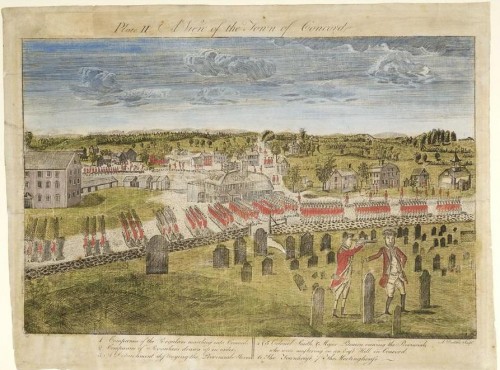
…drew four pictures of the battles and Doolittle translated them into engravings for printing; these are the earliest Revolutionary War battle scenes distributed in America. He also painted portraits of…
Read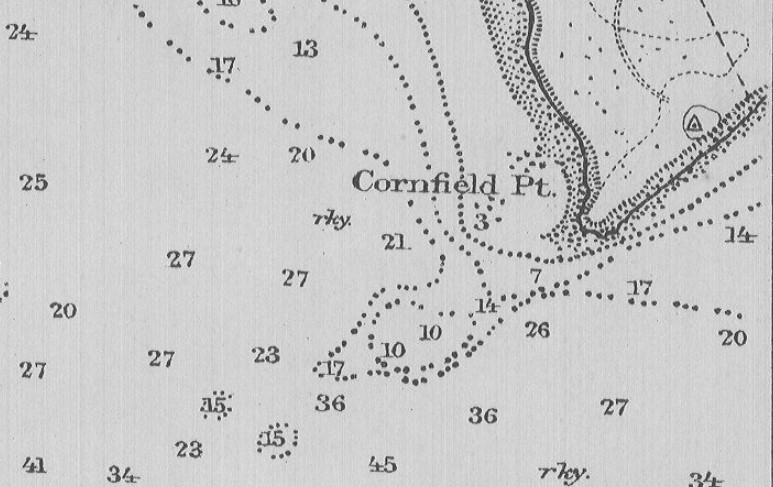
…significance to the Pequot War. Fewer state residents realize that another key historical location exists on the opposite end of the coastline just a short ride down the street. Cornfield…
Read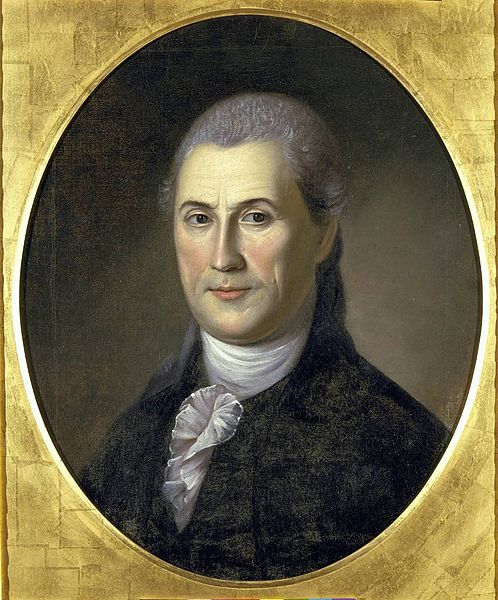
…the Third Pennamite War (dispute over settlements by Connecticut’s Susquehanna Company in Pennsylvania), the distribution of the lands held in the Western Reserve, the ratification of the United States Constitution,…
Read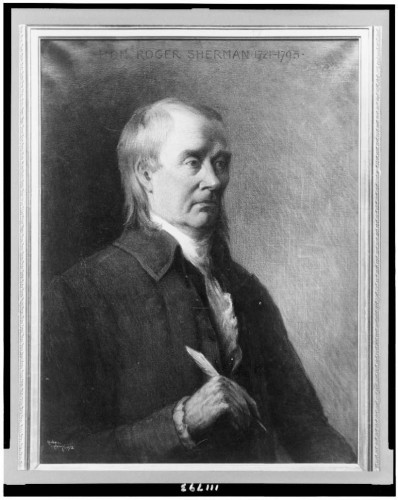
…nation’s first constitution). He involved himself in issues of supply purchasing, Native American affairs, and the administration of the post office. In addition, he served on the Board of War…
Read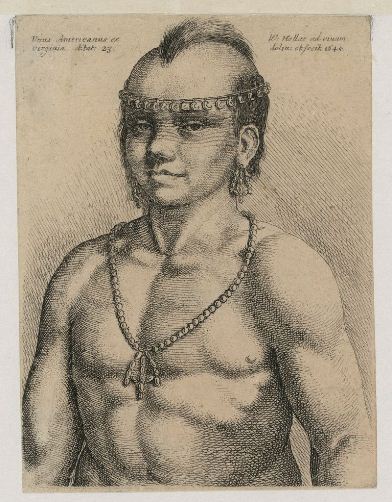
…occupants of this area. In the early 17th century, just before European contact, the tribe had approximately 8,000 members and inhabited 250 square miles (160,000 acres). The Pequot War of…
Read …(in New York) and by the Revolutionary War. Records show Mohegan heads of households equaling 35 and the grand total of individuals numbered 84. However, when considering these numbers, it…
Read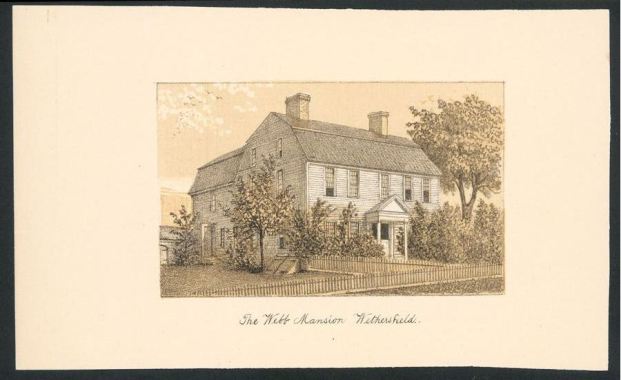
…existed in large part thanks to Washington’s leadership of American troops to victory over that same British military in the war for independence. All of the trips Washington made to…
Read …ready, the State Capitol begins a black-out test on December 12, 1941, five days after the attack on Pearl Harbor. During the War the General Assembly granted the governor broad…
Read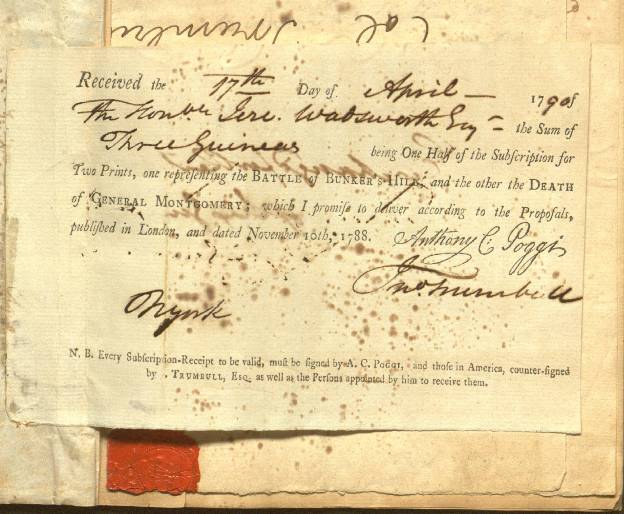
…War, he advanced to commissary for the eastern division of the Continental army and in 1778 succeeded Joseph Trumbull as commissary general for the entire army. He earned the trust…
Read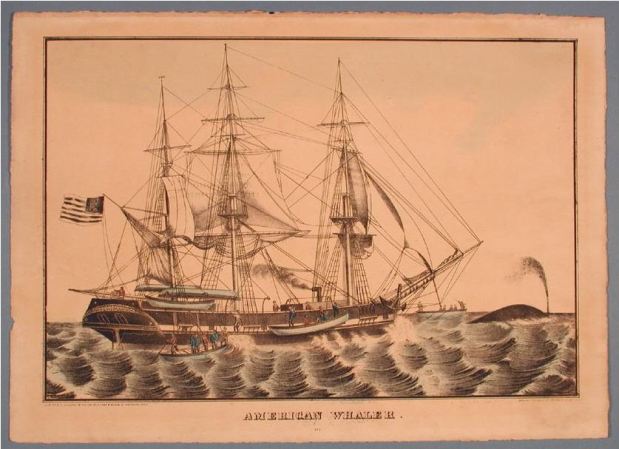
…relations on the mainland. Indentured Service and Indian Resistance On his return to Fishers Island early in his second year of service, however, he encountered a man-of-war sloop entering Long…
Read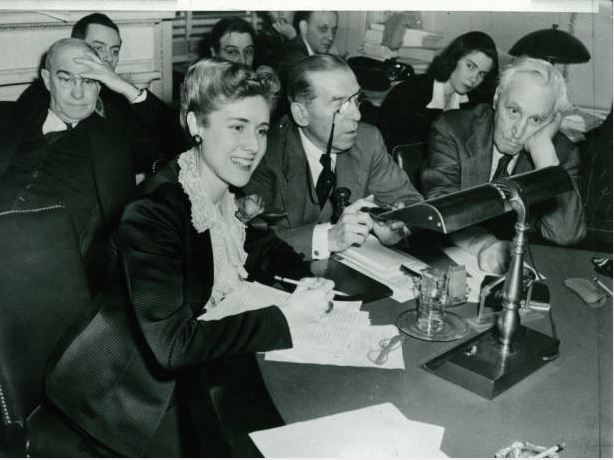
…upon her earlier journalistic experience to provide Life readers with in-depth first-hand accounts of her travels across the different theaters of war. Her wartime writings presented a marked criticism of…
Read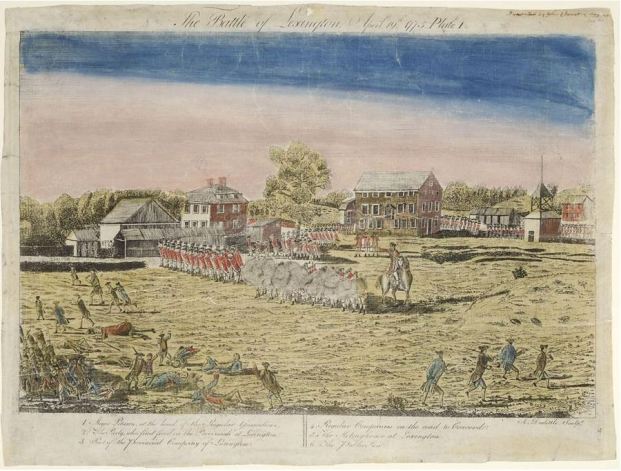
…but most historians agree the Doolittle’s four etchings are an accurate reflection of the actual events. Such contemporary views of Revolutionary War battles are extremely unusual, and Doolittle’s four prints…
Read …his land into half-acre parcels for house lots. The Depression and World War II stalled development, but Hans’ sons Floyd and Wesley continued their father’s project post-War, creating housing at…
Read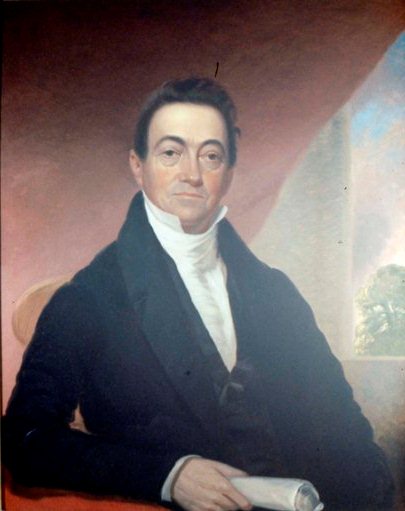
…to New Haven and found employment in the West India trade, traveling on numerous voyages before the War of 1812 brought an end to his commercial prosperity. Cheshire Politician Becomes…
Read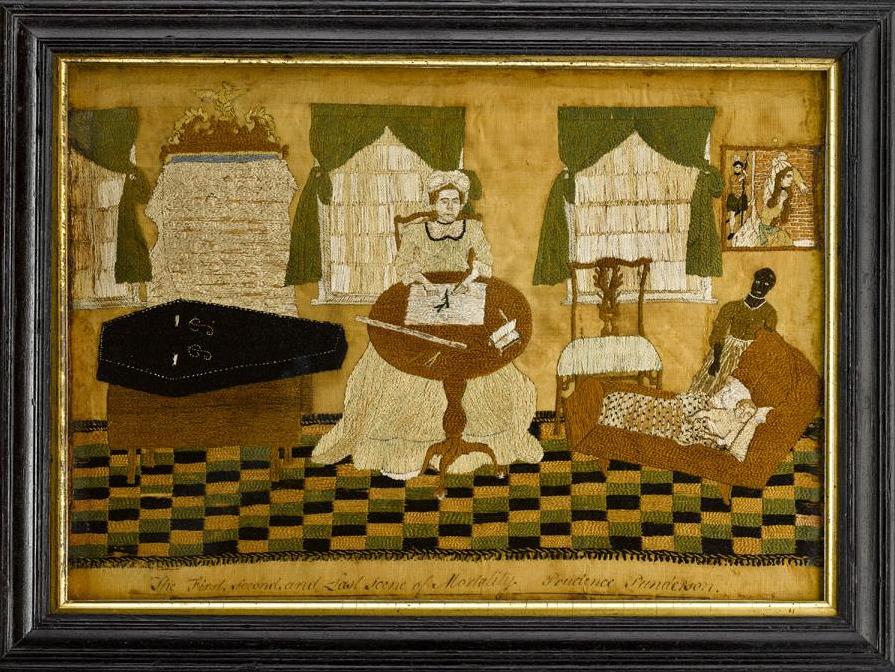
…War was over, the couple reunited, married, and planned a life together. Sadly, their life together was cut short after their daughter, Sophia, was born. The story of this young…
Read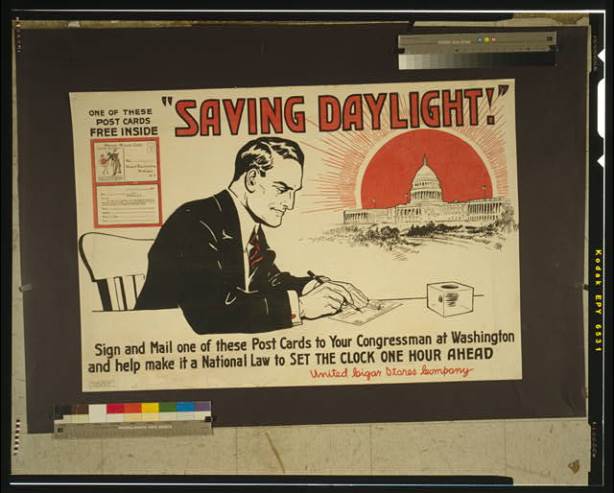
…cost them an hour of daylight, making farm workers an hour late getting to the fields. Connecticut patriotically supported Daylight Saving during the war, but once the war was over,…
Read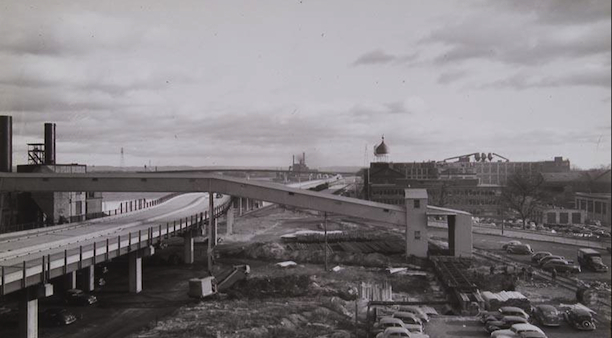
…government looked for ways to improve transportation in the event the United States went to war. War broke out before workers accomplished much in Hartford, but by 1945 a multilane…
Read
…notables to sign anti-draft petitions and anti-war advertisements in national newspapers. In 1972, Calder joined a group of about one hundred high-profile artists—including Andy Warhol and Robert Rauschenberg—to support Senator…
Read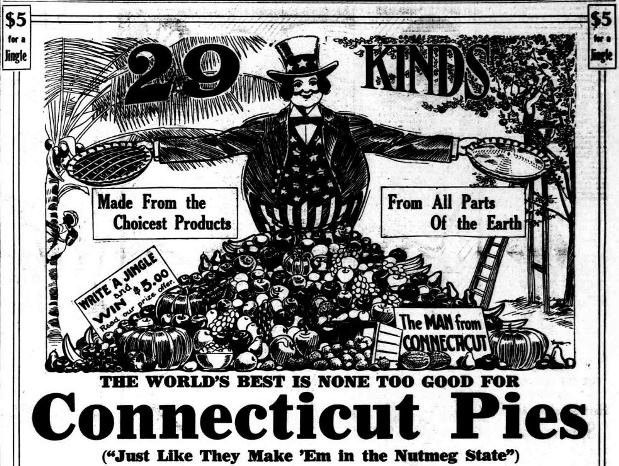
…79th Highlanders of New York in the Civil War. After the war, Henry returned to Connecticut where he put his highly prized wagon-driving skills to work for a pie maker….
Read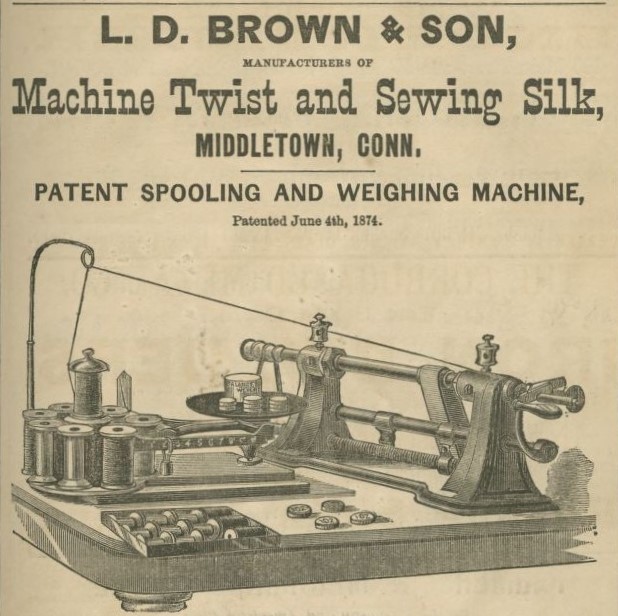
…New Middletown Mill Interior of the former L.D. Brown & Son silk mill, now the site of Estate Treasures – Kelly Marino Following the Civil War, the South Farms area…
Read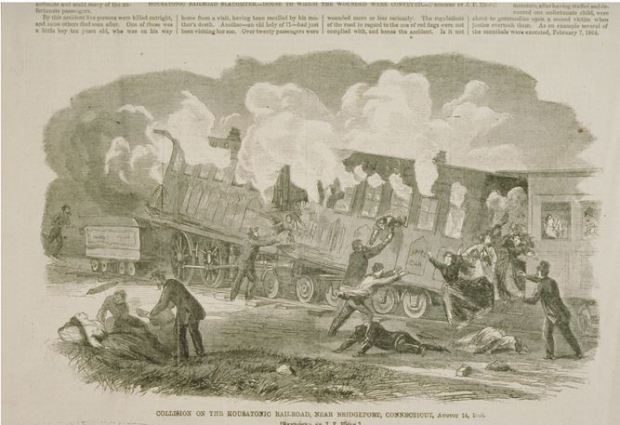
…days earlier and was returning home to Canaan after three years service in the Civil War. Richard Malley is Head of Collections at the Connecticut Historical Society. © Connecticut Public…
Read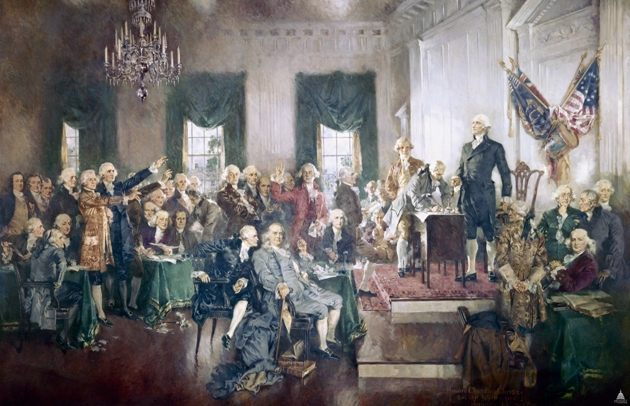
…US History at Moran Middle School in Wallingford, is a participant in the Teaching American History program of the US Department of Education and a Civil War re-enactor with Company…
Read …US History at Moran Middle School in Wallingford, is a participant in the Teaching American History program of the US Department of Education and a Civil War re-enactor with Company…
Read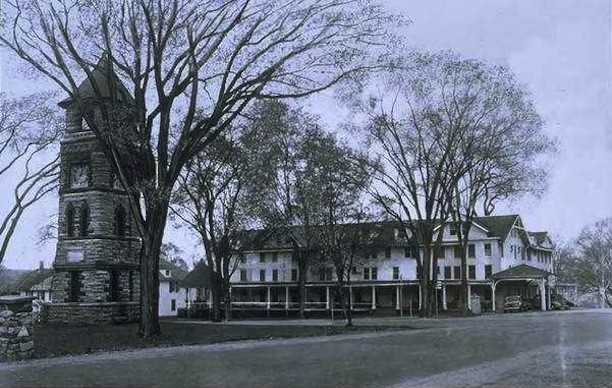
…that after the Civil War and through the 1930s, recreational pursuits attained ever-greater importance, until they ranked among the region’s most significant characteristics. Such activities included amenities that served local…
Read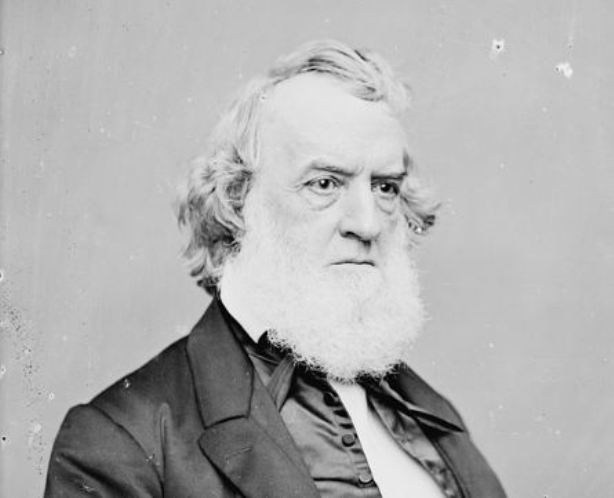
…Abraham Lincoln. Welles, whom Lincoln called “My Neptune,” rapidly doubled the size of the US navy during his tenure and successfully directed the Union’s naval campaigns during the Civil War….
Read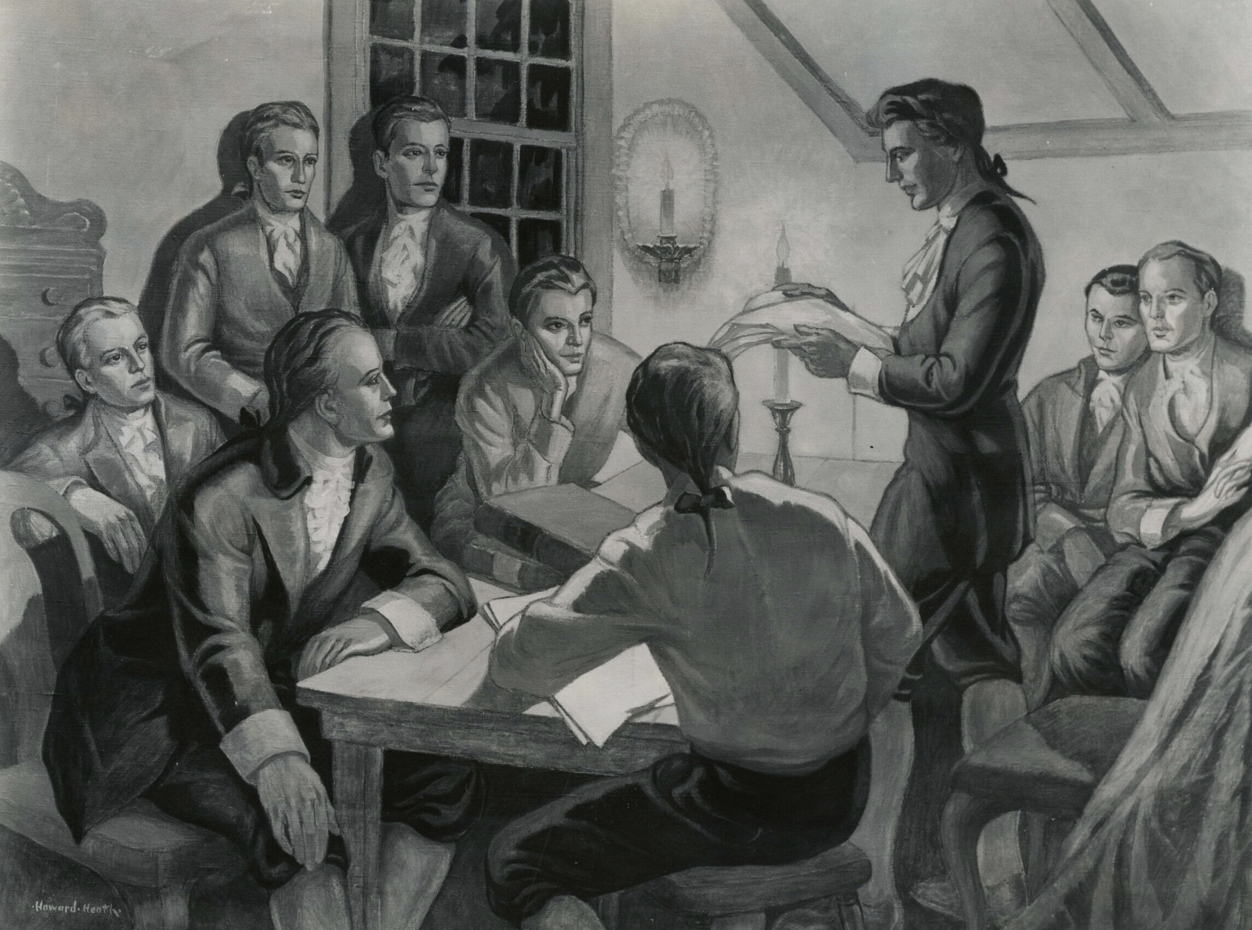
…during the Revolutionary War. Linonian and Brothers in Unity Donate to Yale Library Yale’s Sterling Library’s L&B Room – Wikimedia Commons, Jaredjonker Before the Civil War, when so few libraries…
Read
…unimaginable to those remaining earthbound. In addition, the airport’s strategic location made it an ideal base for the Civil Air Patrol during times of war and for small businessmen in…
Read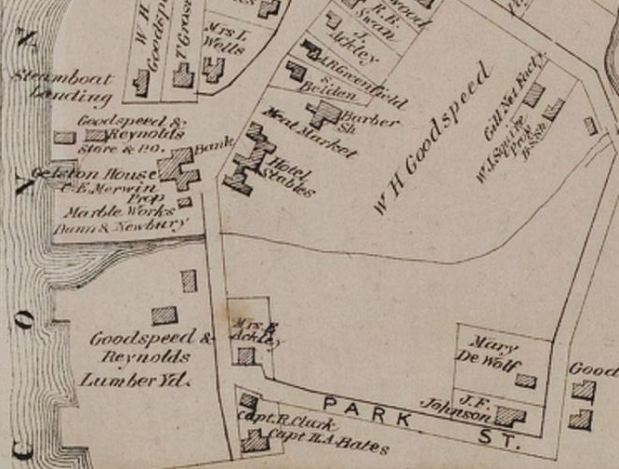
…at his sister’s in Colchester. His condition may have stemmed from his four years’ Civil War service as a Private in Co. G, 1st CT Heavy Artillery. In addition to…
Read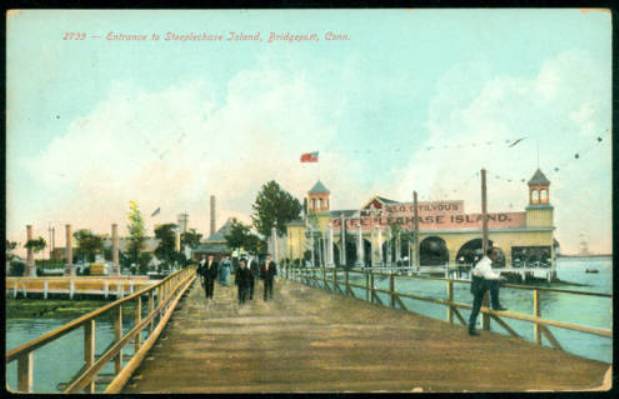
…park had suffered $60,000 worth of damage. Tilyou sold the park in 1910 and it took on the name Sea Breeze Island. The park hosted outings for local businessmen, Civil…
Read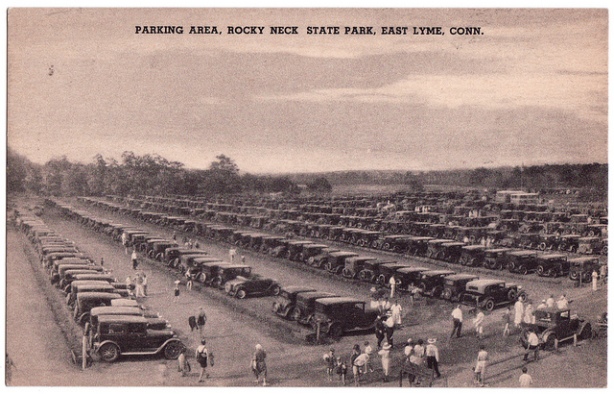
…kelp from the area waters for use as a fertilizer in their cornfields. By the time of the Civil War, small fish replaced the seaweed as the fertilizer of choice….
Read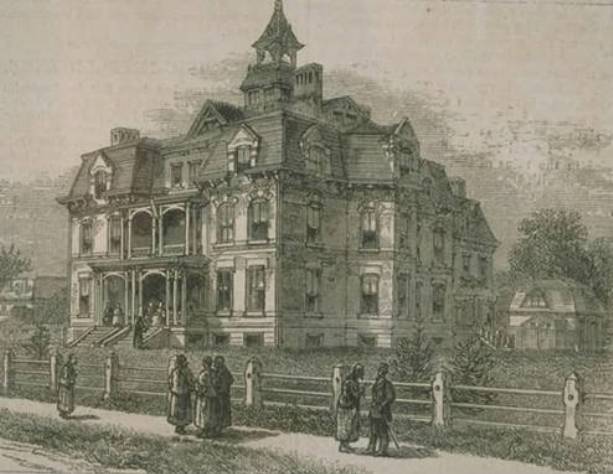
…New England preparatory schools and at universities like Yale. But there were other relevant elements as well. Yung volunteered for the Union Army during the Civil War (though his services…
Read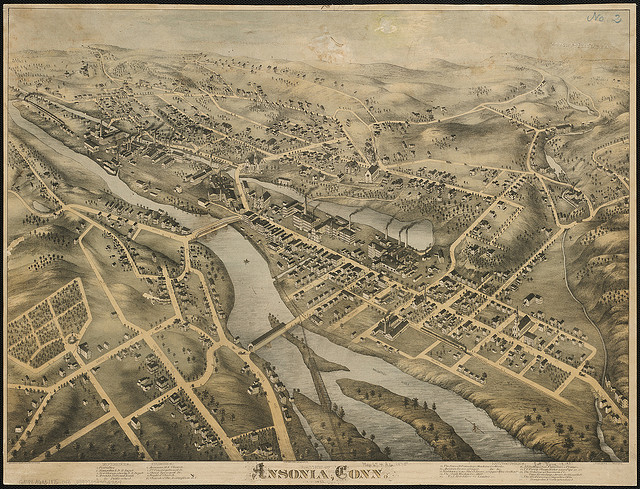
…This pictorial cartographic form portrayed the landscape as if viewed from above and at an angle, and those produced after the Civil War often presented an idealized view of Connecticut’s…
Read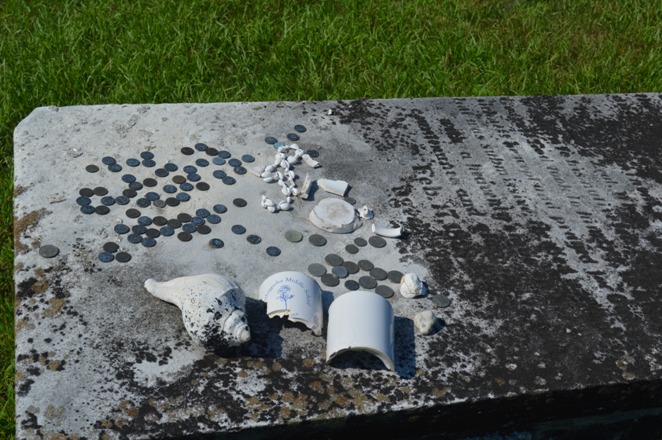
by Peter Vermilyea Heneri Opukaha’ia (Anglicized as Henry Obookiah in his lifetime) was born on the island of Hawaii in 1792. His parents were killed in a civil war and,…
Read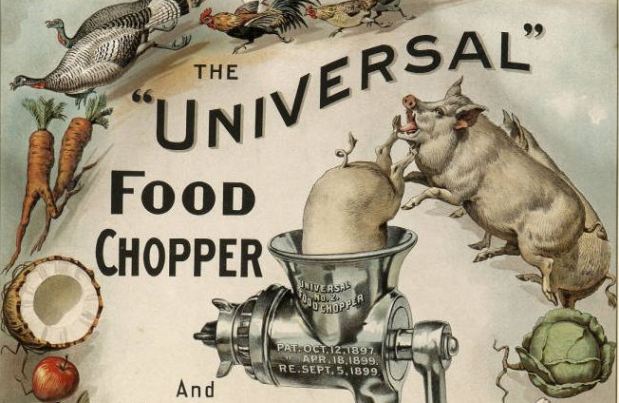
…By the mid-19th century, Connecticut hosted a thriving dairy industry and was a vital producer of milk and eggs during the Civil War. The 20th century witnessed the birth of…
Read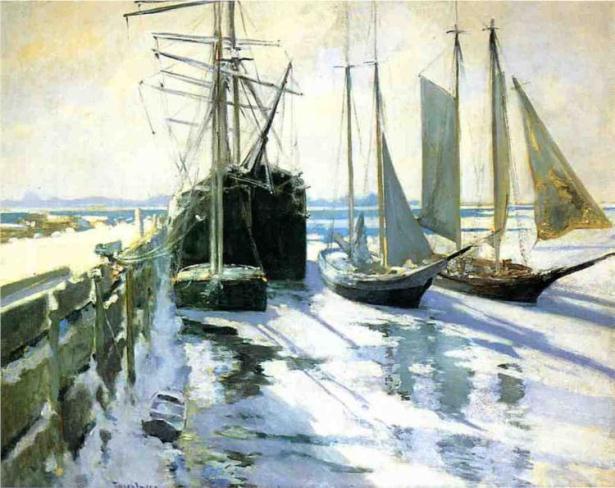
…in the aftermath of the Civil War, when an intense longing for order and stability led artists to favor quiet, peaceful views over awesome wilderness vistas. Connecticut, with its longtime…
Read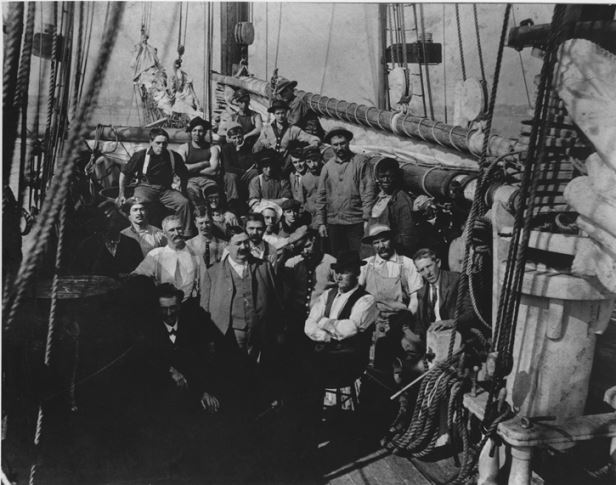
…Civil War and various arctic disasters were discouraging. In addition, there were clearly a declining number of whales in accessible waters. Because of the combination of these factors, the industry…
Read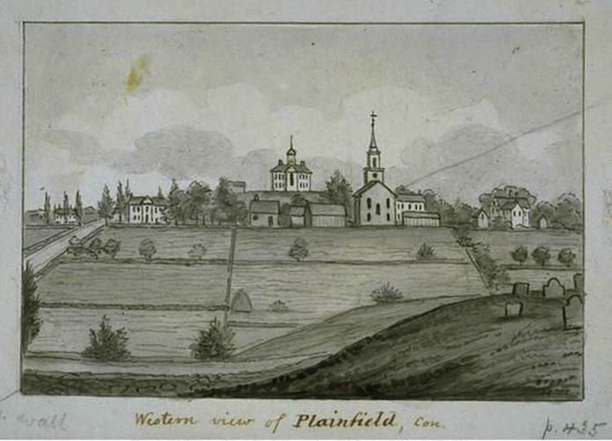
…but the rapid expansion of educational institutions following the Civil War crippled the school’s annual enrollment revenues and created intense competition for qualified instructors. These pressures ultimately forced the Academy…
Read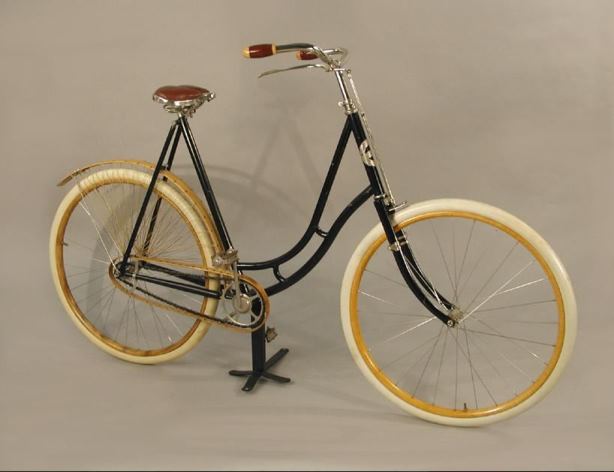
…Civil War veteran who continued to use the honorific “Colonel” after the war, was one of the visionaries who recognized the potential for the bicycle. The early postwar years saw…
Read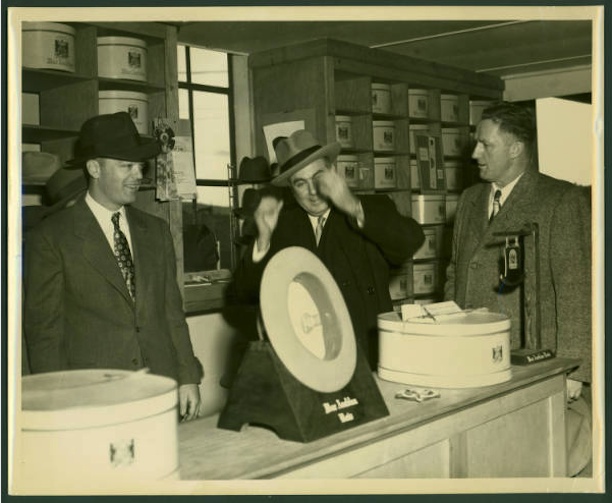
…Hatting” by J. Moss Ives, 1901. After the industry recovered from the flood and the loss of business in the South during the Civil War, it brought prosperity to Danbury…
Read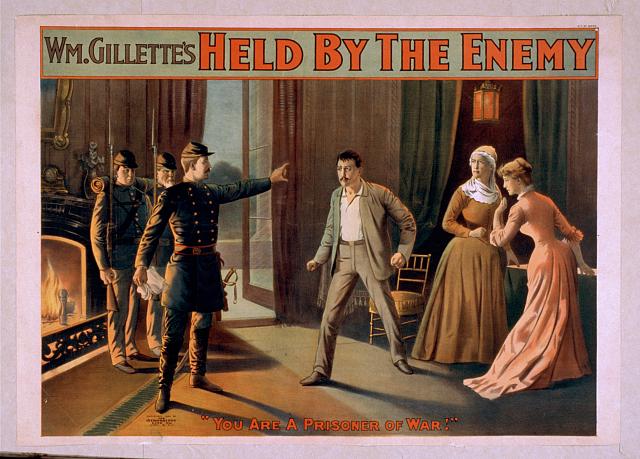
…helped usher in a new style of theater in the late 19th century. His 1886 Civil War drama, Held by the Enemy, epitomized this shift. This entirely American play earned…
Read …station (demolished in 1848), and the Italian Gothic city hall—commissioned just prior to the Civil War. Austin also built churches across the state in the Gothic revival and Italianate styles,…
Read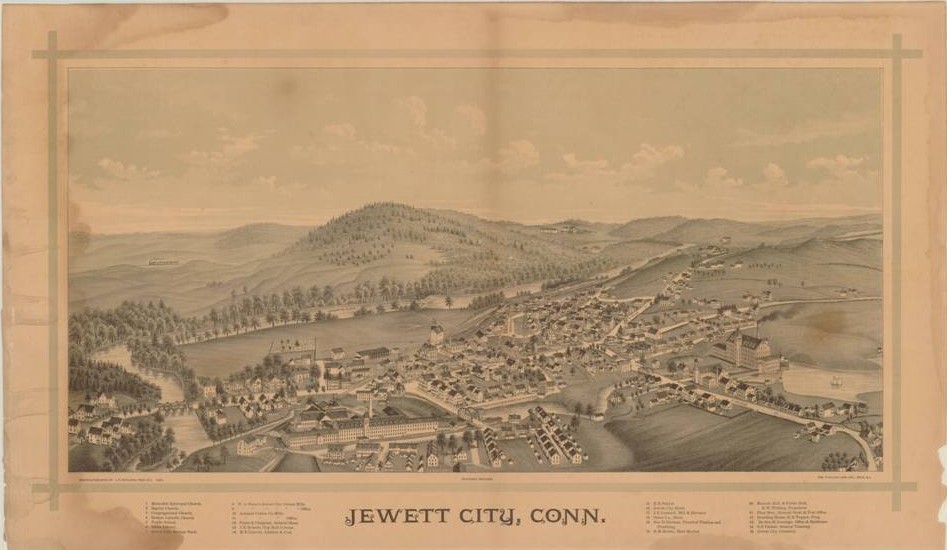
…This pictorial cartographic form portrayed the landscape as if viewed from above and at an angle, and those produced after the Civil War often presented an idealized view of Connecticut’s…
Read
…nearby manufacturing areas than the small waterways leading to Oxford could supply. The decline in trade with southern states after the Civil War compounded the problem and ended mass manufacturing…
Read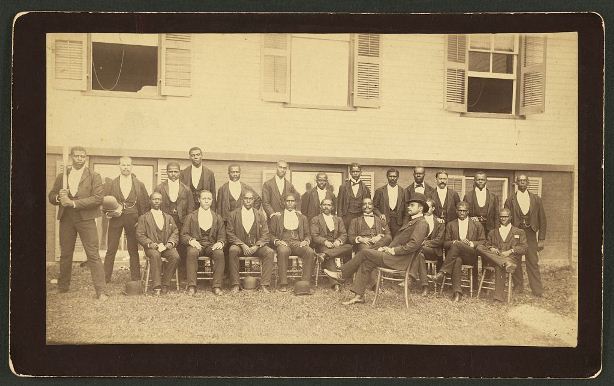
…If baseball is America’s pastime, it has been Connecticut’s passion for more than 150 years. Our state can trace the popularity of the game back before the Civil War. Towns,…
Read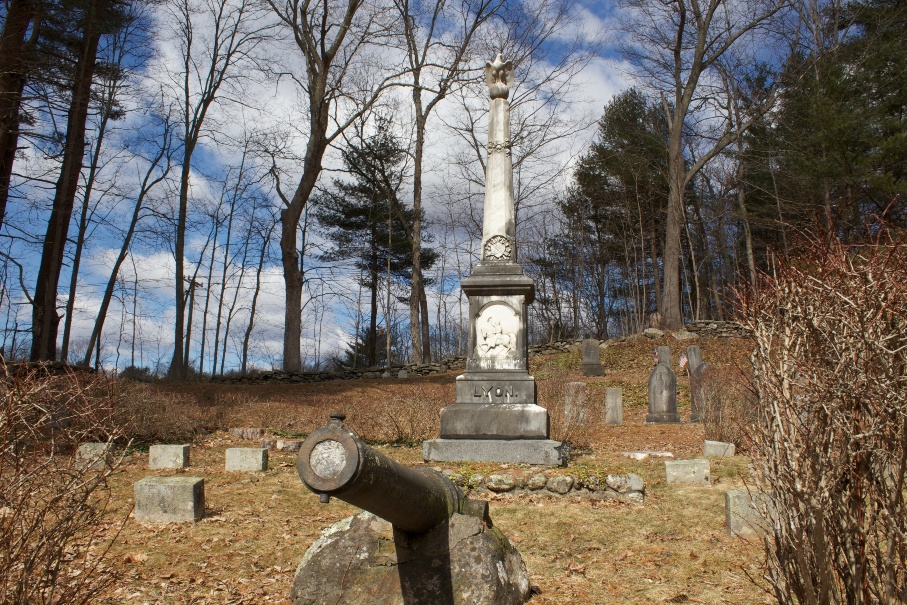
…agricultural community well into the 20th century. Markers of Eastford’s past include a monument to hometown hero Nathaniel Lyon, the first Union general killed in the Civil War, and a…
Read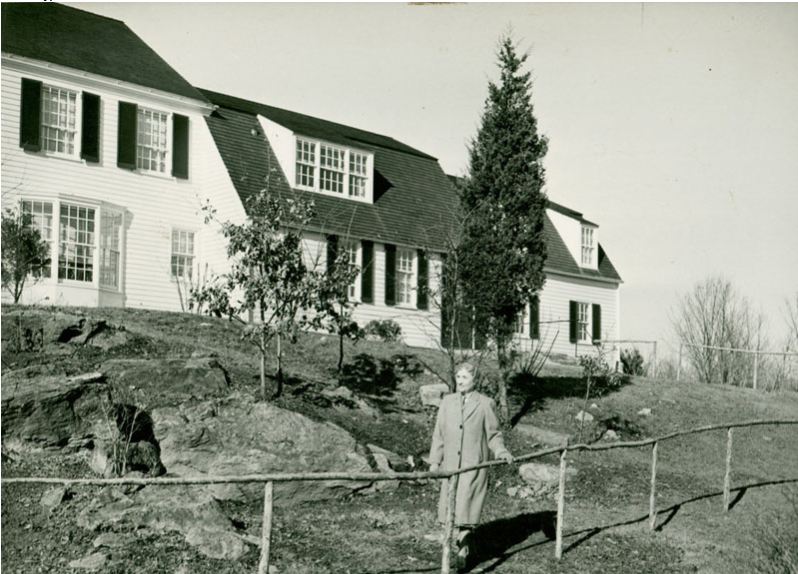
…her life to civil liberties and was a founding member of the American Civil Liberties Union (ACLU). A self-identified socialist, she also believed in birth control and the suffragist movement….
Read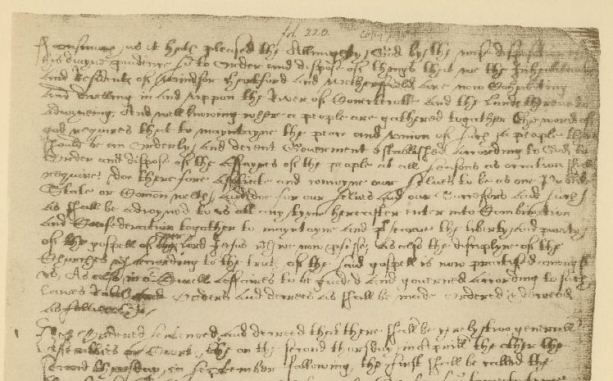
…which bound the three towns to be governed in all civil matters by the Orders. The preamble, then, was a civil equivalent of a church covenant. (The model of the…
Read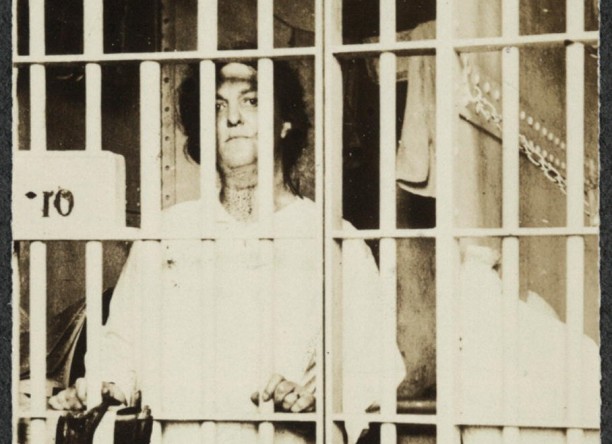
…acts of civil disobedience. The Connecticut Woman Suffrage Association In Connecticut, Frances Ellen Burr and Isabella Beecher Hooker took up the cause by forming the Connecticut Woman Suffrage Association (CWSA)…
Read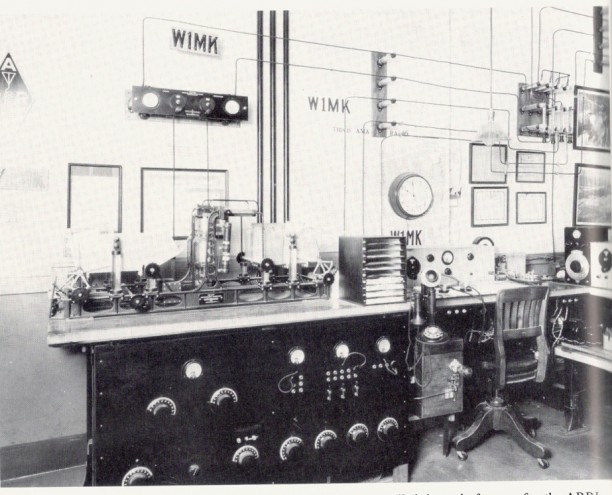
…relief organizations, such as the Red Cross, they also play an important role in civil emergencies. Radio amateur volunteers provide a communications adjunct to the professional civil services and are…
Read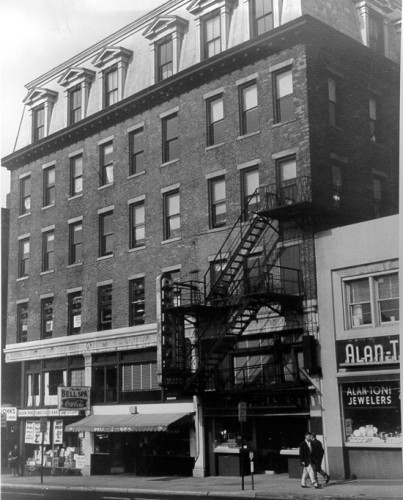
…the brainchild of Civil War veteran and telegraph office manager George Coy in partnership with Herrick Frost and Walter Lewis. List of Subscribers, February 21, 1878 – Southern New England…
Read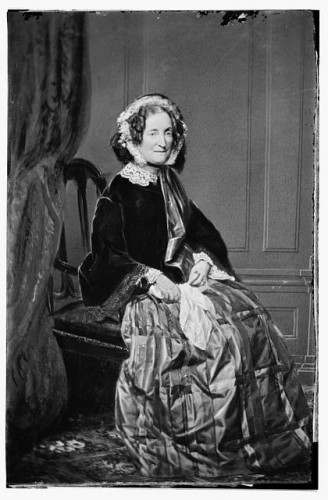
…States until the Civil War. Though once dismissed for the sentimentality of its verse, Sigourney’s work is increasingly studied by modern scholars because she was one of the first women…
Read …1735, incorporated in 1740, and chartered as a city in 1923. In the years before the Civil War, Torringford, a section of Torrington, was a transportation center for the Underground…
Read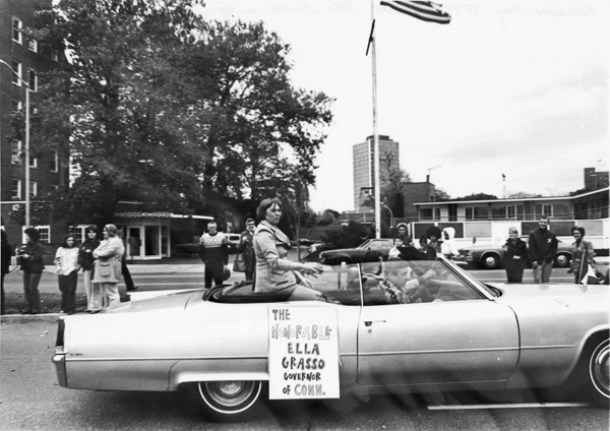
…arrived in Windsor Locks early in the 20th century, they followed tens of thousands of Europeans who immigrated to the United States in the decades after the Civil War. By…
Read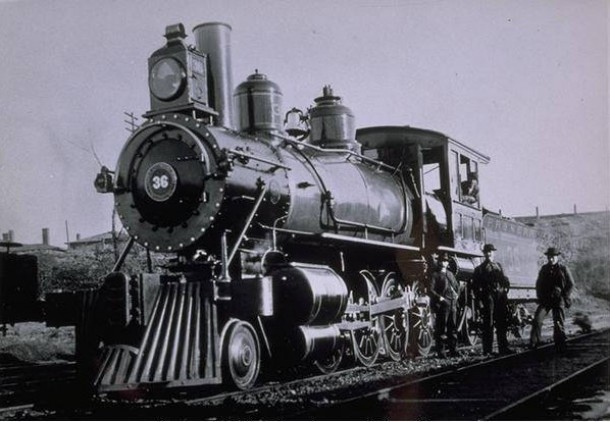
…to monitor the operations of all railroads in the state, which helped to reduce the number of train accidents. By the time of the Civil War, rail travel in Connecticut…
Read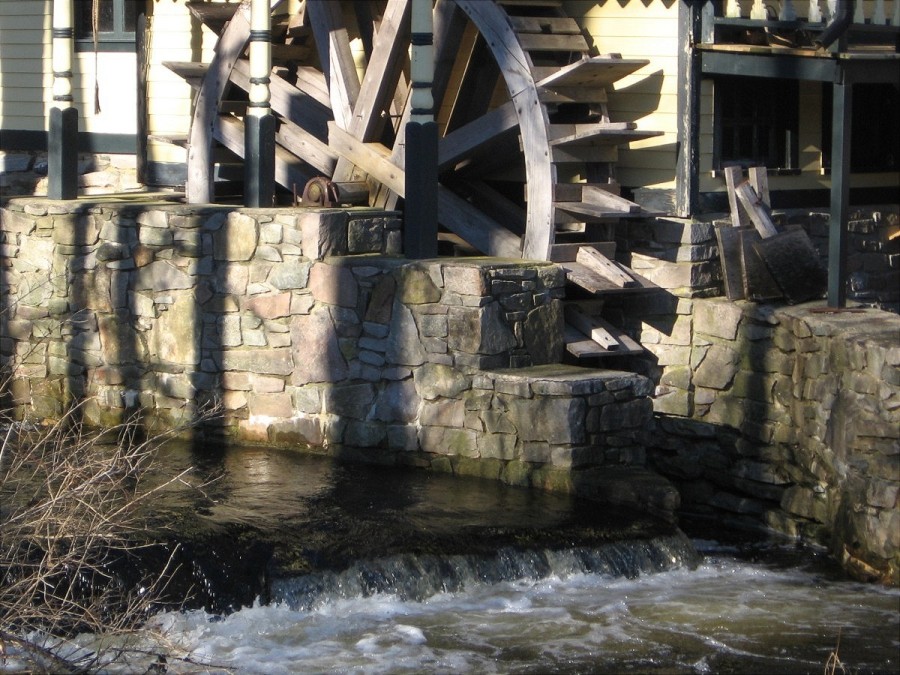
…and was a well-known mercantile center that produced silk and satin, wools, and thread lace among other items. After the Civil War, the town turned primarily agricultural with dairy farming…
Read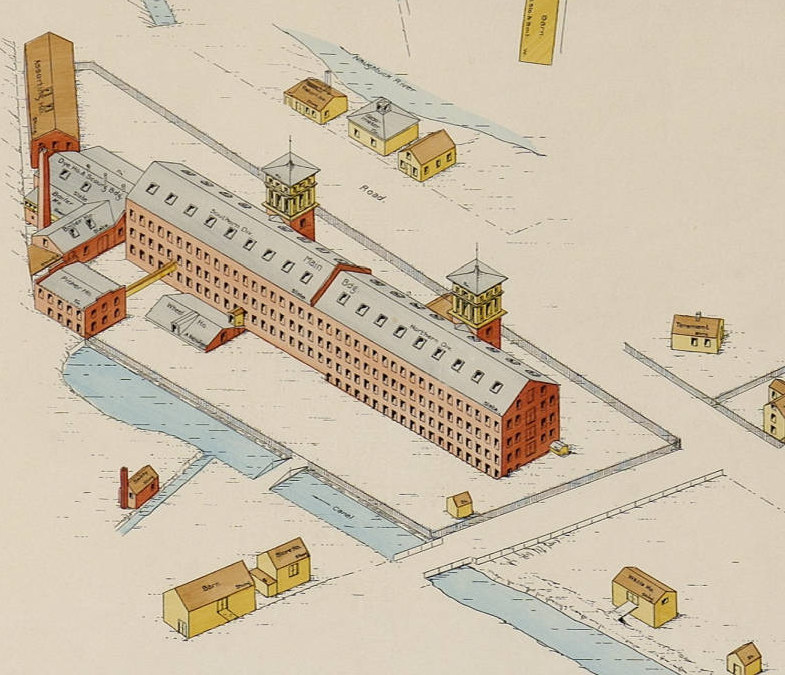
…American interest in long coats that reduced demand for the woolen shawls made popular during the Civil War. But just 30 years later, John Wolfe purchased some of the machinery…
Read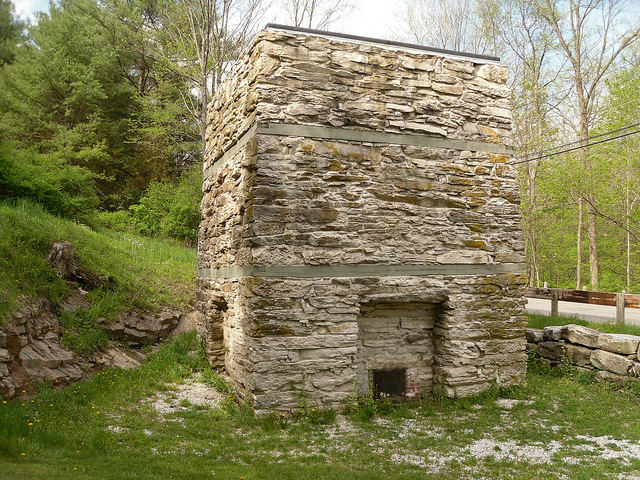
…goods, including rakes, buckles, and currycombs, from locally mined ore. During the Civil War, the town made munitions and invented the Hotchkiss explosive shell. Today, Sharon is a quiet bedroom…
Read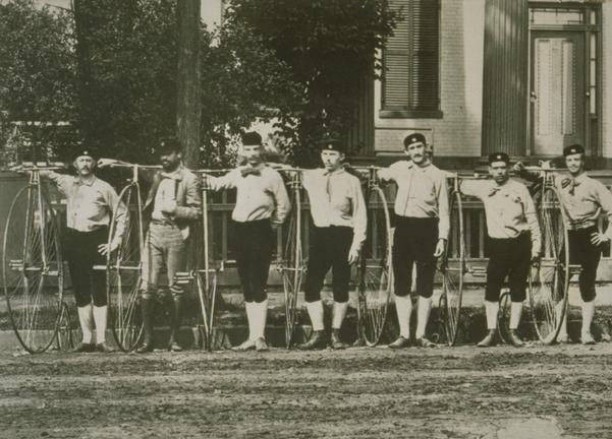
…important role: the bicycle. The Extraordinary “Ordinary” In 1878, Colonel Albert Pope, a former Civil War officer and successful entrepreneur from Boston, began the manufacture of what was called the…
Read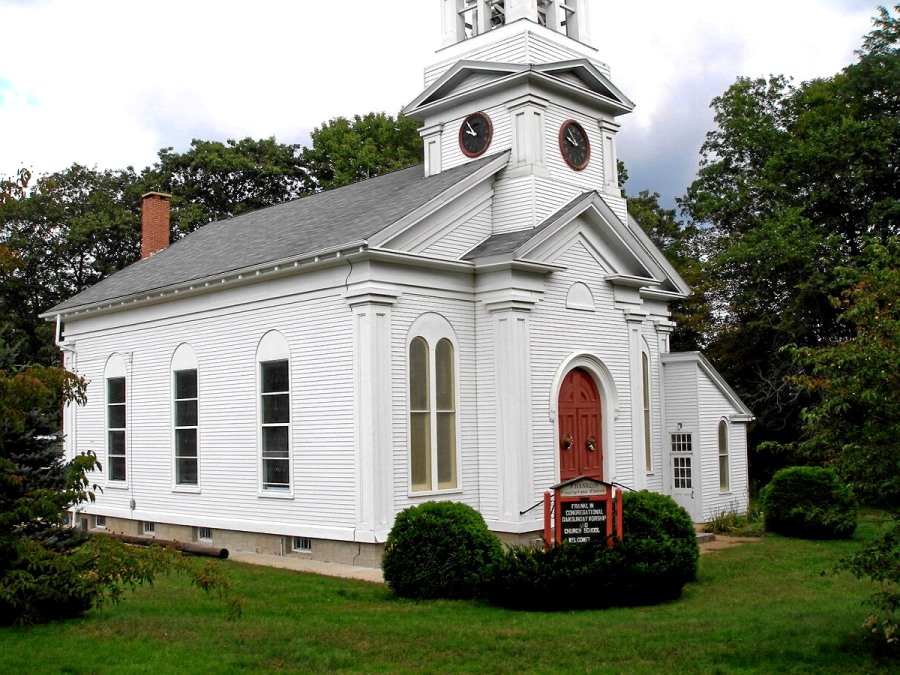
…to be buried in the Congressional Cemetery in the nation’s capital, and Dr. Ashbel Woodward, a Union surgeon during the Civil War whose home is now a museum. Today, Franklin…
Read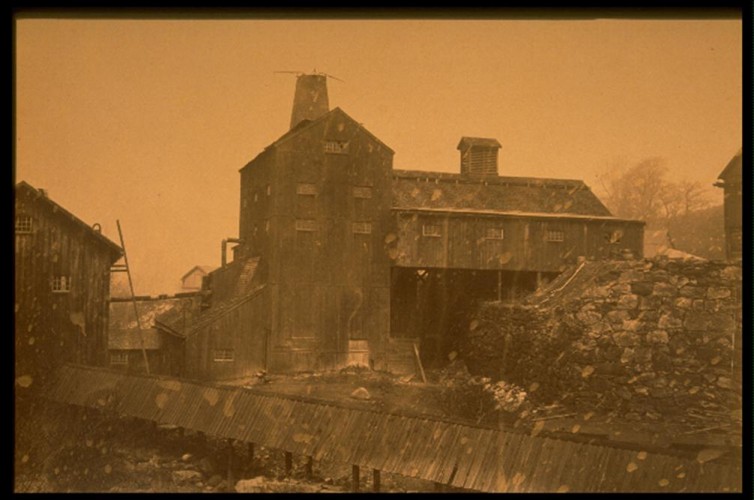
…iron these companies produced found its way into everything from ironclad ships used in the Civil War to the materials utilized in expanding the nation’s railway system. Salisbury district iron…
Read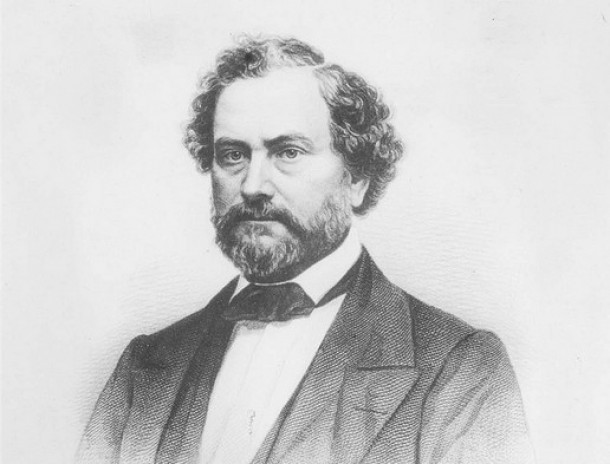
…Civil War both the Union and the Confederacy purchased firearms from the Hartford businessman. Sam Colt died in 1862 in his native city. The factory complex and grounds of the…
Read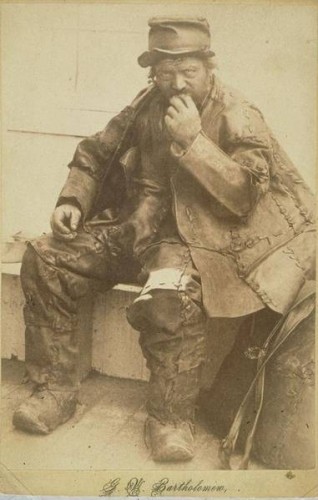
…Old Leatherman, whose first mysterious appearance in the state occurred before the Civil War and whose career as a familiar itinerant carried on until his death in 1889. The legend…
Read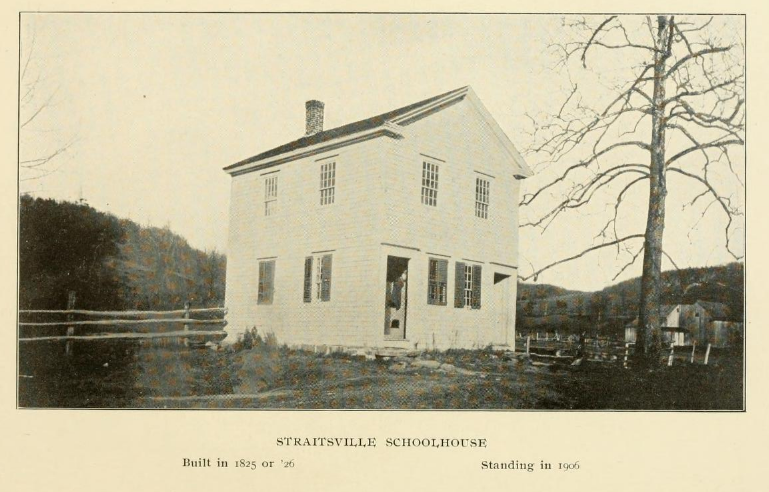
…The boom in industry that coincided with the start of the Civil War only dropped those numbers lower, and by 1873, Naugatuck ranked 131st in school attendance among Connecticut’s towns….
Read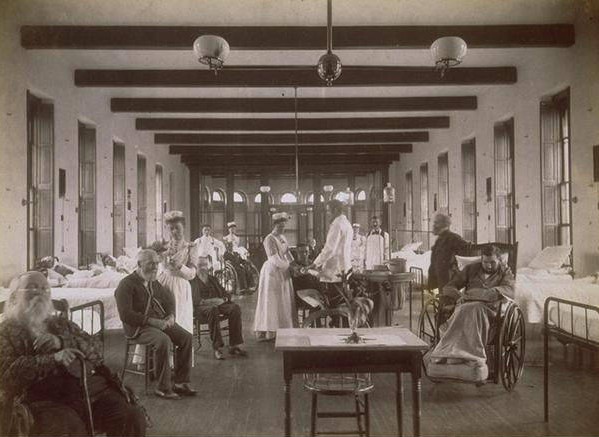
…treatments for mental illness. During the Civil War, New Haven’s State Hospital converted to military use and, as Knight US Army General Hospital, treated 25,340 soldiers. Twentieth-century advances include Dr….
Read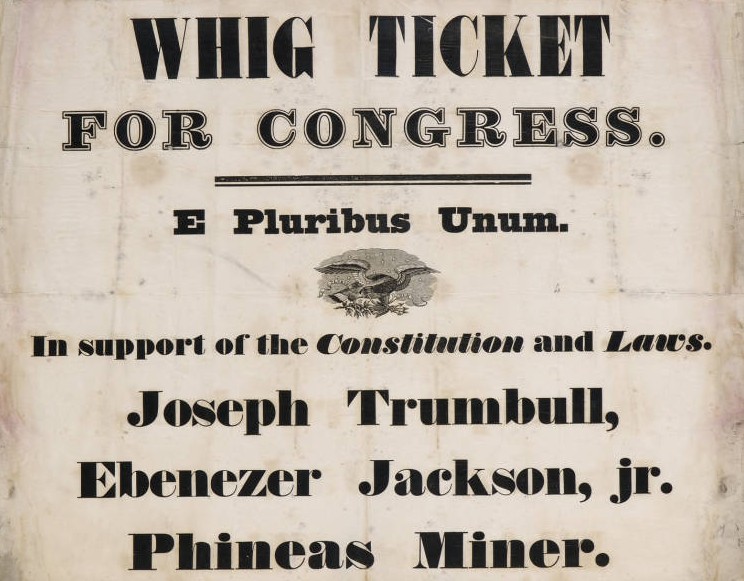
…one of only four Union governors to serve throughout the Civil War and remembered as Connecticut’s Lincoln for his anti-slavery stance, and Ella Grasso, the nation’s first elected woman governor….
Read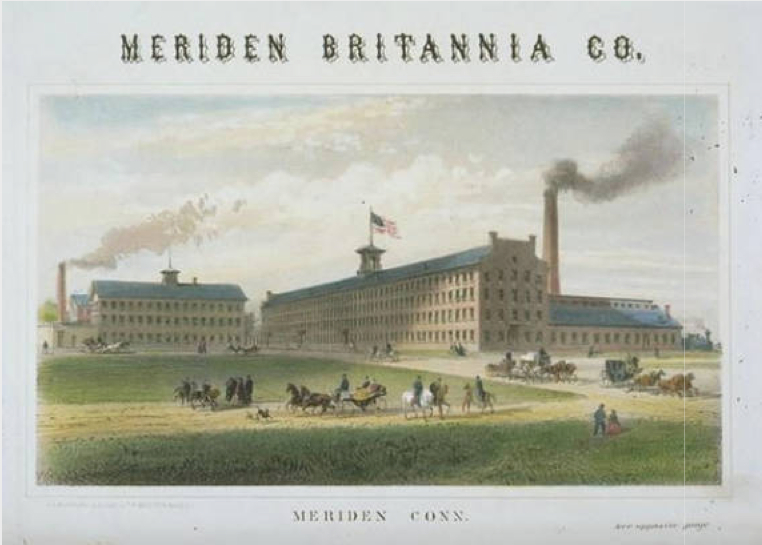
…out of business by the start of the Civil War, two former peddlers, Horace and Dennis Wilcox, helped establish a lucrative silver industry in Meriden. Bringing together numerous local manufacturers…
Read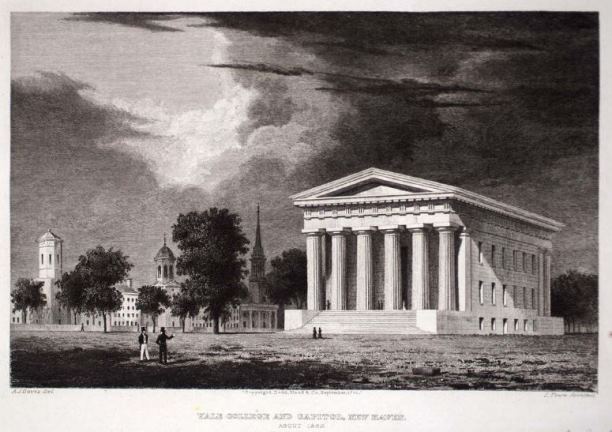
…design of New York-based architect Richard M. Upjohn. They also chose Hartford-based designer James G. Batterson (famous for his Civil War monument projects) to serve as the building contractor. Upon…
Read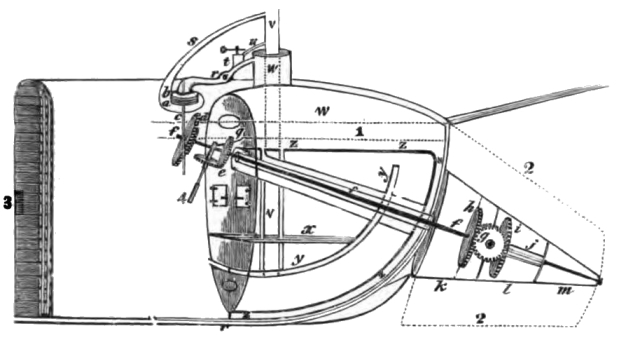
…added an “e” to his surname and later became an admiral celebrated for his Civil War service) to call for additional experimentation. So, around 1840, Beecher outfitted and sent a…
Read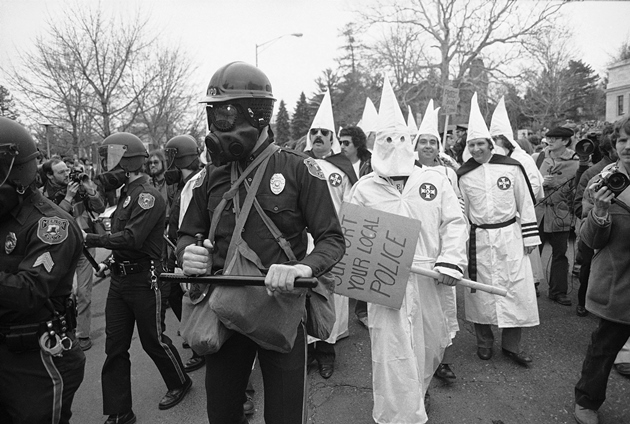
By Andy Piascik Within months of the Union victory in the Civil War in 1865, a small band of soldiers from the defeated Confederate army gathered in Pulaski, Tennessee, and…
Read
…to the Thimble Islands. Only a $1.00 for a round trip. The area’s resort industry declined during the Civil War, but by the war’s end, tourism once again boomed. Residents…
Read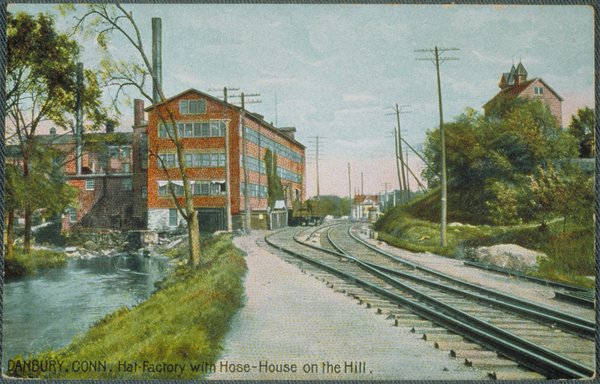
Written by William Devlin for the Connecticut History Review Pollution of Connecticut’s waters by industrial waste and sewage in the decades after the Civil War was arguably the state’s first…
Read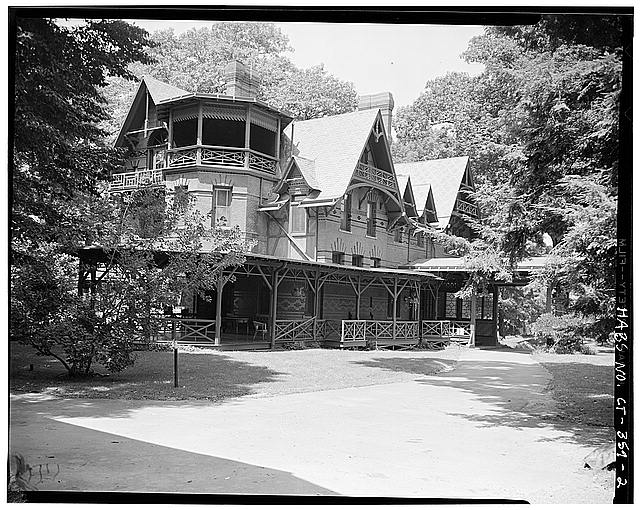
…Samuel Clemens. From Slavery to Freedom Born into slavery in the late 1840s, George Griffin faced many obstacles and served many roles before coming to Connecticut. During the Civil War,…
Read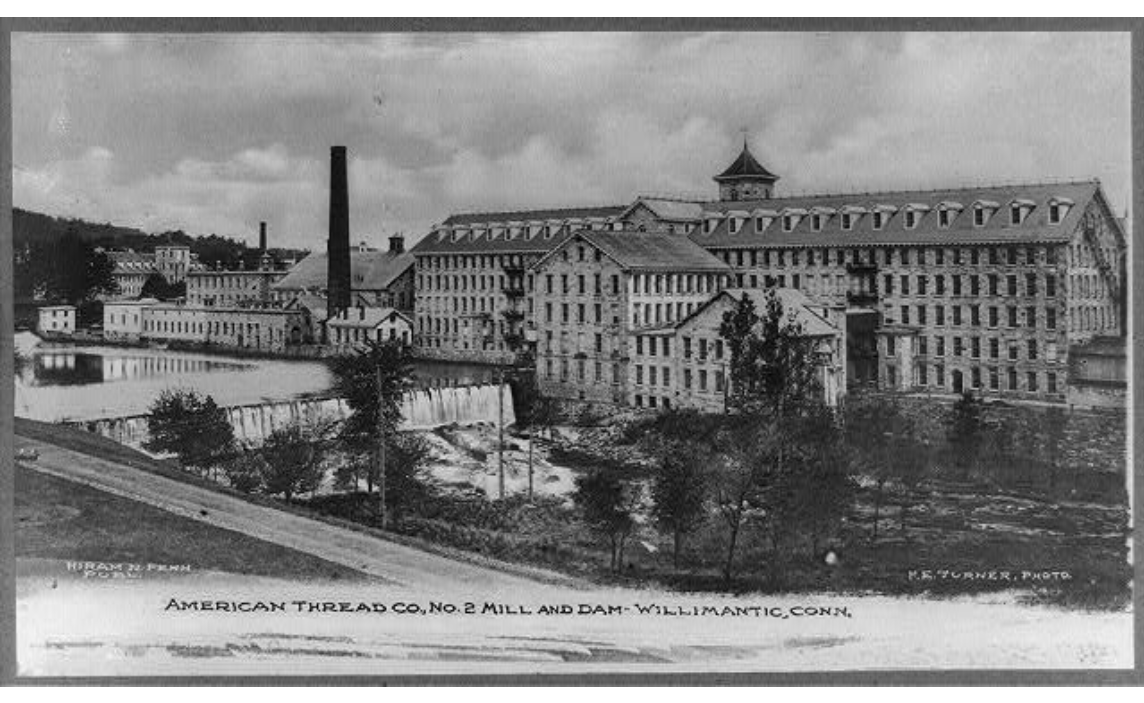
…[spool cotton] thread” and grew rapidly through the Civil War era and after. By the 1880s, it comprised four large granite mills, employed a thousand workers, innovatively installed electric lights,…
Read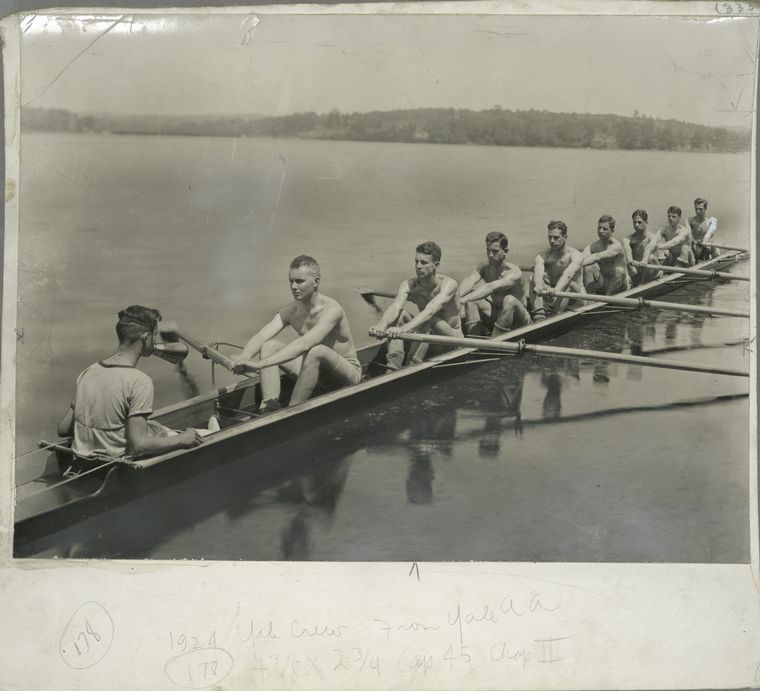
…industrialists, headed by Edward Nelson Shelton, created the Ousatonic Water Company shortly after the Civil War. A major accomplishment of the company was the completion of the Ousatonic Dam (on…
Read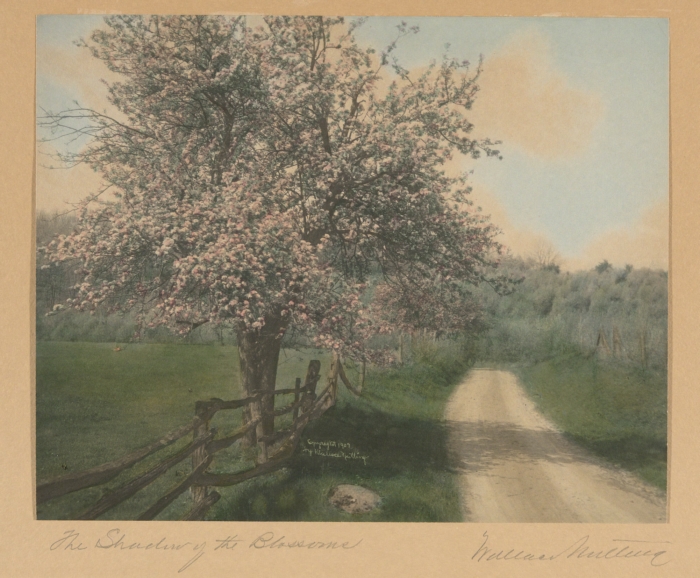
…Nutting’s rise to national prominence is an unlikely narrative and one that the minister put to good use as he marketed his personality. Left fatherless by the Civil War, Nutting…
Read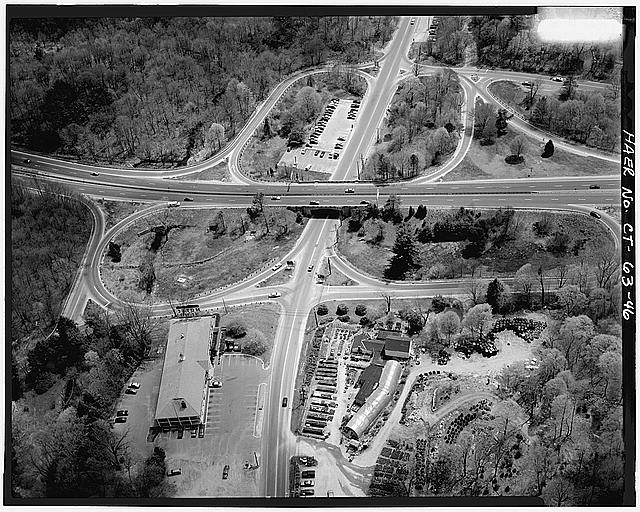
…along steel rails. Within a generation, almost every city in Connecticut was served by one or more horse railroad companies. After the Civil War, the construction of electrical generating plants…
Read In the years following the Civil War, Connecticut’s transformation to an urban, industrial state intensified. Great factories with enormous workforces replaced the multitude of small shops that characterized the state’s…
Read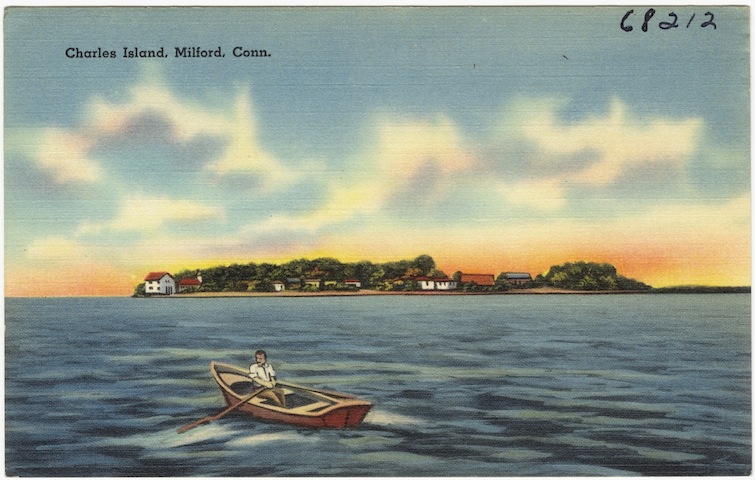
…Park But the days of Charles Island’s service as a trendy resort location were short-lived. In the years following the Civil War, Charles Island’s reputation as a wholesome family resort…
Read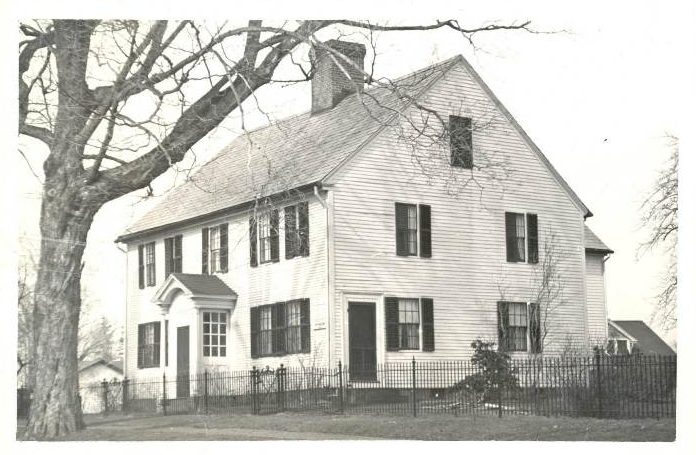
By Nancy Finlay Martha Parsons was born in Enfield, Connecticut, in 1869, just four years after the end of the Civil War, at a time when a woman’s place was…
Read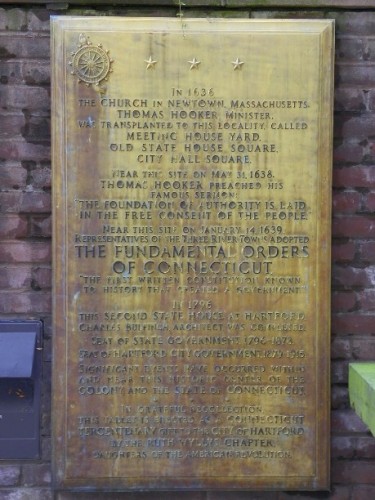
…program of the US Department of Education, and a Civil War re-enactor with Company F 14th Connecticut Volunteer Regiment. He holds a BA from New England College as well as…
Read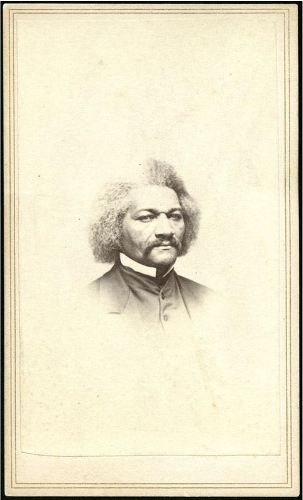
…Abraham Lincoln in 1858 and then lost the 1860 presidential election to him. Connecticut Denies Blacks the Right to Vote After Union victory in the Civil War, the black freedom…
Read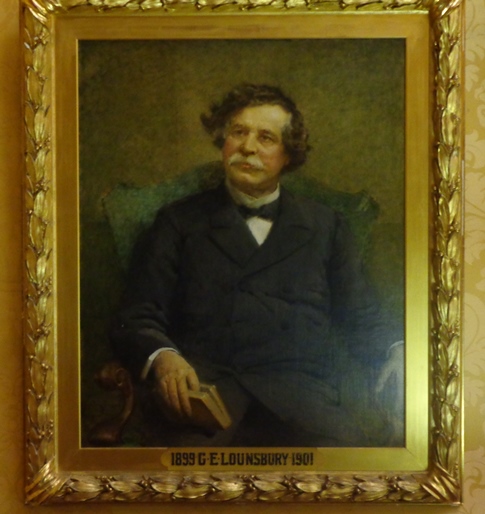
…as part of a semester-long graduate student project at Central Connecticut State University that examined Civil War monuments and their histories in and around the State Capitol in Hartford, Connecticut….
Read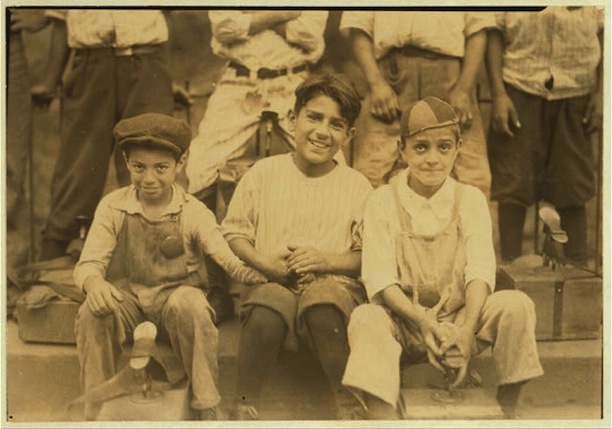
…paper money was a show of faith in the US government, both during and after the Civil War, and those who hoarded gold and silver were waiting for the North…
Read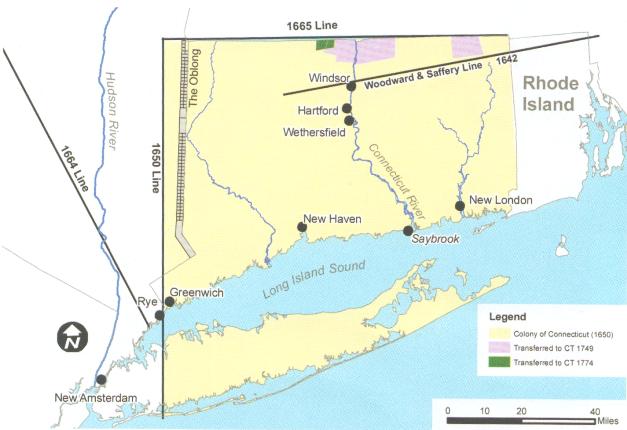
…the lands within Connecticut’s charter (between the Mystic and Pawcatuck Rivers) as payment for assistance during the Pequot War. Lucky for us, Connecticut prevailed and kept that valuable piece of…
Read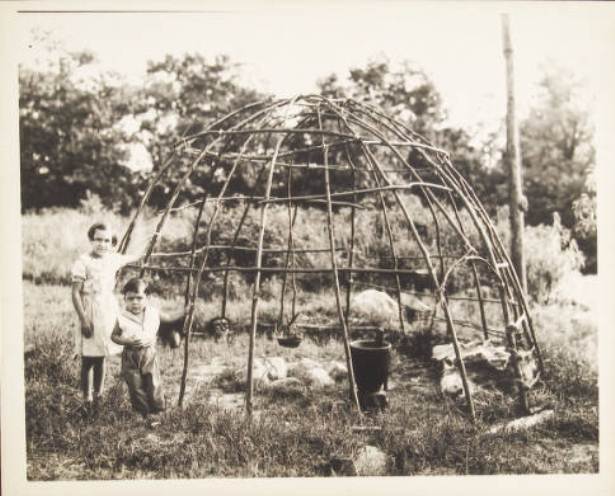
…by hunters and warriors. It was light to carry and nourishing. We have been told that a small quantity was placed in a deerskin sack to be placed at the…
Read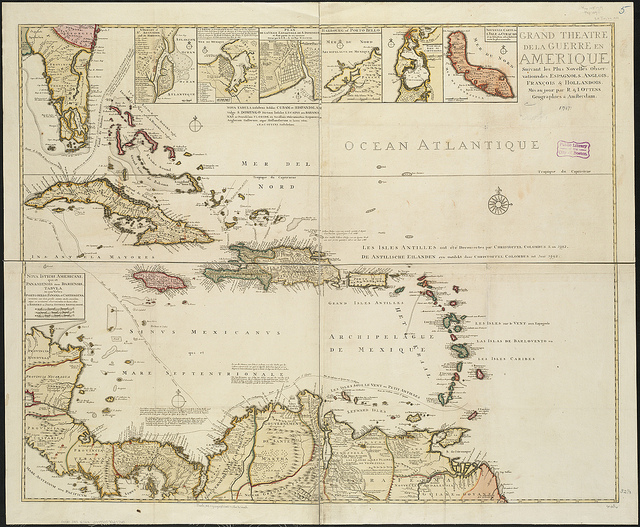
…the approximately 5,000 slaves in Connecticut at the time of the Revolutionary War, most came to the colony through the West Indies Trade. Between seven and nine million enslaved Africans…
Read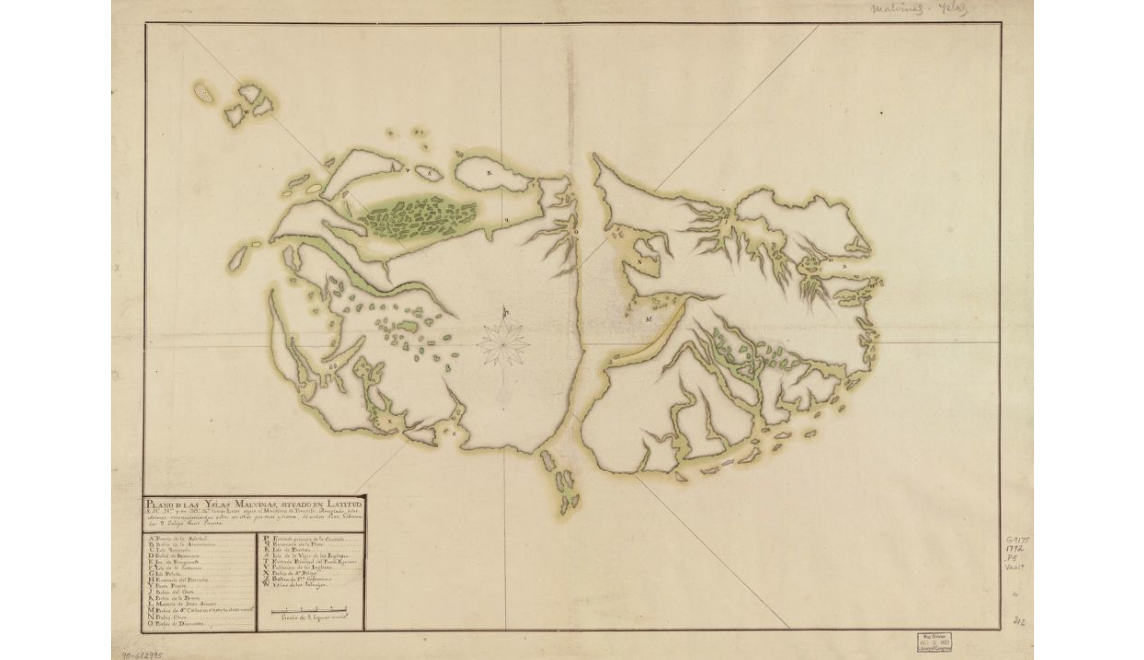
Jason R. Mancini, Ph.D. Author’s Note: The use of the term “Indian” is problematic but must be contextualized. Tribal specific labels are preferred, though often “Native” and “Indigenous” are used…
Read
YouTube – CPTV – Created by the Connecticut Public Broadcasting Network and the Department of Economic and Community Development….
Read
By Steve Thornton On a warm summer day in 1955, 15 domestic workers—maids, cooks, and chauffeurs—packed into a small apartment in a Hartford public housing project. It was a Thursday,…
Read
Oliver Wolcott (1726-1797) Oliver Wolcott was a Revolutionary War hero who played a vital role in early Connecticut politics. He graduated from Yale in 1747, and became the first Sheriff…
Read
On September 13, 1966, Charles (Chuck) Alexander became the first human to be captured by an aircraft in flight. A test parachutist for the Pioneer Parachute Company of Manchester, Connecticut,…
Read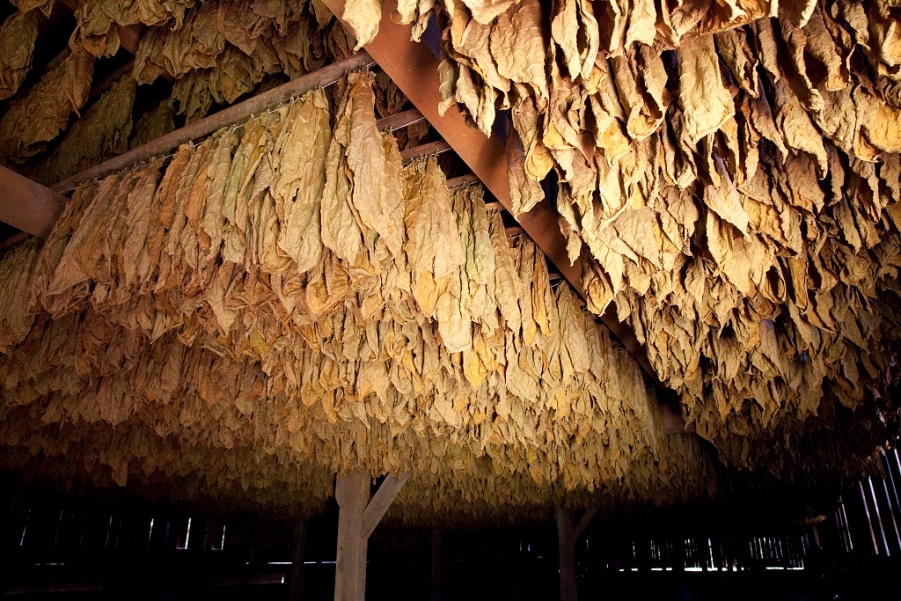
…produce and Windsor and the surrounding areas soon exhausted the supply of local help. With the onset of the immigration restrictions that accompanied World War I, local farmers resorted to…
Read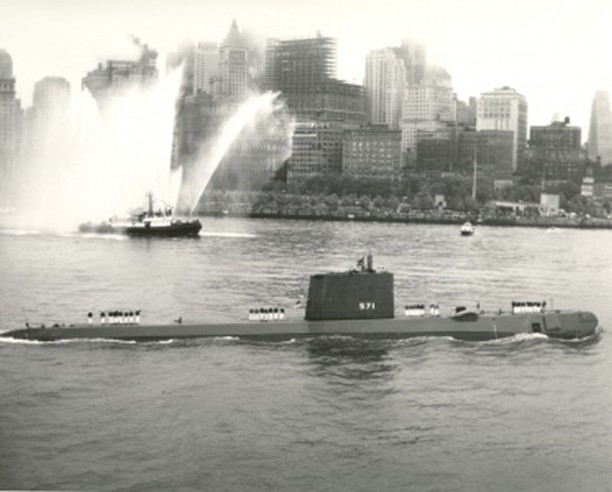
On August 3, 1958, the USS Nautilus (SSN-571) made history by becoming the first ship to pass underneath the North Pole. The 1,830-mile journey was launched from Pearl Harbor, Hawaii,…
Read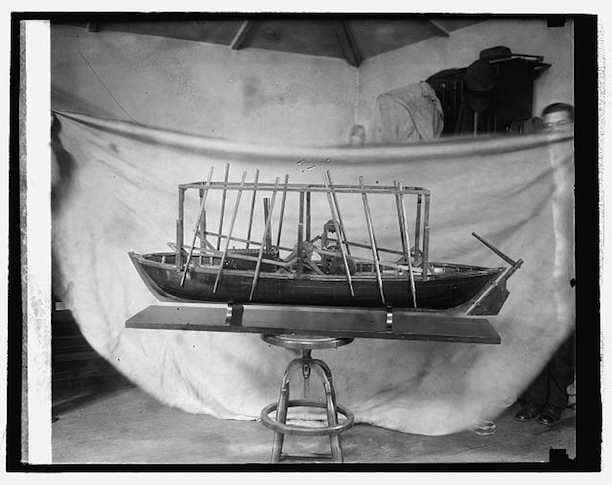
…on to find some success as a silversmith in Trenton, however, and during the Revolutionary War the Committee of Safety of the Province of New Jersey called on him to…
Read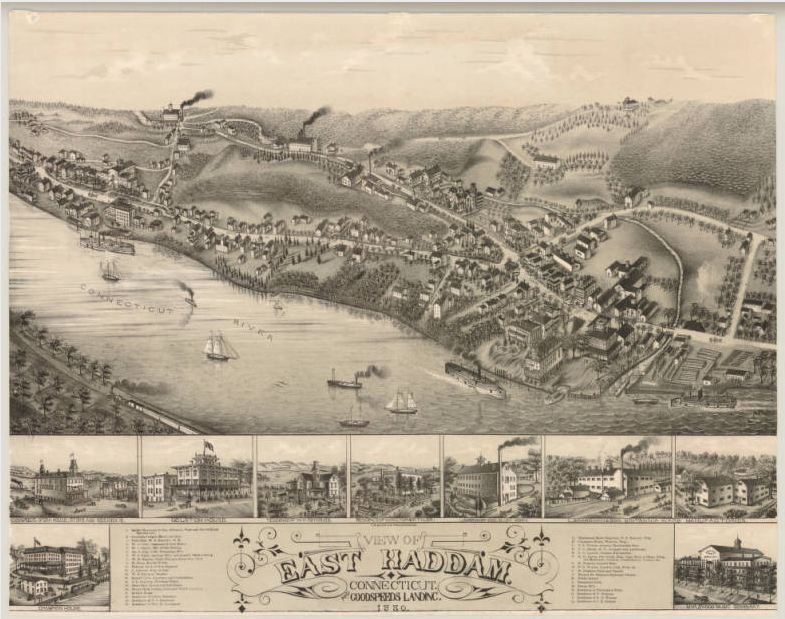
…by a billowy plume of black smoke penetrating the skyline, was the L. Boardman & Son Britannia Ware Manufactory and Silver Works (upper left, upper center, and vignettes). Two prominent…
Read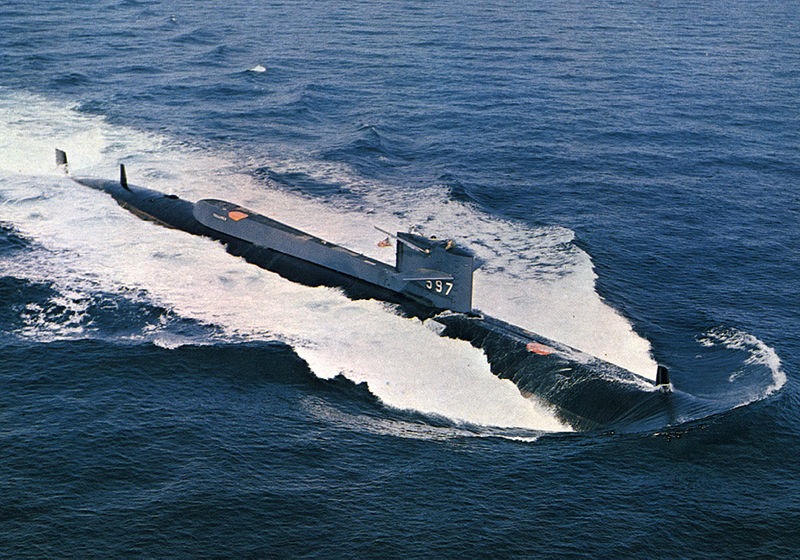
…or ASW (Anti-Submarine Warfare) weapons, the first to be equipped with the AN/BQQ-series Sonar, and the first submarine to have the torpedo tubes amidships. This “all-Connecticut” prototype was built by…
Read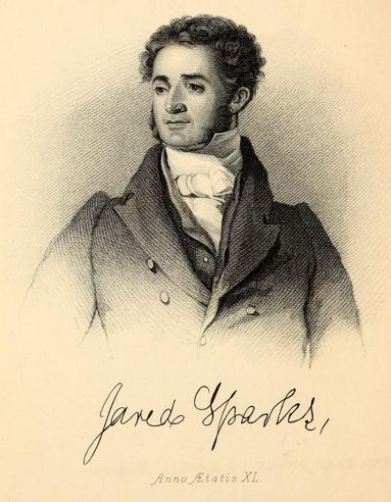
Jared Sparks was a Unitarian minister, editor, and historian who went on to serve as President of Harvard University in the middle of the 19th century. Perhaps the greatest contribution…
Read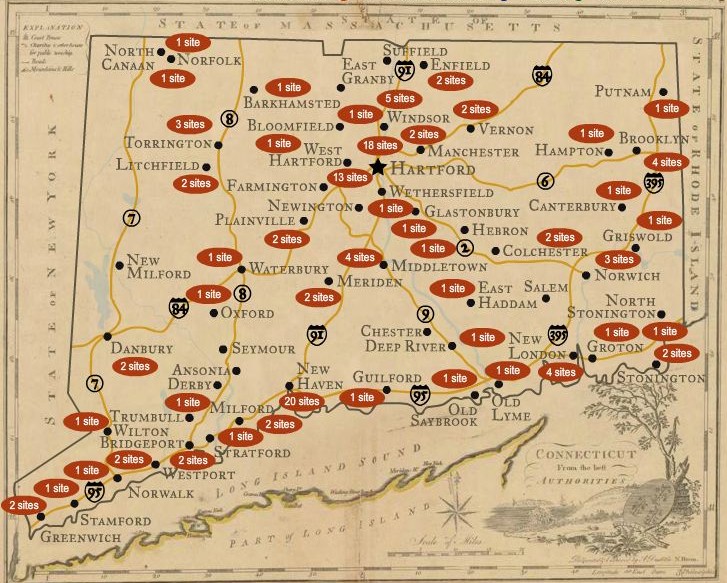
…colony politics, and his son, Jedidiah, who served as a general under General Washington in the Revolutionary War. Trowtrow’s gravesite is on the Trail. Churches serving black congregations played a…
Read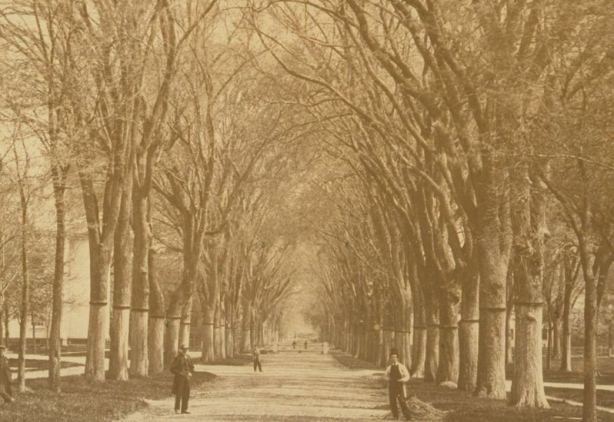
…shade trees and to line village and city streets. In the early 1830s, when John Warner Barber documented the appearance of every town in Connecticut for his book, Connecticut Historical…
Read by Andy Piascik In 1784, as the American Revolution drew to a close, the new government of Connecticut passed the Gradual Abolition Act to address the issue of slavery in…
Read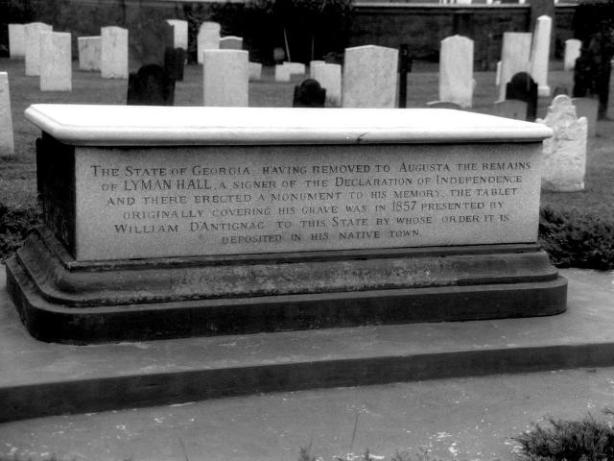
Lyman Hall was a doctor, minister, and statesman from Connecticut who traveled throughout the original 13 colonies during the latter half of the 18th century. Hall served in the Second…
Read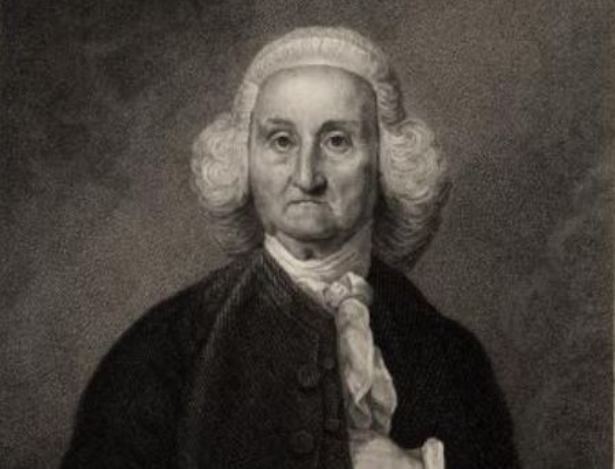
…Indian War, Trumbull won election as deputy governor of Connecticut in 1766. With the death of Governor William Pitkin in 1769, Trumbull became governor of the colony. During the Revolutionary…
Read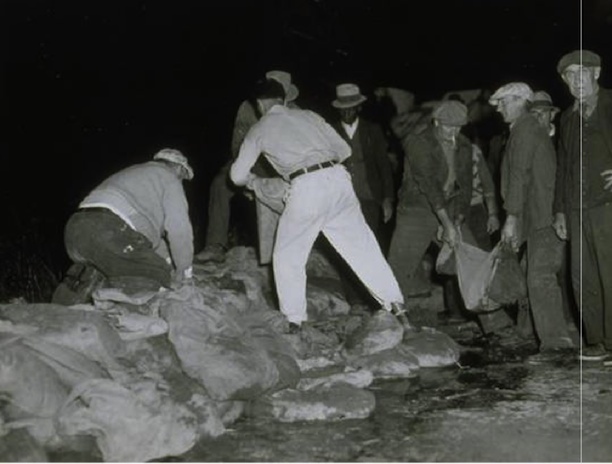
…absorbed with the Munich Conference and impending war in Europe, to comprehend fully the enormity of the disaster. It is even more difficult for present generations to appreciate what William…
Read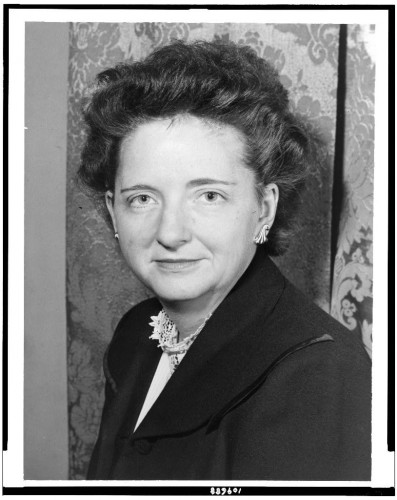
…and then graduate school at Columbia University. At Columbia, Bentley found a kindred community in the American League Against War and Fascism, and she eventually joined the Communist Party of…
Read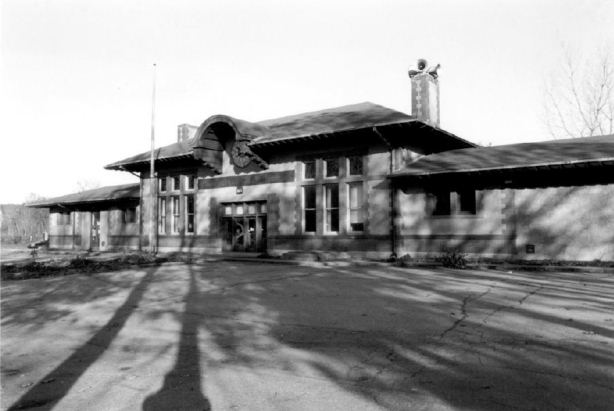
…a sea of magnificent public buildings of polished stone. Evelyn Beatrice Longman assisted by Henry Bacon, Great War Memorial, ca. 1920, pink granite, town green, Naugatuck – Smithsonian American Art…
Read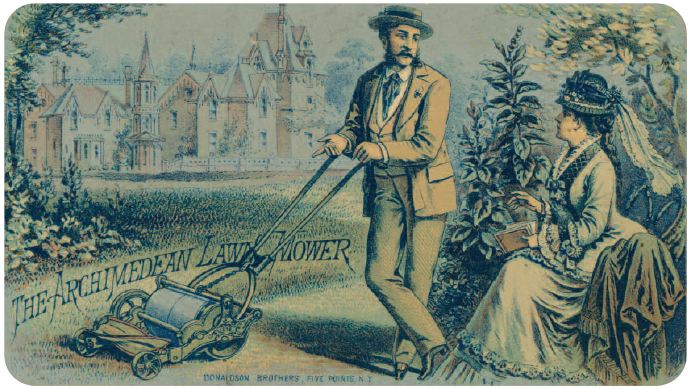
…of the industrial, artistic, and agricultural products of many of the world’s nations. Colt set a precedent for Connecticut manufacturers who would show their wares at European expositions and fairs….
Read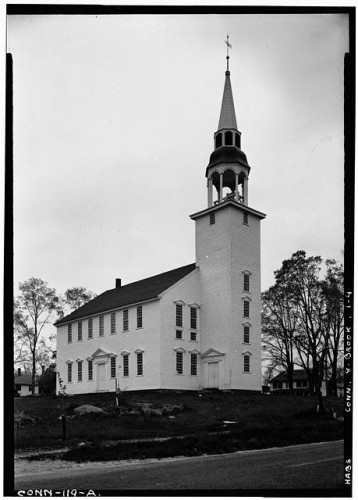
…Church. Her ordination was such a momentous occasion that Julia Ward Howe (author of “Battle Hymn of the Republic”), read a letter of support for Burleigh written by Henry Ward…
Read
…stay in Storrs was interrupted in 1943 when he entered the army during the Second World War. He served as an engineer in Europe and returned to UConn after being…
Read …of Buck’s Hill Road. The Bosses did all the milking by hand until at least the World War II era. They had a smokehouse where they prepared their own bacon…
Read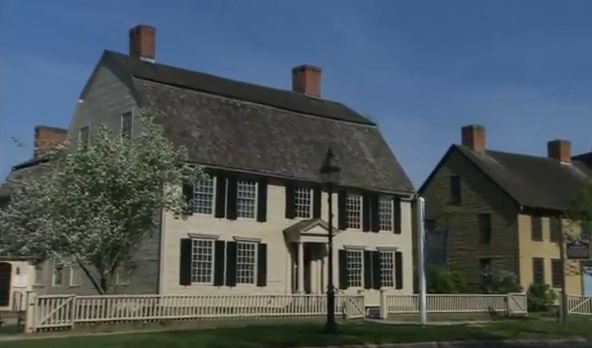
YouTube – CPTV – Created by the Connecticut Public Broadcasting Network and the Department of Economic and Community Development….
Read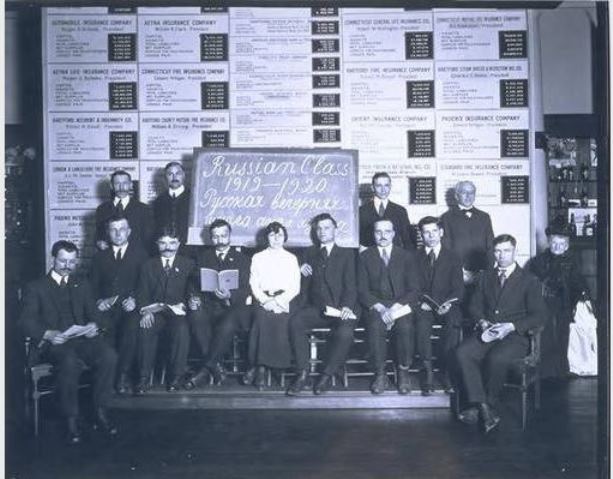
…residents. The 20th century again brought changing attitudes toward various populations (thanks, in part, to two world wars, the Great Depression, conflicts on the Asian continent, the Cold War, and…
Read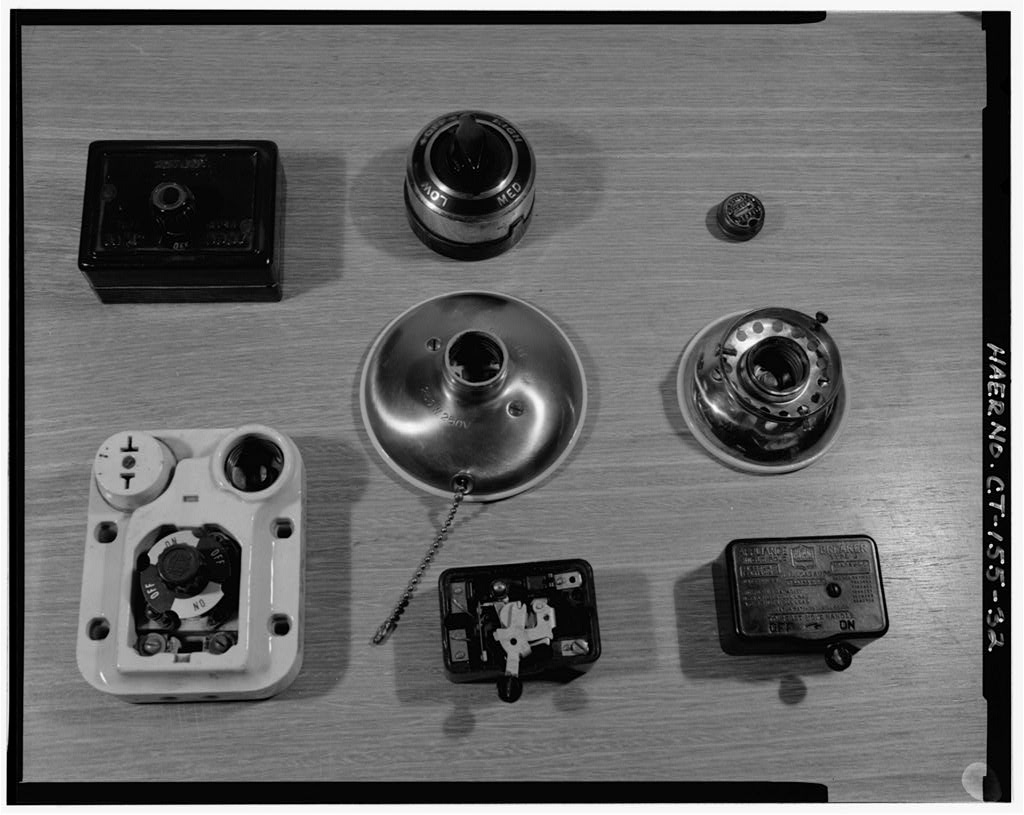
…Second World War when the company did a substantial amount of work for the military. By this time, the Bryant factory had 340,000 square feet of floor space and its…
Read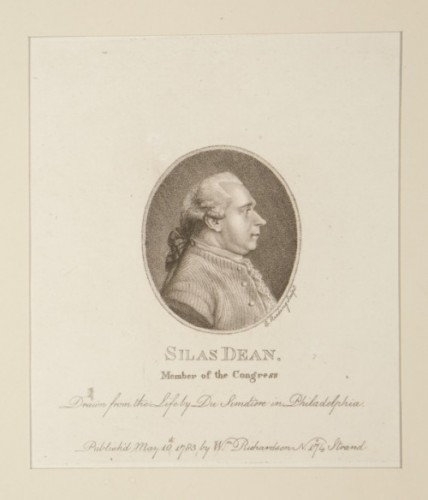
…marked the successful negotiation of the Franco-American treaties of friendship and alliance. Deane returned to the United States aboard a French warship in July 1778 and learned that he was…
Read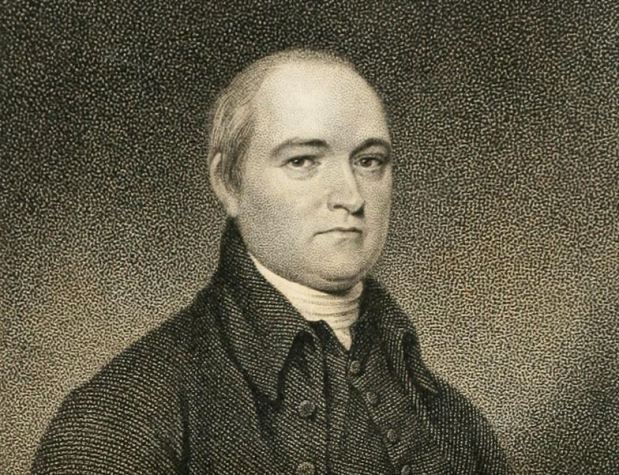
…and John Trumbull—the “Hartford Wits” —began using poetry and satire to push at conventions and explore the ideas of a new American nation. A supporter of the Revolutionary War, but…
Read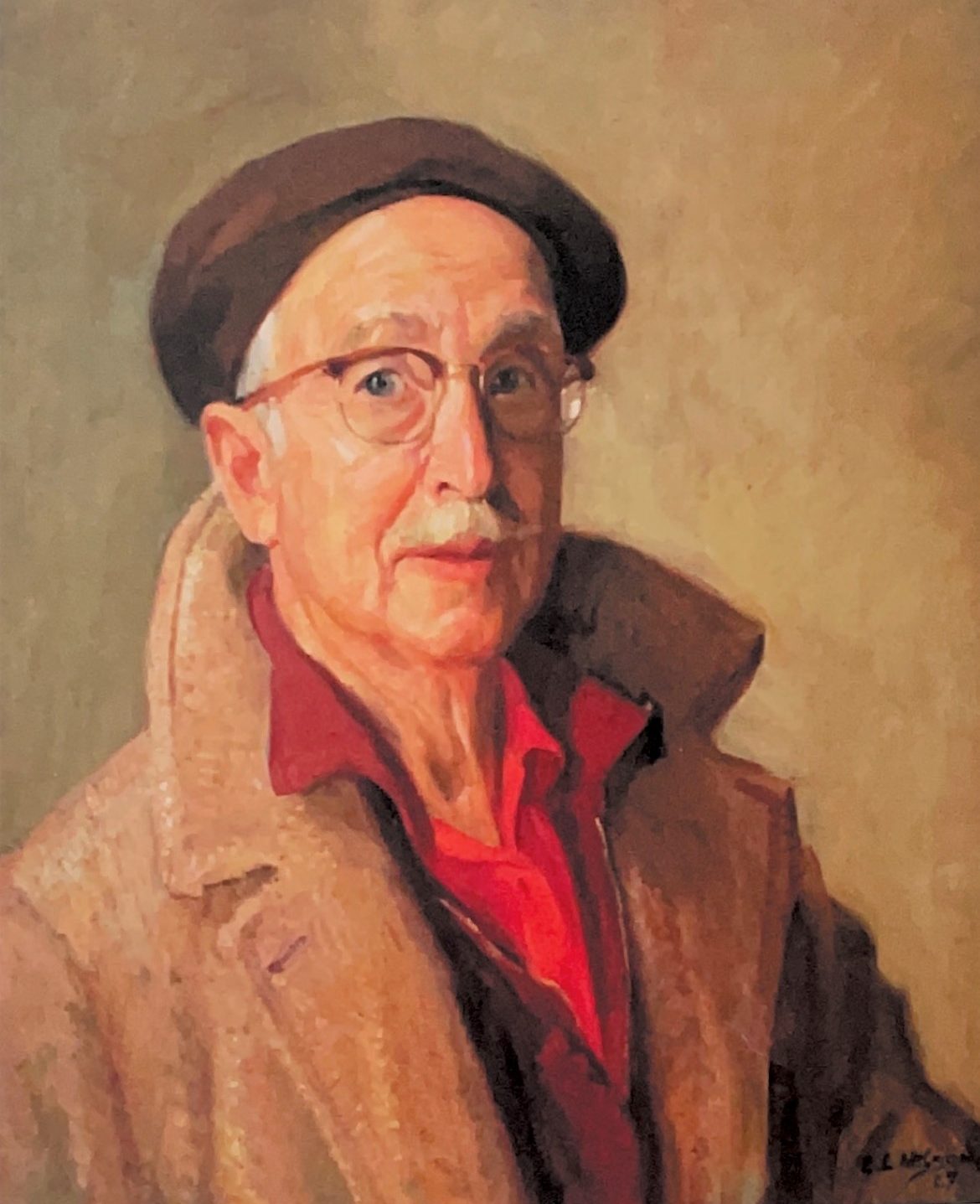
…was growing in the years preceding World War I.) Painting Family Tragedy Laurence’s painting of his brother Nelson who was lost at sea – Courtesy of Kent Historical Society As…
Read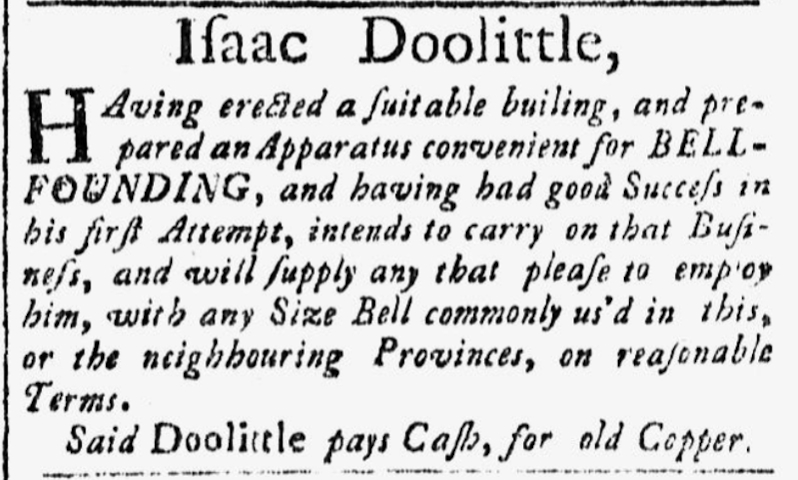
…craftsman in many endeavors. He built the first printing press in the colonies in 1769, made the first brass wheel clocks, operated a powder mill during the Revolutionary War, and…
Read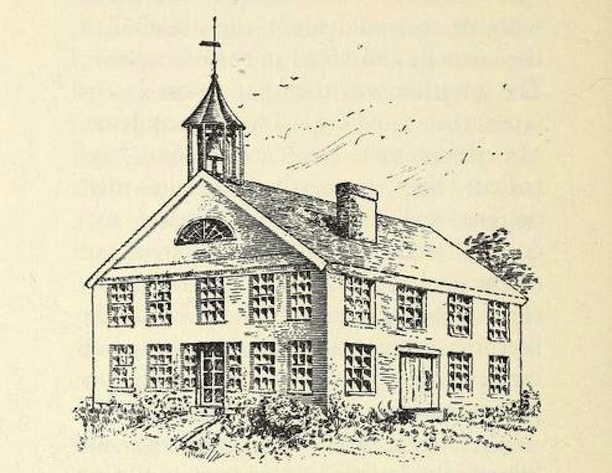
…future in the ministry. The Revolutionary War, however, got in the way. He served first in the Connecticut militia, then in the Continental army, fighting on Long Island, at White…
Read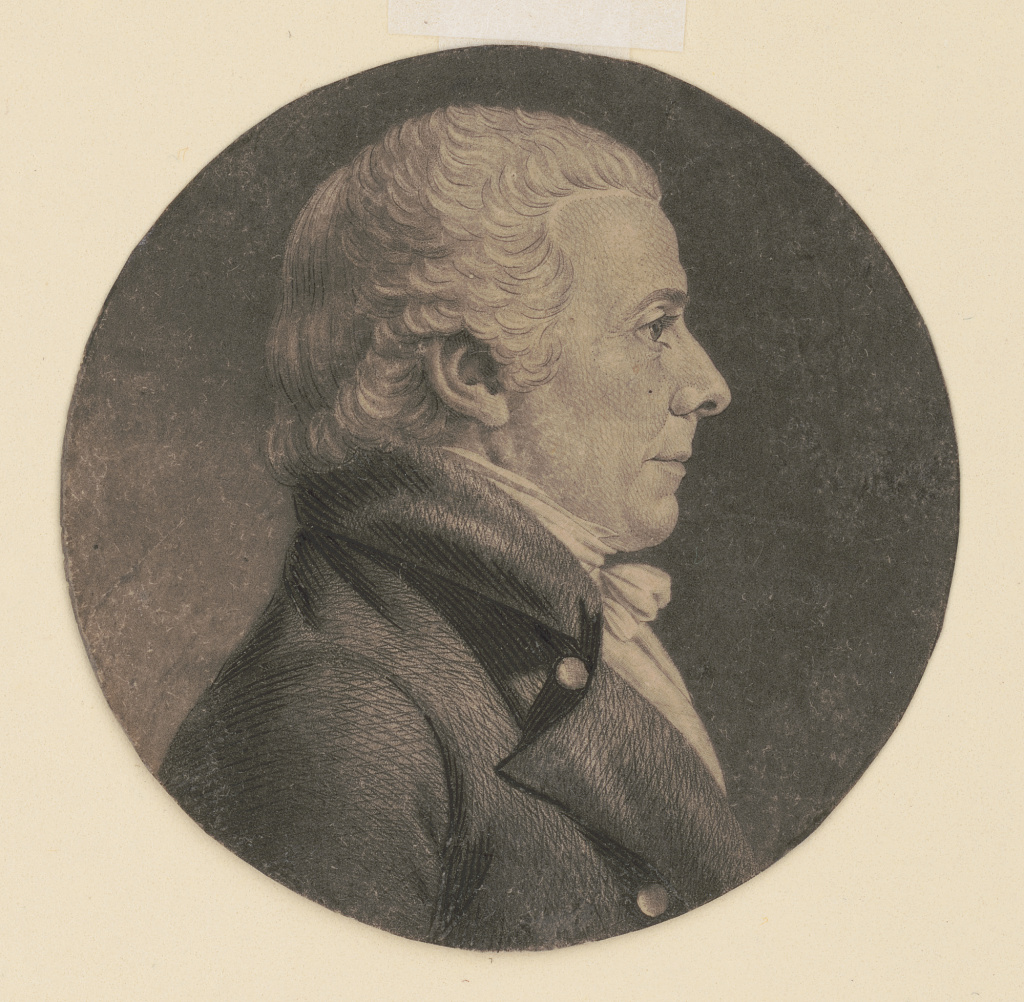
…Puritan,” became governor of Connecticut in 1814. During these troubled times, the Federalists opposed the Embargo Act of 1807 and the War of 1812. Leading Connecticut Federalists played a prominent…
Read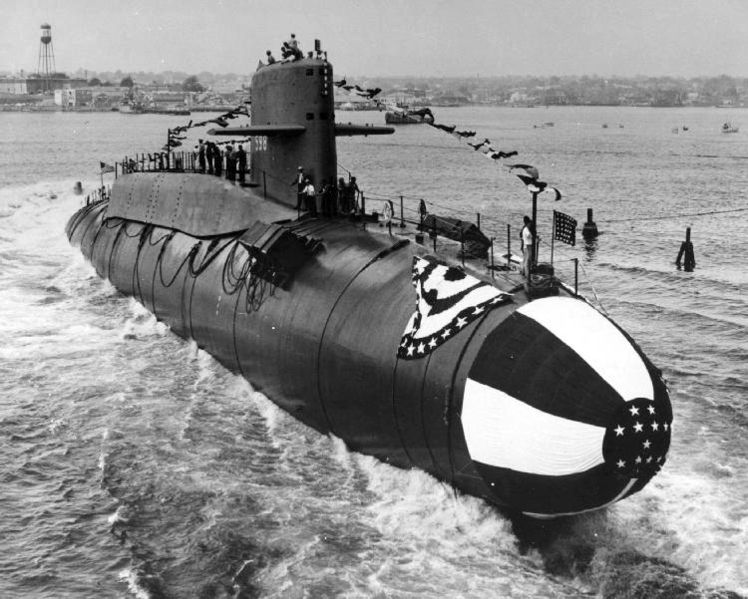
On June 9, 1959, the first nuclear-powered, ballistic-missile submarine, the USS George Washington (SSBN 598), was launched at Groton. The George Washington was originally scheduled to become the USS Scorpion,…
Read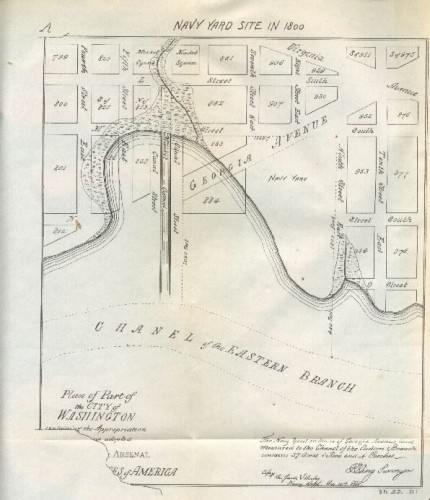
On April 13, 1844, Samuel Colt blew up a schooner on the Potomac River off the Washington (DC) Navy Yard to demonstrate the effectiveness of his invention, the underwater electric…
Read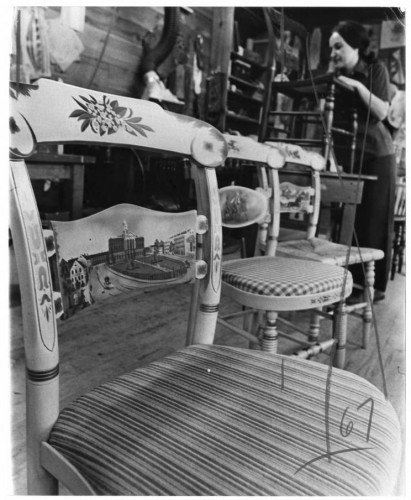
…chairs alongside cabinets, tables, and candle holders. John Warner Barber, West view of Hitchcocksville in Barkhamsted, ca. 1836, pen and ink – Connecticut Historical Society, and Connecticut History Online Chair-making…
Read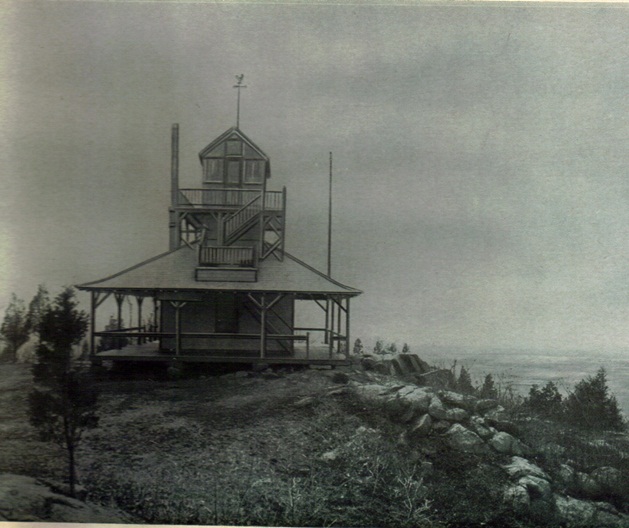
…wound in the Revolutionary War that deformed his spine and left him partially crippled. Brockett built a small hut on the northern base of the mountain and lived out his…
Read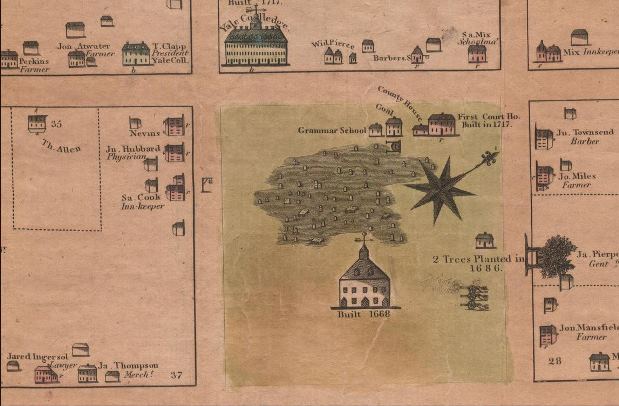
…even before the French and Indian War. The popular author Douglas Grant Mitchell (known as “Ike Marvel”) was born in Norwich in 1822. As an old man he produced a…
Read
…US army during World War II, Merrill graduated summa cum laude from Amherst in 1947. Shortly before graduating, he published a second collection of poems entitled, The Black Swan. After…
Read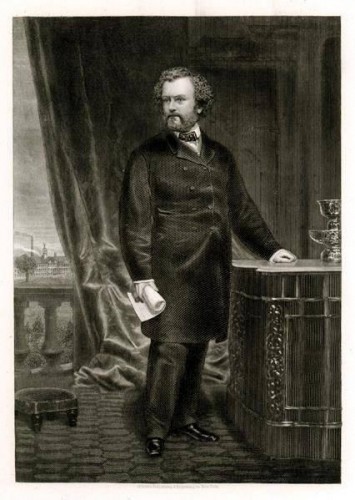
…Colt’s short life had indeed been full. Potsdam Village & Willow Ware Factory – Connecticut State Library, State Archives, PG 460, Colt Patent Fire Arms Manufacturing Company The foremost mourner…
Read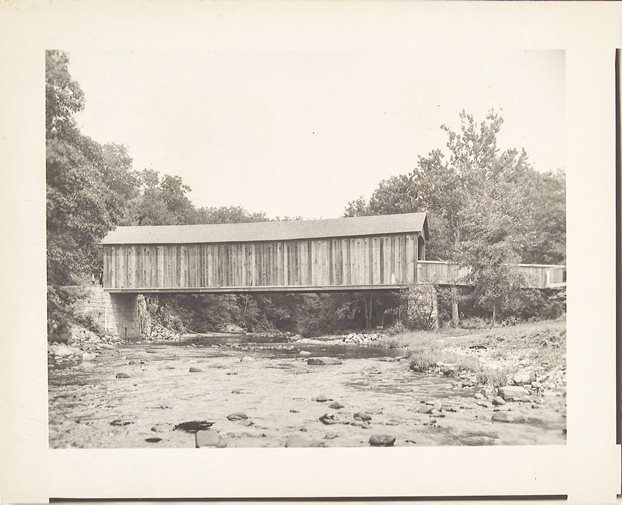
…the Civilian Conservation Corps went to work renovating the bridge and added, among other things, wooden gates and new siding. A new concrete structure, built just 500 feet downstream from…
Read
…Civilian Conservation Corps then turned these newly acquired lands into usable open space throughout much of the 1930s and into the ’40s. The park continued to grow throughout the 20th…
Read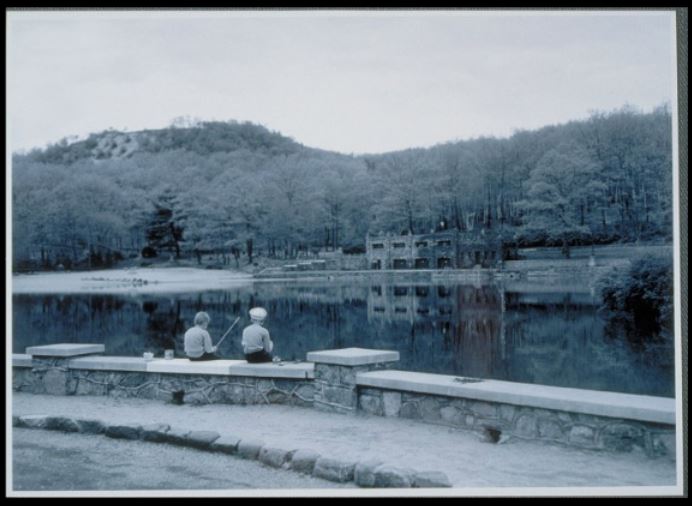
…bring its outdated facilities up to date. The city hired Milone & MacBroom, Inc., a civil engineering firm in Cheshire, to oversee the project. Like the park’s original architect, Milone…
Read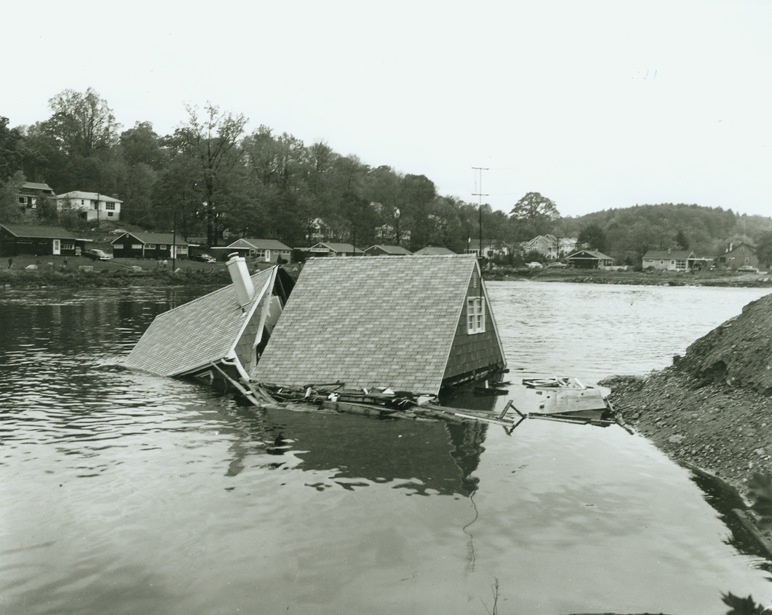
…by Byram River Flood, October 16, 1955. L. E. Gotch, photographer – Greenwich Historical Society Worst Flood in Greenwich History Police, firefighters, civil defense workers, and Red Cross worked together…
Read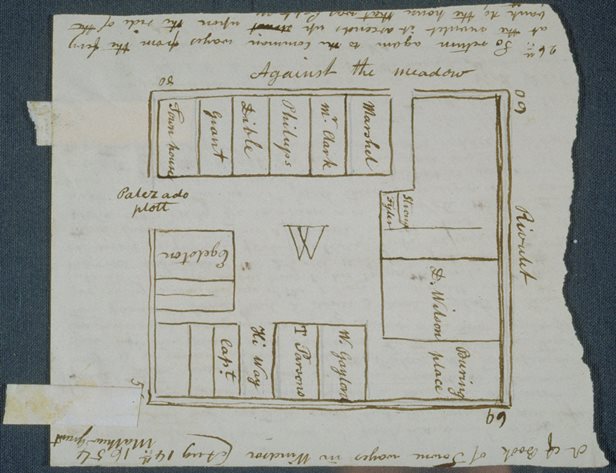
…facilitated the founding of the Connecticut Colony, and two years later, inspired the drafting of the Fundamental Orders (which established civil government in the colony). European settlement also contributed to…
Read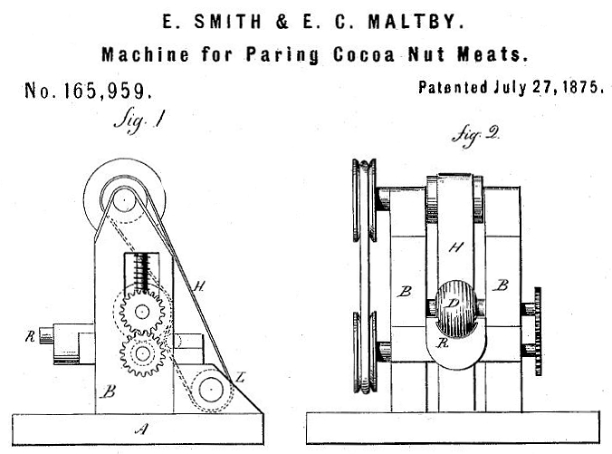
…that patents granted to North Branford residents included one for a device used for paring coconut meats in 1875. An industrial invention rather than a tool for the home kitchen,…
Read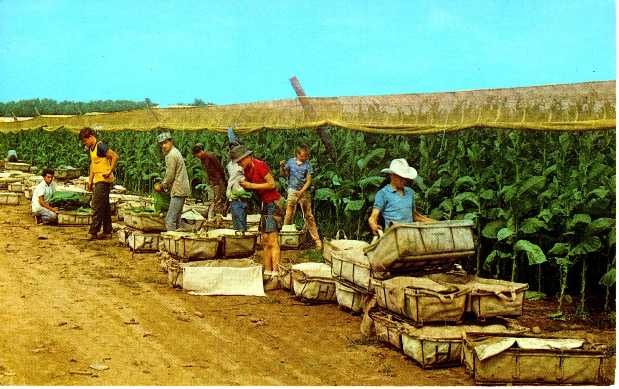
…in the United States. (Puerto Rico had been a colony of Spain until 1898, when, as part of the treaty ending the Spanish-American War, the US assumed sovereignty. Puerto Rico’s…
Read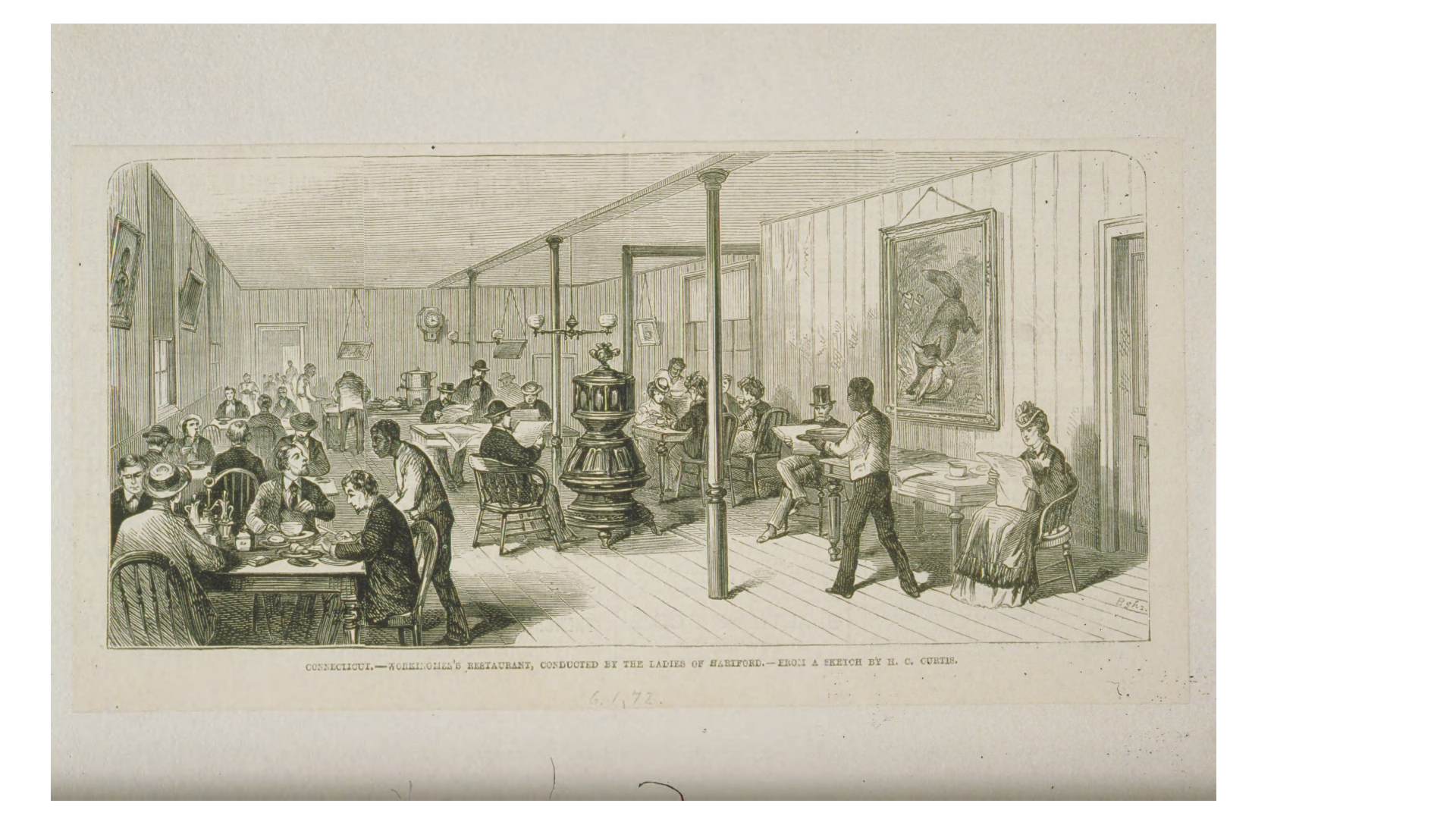
…for all. Civil rights and labor leader A. Philip Randolph led the organizing campaign in 1925 to unionize the Pullman railroad company into the Brotherhood of Sleeping Car Porters (BSCP),…
Read …request for equal voting rights but did finally abolish human servitude in Connecticut in 1848. The terrible casualties of the war divided public opinion in Connecticut. Democrats bitterly opposed Lincoln’s…
Read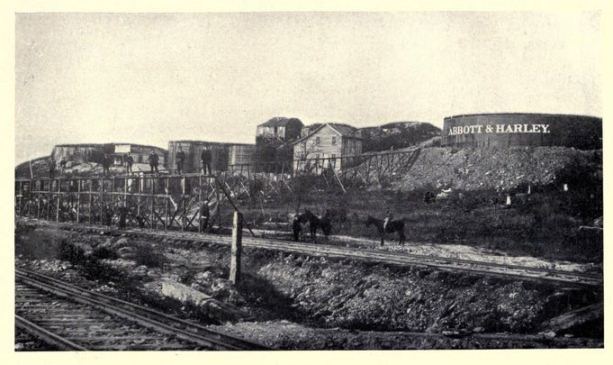
William Hawkins Abbott was a 19th-century pioneer in the energy industry. Originally a farmer and merchant from Connecticut, Abbott found his fortune in the oil fields of western Pennsylvania and…
Read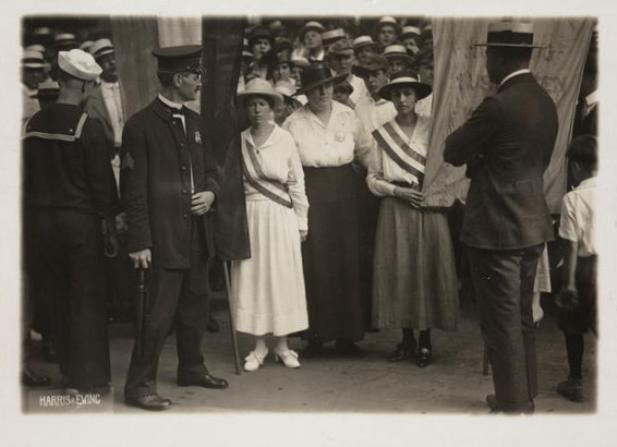
…arrested six times in front of Woodrow Wilson’s home. Suffragists Face Prison, Abuse, and Slurs Local women had also been among those arrested in acts of civil disobedience. Edna Purtell…
Read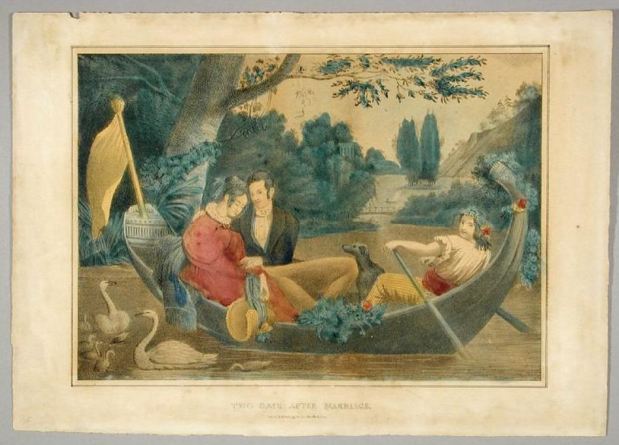
…civil contract. Approximately 1,000 divorces were granted in Connecticut between 1670 and 1800. The four grounds for dissolution remained essentially unchanged until 1849 when “habitual intemperance” and “intolerable cruelty” were…
Read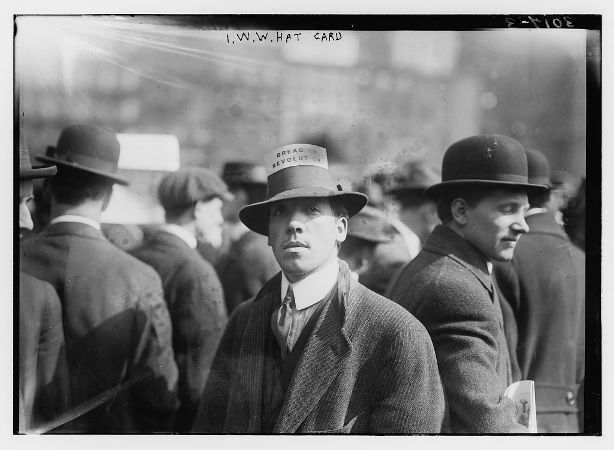
…Theater but was interrupted by a police officer. The soap-box orator was charged with breach of peace for speaking in public without a license. Workers Use Civil Disobedience Tactics The…
Read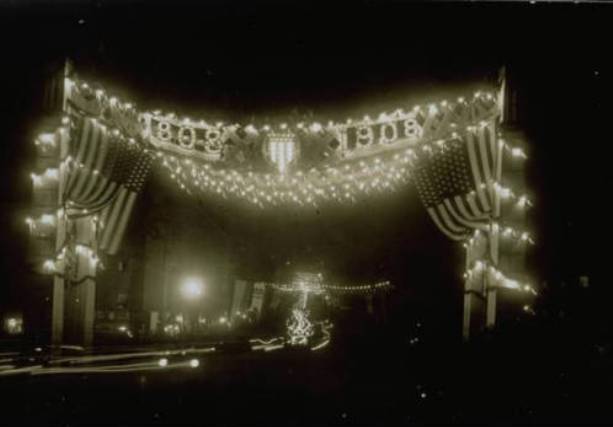
…which showed every type of military equipment used by Connecticut soldiers from the Pequot War to the Spanish-American War. There was a water carnival of 300 decorated yachts on the…
Read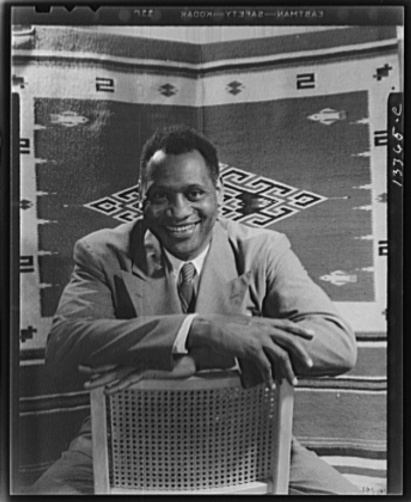
…W. E .B. Du Bois, noted intellectual, author, and civil rights activist. The Hartford controversy stemmed directly from the August 1949 outdoor performance that Robeson had been scheduled to give…
Read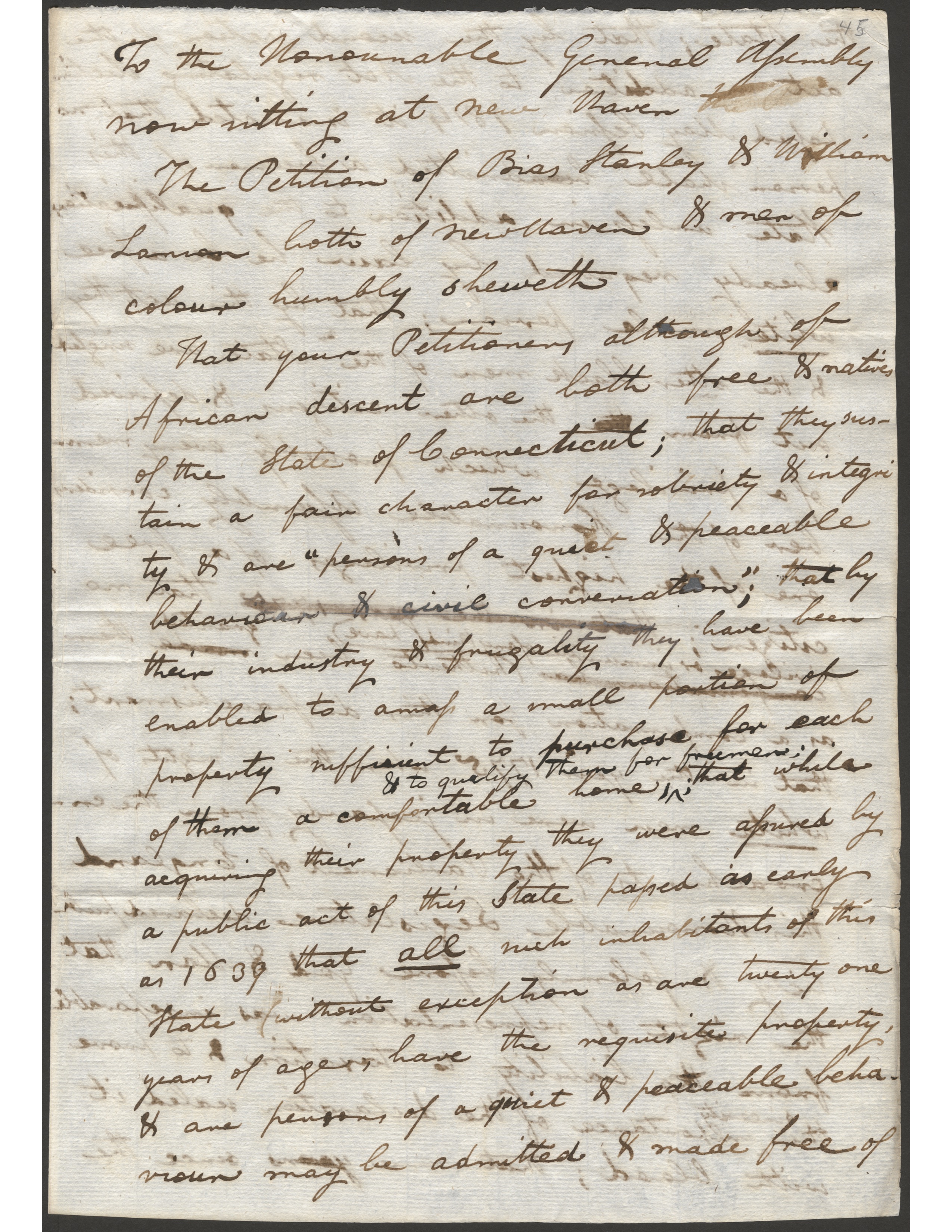
In 1784, Connecticut passed a Gradual Emancipation Act that ended hereditary enslavement for African Americans in the state. The act required freeing, at the age of 25, those born into…
Read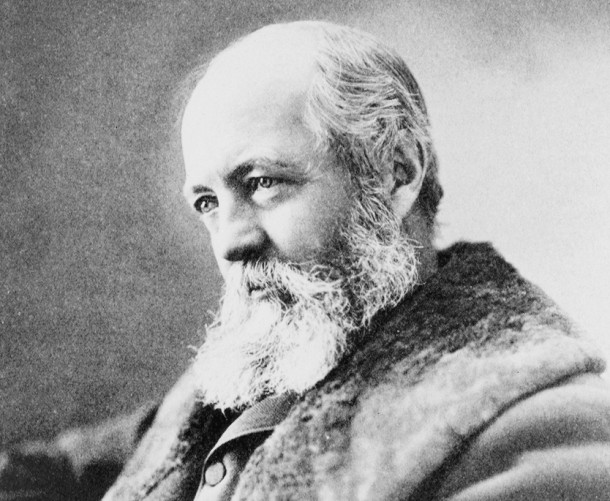
Frederick Law Olmsted (1822-1903) Acclaimed as the founder of American landscape architecture, Hartford-born Frederick Law Olmsted received an informal education in civil engineering, farming, and scientific agriculture. Travels to Europe…
Read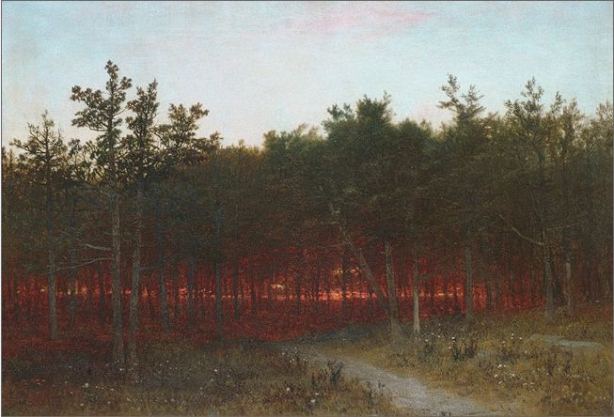
John Frederick Kensett was a landscape painter who is now identified with Luminism—a style of painting that utilized delicate, almost invisible brushstrokes to capture subtle effects of natural light. Best…
Read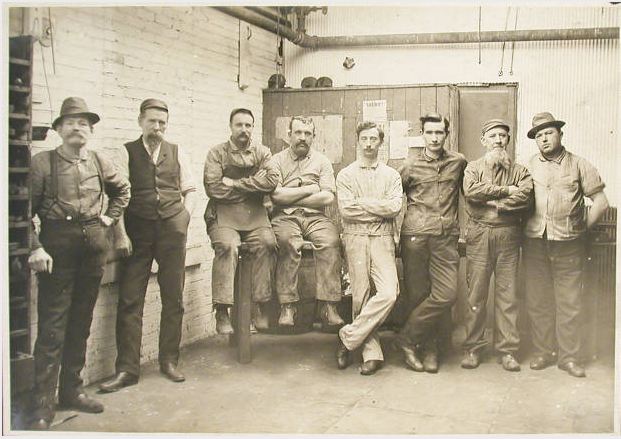
Immigration to Connecticut in the second half of the 19th century proceeded much as it had in earlier decades. Driven from their homelands by changing social and economic conditions, waves…
Read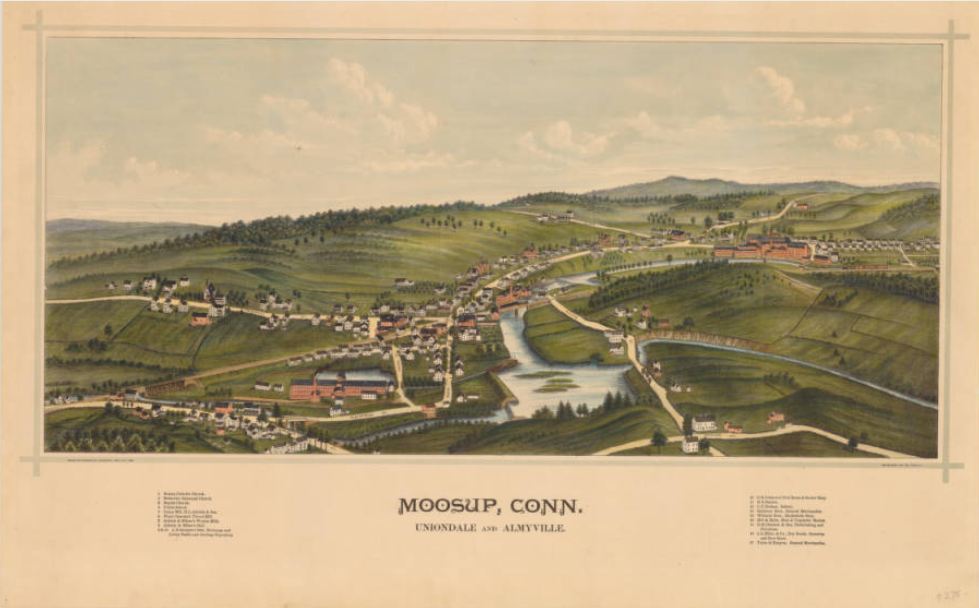
…village of Plainfield) is by Lucien Burleigh. Educated to be a civil engineer, Burleigh switched to a career as artist, lithographer, and view publisher and is one of the few…
Read
…that the IWW defied laws and filled jails! In 1919, the Connecticut General Assembly enacted laws aimed at the IWW (Industrial Workers of the World) (a.k.a. the Wobblies). The laws…
Read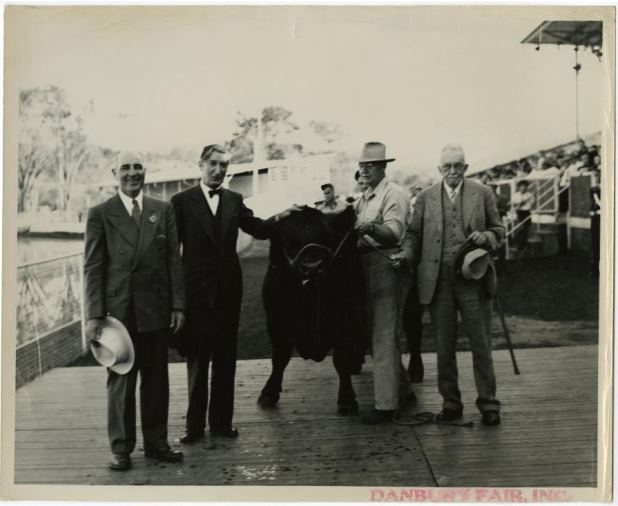
…Recovery Act (NRA), the Civilian Conservation Corps (CCC), and the Works Progress Administration (WPA), intended to combat the financial crisis and help people get back to work. The responsibility for…
Read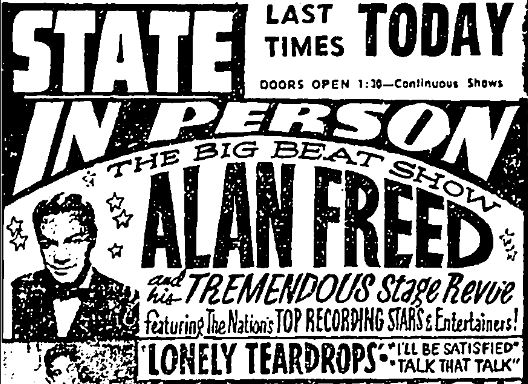
…in the NAACP. During this same period, the Connecticut state civil rights commission reported that it was “virtually impossible for a Negro to rent a home in a white neighborhood.”…
Read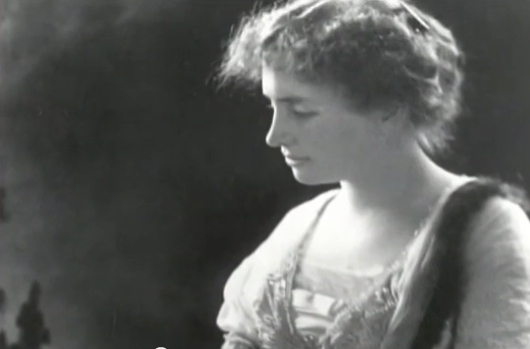
…speaker, and dedicated advocate for civil rights, she did more to promote and secure equal treatment for those with disabilities than anyone before her, or since. Keller did not limit…
Read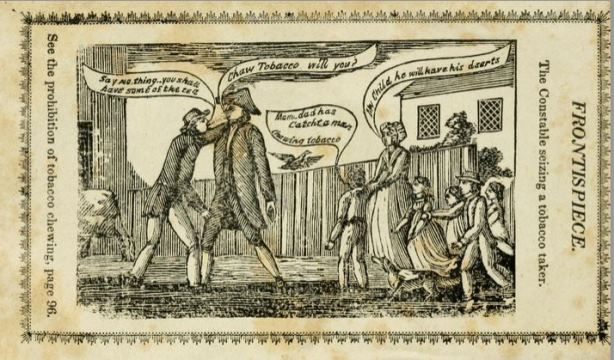
…civil and religious order of the community. An illustration from A Sketch of the life, trial, and execution of Oliver Watkins Recognized as the main source for what later became…
Read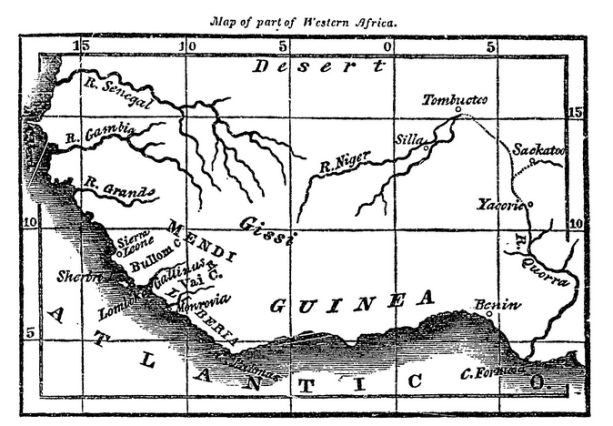
…Covey from John Warner Barber’s book A History of the Amistad Captives:…” On July 2, 1839, the Africans seized the schooner Amistad from Portuguese slavers who planned to sell these…
Read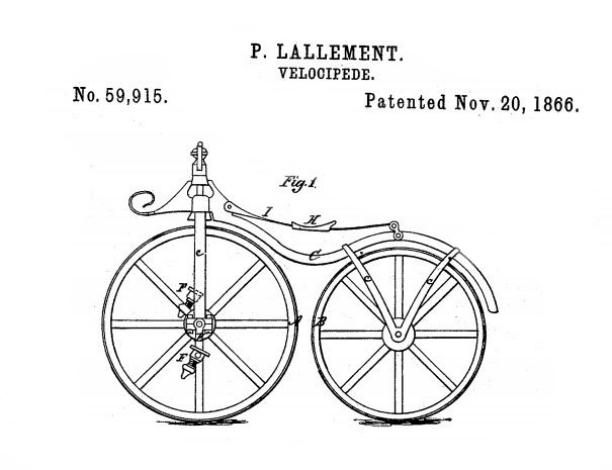
On November 20, 1866, mechanic Pierre Lallement, a temporary resident of New Haven, Connecticut, received a patent for an improvement in velocipedes. Credited with paving the way for the modern-day…
Read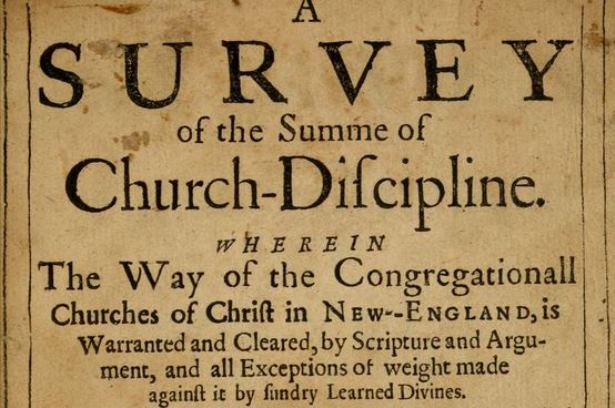
…Connecticut, which established a civil government and assured the existence of Connecticut as a separate colony, independent from Massachusetts. The Fundamental Orders served as the legal basis for the Connecticut…
Read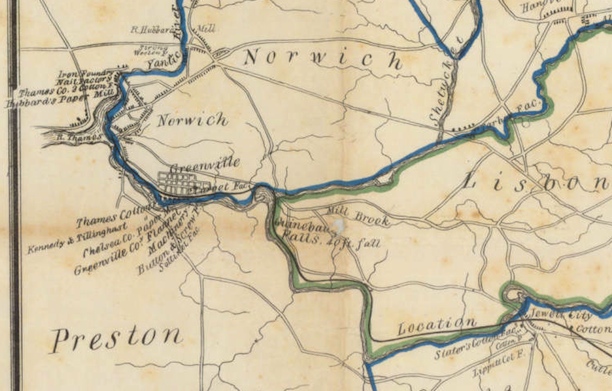
…the 27 woolen and 75 cotton mills along the route. James Laurie, co-founder of the American Society of Civil Engineers and chief engineer for the railroad, oversaw the project. Due…
Read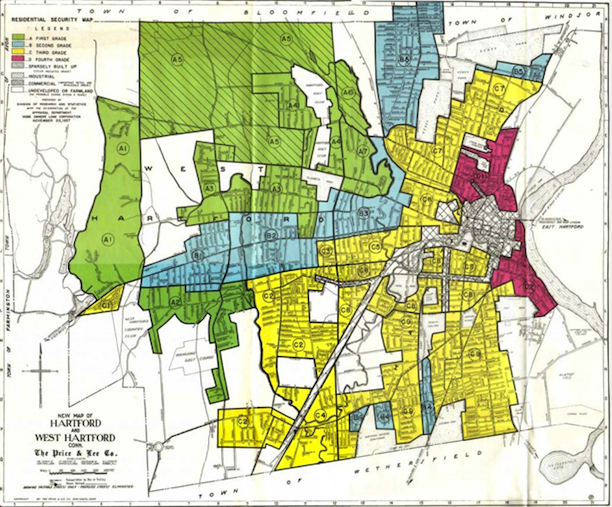
…is Title VIII of the Civil Rights Act, made redlining on a racial basis an illegal practice. Yet, there is evidence that redlining continued in the Hartford region as late…
Read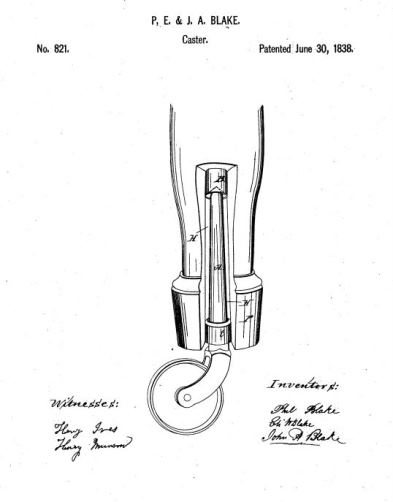
…macadamized roads. Eli and Philos Blake had gained invaluable civil and mechanical engineering skills working at the Whitney Armory, their uncle’s arms factory, which they continued to run for 10…
Read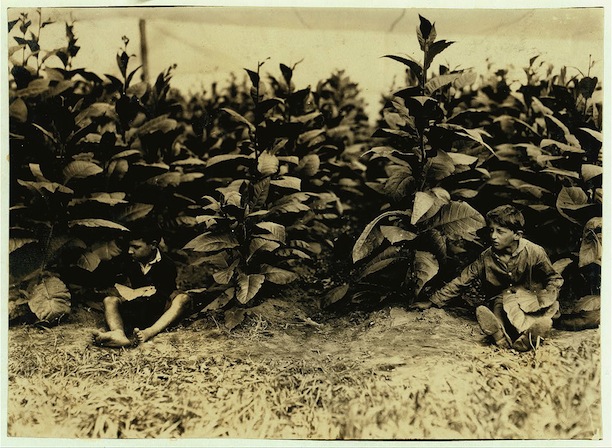
…The law did not address the minimum age of the workers, however. In 1824, state civil authorities in areas where factories and other manufacturing firms operated began to establish groups…
Read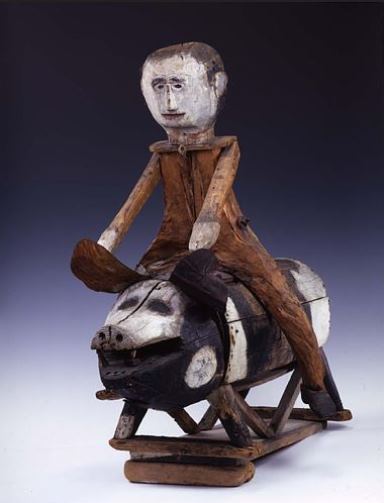
…beating time to her husband’s fiddle. (The mammy image is a racial caricature that appeared frequently in popular culture prior to the Civil Rights era.) The Killingworth Images were in…
Read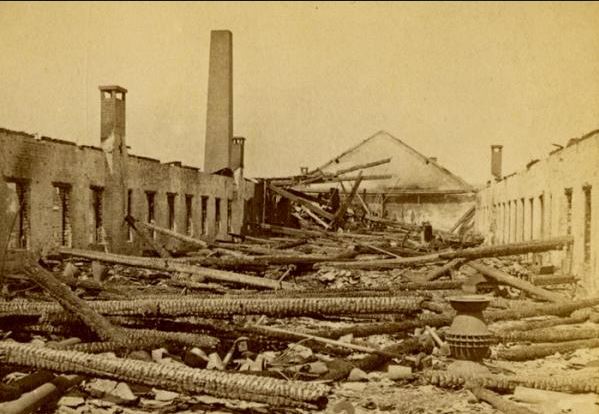
By Nancy Finlay Cupid and Swan Dish manufactured by the Meriden Britannia Company. Wood engraving by Asher & Adams, ca. 1876. An example of the ornate wares produced by Meriden…
Read
…of War Information The success of Stanley Works in the decades that followed came not only from a dedication to producing quality tools but from the foresight company executives had…
Read
…area, Education/Instrucción launched Project Ya Basta. (The Spanish phrase “Ya Basta” is equivalent to “enough already” in English.) Title VIII of the Civil Rights Act of 1968, better known as…
Read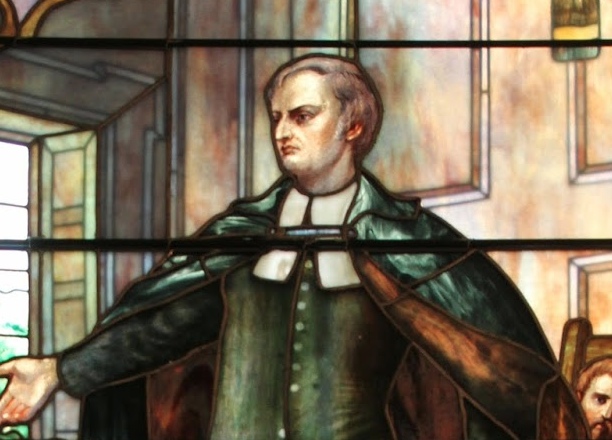
…Orders of Connecticut which established civil government for the Colony of Connecticut. An influential preacher as well as civic leader, Hooker died during an epidemic in the summer of 1647….
Read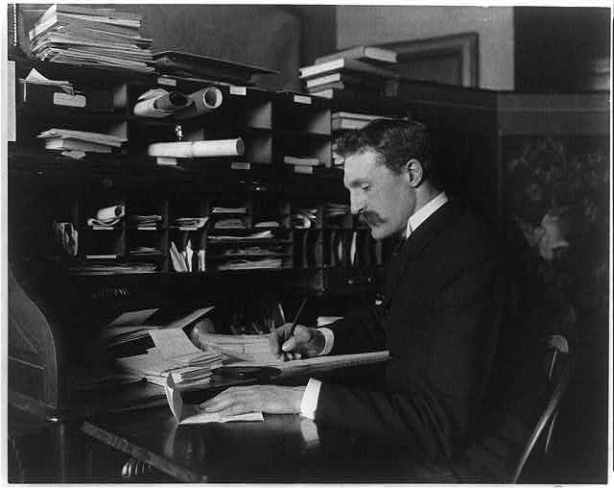
…civil rights. She was long active in liberal causes and ran several times, unsuccessfully, for political office. When African American contralto Marian Anderson made her famous performance at the Lincoln…
Read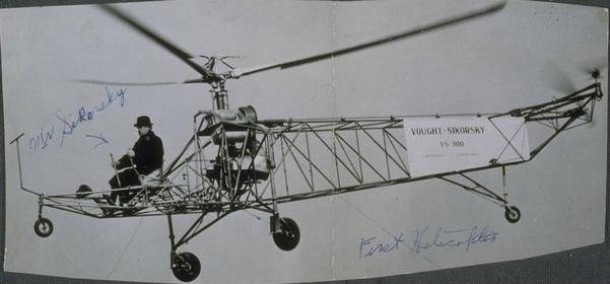
…had designed the Ilya Muromets to carry passengers, the military converted it to use as a bomber during World War I. It successfully flew hundreds of combat missions. Sikorsky left…
Read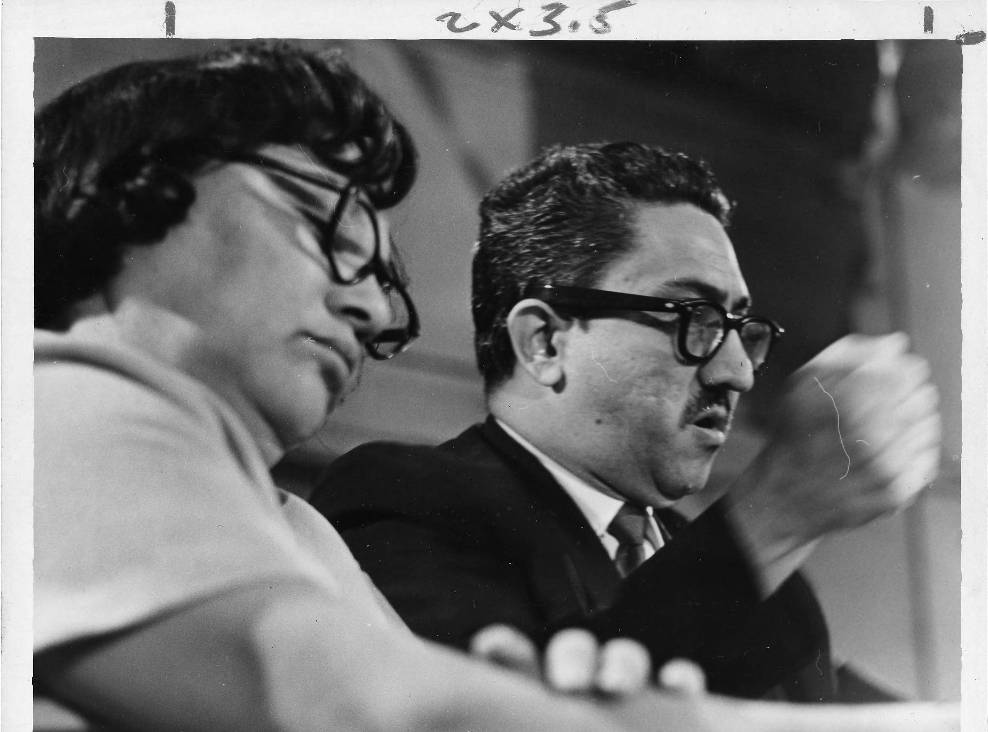
…for attention to the underlying issues. As the 1960s, an era of civil protest and social unrest in urban centers across the country, came to a close, Hartford’s Puerto Rican…
Read …secretly at the Old State House to oppose U.S. involvement in the War of 1812 and to seek protection for New England’s commercial interests. Representatives from five states debated ways…
Read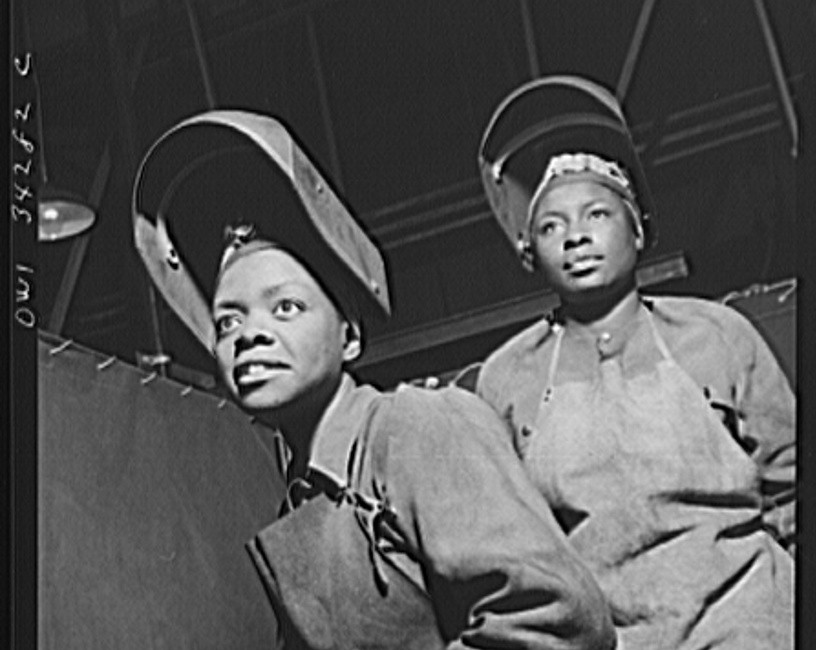
…advocate Isabella Beecher Hooker. Twentieth-century notables include Mary Townsend Seymour, champion of African Americans’ civil rights, and Ella Grasso, first woman to be elected a US governor in her own…
Read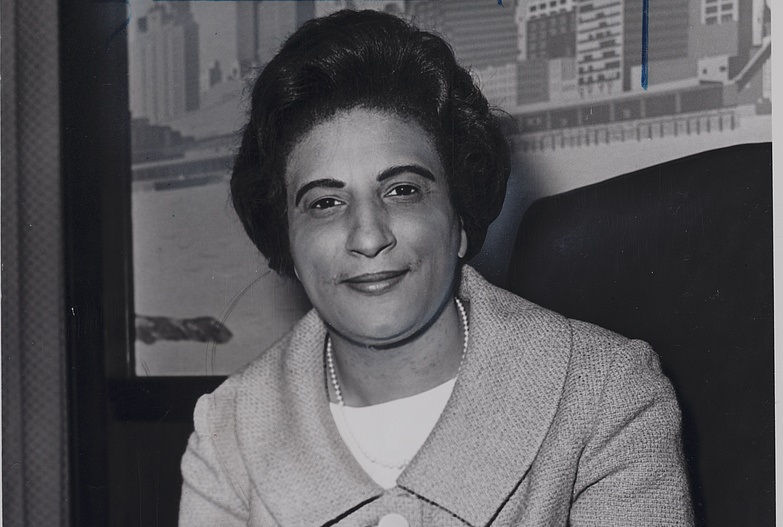
Constance Baker Motley (1921-2005) Constance Baker Motley was an attorney, and later, federal judge, who became a leading figure in the civil rights movement. Born in New Haven, she became…
Read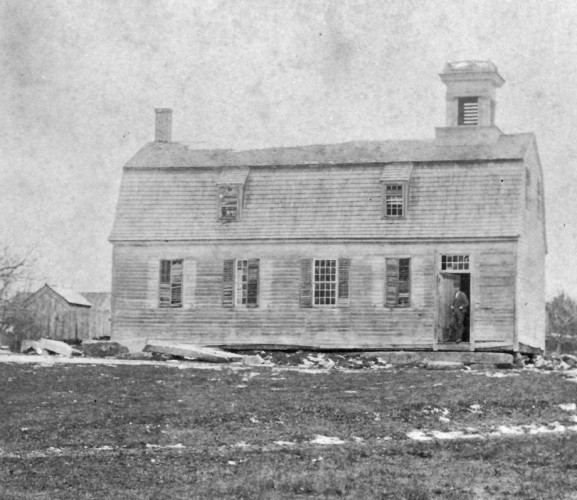
…Christian revival movement emerged in the early 1800s and many who embraced it saw religion—especially through the work of missionaries—as a tool for civilizing “heathen” peoples. Cornwall’s Foreign Mission School…
Read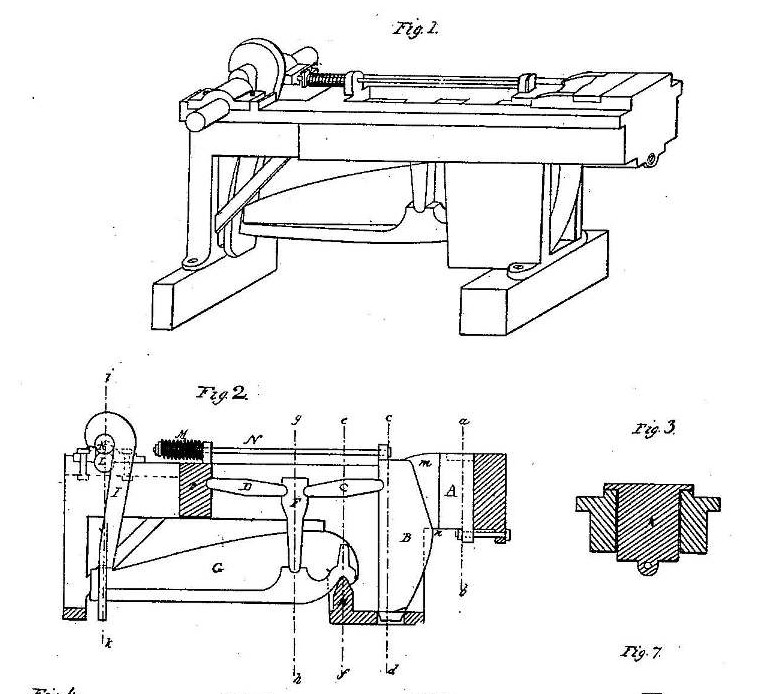
…gained civil and mechanical engineering skills at the Whitney Armory, his uncle’s arms factory, which he and his brothers ran upon Whitney’s death. The brothers left the armory in 1835…
Read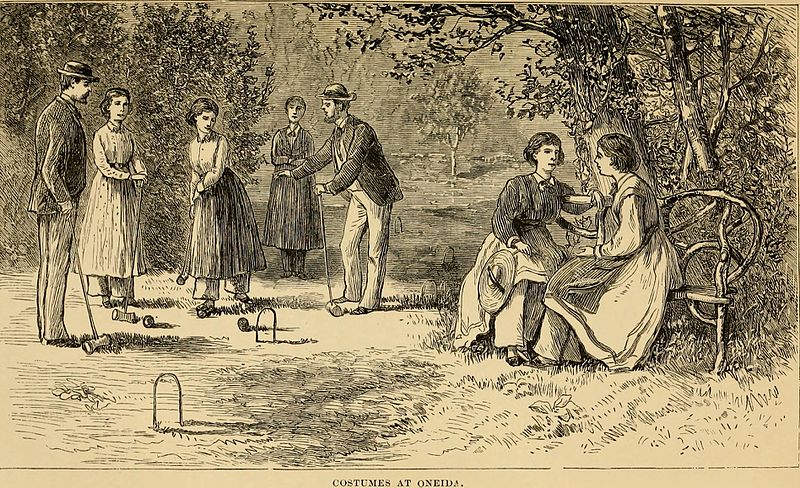
Edward T. Howe Wallingford, located about twenty miles southwest of Hartford along the Quinnipiac River, was once home to a small branch of the Oneida Community. The Oneida Community was…
Read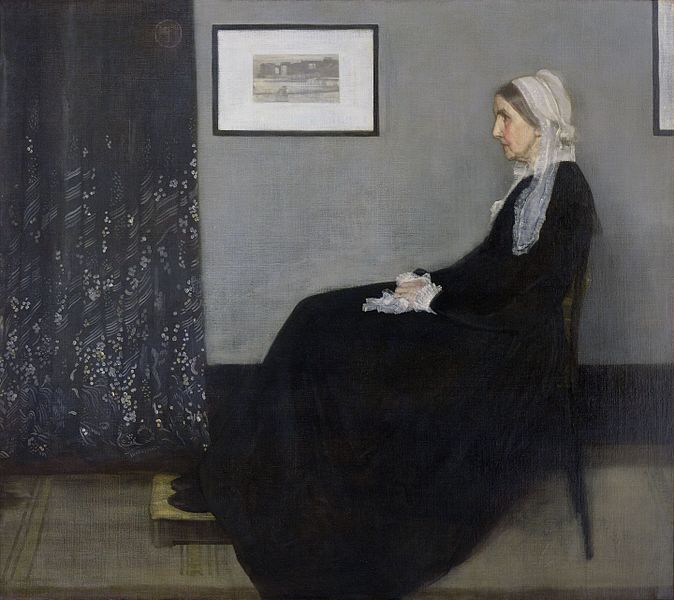
by Christina Volpe As one of the most well-known American realist painters of the late 19th century, James Abbot McNeil Whistler has intrigued art history enthusiasts for over a century….
Read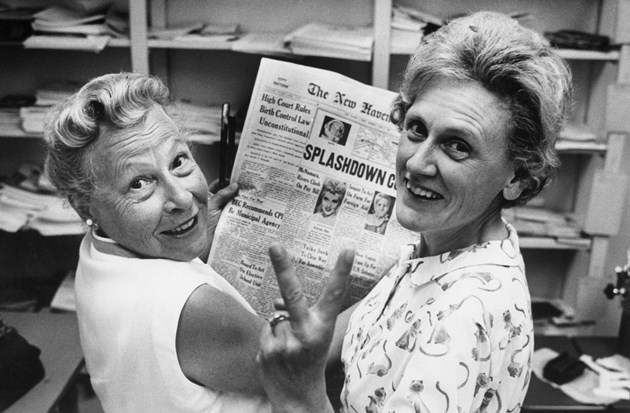
…of civil disobedience, they opened a small clinic near the PPLC office. The clinic immediately received numerous requests from married women seeking advice on birth control. Detectives also showed up…
Read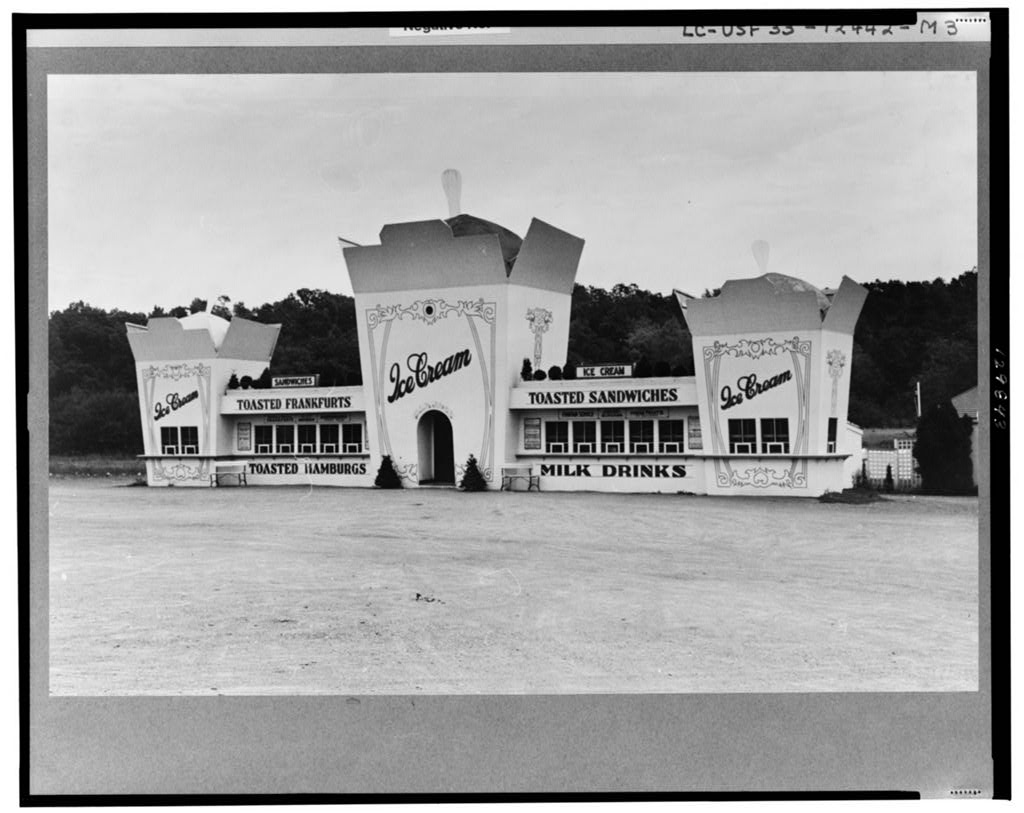
…in every age. In colonial times, the desire for British tableware and other imports spoke to notions of what it meant to remain civilized on the frontier. Centuries later, the…
Read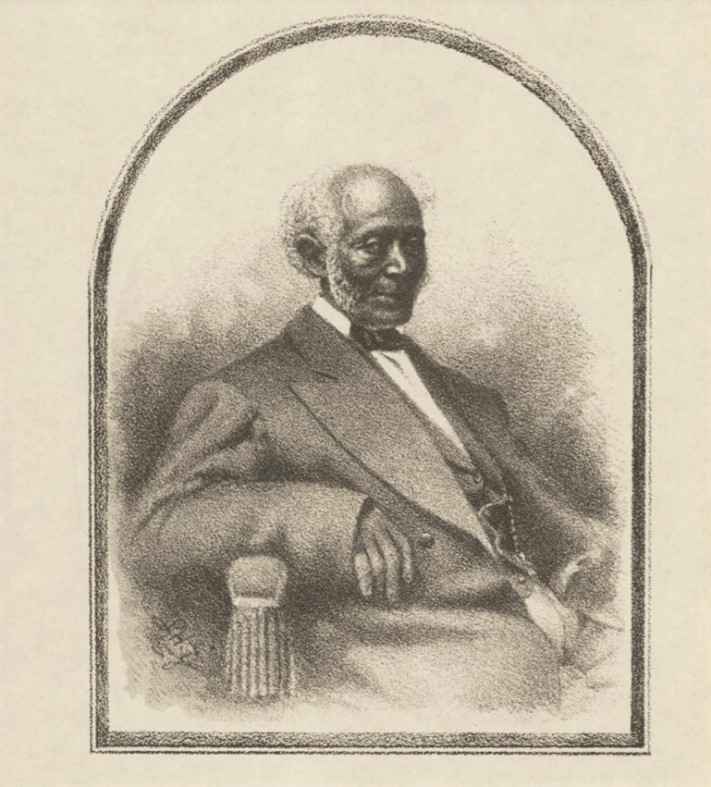
…which he crisscrossed the Atlantic Ocean on any ship that accepted his labor. He was at sea during the War of 1812, serving on the USS Hornet. Williams was a…
Read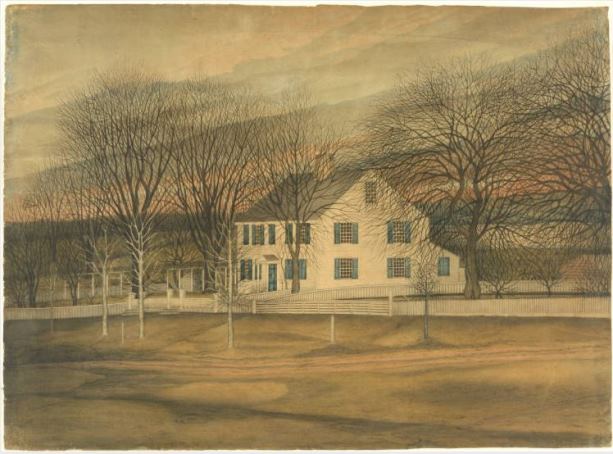
On January 8, 1874, seven cows belonging to Abigail and Julia Smith headed down Glastonbury’s Main Street to the auction block. The cows—Jessie, Daisy, Proxy, Minnie, Bessie, Whitey, and Lily—were…
Read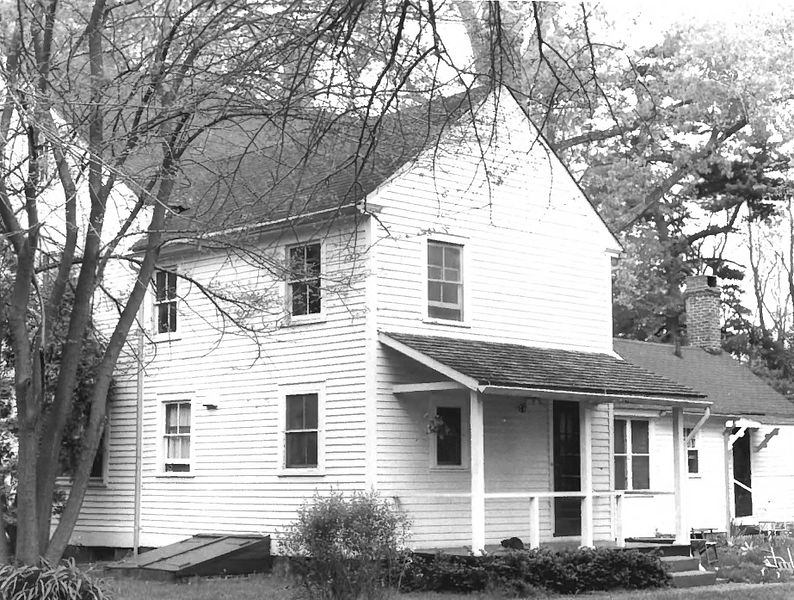
…of Abby and Julia Smith and their cows garnered public interest in the civil rights of women. By associating their story with the Boston Tea Party and other Revolutionary War…
Read
…of Freedom, the highest civilian award, for his cultural contributions. He was twice nominated for the Nobel Peace Prize, in 1983 and 1986, and was a finalist for the award…
Read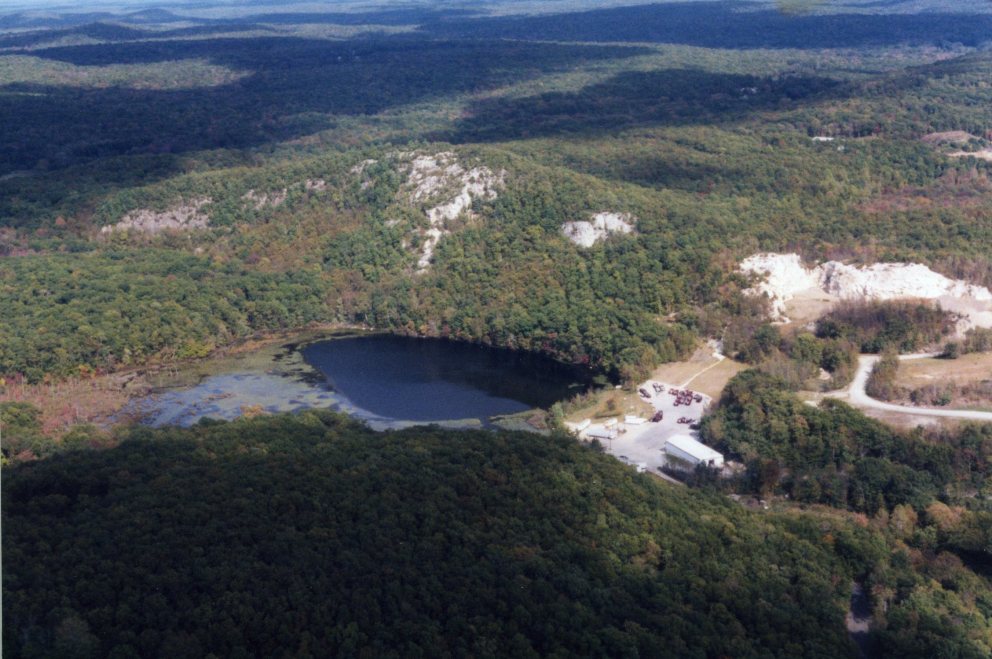
…from native communities’ first contact with Europeans to the present. That history is complicated by episodes of disease, warfare, colonialism, and land loss. But it also offers examples of native…
Read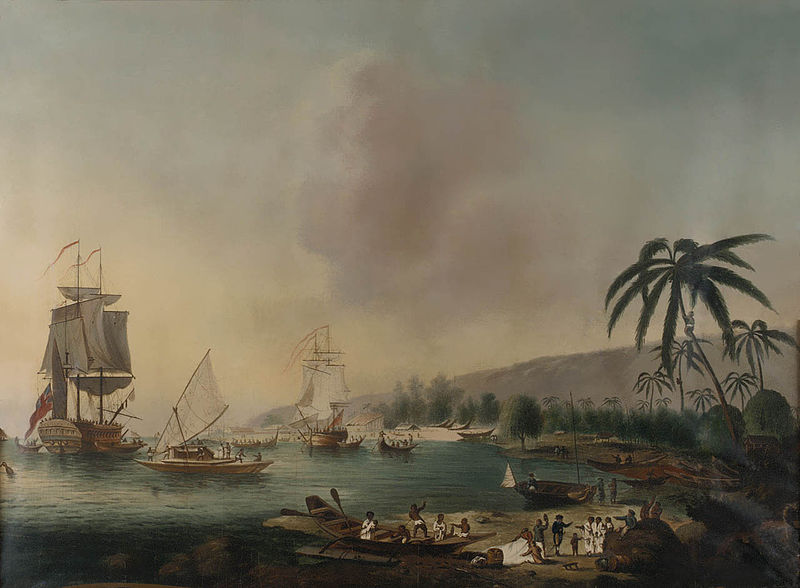
…the ward of his uncle, Thomas Seymour, and apprenticed in Seymour’s law office, but a different path opened for him in the spring of 1772 when he enrolled at Dartmouth….
Read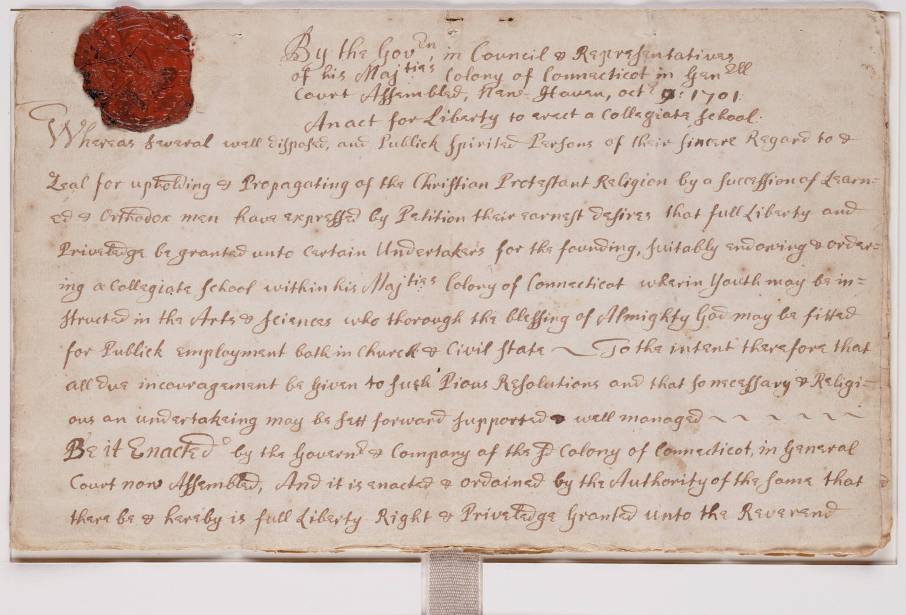
…employment both in Church & Civil State.” In short, Yale’s founders envisioned the school providing the training necessary to develop the Connecticut Colony’s next generation of religious and political leaders….
Read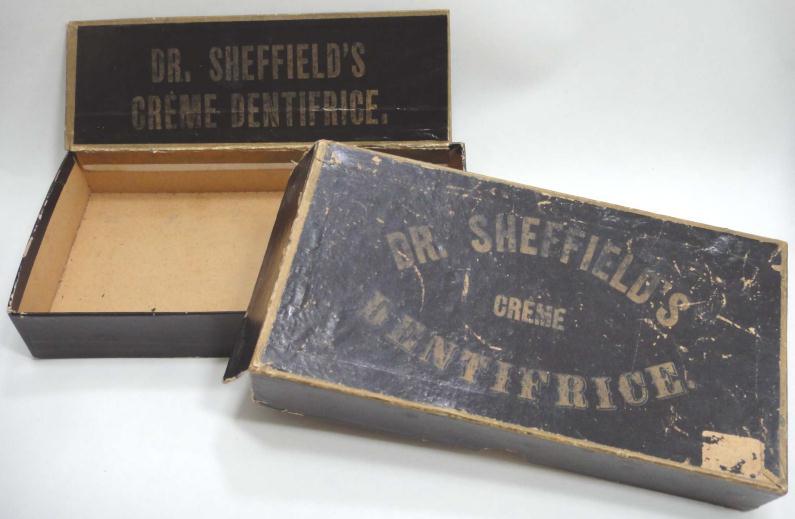
Dr. Washington Wentworth Sheffield was born in North Stonington, Connecticut. After graduating from dental college, he worked in the practice of Dr. J.A.G. Comstock of New London, practiced briefly in…
Read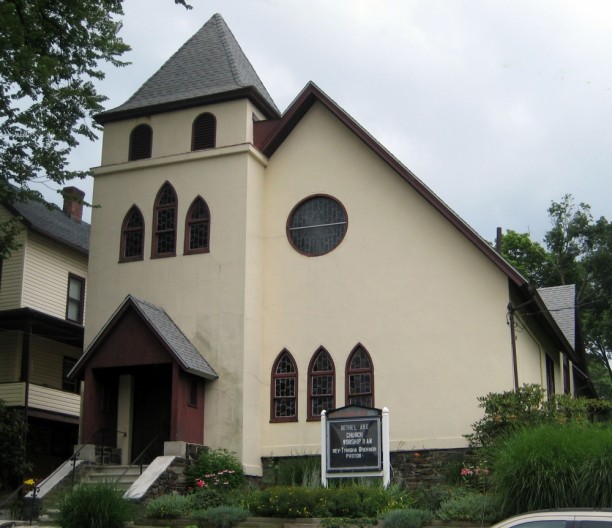
…in 1830, under the leadership of Reverend Jehiel Beman. Beman, the son of a Revolutionary War soldier and the father of Amos Beman, led the congregation in the antislavery cause….
Read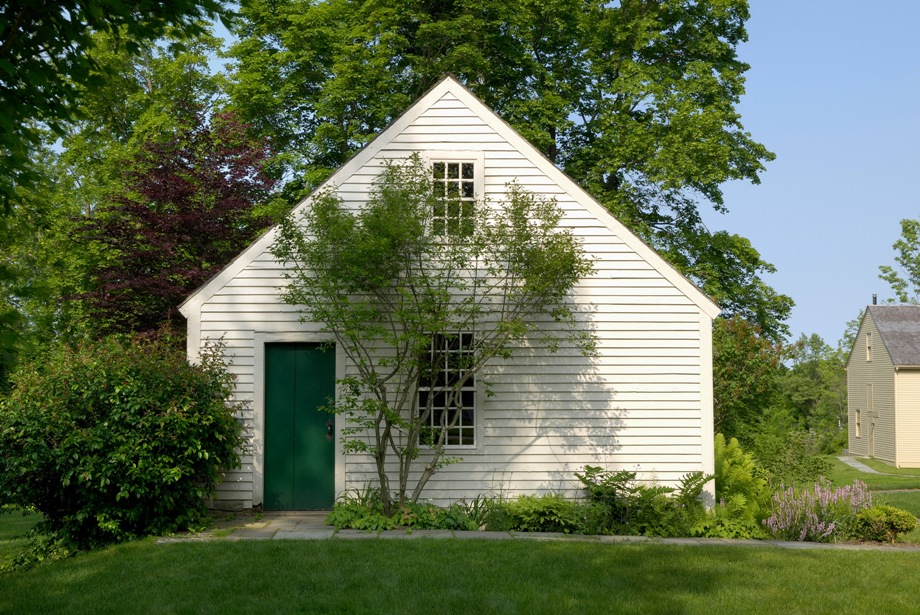
…1751 with a sheriff and a court to decide criminal and civil cases. An important crossroads developed as people from neighboring towns traveled to the courthouse and conducted market activity…
Read …and national attention on the civil rights of African Americans, the war in Vietnam, and the inequalities facing women. “This exhibition was made possible through the generous contributions of individual…
Read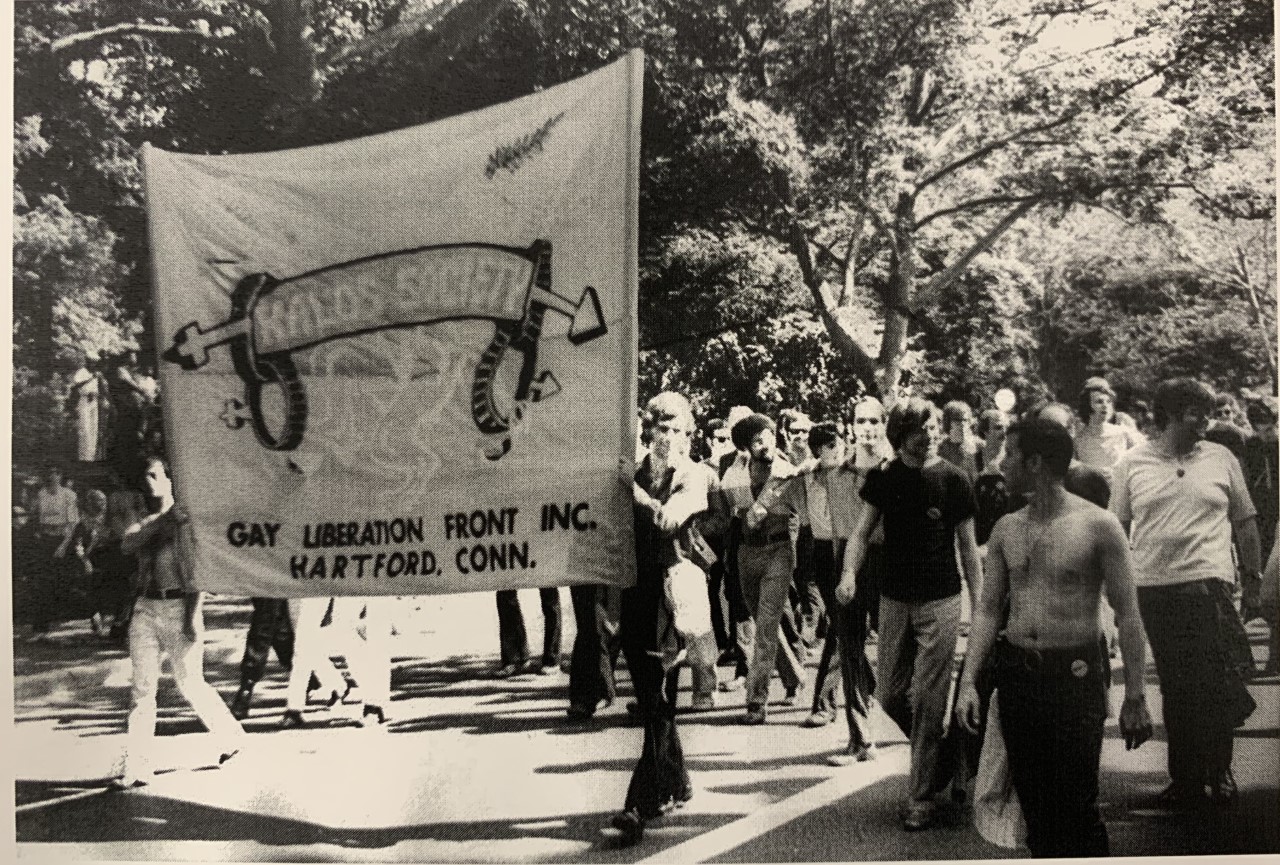
…a custodian, but he turned down the demotion. The American Civil Liberties Union (ACLU) got involved and the events inspired the Kalos Society to advocate for the first gay rights…
Read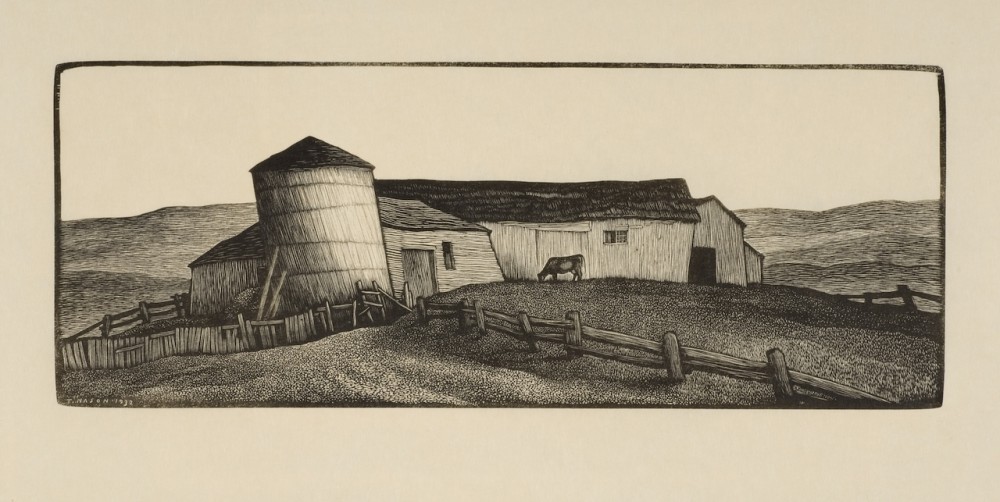
…during World War I and pursued various jobs in civil service and business. In 1921, Nason’s intellectual curiosity turned him toward art, which would become his lifelong career. He taught…
Read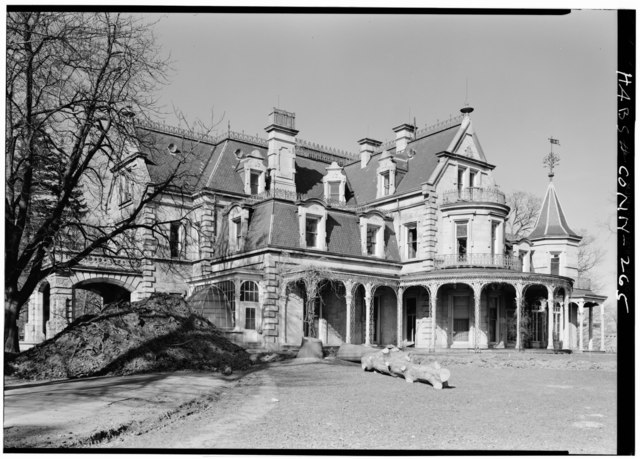
By Emily Clark A table set for tea in the Card Room at Lockwood-Mathews – Emily Clark An elaborate 19th-century home sits sheltered among tall elm trees near the intersection…
Read
By Nancy Finlay New London in the early 19th century was a bustling port city. The 1850 Federal Census lists individuals from more than 30 different countries and from virtually…
Read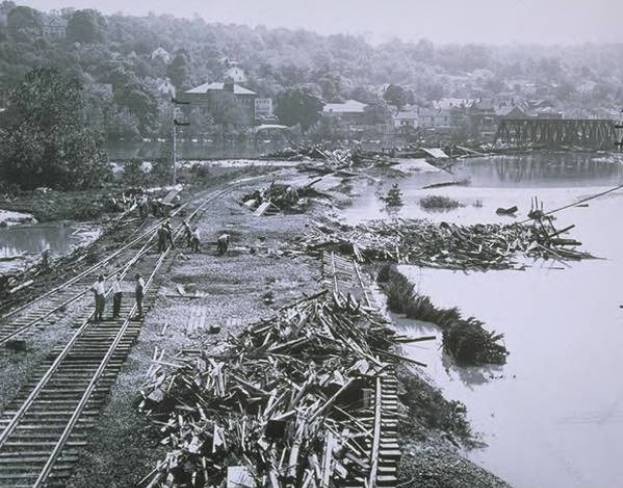
…US Marine Corps supplied additional aircraft, rescuing hundreds of people. Civil defense and emergency shelters filled quickly, and the American Red Cross set up a central disaster headquarters in Hartford….
Read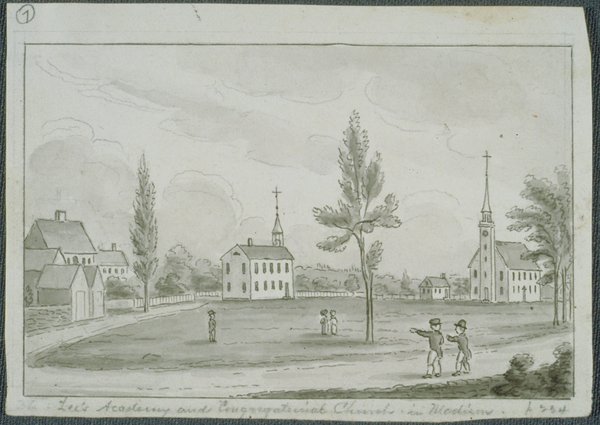
…Madison, Temple Beth Tikvah, the Boy Scouts, and the Girl Scouts. Lee’s Academy also provided offices for the Red Cross during World War II. Later, Lee’s Academy served as the…
Read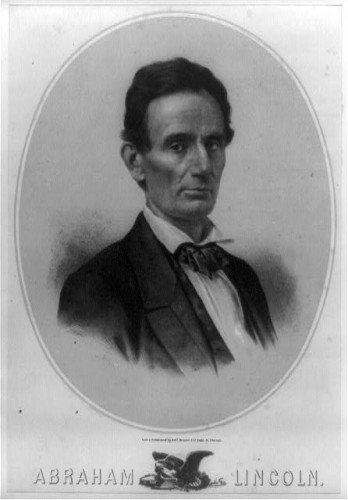
On March 5, 1860, Abraham Lincoln addressed the Republicans of Hartford at City Hall. He spoke to the danger of an indifferent attitude on the topic of slavery, a follow-up…
Read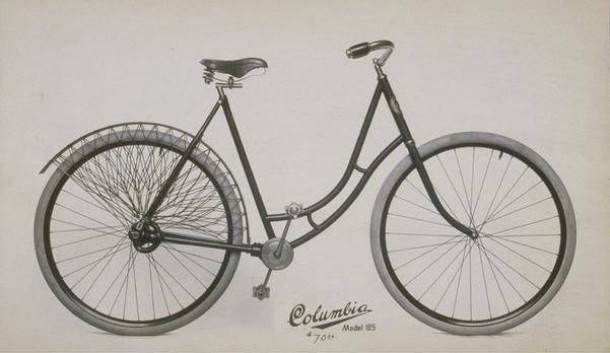
…with bicycling. So closely associated were bicycles to the concept of independence for women, that civil rights activist and suffragist Susan B. Anthony declared, “The bicycle has done more for…
Read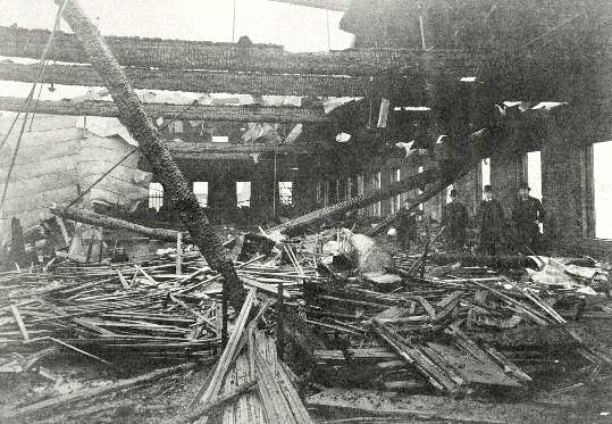
At 2 pm on March 2, 1854, the power of steam incorrectly managed and harnessed wreaked havoc at the railroad-car factory Fales & Gray Car Works in Hartford. The explosion…
Read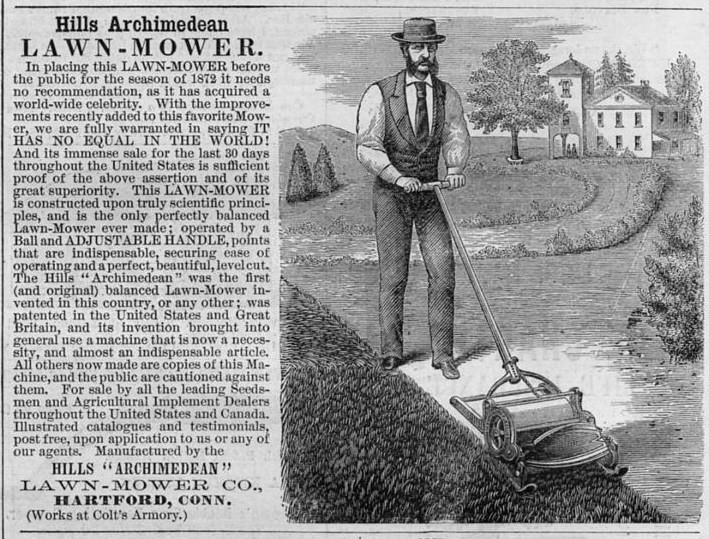
On January 28, 1868, Amariah Hills of Hockanum, Connecticut, received the first US patent for a reel-type lawn mower. In 1830, Edwin Beard Budding, an engineer from Gloucestershire, England, had…
Read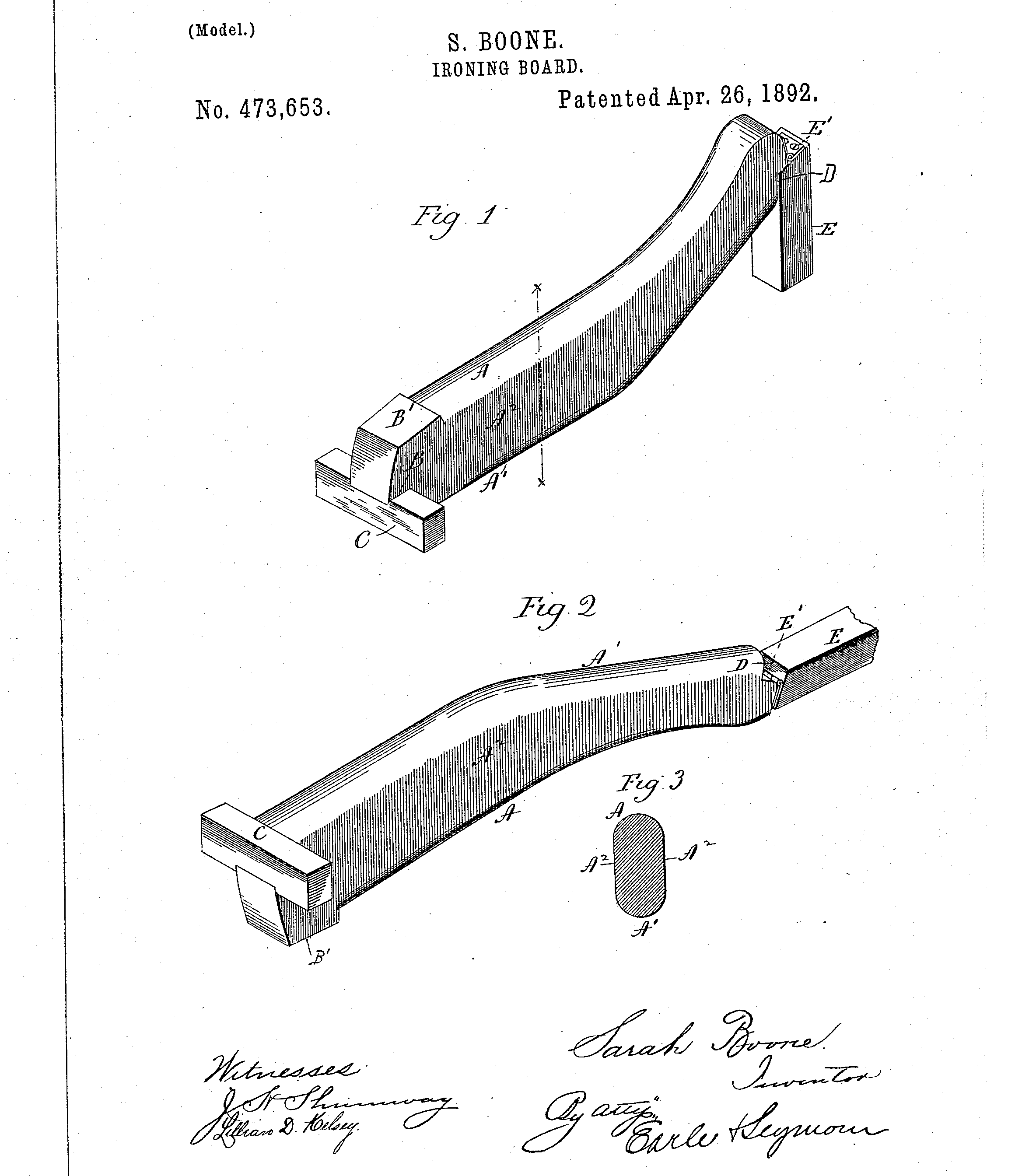
By Edward T. Howe Originally published March 22, 2022 On April 26, 1892, Sarah Boone of New Haven became the first Black woman in Connecticut to be awarded a patent—for…
Read
…use on minors. Late 20th Century: Compassionate Care and Empathy Influenced by the civil rights movement, the Stonewall Riots in 1969 triggered a national push to bring LGBTQ+ visibility into…
Read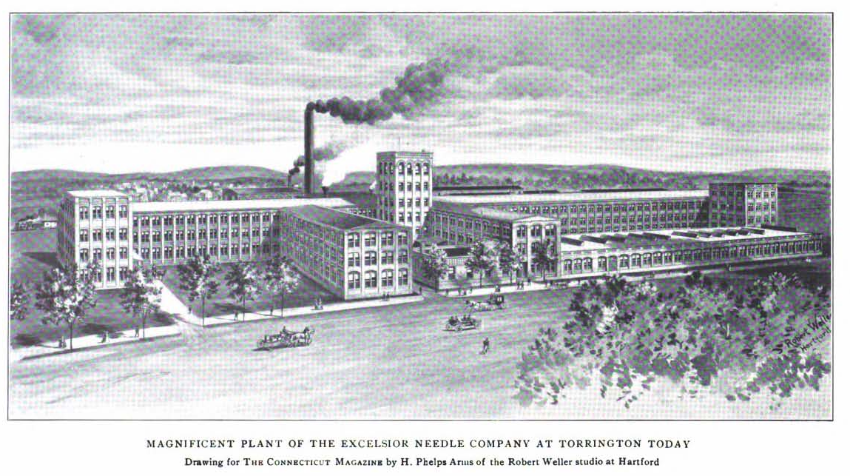
On March 2, 1866, the Excelsior Needle Company of Wolcottville was organized. The company produced machine-made sewing needles by a new method called swaging, a process of cold-forming metal by…
Read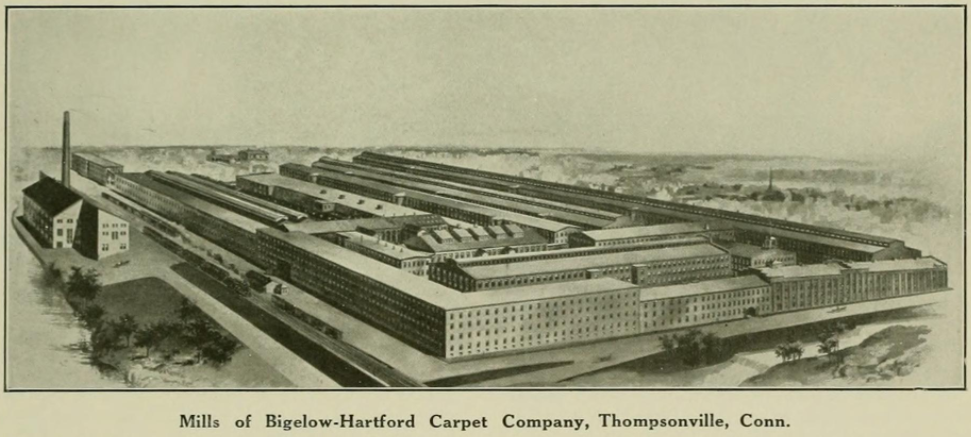
By Edward T. Howe In the 1820s, the first Connecticut carpetmakers emerged in the north central part of the state—the Tariff Manufacturing Company in Simsbury and the Thompsonville Carpet Manufacturing…
Read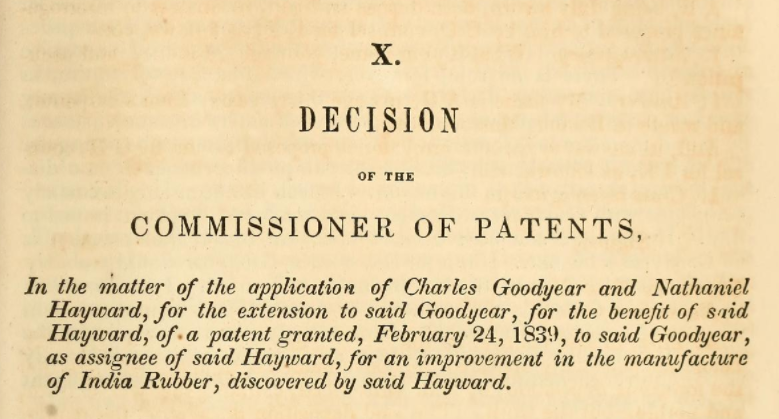
…warmed. According to the patent record, Hayward invented an early method for making rubber useful in manufacturing, but that process was not vulcanization. Hayward began experimenting with rubber and found…
Read
By Edward T. Howe Trademark registration by C.H. Phillips for Milk of Magnesia brand Preparation of Magnesia – Library of Congress Prints and Photographs Division In 1873, Charles H. Phillips…
Read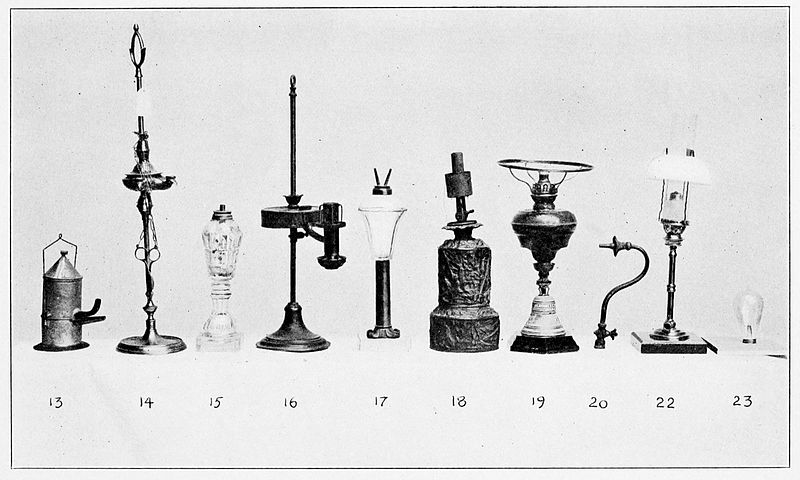
By Edward T. Howe Throughout the 19th century, in a time before gas lamps and incandescent bulbs were more widely embraced, Connecticut firms made oil lamps using various fuels, burners,…
Read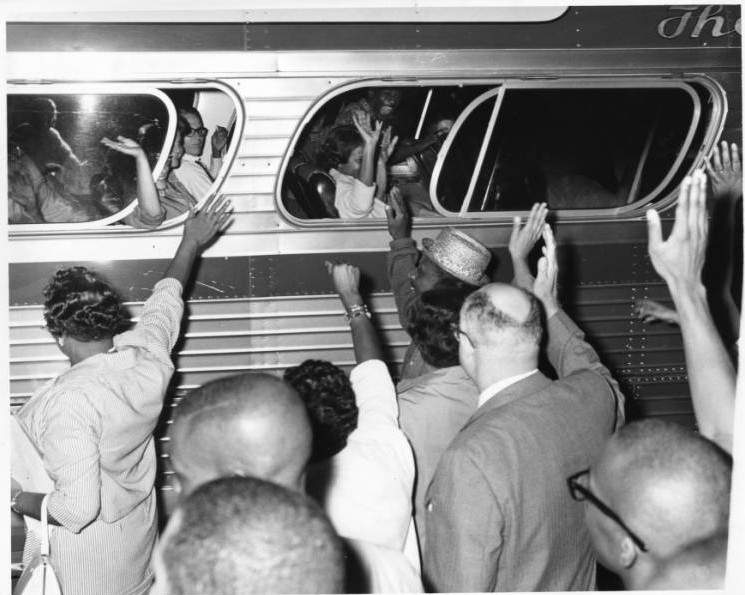
…for recognition and land rights. And sometimes it is violent, as seen in the Hartford and New Haven riots of the Civil Rights era. Noted Connecticut reformers include abolitionist Roger…
Read
Oops! We could not locate your form.